
Health & Wellness
Three Amazing things that Happen When You Introduce Vegetables to Your Diet

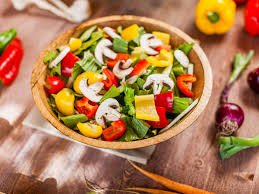
Most of us treat vegetables like the boring opening act at a concert—something to endure before the steak or the pasta takes the stage.
We’ve been told since kindergarten to “eat our greens,” but nobody really talks about the internal riot that happens when you actually start doing it.
If you’ve spent years viewing a garnish of parsley as your daily dose of fiber, suddenly introducing a mountain of broccoli and spinach to your routine is going to trigger a biological overhaul that feels less like a diet and more like a software update.
Here are three undeniable shifts that occur when you finally stop ghosting the produce aisle.
1. The Great Microbial Civil War
Inside your gut, a massive battle for territory is constantly raging. When you live on processed flour and sugar, you’re essentially feeding the “bad” bacteria that thrive on inflammation. The moment you introduce complex fibers from vegetables, you’re air-dropping supplies to the “good” guys—the microbes that produce short-chain fatty acids.
For the first few days, you might feel a bit of “rumbling” or bloating. Don’t panic; it’s just the sound of the old guard being evicted while your gut microbiome undergoes a massive, healthy renovation.
Read Also: How Walking Melts the Stubborn Fat You’ve Been Trying so Hard to Get Rid Of
2. The Return of the “Natural High”
Vegetables are dense with micronutrients like magnesium, potassium, and B-vitamins that act as the spark plugs for your cellular energy.
Without them, your body is like a car with plenty of fuel but no oil. Once your levels stabilize, that 3:00 PM “brain fog” starts to lift.
You’ll notice a steady, buzzing energy that doesn’t rely on a third cup of coffee. It’s not a jittery caffeine spike; it’s the feeling of your mitochondria finally having the tools they need to function at full capacity.
3. The Incredible Shrinking Appetite
Vegetables are the ultimate “volume hack.” Because they are packed with water and fiber, they physically stretch the walls of your stomach.
This triggers “stretch receptors” that send an immediate signal to your brain saying, “We’re full!”
You’ll find yourself leaving a meal feeling physically satisfied but light, rather than heavy and lethargic. Suddenly, that bag of chips in the pantry loses its power over you because your hunger hormones, like ghrelin, have finally been muzzled by a plate of roasted cauliflower.
Conclusion
Transitioning to a vegetable-heavy plate isn’t just about “being healthy”—it’s about reclaiming your biology. From the microscopic war in your gut to the newfound clarity in your mind, the shifts are profound.
You might start with the vitamins, but you’ll stay for the way it makes you feel like a high-performance version of yourself. Start small, but start today; your body is waiting for the reinforcements.



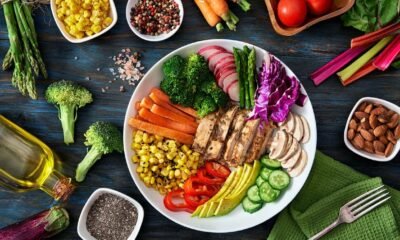




The person who loses the most weight is not always the person who loses the most fat. That surprising distinction could change how you approach your next weight-loss journey.
When the number on the bathroom scale refuses to drop quickly, your workouts may be working better than you think.
Why Strength Training Changes the Picture
A study described in the research behind this debate compared people following a calorie-restricted diet while doing resistance training, cardio or dieting alone. Its reported findings suggest that people who lifted weights lost more fat while preserving, and sometimes gaining, lean mass.
The reason is important. Your body weight includes fat, muscle, water and other tissues. When you lose weight through dieting alone, some of that loss can come from muscle.
Cardio can support fat loss and improve heart health, but without resistance exercise, preserving muscle may be more difficult during a calorie deficit.
Strength training gives your body a reason to retain muscle while using stored fat for energy. Because muscle contributes to your shape, strength and everyday function, the results may show up in your waist measurement, clothing fit and physical ability before the scale tells the full story.
Making It Work in Everyday Life
You do not need an expensive gym membership to begin. Squats, wall push-ups, resistance bands and lifting household weights can provide a starting point.
Gradually increase the challenge as your strength improves, and include protein-rich foods such as eggs, beans, fish and yoghurt to support muscle maintenance.
Walking, cycling and other cardio activities remain valuable, too. Combining them with strength training and a sustainable eating pattern can support both fat loss and overall health.
The lesson is not to abandon your bathroom scale, but to stop treating it as the only judge of progress.
Measure your waist, notice how your clothes fit and celebrate getting stronger. Lasting progress is about improving your body composition, not simply becoming lighter.
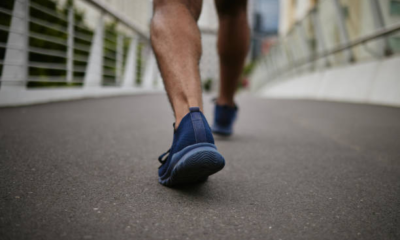
Walking is often treated as the workout you do when you have no time for the gym.
But that daily stroll to the bus stop, a lunchtime walk or an evening lap around your neighbourhood could be doing far more for your health than you realise.
What Happens When You Walk?
Your body begins responding almost immediately. Working muscles draw glucose from the bloodstream for energy, helping regulate blood sugar.
Regular movement can also lift your mood, ease stress and support better sleep.
Walking benefits more than your muscles. Physical activity supports immune function and brain health, while consistent exercise can help maintain memory and thinking skills as you age.

These benefits build over time, making a regular walking habit valuable even when each individual walk feels unremarkable.
For people who spend long hours sitting at a desk, driving or working from home, walking offers a practical way to interrupt sedentary routines.
In Ghana, it might mean taking a brisk walk before work, getting off public transport a stop earlier where safe, or moving around the neighbourhood after dinner.
Can Walking Help Reduce Belly Fat?
Walking can contribute to weight management, including reductions in abdominal fat, but results vary.
Changes depend on factors such as pace, consistency, diet, sleep and individual health. It is not a guaranteed way to lose a specific amount of fat without changing eating habits.
Over time, regular walking can improve cardiovascular fitness and help lower the risk of conditions such as type 2 diabetes and heart disease.
Start Small and Keep Going
A useful goal for many adults is around 6,000 to 7,000 steps a day, adjusted to personal ability. Alternatively, aim for about 30 minutes of brisk walking and gradually build towards 50 minutes on most days.
You do not need to begin with a perfect routine. Start where you are, choose a safe route and keep showing up.
The real power of walking is not one long session; it is the many small journeys that become part of your life.
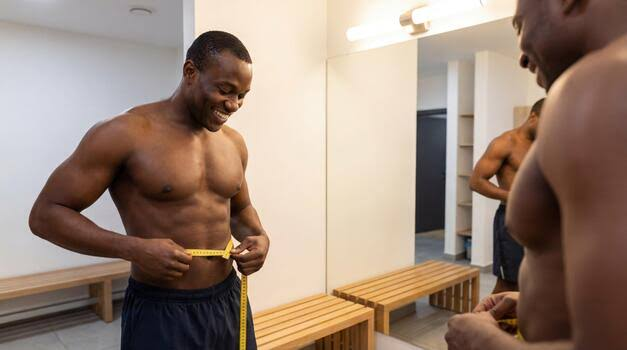
Losing weight does not have to mean turning your life upside down overnight. In fact, one of the smartest approaches may be to reverse the process that caused the weight gain in the first place: gradually, one habit at a time.
Small Habits, Lasting Change
Weight gain often happens quietly. A little less walking, an extra snack after work, larger portions at dinner or sugary drinks becoming a daily routine can add up over months and years.

Because these changes accumulate gradually, expecting the weight to disappear in a few weeks can set people up for frustration.
A more sustainable approach is to make manageable adjustments and repeat them consistently.
Someone in Accra who usually takes a taxi for short journeys might walk part of the way. Another person could swap a sugary drink for water more often, reduce oversized portions or add vegetables and protein to meals.
None of these changes seems dramatic on its own. Together, however, they can help create the consistent habits that support weight management.
Progress Beyond the Scale
Slow weight loss is not simply about eating less. Preserving muscle, staying active and getting enough sleep all matter.
Strength training, regular walking and balanced meals can support health while someone works towards a weight goal.
Crash diets and punishing exercise routines may promise rapid results, but they can be difficult to maintain.
Restrictive eating may also leave people tired, hungry and more likely to return to old habits. A gradual approach gives them time to discover routines that fit their work, family responsibilities, budget and food culture.
Make Change Repeatable
The goal is not perfection every day. It is building a pattern that can survive busy weeks, celebrations and occasional setbacks.
Weight gained little by little rarely needs to be addressed through an overnight transformation.
Focus on the next healthy choice, then repeat it tomorrow. Lasting progress often comes from ordinary decisions made consistently, not dramatic promises made on Monday.


Velukusi Festival: Re-enacting the Ewe Escape to Freedom in Ve-Deme

Dressing for Your Shape: How Strategic Styling Can Transform Everyday Fashion

The Scale Can Lie: Why Lifting Weights May Help You Lose More Fat
-

 Ghana News21 hours ago
OBITUARY: Gamal Gorkeh Nkrumah, Son of Ghana’s Founding President, Dies in Cairo
-

 Festivals & Events19 hours ago
MaddFest 2027: Welcome the New Year with a Night of Celebration in Accra
-

 Sights and Sounds1 day ago
EPP BookShop at Legon: A Destination for Students, Families and Book Lovers
-
 Health & Wellness24 hours ago
Walking Is More Than Exercise: Small Steps That Can Transform Your Health
-

 Homes & Real Estate2 days ago
Building Smarter in Ghana: Could Plastic Rebar Clips Improve Construction Efficiency?
-

 Arts and GH Heritage1 day ago
Inside Togo’s Abandoned Colonial Building, African Artists Reclaim Cultural Memory
-

 Global Update20 hours ago
Wave of Student Killings at Mexico Universities Raises Safety Concerns
-

 Ghana News20 hours ago
Mahama to Churches: The Real Sermon Is Written After the Closing Prayer