
News
Ghana Delegation Storms Latvia on January 20, 2026 in Pursuit of Justice for Late Student Nana Agyei

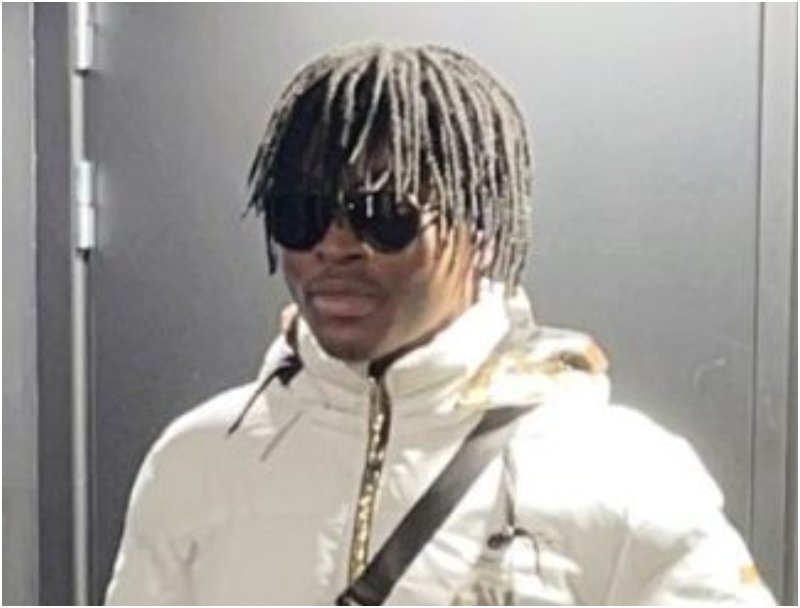
Ghana’s Minister for Foreign Affairs and Regional Integration, Samuel Okudzeto Ablakwa, has announced that the Latvian government has formally agreed to receive a Ghanaian delegation in Riga on January 20, 2026.
The move is part of ongoing investigations into the death of a Ghanaian student, Nana Agyei, a case that has stirred national grief and global attention.
In a Facebook post on Saturday, December 27, 2025, Mr. Ablakwa confirmed that the Latvian Foreign Ministry had officially responded to his request, assuring readiness to engage Ghanaian authorities directly.
He described the planned visit as an “important journey in the pursuit of truth and justice,” and pledged to continue providing regular public updates in the spirit of transparency and accountability.
“The Mahama administration values every Ghanaian life either at home or abroad; we are prepared to do whatever it takes to safeguard the dignity of all Ghanaians,” the minister stated.
Diplomatic and Investigative Steps Underway
The announcement follows a series of actions taken by the Ministry of Foreign Affairs after reports of Nana Agyei’s death in Latvia triggered widespread concern and calls for justice across Ghana and the diaspora.
Mr. Ablakwa earlier met with the bereaved family at the Ministry to personally convey the government’s condolences and outline steps already taken. According to him, a fact-finding mission from Ghana’s embassy in Germany, which holds concurrent accreditation to Latvia, was swiftly dispatched and has since submitted a preliminary report.
Latvian authorities have reportedly confirmed that their investigations into the circumstances surrounding the student’s death are ongoing and not yet concluded. In response, Ghana formally notified Latvia of its intention to engage directly with investigators and senior officials. Notably, the upcoming delegation to Riga will include representatives of the family, a move the minister says is designed to build trust and ensure transparency.
Disputed Findings and Family Concerns
The case has drawn intense scrutiny following reports that the student, identified in some accounts as Nana Agyei Oduru Ahyia, travelled to Latvia in July 2024 to study electrical engineering. Family members allege he experienced racial harassment at school and later fell ill after allegedly consuming a drink given to him by acquaintances. He was briefly hospitalised before his death.
Latvian authorities reportedly classified the death as a suicide, a conclusion the family strongly disputes. Relatives have raised concerns over the handling of the case, including delays in the release of a full autopsy report, the absence of key surveillance footage, and the non-release of personal belongings.
These unresolved issues have fuelled public outrage in Ghana and intensified pressure on the government to pursue accountability at the international level.
Independent Review and Broader Implications
Mr. Ablakwa has also disclosed that the Government of Ghana will engage independent experts to analyse all available investigative materials, including the expected final report from Latvian authorities, to guide the country’s next steps “in the interest of justice.”
Beyond the individual case, the matter has reignited broader debates about the safety of African students abroad, racial discrimination, and the obligations of host countries toward foreign nationals. Observers say the outcome will be closely watched as a measure of international accountability and Ghana’s commitment to protecting its citizens overseas.
As diplomatic engagements continue, the Foreign Affairs Ministry says the public will be kept informed as new information emerges.










Ghana News
Ghana’s Top Muslim Leader Condemns Khamenei Assassination, Calls for New World Order Based on ‘Right Over Might’

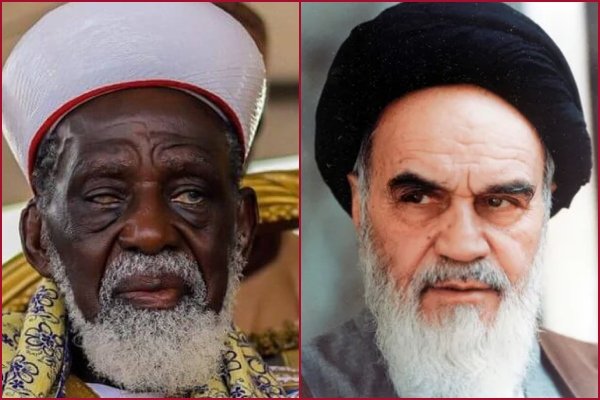
ACCRA, GHANA – March 3, 2026 – In a strongly worded message that resonates far beyond West Africa, Ghana’s highest spiritual authority for the Muslim community has officially condemned the killing of Iran’s Supreme Leader, Ayatollah Ali Khamenei.
National Chief Imam, Shaikh Dr. Osman Nuhu Sharubutu, issued a passionate plea for a global restructuring based on ethical principles over military power.
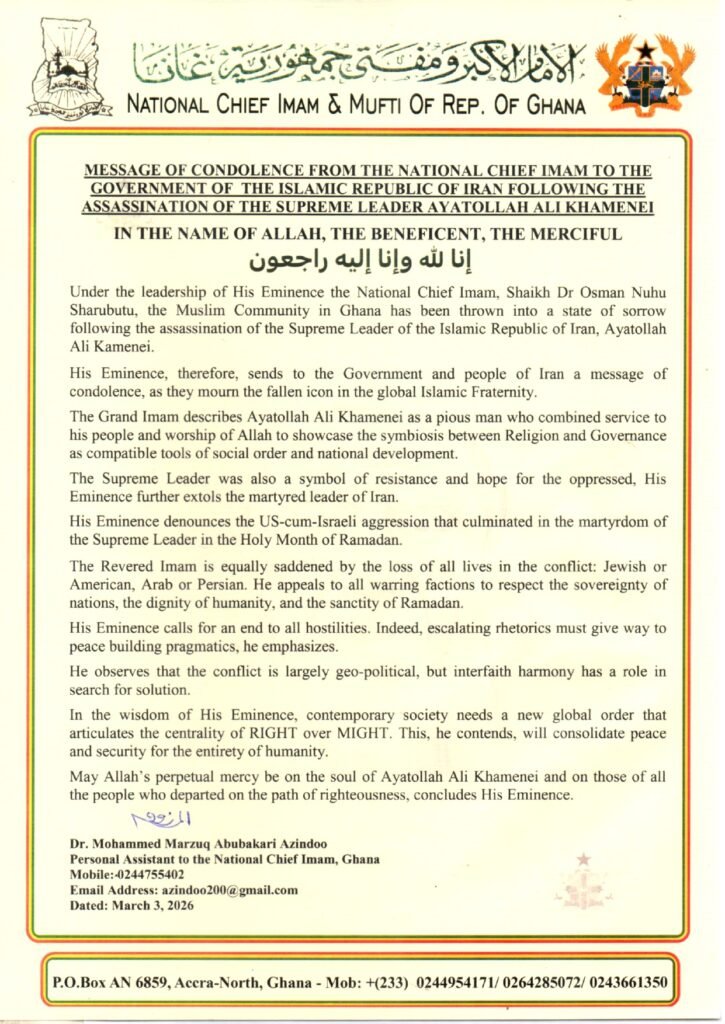
The message from the National Chief Imam released to the media in Ghana describes the late Iranian leader as a “pious man” and a “symbol of resistance and hope for the oppressed.”
The statement directly denounces the operation that led to his death as a “US-cum-Israeli aggression” carried out during the holy month of Ramadan.
The statement, released by his Personal Assistant Dr. Mohammed Marzuq Abubakari Azindoo on Tuesday, March 3, 2026, throws the Ghanaian Muslim community’s moral weight behind Tehran, describing the killing of the Ayatollah not as a political assassination but as a “martyrdom” that has thrown the global Islamic fraternity into sorrow.
A Broader Plea for Humanity
However, in a move that underscores the complexities of modern geopolitics, the Chief Imam’s message extends beyond sectarian lines. He explicitly expressed sadness over the loss of all lives in the ongoing conflict, including “Jewish or American, Arab or Persian.”
This inclusive tone positions the respected Ghanaian religious leader as a potential voice of moderation. He urged all warring factions to respect the sovereignty of nations, the dignity of humanity, and the sanctity of the Ramadan period.
“In the wisdom of His Eminence, contemporary society needs a new global order that articulates the centrality of RIGHT over MIGHT,” the statement reads. “This, he contends, will consolidate peace and security for the entirety of humanity.”
Geo-politics and Interfaith Harmony
The Chief Imam’s office acknowledged the deeply “geo-political” nature of the current tensions but insisted that “interfaith harmony has a role in search for solution.”
His call for an immediate end to hostilities and a shift from “escalating rhetorics” to “peace building pragmatics” arrives at a moment of extreme volatility in the Middle East.
By invoking the spirit of Ramadan—a time of reflection and mercy—Shaikh Sharubutu is appealing to the shared values of the Abrahamic faiths to de-escalate the situation.
The statement has been described by experts as a significant diplomatic signal from Ghana, a nation known for its religious tolerance and stable democracy. It places the country’s Muslim leadership firmly on the side of dialogue and against what it perceives as foreign aggression, while simultaneously calling for the protection of all innocent life.
As the world watches the fallout from Tehran, the voice from Accra adds a distinct moral dimension to the debate: a call for a global order where ethical right, rather than geopolitical might, determines the future of international peace.
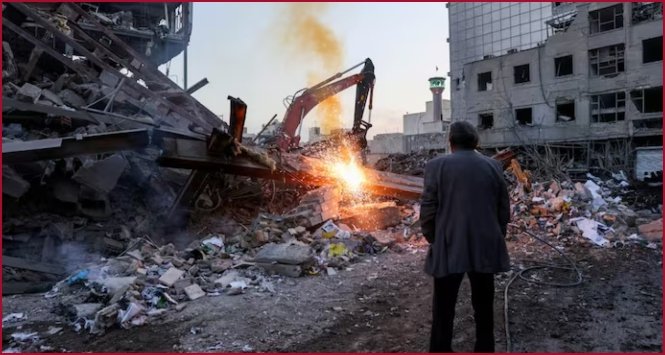
Accra, Ghana – March 3, 2026 – As the US-Israel-Iran conflict enters its third day, marked by deadly airstrikes, missile barrages, and the reported killing of Iran’s Supreme Leader Ayatollah Ali Khamenei, global audiences are flooded with breaking alerts, viral claims, and instant analysis.
In a special segment on Firstpost’s Vantage, veteran journalist Palki Sharma Upadhyay addressed the most pressing viewer-submitted questions to cut through the noise and provide clear, concise answers.
Key points from the explainer:
1. What exactly is happening?
The US and Israel launched attacks on Iran, resulting in the death of Supreme Leader Ayatollah Khamenei. Iran retaliated with missile strikes on US bases and allied interests across the Gulf.
2. Is this war going to get bigger?
It appears likely. The conflict shows no immediate signs of stopping.
3. When will it end?
No one knows. The situation remains highly unpredictable.
4. Will Russia, China, or NATO join the war?
No. Major powers are not expected to enter directly.
5. Will this go nuclear?
Highly unlikely. Nuclear escalation is not anticipated.
6. What role is the United Nations playing?
The UN has condemned the violence but is limited to diplomatic calls for restraint.
7. What does it mean for oil-importing countries like Ghana and other African nations?
It is not good news. Disruptions in the Strait of Hormuz or Gulf supply routes could drive up crude and LNG prices, directly impacting energy costs, inflation, and household budgets in import-dependent economies.
8. Why is the US doing this at all?
The motivation remains unclear even to many Americans—43% disapprove of the strikes according to recent polls.
9. What should you do if you’re stuck in the region?
Do not panic. Follow official advisories, contact your embassy, and stay where you are.
10. Does anyone actually have an exit strategy?
It depends on decisions made by US President Donald Trump.
The segment reflects growing global anxiety over the conflict’s trajectory, with African governments—including Ghana—issuing shelter-in-place advisories, partial embassy evacuations, and travel warnings for nationals in the Gulf and Iran.
The potential for higher oil prices and disrupted shipping routes threatens to reverse recent single-digit inflation gains in oil-importing African countries.
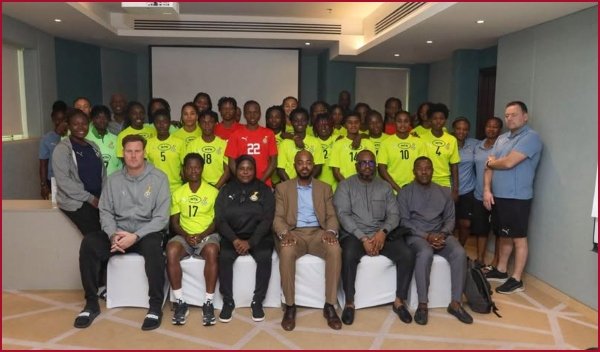
Accra, Ghana – March 3, 2026 – Ghana’s Minister for Foreign Affairs and Regional Integration, Samuel Okudzeto Ablakwa, has commended the staff of Ghana’s Embassy in the United Arab Emirates for their “remarkable patriotism, courage, compassion and professionalism” in providing ongoing consular support and ensuring the safety of the Black Queens national women’s football team, who remain stranded in Sharjah amid the escalating Israel-Iran conflict.
In a Facebook post on March 3, 2026, Minister Ablakwa highlighted the embassy’s efforts to look after the 25 players and 16 officials of the senior women’s national team, who have been confined to the Four Points by Sheraton hotel in Sharjah since UAE airspace was closed following Iranian missile strikes on parts of Dubai on February 28.
The squad arrived in Dubai on February 25 for the Pink Ladies’ Cup preparatory tournament ahead of the 2026 Women’s Africa Cup of Nations in Morocco. They opened with a 4–0 win over Hong Kong but have been unable to play their remaining matches or return home due to widespread flight cancellations across the Gulf.
“No Ghanaian would be abandoned in harm’s way,” the minister declared, reaffirming the government’s commitment to the safety of all citizens abroad.
The embassy has been in constant contact with the team, offering guidance, logistical support, and coordination with UAE authorities as the regional situation remains fluid.
The Foreign Ministry continues to advise Ghanaians in the UAE, Qatar, Bahrain, Kuwait, and other affected countries to shelter in place, avoid unnecessary movement, steer clear of military sites and crowded areas, and register with diplomatic missions. Emergency contact lines remain active: +233 240 913 284 / +233 240 793 072.
The partial resumption of limited flights by Emirates and Etihad from Dubai and Abu Dhabi on March 2–3 has raised hopes for eventual repatriation, but major carriers have not yet announced full schedules, and airspace restrictions persist in several Gulf states.
The Black Queens’ predicament has drawn widespread sympathy in Ghana, with fans, sports authorities, and the public calling for swift government action to secure safe passage home and minimize disruption to their WAFCON preparations.


Ghana’s Top Muslim Leader Condemns Khamenei Assassination, Calls for New World Order Based on ‘Right Over Might’

The New Wave of “Afro-Minimalism”: Redefining Luxury Beyond the Print

The Day After the Parade: Where Accra Goes to Hear Itself Think
-

 News10 hours ago
Ghana Gears Up for Vibrant 69th Independence Day Celebrations: Parades, Plays, Poetry, and Heritage in Focus
-

 Tourism8 hours ago
Emirates Resumes Limited Flights from Dubai as Middle East Airspace Slowly Reopens Amid Ongoing Conflict
-

 Ghana News11 hours ago
Newspaper Headlines Today: Tuesday, March 3, 2026
-

 Ghana News1 day ago
Court Slaps Barker-Vormawor with GH₵5m for Defaming Kan Dapaah and Other Trending Topics in Ghana (March 2, 2026)
-
 Ghana News10 hours ago
Ayawaso East By-Election Results Trickle in, ECG Audits Fast-Reading Meters, and Other Trending Topics in Ghana (March 3, 2026)
-

 From the Diaspora1 day ago
Ghanaians and Other Africans in UAE Flood Social Media with Videos as Iranian Missile Strikes Hit Dubai
-
 Commentary7 hours ago
At a glance: US‑Israel attack on Iran
-
 Fashion & Style60 minutes ago
The New Wave of “Afro-Minimalism”: Redefining Luxury Beyond the Print
Pingback: Top Ghana News Headlines Today (Mid-Morning Edition) — December 29, 2025 - Ghana News Global