
Tourism
Black Expats in Ghana: A New Wave of Diaspora Migration Is Shaping Lives


Ghana’s rise as a preferred destination for African diasporans continues to reshape both its tourism landscape and its global reputation.
A decade after the country launched the landmark “Year of Return” in 2019—a campaign inviting people of African descent to reconnect with their ancestral homeland—Ghana is still experiencing a steady influx of Black expats seeking healing, purpose, and a slower, more grounded way of life.
Reports say an estimated 1,500 Black Americans have relocated since 2020. And in late 2024, the government granted Ghanaian citizenship to more than 500 members of the diaspora, cementing the country’s role as a continental gateway for cultural reconnection.
For many, the draw goes beyond tourism. It’s a quest for belonging.
A New Life Through Food—and Citizenship
When Deijha Gordon left New York City in 2019, burnout had already taken a toll. The post office worker was longing for a change when a 2015 trip to Ghana opened her eyes to a different rhythm of life.
“When I first stepped off the plane, I was amazed by the welcoming atmosphere and culture,” she recalled.
Five years after immigration, Gordon—now a Ghanaian citizen—owns Deijha Vu’s Jerk Hut, a Jamaican food truck that has become a favorite among both locals and tourists. But the journey wasn’t easy. She poured her savings into building a restaurant before the pandemic stalled her progress. When the business faltered, she “had to go back to the drawing board,” ultimately restarting her dream with a food truck.
That decision changed everything. A surprise visit from celebrities including influencer Jessie Woo propelled her business forward—and today she’s planning to franchise, with potential expansion into Nigeria.
Gordon says Ghana forced her to unlearn the “constant pressure to have it all figured out.” What replaced it was a calmer, more communal lifestyle. “In Ghana, people want to help you, even with the little things. I had to learn to accept that.”
Healing in a Place Where “the Weight Falls Off”
For illustrator Nicole Updegraff, Ghana was less a fresh start and more a profound emotional reset. She moved to Accra in 2015 with her family after her husband took a U.S. Embassy assignment—and what she found fundamentally reshaped her understanding of freedom.
“When you grow up in the U.S., there is an armor you have to put on as a Black person,” she said. “Those feelings were gone in Ghana.”
Her years in Accra coincided with nationwide protests in the United States over the police killings of Michael Brown, Philando Castile, Tamir Rice, and others. Watching the news from Ghana, she felt the magnitude of the contrast:
“Being there was more than relief; it was safety.”
Life wasn’t without its challenges—power outages, mosquito nets gone rogue, or adjusting to local rhythms—but she says the community made the transition bearable. A nanny, housekeeper, and gardener became “lifelines” who held her family together. “They became our family.”
Updegraff now lives back in the U.S., but says Ghana imprinted something permanent: “Ghana anchored me as a Black American. It made me feel like I always had a place to go home.”
Ghana as a Tourism and Cultural Haven
As tourism continues to rebound globally, Ghana stands out—not for luxury resorts or tropical beaches alone, but for its cultural gravity. For travelers of African descent seeking reconnection, the country offers more than sightseeing. It offers grounding.
Visitors today can explore everything from bustling markets in Accra to the somber historical sites along the Cape Coast. But increasingly, the country is attracting people interested in long-term stays, community, entrepreneurship, and spiritual restoration.
Advice for Would-Be Movers
Both expats share similar wisdom:
- Visit first—walk the markets, talk to locals, learn how the city hums.
- Manage expectations—Ghana is growing, evolving, and wonderfully imperfect.
- Be open-minded—especially if you’re coming from Western fast-paced cultures.
- Let go of hyper-independence—community support is woven into daily life.
“Don’t compare it to the places you’ve been,” Updegraff stressed. “That can be a recipe for disappointment.”
A New Kind of Homecoming
A decade after the Year of Return, Ghana’s call to the African diaspora remains strong. For some, the journey offers peace. For others, opportunity. And for many more, it offers the one thing they didn’t realize they were missing: a place that feels like home.
As Gordon put it, “I am not the same person I was a few years ago. Ghana changed my life tremendously.”
For the growing number of Black expats making the move—or dreaming of one—Ghana continues to promise not just travel, but transformation.
Editor’s note: This story has been culled from an article published on Travel Noire. Read the original article here.




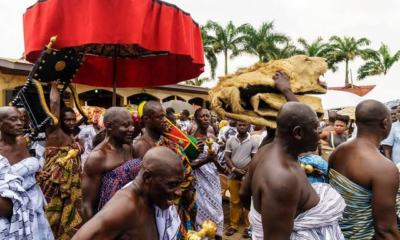







Long before Ama Ata Aidoo became one of Africa’s most celebrated literary voices, her future was shaped by a decision that defied convention. In the 1940s, when educating girls was far from the norm in many parts of colonial Ghana, her father chose a different path.
He established a school in his compound and ensured his daughter received a formal education—a choice that would eventually influence African literature for generations.
Born in 1942 into a chiefly family in Saltpond, in Ghana’s Central Region, Aidoo grew up surrounded by storytelling and a strong sense of community. Family history also left a lasting impression.
According to accounts, the death of her grandfather during the colonial era inspired her father to see education as a powerful form of resistance and empowerment.
That foundation bore remarkable fruit. After attending Wesley Girls’ High School and studying English at the University of Ghana, Aidoo published The Dilemma of a Ghost in 1964 at just 22 years old.

Appearing only seven years after Ghana gained independence, the play became one of the first works by an African woman to earn international recognition.
Through stories exploring identity, migration, family and the relationship between Africa and the West, she helped redefine how African experiences were presented on the global stage.
Her influence reached far beyond literature. Aidoo served as Ghana’s Minister of Education, contributed to educational development in Zimbabwe, taught at universities across several countries, and mentored countless young writers, particularly women, throughout her career.
When she passed away in May 2023 at the age of 81, Ghana honoured her with a state funeral—a reflection of a life that transformed both education and literature.
Ama Ata Aidoo’s greatest legacy may not simply be the books she wrote, but the generations she inspired to tell their own stories with confidence and authenticity.
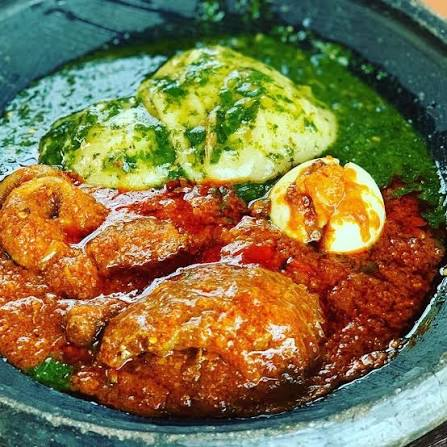
Some dishes do more than satisfy hunger—they tell the story of a people.
In northern Ghana, Tuo Zaafi, affectionately known as TZ, is one such meal, bringing together tradition, nourishment, and a sense of home in every serving.
Prepared from millet or maize flour, Tuo Zaafi has a remarkably smooth, velvety texture that sets it apart from many staple foods across West Africa.
It is carefully stirred over heat until it reaches a soft consistency, making it ideal for soaking up the rich flavours of the soups it accompanies.
The true magic of TZ lies in what surrounds it. It is most commonly paired with a vibrant green soup made from fresh leafy vegetables such as ayoyo or alefu, often enriched with local spices, tomatoes, onions, and sometimes tender cuts of beef, goat, fish, or guinea fowl.
The result is a meal that is earthy, savoury, and deeply comforting. Each spoonful balances the mild taste of the TZ with the fragrant, slightly slippery texture of the greens, creating a combination that generations of Ghanaians have cherished.
Beyond its flavour, Tuo Zaafi reflects the agricultural heritage of northern Ghana, where millet and maize have sustained communities for centuries. The dish frequently appears at family gatherings, celebrations, and everyday meals, symbolising hospitality and togetherness. Visitors to the region quickly discover that sharing a bowl of TZ is often an invitation into local culture as much as it is an invitation to dine.
Its nutritional appeal adds to its enduring popularity. Millet is naturally rich in fibre and essential minerals, while the leafy soup provides vitamins and antioxidants, making the meal both hearty and wholesome.
For travellers eager to understand Ghana through its cuisine, Tuo Zaafi offers an authentic taste of the north—simple in appearance, generous in flavour, and deeply woven into the country’s culinary identity.
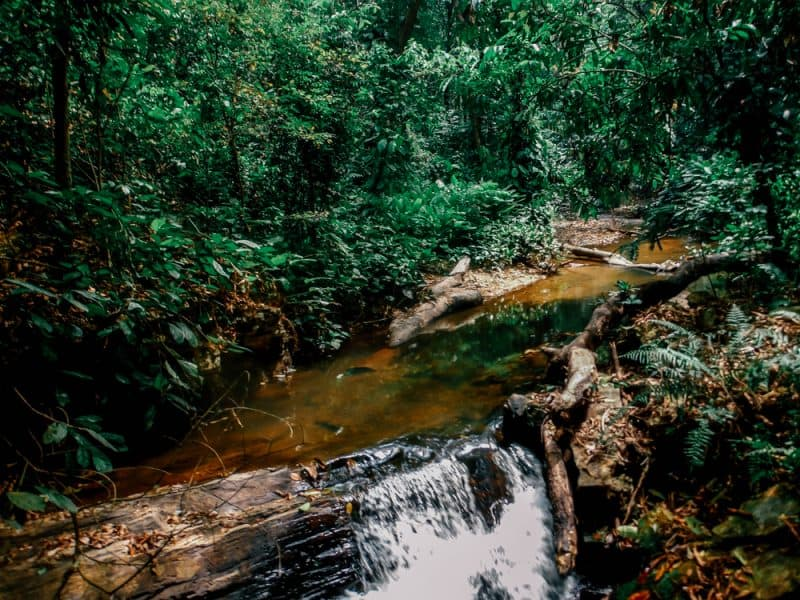
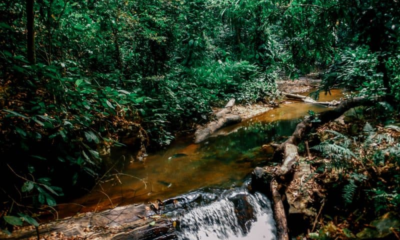
In Ghana’s Volta Region, the journey is just as rewarding as the destination. Here, waterfall hopping isn’t simply a day trip—it’s an invitation to experience some of the country’s most spectacular landscapes, where forest trails, mountain scenery, and cascading water come together unforgettably.
Among the region’s many natural treasures, Wli Waterfalls stands apart. Tumbling nearly 1,600 feet from the cliffs of the Agumatsa Wildlife Sanctuary, it is the tallest waterfall in West Africa and one of Ghana’s most celebrated attractions.
Reaching the lower falls requires a scenic 40-minute walk through lush vegetation, with butterflies fluttering overhead and birds providing a constant soundtrack.
For more adventurous hikers, the steep two-to-three-hour climb to the upper falls offers dramatic views and a quieter encounter with nature.
But Wli is only one chapter in the Volta Region’s waterfall story. The equally captivating Tsatsadu Falls, tucked within the mountain communities near Liati Wote, rewards visitors with peaceful surroundings and refreshing pools after a moderate trek.
Nearby, Tagbo Falls offers another distinctive experience, where a gentle forest walk leads to a striking cascade framed by dense greenery.
Together, these waterfalls reveal why the Volta Region has become one of Ghana’s leading eco-tourism destinations. Each trail introduces visitors to thriving forests, welcoming rural communities, and landscapes that remain remarkably unspoiled.
For international travellers, waterfall hopping provides a chance to discover a side of Ghana often overshadowed by its bustling cities and historic coastline.
For Ghanaians, it is a reminder that some of the country’s greatest treasures lie hidden among the eastern highlands, waiting to be explored one trail—and one waterfall—at a time.


How One Father’s Decision Helped Ama Ata Aidoo Become a Global Literary Icon

Meet the Two Ghanaians Who Have Hauled South Africa to the ICC Over Xenophobic Violence

From London to Vancouver to Toronto: The Growing Trend of Asylum Claims at Global Sporting Events
-

 Ghana News17 hours ago
In Photos: Ghana’s Military-led Flood Mitigation Task Force Clears Waterways Building by Building
-
 Ghana News16 hours ago
Meet the Two Ghanaians Who Have Hauled South Africa to the ICC Over Xenophobic Violence
-

 Africa Watch2 days ago
Shame on Him! Ramaphosa Attempts a Guilt-Ridden Diplomatic Offensive as he Seeks to Mend Strained Ghana Ties After Xenophobic Attacks
-

 Ghana News2 days ago
Top 10 Headlines from Ghanaian Newspapers: Friday, July 24, 2026
-

 Ghana News2 days ago
Waiting in Long Queues: Mahama Recalls Pandemic Trauma as He Pushes for Vaccine Self-Sufficiency Across Africa
-

 Health & Wellness2 days ago
Why That Lower Belly Isn’t a Problem Most Women Need to Fix
-

 News1 day ago
British Woman Jailed Six Years After Hong Kong Court Rejects Rape Allegation
-

 Festivals & Events1 day ago
Where History Walks Again: Inside Saltpond’s Colourful Odambea Festival