Tourism
5 Things You Need to Know About Ghana’s Visa-Free Entry for All Africans


Ghana is set to become the fifth country in Africa to grant visa-free access to all African passport holders.
The landmark policy, announced by President John Mahama, will take effect on May 25, 2026 — coinciding with Africa Day celebrations.
Here is everything you need to know about the historic shift.
1. The Policy Takes Effect on Africa Day, May 25
President John Mahama announced the new visa-free regime during the first state visit of Zimbabwean President Emmerson Mnangagwa to Ghana, according to Foreign Affairs Minister Sam Okudzeto Ablakwa.
The policy will officially come into force on May 25 — a symbolic date chosen to align with Africa Day, the annual commemoration of the founding of the Organization of African Unity (now the African Union).
2. Ghana Becomes the 5th African Country to Offer Visa-Free Access to All Africans
With this move, Ghana joins a small but growing group of African nations that already allow visa-free entry to all African nationals. The other four countries are:
- Benin
- The Gambia
- Rwanda
- Seychelles
Ghana is now the fifth country on the continent to adopt such a policy, marking a significant shift in its travel and immigration framework.
3. The Policy Builds on a 2025 Promise That Did Not Materialize
The visa-free initiative was originally introduced under former President Nana Akufo-Addo, who announced visa-free travel for all African passport holders in his final State of the Nation Address in January 2025.
However, the measure — initially expected to take effect in 2025 — did not materialise as planned before the end of his tenure. The Mahama administration has now implemented the policy.
4. It Will Be Linked to a Broader E-Visa Rollout Next Month
The visa-free regime will not stand alone. It forms part of a broader reform of Ghana’s immigration system, including the introduction of a new e-visa platform expected to launch next month.
Authorities say the system is designed to streamline entry processes while maintaining border controls. The visa-free regime will form part of this broader e-visa system set to be launched by the Mahama administration next month, according to Foreign Affairs Minister Ablakwa.
5. The Policy Aims to Boost Tourism, Trade, and Pan-Africanism
Ablakwa noted that the policy is aimed at reinforcing Ghana’s position as the cradle of Pan-Africanism, while unlocking gains in tourism and intra-African trade through the reform.
The introduction of visa-free entry for all Africans is expected to support increased mobility across the continent, with potential implications for tourism, business travel, and regional integration. The move aligns with broader continental efforts to ease movement under frameworks such as the African Continental Free Trade Area (AfCFTA).
Bonus: Ghana Is Also Expanding Travel Access for Its Own Citizens
Ghana’s government has also been expanding travel access for its own citizens. The Foreign Ministry said 23 visa waiver agreements have been negotiated for Ghanaian passport holders since last year.
Summary Box:
| Policy | Visa-free entry for all African passport holders |
|---|---|
| Effective date | May 25 (Africa Day) |
| Announced by | President John Mahama |
| Number of African countries with similar policy | 5 (Benin, Gambia, Rwanda, Seychelles, Ghana) |
| Linked reform | New e-visa platform launching next month |
| Key goals | Pan-Africanism, tourism, intra-African trade, AfCFTA alignment |














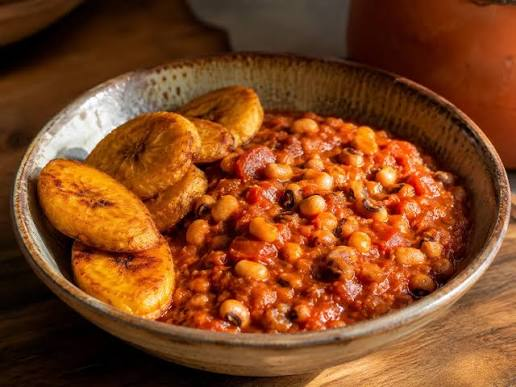
There is something irresistible about a plate of Red Red—the rich crimson sauce, sweet golden plantain on the side, and the comforting aroma that fills the air long before the first bite.
One of Ghana’s most loved bean dishes, Red Red takes its name from its striking colour, created by ripe tomatoes and vibrant red palm oil.
The result is a hearty meal that balances deep, savoury flavours with a gentle sweetness, making it a favourite from bustling street food stalls to family dining tables.
At its heart are soft, slow-cooked black-eyed beans that soak up a fragrant tomato stew infused with onions and spices. The red palm oil adds an earthy richness and a distinctive aroma that gives the dish its unmistakable character.
Pair it with fried ripe plantains, and every mouthful becomes a satisfying contrast of creamy beans and caramelised sweetness.
Many Ghanaians complete the meal with a boiled or fried egg, turning an already generous dish into an even more filling feast.
Red Red has earned its place as more than comfort food. Beans provide plant-based protein and fibre, while tomatoes contribute vitamins and antioxidants. Red palm oil, used in moderation, also contains beta-carotene, which the body converts into vitamin A.
Visitors discovering Ghanaian cuisine for the first time often remember Red Red because it feels both familiar and exciting.
It’s simple enough for home cooks to recreate, yet packed with flavours that reflect Ghana’s talent for transforming everyday ingredients into memorable meals.
Whether enjoyed for lunch, dinner, or as a satisfying weekend treat, Red Red remains one of the country’s proudest culinary classics.
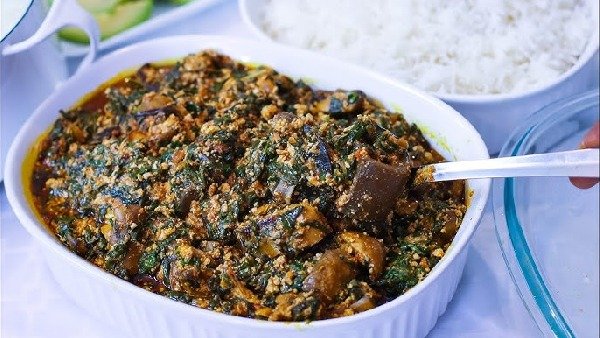
A steaming bowl of Ghanaian stew has a way of filling a room before the first bite is taken, with the rich scent of palm oil, tomatoes, fresh greens and spices inviting everyone to the table.
Few dishes capture Ghana’s love for bold, home-cooked flavours better than kontomire stew, palava stew and okro stew. Though they share familiar ingredients, each brings its own character to the plate.
Kontomire stew is built around cocoyam leaves, known locally as kontomire, one of Ghana’s most treasured ingredients. Blended with tomatoes and egusi, the ground seeds of a melon variety, it develops a creamy, nutty depth that balances the earthy taste of the greens.
It is a favourite alongside boiled yam, ripe fried plantain or rice, making it a comforting meal across generations.
Palava stew takes that familiar foundation and adds more layers. Spinach and amaranth leaves, also known as callaloo, join the cocoyam leaves, while some cooks stir in egusi for extra richness.
The result is a hearty, vibrant stew that reflects the creativity of Ghanaian home kitchens, where recipes often carry a family’s own signature touch.
Then there is okro stew, instantly recognisable for its glossy texture. A tomato base cooked with red palm oil, onions and spices surrounds finely chopped okra, creating a silky stew that pairs beautifully with boiled plantain, yam, rice or other grains.
Beyond their unforgettable flavour, these stews celebrate ingredients that are naturally rich in vitamins, fibre and plant-based nutrients.
Together, they tell the story of a cuisine that transforms humble harvests into meals people return to time and again.
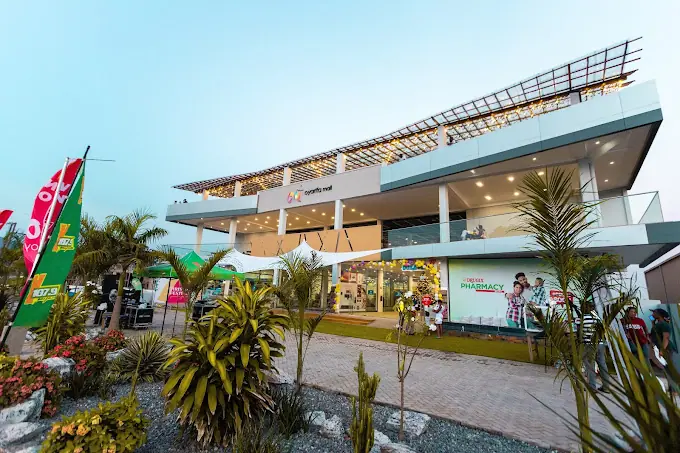
The drive from Accra to Aburi has long been part of the experience—the city gradually gives way to cooler hills and greener scenery.
Now, there’s another reason people are slowing down along the route: Oyarifa Mall, a fast-growing lifestyle destination that’s turning a roadside stop into a day out.
Located just off the N4 Highway in Oyarifa, about 25 kilometres from Accra Mall, the complex has become a natural meeting point for families, commuters and weekend travellers.
Its position also makes it an easy stop before or after a visit to the famous Aburi Botanical Gardens, roughly 15 kilometres away.
The appeal lies in variety. Visitors can stock up on groceries at O-Mart Express, browse African prints at Nakus Fashion, pick up fresh produce from FarmFresh, or squeeze in errands at the pharmacy and dental clinic without leaving the same complex.
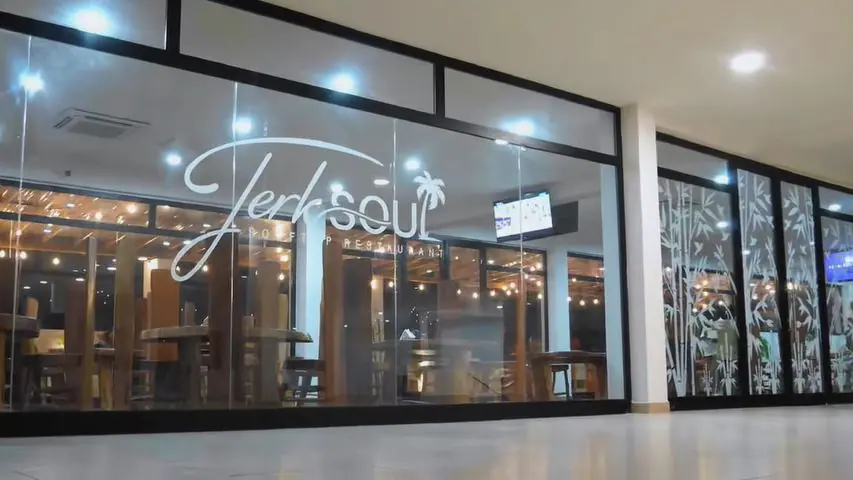
Food is another draw. Wild Wheat Café offers breakfast and pastries, while Jerk Soul Rooftop Restaurant & Lounge pairs Caribbean-inspired comfort food with elevated views.
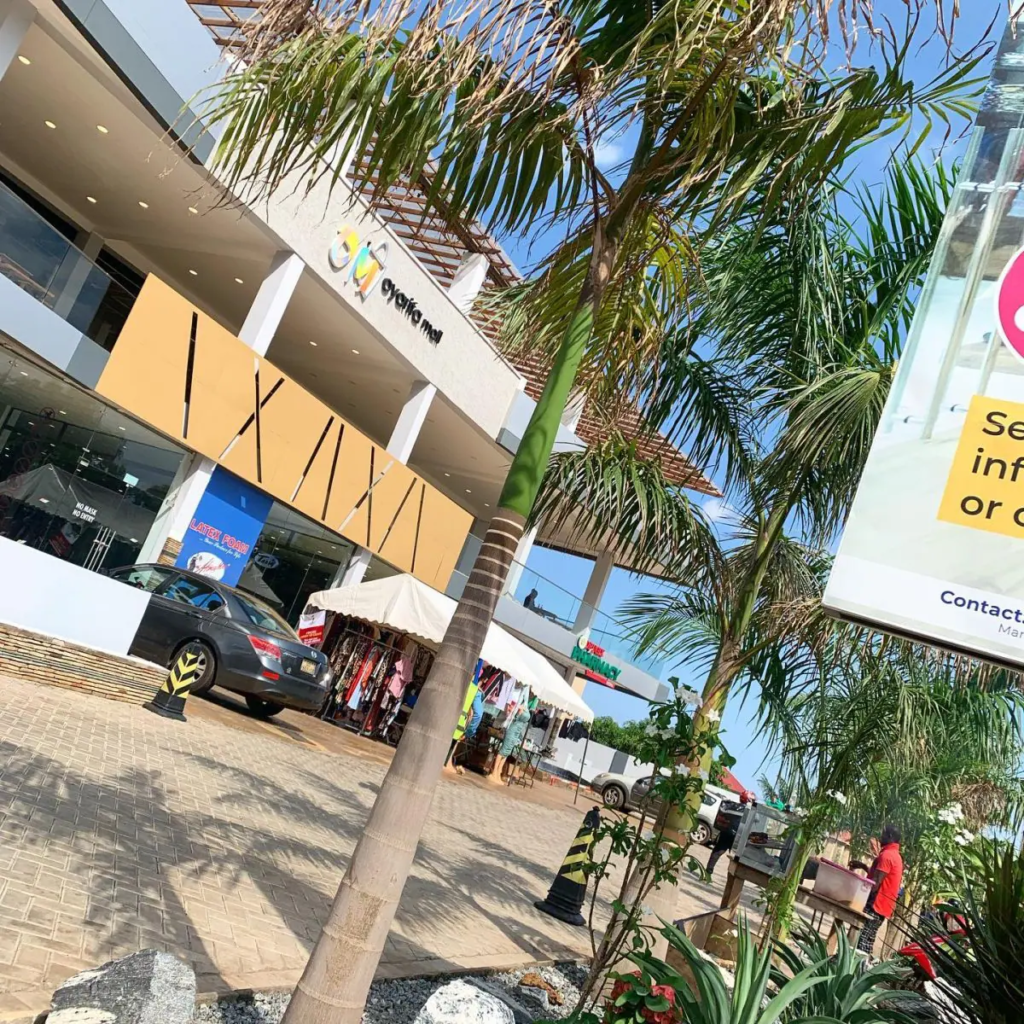
Those craving local flavours can settle into the cosy atmosphere of Cloud Nyn Bar and Restaurant, before rounding off the visit with a scoop from Nela Ice Cream Parlour.
Entertainment stretches beyond dining. Children can burn off energy at Wiggly Piddly Fun House or the Gap Learning Zone, film lovers can head to Ozone Cinema, gamers can explore Cangaru VR, and fitness enthusiasts can work out at The Basement Gym.

Even remote workers have a place at Spaces, the mall’s co-working hub.
Oyarifa Mall reflects the changing face of Accra’s expanding suburbs. It isn’t simply a shopping centre—it’s becoming a community gathering place where errands, leisure and local culture comfortably share the same address.