
Tourism
How HBCUs Are Bringing African American Students Home to Ghana

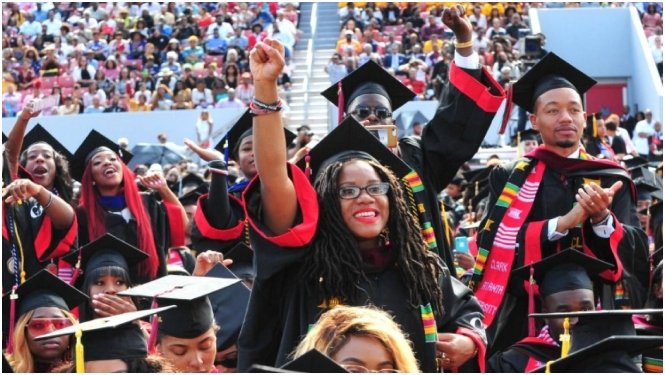
A growing movement is connecting African American students to the African continent, and historically Black colleges and universities (HBCUs) are leading the charge.
In March 2026, a group of students from Clark Atlanta University traveled to Ghana for a seven-day immersive experience that took them from the solemn dungeons of Cape Coast Castle to the wildlife of Safari Valley.
The journey, organized through the university, reflects a broader push by HBCUs and the HBCU Africa Education Coalition to facilitate diaspora reconnection through educational travel.
For many of the students, it was their first time setting foot on the African continent.
A Journey of History and Healing
The itinerary included visits to Assin Manso, where enslaved Africans took their final bath before being marched to the coast, and Cape Coast Castle, a UNESCO World Heritage site where thousands were held in darkness before being shipped across the Atlantic.
At the castle’s Door of No Return—historically the final exit for millions who never saw their homeland again—the students participated in a Returnee Ceremony, a symbolic reversal of history that welcomed them back as family rather than captives.
“They didn’t just walk out in chains. In fact, they were welcomed back,” the video documenting the trip noted.
Student Reflections
For McKenna Williamson, a junior psychology major from Clark Atlanta, the experience was deeply personal.
“I feel like I’ve really found myself here and I’m home,” she said. “I haven’t felt home in a while. And I feel like just being here and experiencing everything has just really—it’s transformational. It’s indescribable.”
Salem Margarita Walton, a third-year political science scholar, described the journey as life-changing.
“I remember the last bath and experiencing nothing like that ever,” she said. “I feel like my life has changed. I’m so grateful for this opportunity. We’ve built family. We all went to the same campus, but we are now actually meeting each other.”
Giani Malloy, a second-year fashion design major, said she gained a new perspective on community.
“I feel like the people here have a very deep sense of selflessness that I also want to bring back to my home,” she said.
A Broader Movement
The Clark Atlanta trip is part of a larger initiative facilitated by the HBCU Africa Education Coalition, which works to create pathways for HBCU students to study, travel, and connect with the continent. The coalition organizes educational tours, study abroad programs, and cultural exchanges designed to deepen ties between African Americans and Africa.
Organizers of the March trip noted that there are many more students waiting for similar opportunities. A call for donations to support the next group traveling in May has been issued, with funds going directly to student participants.
More Than a Trip
As the students departed Ghana after seven days, the journey was described not as an ending but as a beginning.
“Leaving Ghana didn’t feel the same as arriving,” the documentary narrator reflected, “because they weren’t just leaving Ghana, but they were leaving a part of themselves.”
With HBCUs and organizations like the HBCU Africa Education Coalition continuing to facilitate such experiences, more students are expected to make the journey—turning what was once a forced departure into a voluntary return.









From rooftop cocktails above the city to comforting Ghanaian favourites delivered to your door, this Accra neighbourhood offers plenty of ways to satisfy a good appetite.
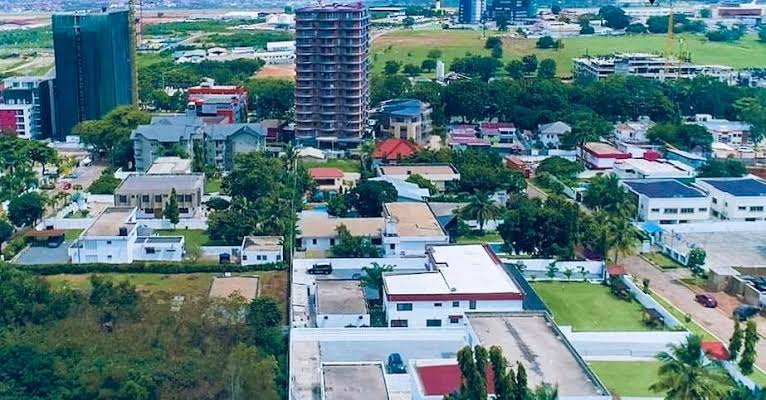
In Airport Residential Area, a good meal can come with a view of Accra’s skyline, the aroma of freshly grilled meat or the comforting taste of a familiar Ghanaian dish after a long day.
Located close to Kotoka International Airport, this sought-after neighbourhood combines residential convenience with easy access to shopping centres, hotels and restaurants.
For residents and visitors alike, its dining scene offers an appealing reason to explore beyond the usual commute.
Dining Above the City
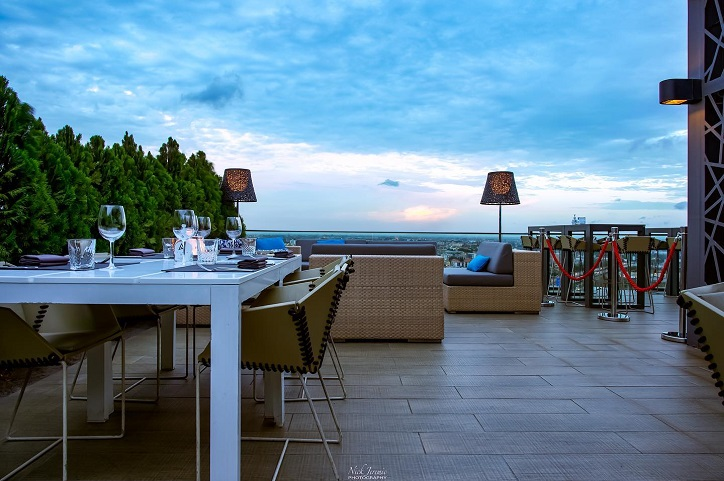
One of the area’s most recognisable attractions is Skybar, located in the ICON House building, widely known for its elevated views across Accra.
The experience brings together food, drinks and the spectacle of the city from above, making it an appealing choice for evening outings, social gatherings and special occasions.
Yet the neighbourhood’s food appeal extends beyond rooftop dining and international menus. Accra’s culinary character is also shaped by the everyday dishes that bring people together.
Ghanaian Comfort on the Menu
For those seeking local flavours, Ghanaian favourites offer a satisfying introduction to the country’s food culture. Jollof rice, fragrant with tomatoes, spices and peppers, remains a popular choice, while waakye combines rice and beans with accompaniments such as fish, boiled eggs, spaghetti and spicy shito.
Grilled tilapia with banku delivers smoky aromas and a satisfying contrast between tender fish and fermented corn-and-cassava dough. For something lighter, fresh fruit and vegetable dishes can provide welcome balance.
These foods carry cultural significance beyond the plate, connecting diners to family traditions, street-food vendors and the everyday rhythms of Ghanaian life.
Convenience Without Compromising Taste
When cooking feels like too much effort, food delivery services offer another way to enjoy Accra’s diverse menus, from local staples to international cuisine.
Airport Residential Area’s appeal lies in this flexibility: whether dining out or ordering in, there is room to experience Ghana through its flavours.
Sights and Sounds
Mind Craft Camps Accra Turns School Holidays into Adventures in Creativity and Discovery

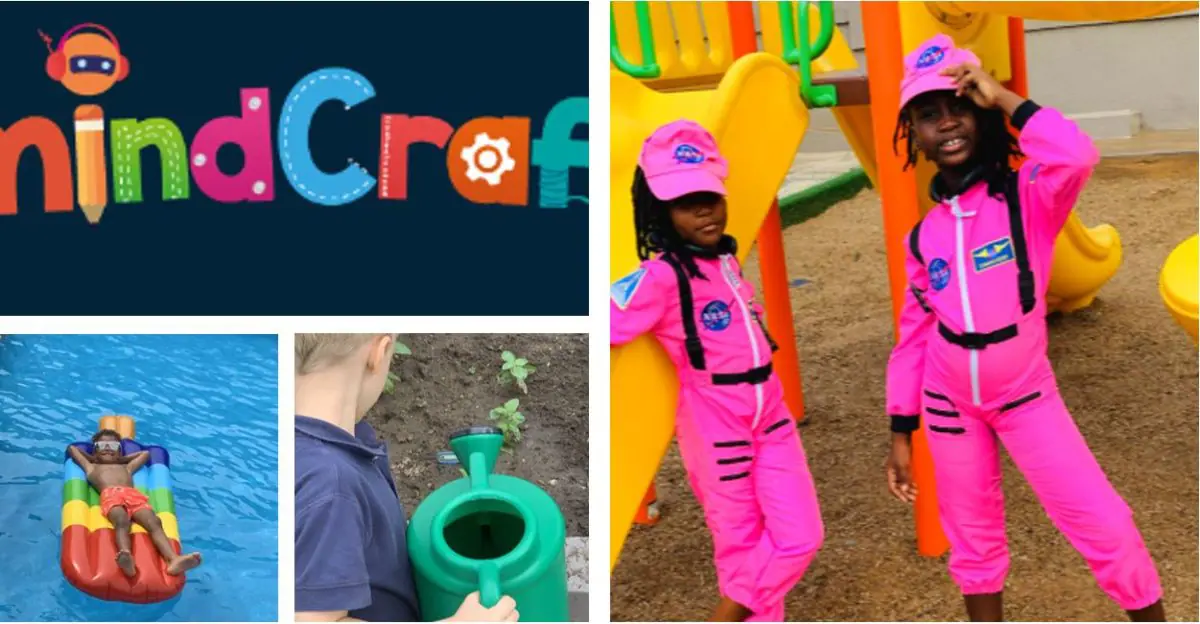
For children, a school holiday is an invitation to explore, imagine and play. For parents, finding activities that keep young minds engaged while providing a safe, supervised environment can be a challenge.
In Accra, Mind Craft Camps offers a way to bring both needs together, turning school breaks into opportunities for creativity, discovery and practical learning.
Organised by Cheeky Monkey Club, a provider of holiday camps in Ghana’s capital, Mind Craft is a multi-activity, outdoor-based programme built around invention literacy and skill development.
Its approach gives children room to enjoy their holidays while engaging in imaginative activities designed to encourage curiosity and new skills.
The camps run around school holidays throughout the year, with the summer programme taking place from July through August. Sessions run from 9am to 3pm and welcome children aged three to 12, offering families a structured option during the long school break.
A key feature is the way children are grouped according to age. Participants aged three to five, six to eight, and nine to 12 are placed in separate groups, allowing activities to be suited to their different stages of development.
This arrangement helps ensure that younger children and older participants can engage with programmes appropriate to their abilities and interests.
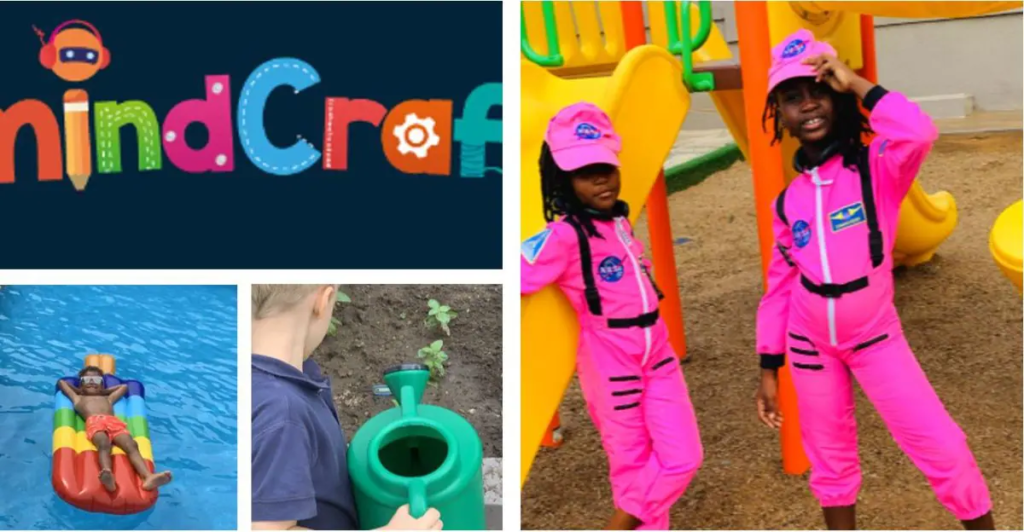
Located in East Legon and Cantonments, Mind Craft also offers parents flexibility when planning their children’s holiday schedules. Depending on availability, families can choose drop-in sessions, half-day or full-day attendance, bookings for the entire summer, or weekly packages.
Fees are charged in Ghanaian cedis, with options starting from GH₵100, making it possible for parents to consider different arrangements based on their schedules and budgets.
By combining outdoor activities, supervised play and skill-building, Mind Craft Camps presents school holidays as more than a pause from classroom learning.
They become an opportunity for children to experiment, make discoveries and develop their abilities while enjoying the freedom of play.
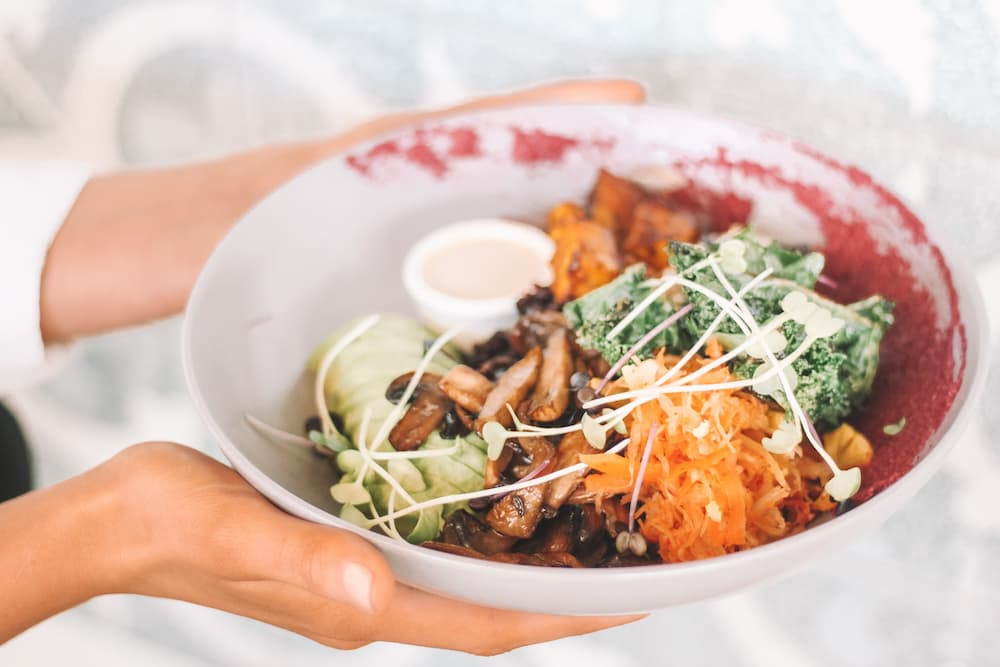
In Accra, a single day of eating can take you from the warmth of Indian spices to the delicate flavours of Chinese cuisine, with Mexican tacos or Ethiopian dishes waiting around the corner.
Ghana’s capital has developed an international dining scene that reflects its growing connections with communities and cultures from across the world.
A taste of India and China
Indian cuisine has found a lasting home in Accra, supported by longstanding ties between Ghana and India. Across the city, Indian restaurants introduce diners to aromatic curries, fragrant rice dishes, freshly baked flatbreads and spice-rich sauces.
The appeal lies in the layers of flavour, from warming ginger and cumin to the gentle heat of chilli.
Chinese cuisine also has a strong presence. Beyond familiar stir-fries and noodle dishes, adventurous diners can explore traditional Chinese breakfast foods, which may include congee, steamed buns, dumplings and savoury pancakes. These meals offer a glimpse into everyday food traditions that differ from the usual restaurant favourites.
Accra’s international offerings extend to Mexican, Spanish and Ethiopian food, giving residents and visitors opportunities to experience different culinary traditions without leaving the city.
Vegetarian dining finds its place
For vegetarians and vegans, Accra is becoming easier to navigate. Although meat features prominently in many Ghanaian meals, plant-based diners can explore vegetarian-friendly restaurants and ask about meat-free adaptations of familiar dishes.
Ghanaian cuisine itself offers plenty of possibilities, including red-red, made with beans and often served with fried plantain, as well as kontomire stew and vegetable-based soups. Ingredients and preparation methods vary, so diners following strict vegan diets should check whether dishes contain fish, meat stock or other animal products.
A city best explored through food
For international visitors, Accra’s restaurants provide a delicious introduction to the city’s global connections. For residents, they offer opportunities to discover new flavours and revisit familiar favourites.
Whether you crave a fiery curry, a comforting bowl of congee or a satisfying plant-based meal, Accra’s dining scene invites you to travel through food, one plate at a time.


Funding Fears Loom For Ghana’s Life-Saving Malaria Vaccine Five Years After Roll Out

‘There was a Coordinated Disclosure Plan’: AI-Discovered Flaw in PHP Triggers Global Internet Chaos as Cybercriminals Race to Exploit It

Yandex Strikes: Can Moscow Host Africa Under Drone Threat?
-
 Sights and Sounds2 days ago
Mind Craft Camps Accra Turns School Holidays into Adventures in Creativity and Discovery
-
 Ghana News3 hours ago
Major Sexual Abuse Scandal Rocks Ghana High School: Obuasi School Headmaster Sues Journalist for GH¢2 Million as Investigation Into Alleged Misconduct Widens
-

 Reels & Social Media Highlights20 hours ago
Ghana’s Digital Heartbeat: Outrage, Satire, and the Fight for Accountability
-

 Festivals & Events8 hours ago
Compozers Fest Ghana Edition: Welcoming 2027 with Music in Accra
-
 Taste GH8 hours ago
Airport Residential Area: Where Accra’s Dining Scene Meets Global Flavours
-

 Fashion & Style1 day ago
Wyclef Jean Gives Ghanaian Kaftan a Global Spotlight After ‘Chineke’ Fashion Inspiration
-

 Health & Wellness1 day ago
Beyond Bigger Muscles: Why Strength Training Matters for Healthy Ageing
-

 Health & Wellness20 hours ago
Four Everyday Lifestyle Habits That Can Make Weight Loss Easier