
Tourism
One Londoner Sold Everything to Move to Ghana and Never Looked Back: This is Her Story


In a world constantly searching for belonging, Krupa Brokwaa’s answer was not a new job or a bigger house, but a leap of faith across a continent.
At 25, she and her husband sold everything in London, heeded a spiritual calling, and moved to Ghana—a country she had never even visited. Now, nearly five years later, she declares with unwavering conviction: “I would never move back.”
In a candid interview on Vanessa Kanbi’s YouTube channel, Brokwaa, a British woman of Indian heritage, peeled back the layers on a decision that many would consider radical. Her story is not one of a carefully calculated career move, but a profound personal journey driven by faith, family, and a search for a more meaningful existence.
“It was a God thing,” Brokwaa explains, recalling how random Ghanaian videos appeared on her YouTube feed during the COVID-19 lockdown, a period she describes as walls closing in.
Married to a Ghanaian man, the couple had previously been at a crossroads between moving to India or Ghana. The digital nudge was all she needed. After receiving what she believed were spiritual confirmations, including a prophetic dream, they booked their tickets. In a stunning twist, they discovered she was pregnant just two weeks before the move.

The Reality of the Leap: ‘Water on Tuesdays and Fridays’
The initial transition was a “huge bang” of culture shock. The dream of a seamless new life collided with the reality of intermittent utilities—a stark contrast to London’s invisible infrastructure.
“The water situation for me was a big shocker,” she admits. “Water comes in on Tuesdays and Fridays… Nobody mentioned this.” The constant dust and architectural differences from UK homes were other initial hurdles. “You pay your bills in the UK, but you don’t think about how [water and electricity are] coming in and how it’s going out. But then you get here and it’s like… you’re going to have to deal with it.”
Yet, this adversity bred resilience.
A pivotal piece of advice—”grind it out for the next two years, don’t go anywhere”—became their mantra. They committed to staying through the “tears, sweat, and blood.”
The Unshakeable ‘Pros’: Freedom, Peace, and Raising Black Sons
For Brokwaa, the challenges are vastly overshadowed by the profound benefits she’s found in Ghana.
“I just love the freedom and the peace,” she says, a sentiment she admits is hard to quantify but is felt in the ease of daily life. This extends powerfully to motherhood. Having given birth to both her children in Ghana, she now raises them with a deep sense of cultural confidence.
“I feel so confident that my son, my black son, is being raised around people that are black, too,” she shares, voicing a fear for the lifespan and safety of Black boys in London.
She also cherishes the preserved innocence she sees in Ghanaian teenagers, a contrast to the accelerated adulthood she witnessed in the UK.
A Cultural Bridge, Not a Barrier
As a British Indian in Ghana, Brokwaa has found surprising cultural harmony, noting similarities between Indian and African family values. While she occasionally senses subtle dynamics when seen with her Ghanaian husband, she is quick to dismiss any comparison to the discrimination she experienced in the UK. “It’s not even comparable,” she states.
Her resolve is absolute.
When asked if she would ever return to the UK, her answer is a swift, “Never. Please don’t even put that into the atmosphere.” She hasn’t returned in five years and has no desire to, suggesting family meet elsewhere for visits. “I feel like I spent enough of my life there.”
Krupa Brokwaa’s story is a powerful testament to the growing trend of reverse diaspora and intentional living.
It’s a narrative that enriches Ghana’s appeal, not just as a tourist destination, but as a place to build a life—rooted in community, faith, and an unparalleled sense of belonging.








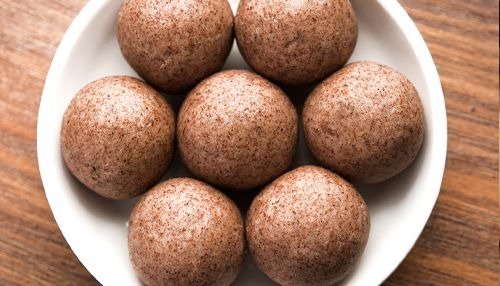
Compact, filling and made from one of West Africa’s most treasured grains, Kapala shows how Ghanaian food traditions turn simple ingredients into practical nourishment for everyday life.
Known as millet balls, Kapala is prepared by cooking millet and moulding it into firm, round shapes.
The result is a humble food with a pleasantly grainy texture and a mild, earthy flavour that allows it to pair beautifully with a variety of accompaniments.
A Taste of Ghanaian Food Heritage
Kapala’s appeal lies in its versatility. It can be served alongside soup, where the millet balls provide a satisfying base for a hearty meal, or enjoyed with milk for a simpler combination.
For those who prefer a savoury kick, a spicy groundnut-based sauce offers a delicious contrast, bringing creamy nuttiness and heat to the grain’s gentle flavour.
Millet has long been valued in parts of Ghana and across West Africa, particularly in communities where traditional grains remain important to everyday cooking.
Kapala reflects a practical approach to food: preparing a staple that can be carried easily and eaten when needed.
For farmers heading to their fields, its compact shape makes it convenient to transport and consume during a demanding working day. It is a reminder that traditional food can be both culturally meaningful and adapted to the realities of rural life.
Nourishment in Every Bite
Millet provides carbohydrates for energy, along with dietary fibre, minerals and other nutrients.
Its fibre content can support digestive health, while its carbohydrates help fuel physical activity. The overall nutritional value of Kapala depends on how it is prepared and what accompanies it.
For international visitors exploring Ghanaian cuisine, Kapala offers an opportunity to appreciate the ingenuity behind everyday local foods. Its simplicity is part of its charm: a familiar grain transformed into a portable, nourishing staple.
In every rounded ball is a story of resourcefulness, agricultural heritage and the enduring connection between Ghanaian food and daily life.
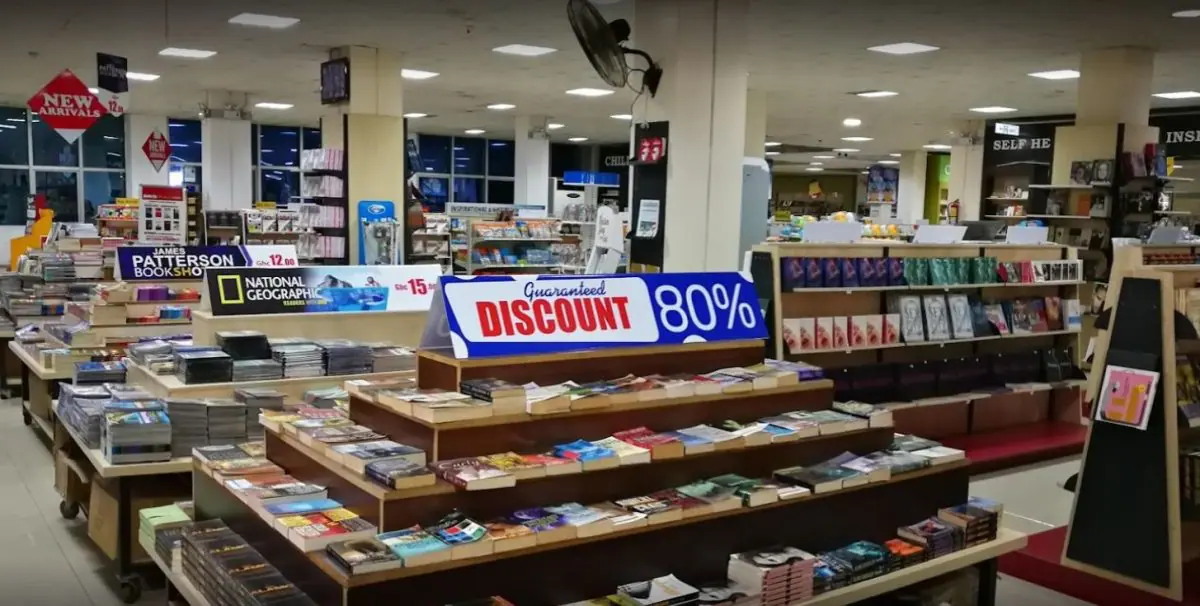
A child searching for their first picture book, a university student hunting for a prescribed textbook or a reader hoping to find their next favourite novel can all begin their search at the same place: EPP BookShop at Legon City Mall.
Located at 7 Lagoon Street, off Giffard Road, the Legon branch brings together books for different ages, interests and stages of learning.

Its appeal lies in the range of titles available, making it a useful stop for families preparing children for school, students pursuing higher education and readers looking beyond the classroom.
From a Small Accra Shop to a Growing Book Business
EPP Books began in 1991 as a modest bookshop in Accra, occupying a space of no more than 20 square metres.
Over the years, it grew into a chain with branches across the West African sub-region, expanding its reach beyond its original location.
That journey reflects the continuing need for accessible books in homes, schools and educational institutions.
For many learners, textbooks and supplementary readers are essential tools, while novels and self-help books offer opportunities for entertainment, personal growth and discovery.
Books for Different Stages of Life
At the Legon branch, the selection spans preschool materials, children’s readers, school curriculum books, secondary-school textbooks and university-level titles. Customers can also browse bestselling novels and books on personal development.
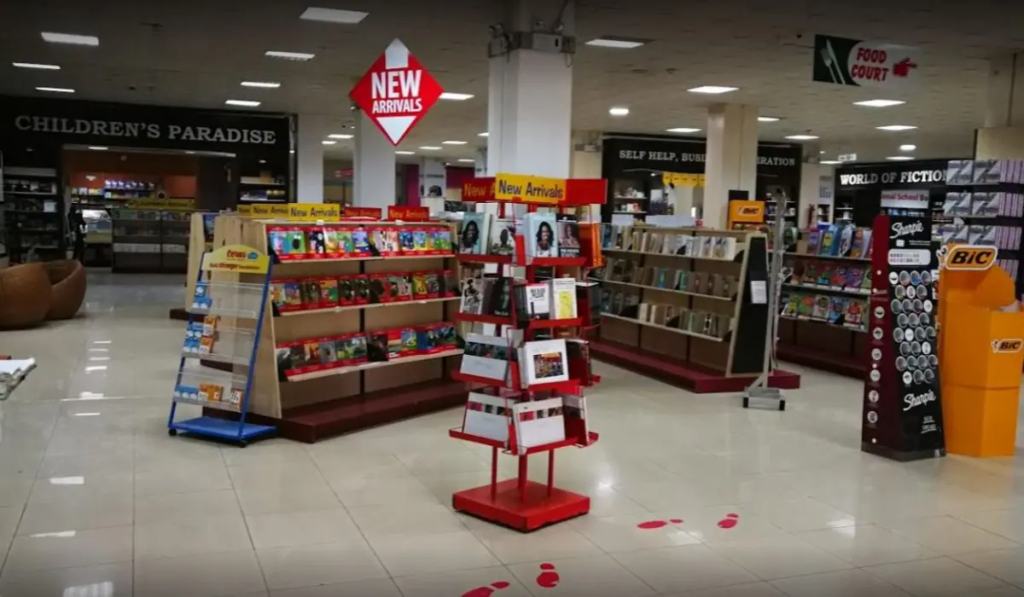
EPP BookShop serves both retail and wholesale customers, giving individual readers and organisations options for purchasing books. If a particular title is unavailable on the shelves, the shop can also arrange to order it.
For residents, students and visitors in the Legon area, the branch offers more than a place to buy reading materials. It provides a practical starting point for the search for knowledge, whether that begins with a child’s first schoolbook or a reader’s next literary adventure.

From a steaming bowl of fufu and soup to the irresistible aroma of kelewele fresh from the frying pan, Ghanaian food offers more than comfort and flavour.
When balanced well, it can also provide many of the nutrients the body needs to thrive.
Traditional Ghanaian cuisine draws heavily on natural ingredients, including yam, plantain, beans, fish, groundnuts and leafy vegetables.
These foods supply energy, protein, fibre, vitamins and minerals. Kontomire stew, okro soup and garden eggs bring colour and nutrients to the table, while fish and legumes offer protein.
Spices and seasonings give dishes their distinctive character, making everyday meals deeply satisfying.
Waakye, the much-loved combination of rice and beans, illustrates this potential. Paired with vegetables, fish or eggs, it can provide a satisfying mix of carbohydrates, protein and fibre.
Yet the nutritional value depends on portion sizes and the amount of oil, salt and rich accompaniments added.
When Tradition Needs Balance
Palm oil gives dishes such as red red their familiar colour and taste. It also contains vitamin E and carotenoids, which the body can convert into vitamin A. However, it is high in saturated fat, so using moderate amounts and avoiding repeated overheating are sensible choices.
Portion sizes matter, too. Meals dominated by large servings of fufu, banku, rice or yam, with little vegetables or protein, may make it harder to maintain a balanced diet over time.
Meanwhile, instant noodles, sugary drinks and heavily processed snacks are increasingly competing with home-cooked meals. Frequent consumption can contribute to excessive sugar, salt and calorie intake.
Keeping Ghanaian Food Healthy
The answer is not to abandon beloved local dishes, but to prepare and serve them thoughtfully.
Enjoy reasonable portions of starchy staples, add generous vegetables, include beans, fish or other protein sources, and use oil and salt sparingly.
Ghanaian food can be both delicious and nourishing. The secret lies in balance, variety and preserving the best of local cooking while making choices that support long-term health.

-

 Festivals & Events2 days ago
MaddFest 2027: Welcome the New Year with a Night of Celebration in Accra
-

 Reels & Social Media Highlights2 days ago
Ghana’s Timeline Erupts: Showboy’s Crude Plea, Asantewaa’s Silence, and a Nation Divided
-

 Health & Wellness2 days ago
The Scale Can Lie: Why Lifting Weights May Help You Lose More Fat
-
 Festivals & Events1 day ago
Velukusi Festival: Re-enacting the Ewe Escape to Freedom in Ve-Deme
-
 Taste GH1 day ago
Simple, Nourishing and Rooted in Tradition: Discover Ghana’s Kapala
-
 Fashion & Style2 days ago
Dressing for Your Shape: How Strategic Styling Can Transform Everyday Fashion
-

 Health & Wellness1 day ago
The Weight-Loss Plateau: How Daily Movement and Hidden Calories Can Matter