
Culture
Takoradi Masquerade Festival Lights Up Ghana’s Western Region During Christmas


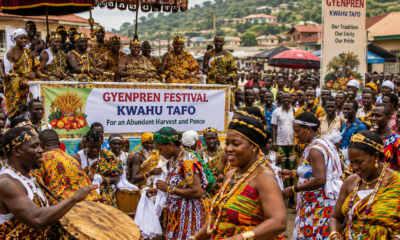
The streets of Takoradi came alive with colour, music and cultural pride as the Ankos Festival, popularly known as the Takoradi Masquerade Festival, took centre stage from December 25 to 27, drawing tens of thousands of revelers to Ghana’s Western Region.
The annual festival, which takes place across several towns but reaches its peak in Takoradi, is one of Ghana’s most vibrant Christmas celebrations.
This year’s edition drew renewed attention after Ghanaian traveller and content creator Mariame (@ryamchouu_travels) shared her first-hand experience on Instagram, describing the festival as “incredible” and a must-see cultural event.
“This is what Christmas looks like here in Takoradi,” Mariame said in a video documenting day one of the celebrations. “The whole town was alive — bright colours everywhere, music floating through the streets, and thousands of people dressed in their masquerade outfits.”
According to her account, more than 20,000 people flooded the streets, parading in coordinated masquerade groups, each distinguished by unique uniforms and intricate design details. From children to the elderly, participants and spectators alike took part in the festivities, dancing through the city in an atmosphere she described as “pure joy.”
Mariame joined the Supreme masquerade group, which she noted appeared to have one of the largest followings during the parade. While the masked performers endured the heat to maintain tradition, she opted to experience the procession without a costume, citing the intense temperatures.
Beyond the spectacle, the festival also stood out for its emphasis on safety and organisation. “Security was solid,” she said, noting a visible police presence throughout the event, which allowed participants to move freely and confidently through the city.
A key highlight of the festival is the competitive aspect, where masquerade groups face off to determine who presents the best costume and performance, adding excitement and anticipation to the multi-day celebration.
Mariame used the opportunity to encourage both locals and visitors—especially those in the diaspora—to explore beyond Accra.
“Ghana is so much bigger than just the capital,” she wrote. “This festival is vibrant, intense, colourful, joyful, and above all, safe.”
The Takoradi Masquerade Festival traces its roots to coastal traditions influenced by Afro-Brazilian and Caribbean cultural exchanges and has grown into a signature event that blends history, music, fashion and community spirit.
As Ghana continues to position itself as a cultural tourism hub for both Africans in the diaspora and international travelers, festivals like Ankos are gaining global attention for showcasing the country’s diversity beyond its major cities.







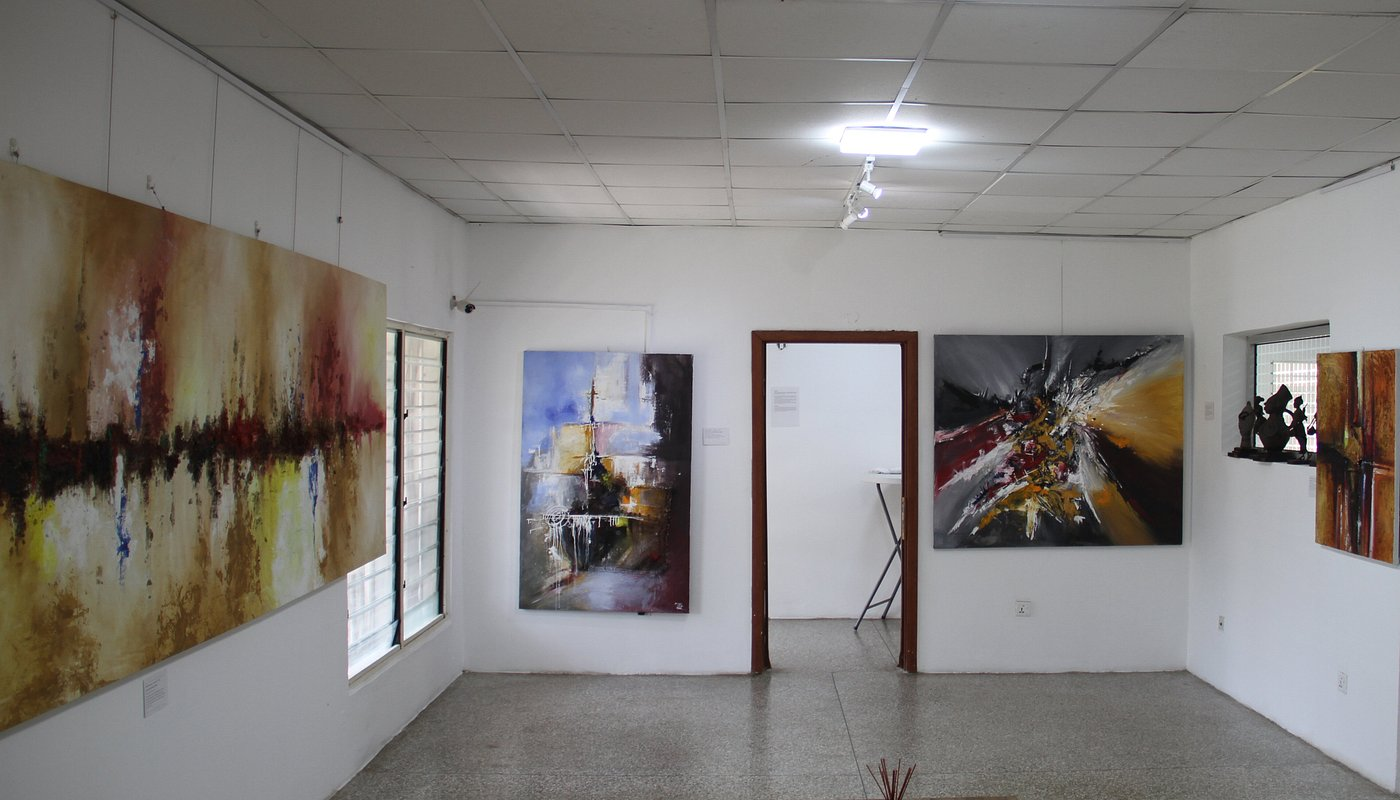
Every memorable art gallery begins with someone who believes a painting deserves more than a wall—it deserves an audience.
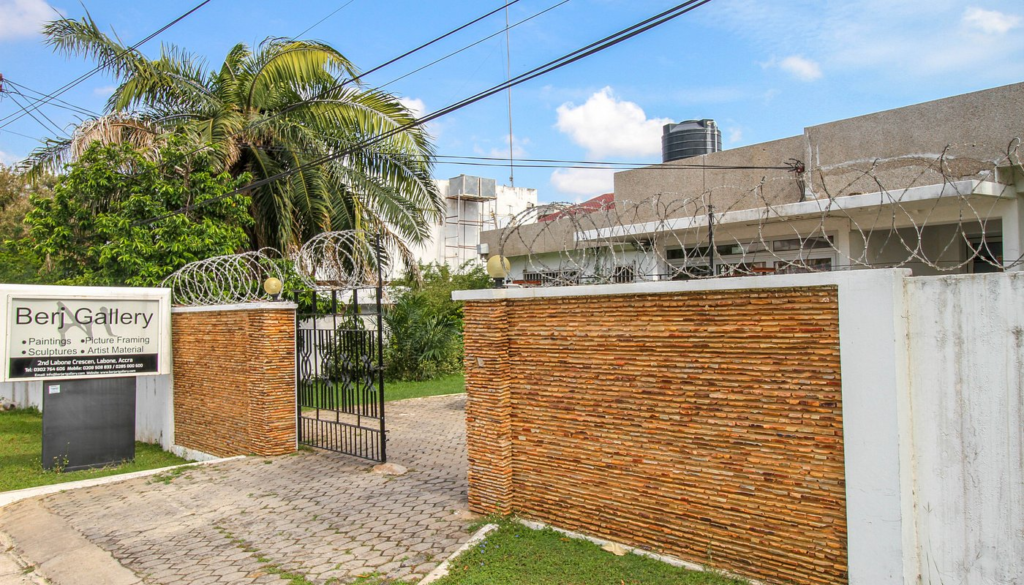
In Accra, that belief has shaped Berj Art Gallery into one of Ghana’s enduring champions of West African art.
Founded in 1996 by collector Joyce Quarshie, Berj emerged at a time when many Ghanaian artists were still searching for spaces that could connect their work with wider audiences.
More than three decades later, Quarshie’s commitment has grown into a gallery that celebrates both established masters and emerging voices under one roof.
A Living Story of West African Art
Walking through Berj feels less like entering a showroom and more like stepping into a conversation across generations.
Bold paintings share space with finely carved wooden sculptures, bronze works catch the light from different angles, and photographs add contemporary perspectives to centuries-old artistic traditions.
The gallery’s strength lies in that balance. Acclaimed painters stand alongside rising talents, creating a rare opportunity for visitors to see Ghana’s artistic evolution unfolding in real time.
It is a reminder that culture is not frozen in history; it continues to grow with every new brushstroke and every fresh creative voice.
More Than a Gallery
For international visitors exploring Accra, Berj offers something deeper than a sightseeing stop. It opens a window into Ghana’s creative identity, where craftsmanship, storytelling and heritage intersect.
As the gallery continues hosting exhibitions that bring together local and international artistic influences, it reinforces a simple but powerful truth: preserving culture is not only about protecting the past.
It is about creating spaces where the next generation of artists can imagine—and exhibit—the future.

Ghana’s social media spaces were ablaze on Tuesday, September 7, 2026, as a potent mix of celebrity worship, relationship debates, and viral security concerns captured the nation’s attention.
The digital streets of Facebook and X (formerly Twitter) were anything but quiet, showcasing the country’s unique blend of humour, outrage, and cultural commentary.
@prophetelbernardsfanpage Prophet Bernard Elbernard Nelson-Eshun weeks ago invited Medikal and he showed up at Spiritlife Revival Ministries #prophetbernardelbernard #bernardelbernard #viral #fyp #SpiritlifeRevivalMinistries ♬ original sound – ProphetElbernards_fanpage
One of the most surprising viral moments featured Ghanaian rapper Medikal, whose surprise appearance at Prophet ElBernard’s Spiritlife Revival Ministries sparked widespread discussion.
Dressed sharply and actively participating in worship, the rapper’s presence challenged perceptions about the intersection of secular celebrity and faith, quickly becoming a top-trending conversation.
Meanwhile, a major debate erupted over the Joy Prime podcast ‘Talk Your Shhh‘ after a panellist advised women to pursue married men they considered “good”.
The comments, perceived as promoting infidelity, drew sharp backlash. Celebrities like Efia Odo and Moliy condemned the advice, fueling a fiery debate about morality and media influence.
Adding a lighter, cross-border twist, a new Ghanaian marriage registry app named Marrify went viral—but for an unexpected reason.
The app’s promotional image featured South African actor S’dumo Mtshali, who has become a pan-African meme for infidelity.
Ghanaians and South Africans flooded the timeline with jokes, dubbing him the “Face of Cheaters” as the app allowed users to check marital status.
Concerns over security also trended after a disturbing CCTV clip of a daylight armed robbery circulated widely, sparking outrage and fear.
TRENDING 🇬🇭🚨:
— WithAlvin 🇬🇭 (@withAlvin__) September 7, 2026
CCTV Footage Shows How Robbers Entered a Home, Shot, and Made Off With Valuables
These robbers are getting bolder by the day! I trust the Ghana Police pic.twitter.com/35ZZXfTOpS
The nation’s social mood oscillated between humour and serious debate, reflecting a society deeply engaged with faith, celebrity culture, and pressing social issues.
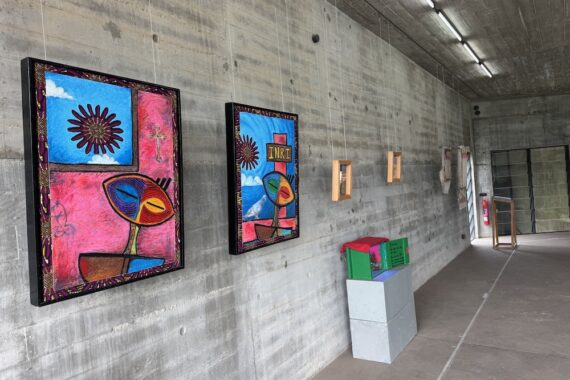
A family photograph resting on a shelf may look like decoration. A half-finished piece of woven cloth may seem incomplete. A living room may simply be a place to sit.
At Nubuke Foundation in Accra, however, these familiar things are being asked to tell deeper stories.
Weight of the Ordinary, a group exhibition featuring Josiah Tsibu Manu, Priscilla Agbeti, Blanche Boni-Mississo, King David Osabutey (Kakalicka) and Sena Burgundy Appau, turns its attention to the overlooked details of daily life—and finds history hiding there.
Manu’s domestic interiors are particularly evocative. Furniture, photographs and household details become unofficial archives, recalling how Ghanaian homes often carry memories that never enter formal histories.
In Agbeti’s unfinished woven works, meanwhile, labour refuses to disappear behind polished craftsmanship.
The incomplete becomes deliberate, leaving viewers to consider the economic and social histories carried by textiles.
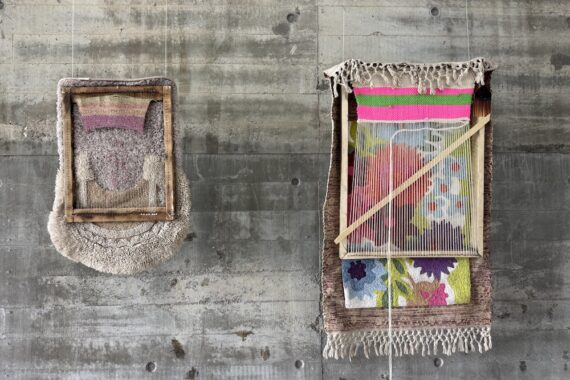
Elsewhere, Boni-Mississo examines how spaces determine who can move freely and who is kept at the margins. Kakalicka draws on Akan cosmology through his Ɔhɔhoɔ, or stranger, connecting questions of displacement and belonging with indigenous ideas.
Appau’s monumental blue figures turn inward, contemplating the uncertainty and possibility of becoming.
Together, the artists suggest that the everyday is not neutral. It is where memory is stored, identities are formed and social boundaries are experienced.
For audiences in Ghana and abroad, the exhibition offers an invitation to look again at what familiarity can conceal. Sometimes, the objects closest to us have the most to say.



-

 Ghana News1 day ago
Top Headlines From Ghanaian Newspapers: Monday, Sept. 7, 2026
-
 Sights and Sounds2 days ago
Trade Accra’s Traffic for Treetops at Legon Botanical Gardens
-

 Ghana News9 hours ago
Top Headlines From Ghanaian Newspapers: Tuesday, Sept. 8, 2026
-
 Festivals & Events2 days ago
Dzawuwu: The Volta Festival That Celebrates Agave Bravery
-

 Ghana News8 hours ago
How Ghana’s Government Pressured MTN, Telecel, and AirtelTigo to Cut Data Prices
-
 Arts and GH Heritage13 hours ago
The Stories We Live With: Inside Nubuke Foundation’s Weight of the Ordinary
-

 Ghana News9 hours ago
Buckingham Palace Responds to Jamaica’s $10 Billion Reparations Demand, But the UK Government’s Wallet Remains Shut
-

 Health & Wellness2 days ago
Why 500 Sit-Ups a Day Won’t Reveal Your Abs