
Business
80% Flesh, 20% Water: Ghana’s New ‘Super Tomato’ Engineered for Processing

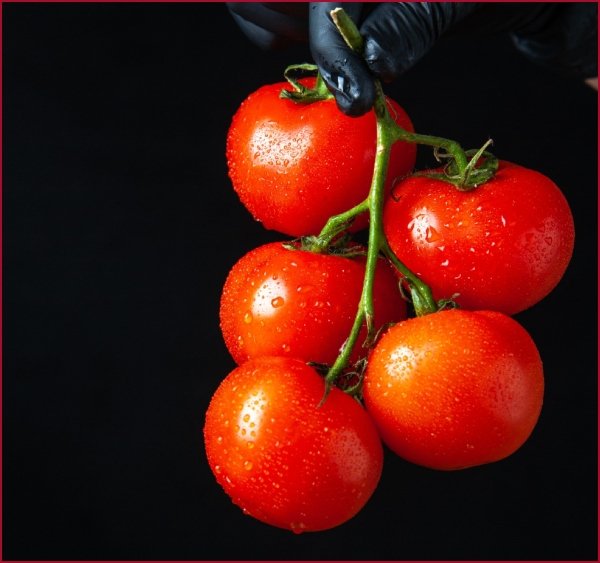
A scientific shift in Ghana’s agricultural landscape is underway. The government has introduced a new high-flesh tomato variety engineered specifically for industrial processing.
The move marks a fundamental change in the country’s approach to tomato cultivation and value addition.
President John Dramani Mahama disclosed the initiative on Tuesday February 10, 2026, at the Jubilee House during a courtesy call by the Upper East Regional House of Chiefs. He explained that the new variety directly addresses a structural flaw in the traditional tomato strain cultivated by Ghanaian farmers for generations.
“The traditional variety that people are used to farming is the watery type. Once you crush it, it’s all water. Almost 80% water and only 20% meat,” President Mahama stated.
The new variety inverts that ratio entirely. It contains approximately 80% flesh and just 20% water, making it optimally suited for producing tomato puree, paste, and other processed products with significantly higher yield efficiency.
The initiative is being executed under the vegetable component of the government’s Feed Ghana Program. According to the President, agricultural experts are currently working directly with farmers to distribute and cultivate the new variety, positioning the Upper East region as the initial hub for production.
The introduction of the processing-optimized tomato coincides with the government’s parallel effort to reactivate the Pwalugu tomato factory. President Mahama indicated that the facility is currently being assessed for additional equipment to render it fully functional for commercial production and packaging of tomato products.
“I hope to join the chiefs soon for the factory’s reactivation,” the President said.
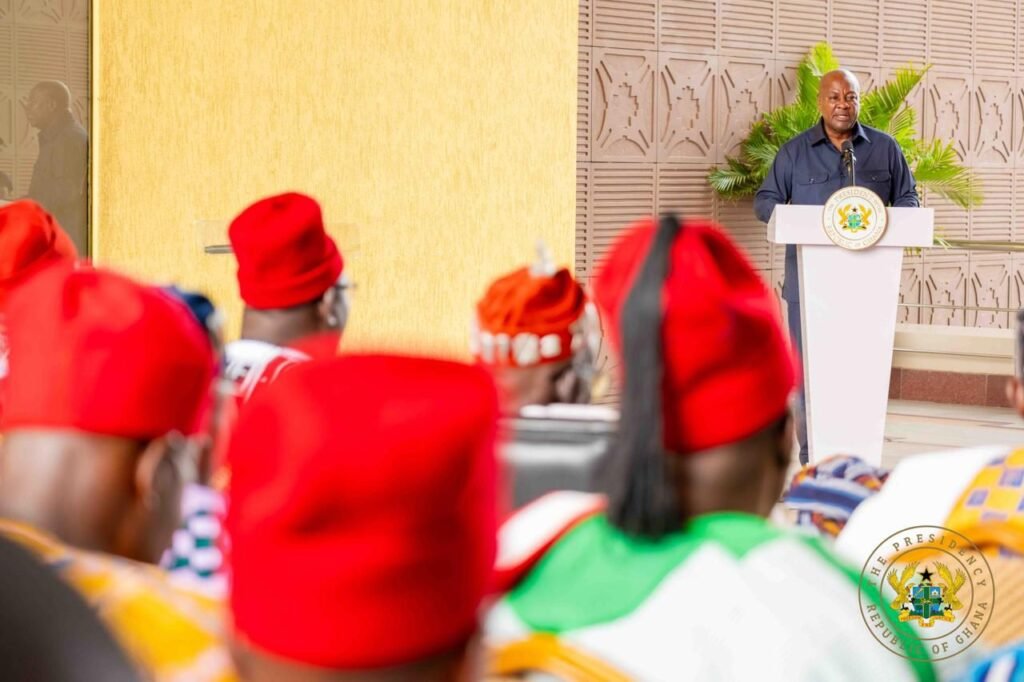
The integrated strategy—linking a scientifically tailored seed variety to a revived processing facility—represents a deliberate move to establish a complete domestic value chain for tomatoes. It shifts Ghana’s tomato sector from its historical focus on fresh consumption toward structured industrial processing capable of supplying local and potentially export markets.
The initiative falls under the broader Feed Ghana Program, which targets agricultural self-sufficiency and reduced dependence on imported food products. Processed tomato products, including tomato paste and puree, currently constitute a significant import category for Ghana.
No timeline has been announced for the full commercial rollout of the new variety or the formal reactivation of the Pwalugu factory. However, the President confirmed that farmer-level distribution and cultivation support are already in progress.












Business
Netherlands Reclaims Position as World’s Top Exporter of Cocoa Products, Ghana Remains Key Supplier

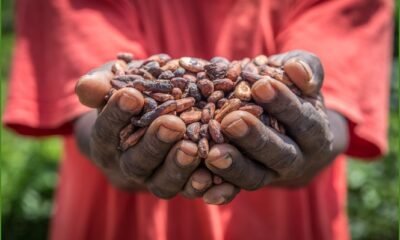
Amsterdam, Netherlands – The Netherlands has overtaken Germany to become the world’s leading exporter of cocoa products in 2025, recording €12.4 billion in exports, according to new data from Statistics Netherlands (CBS).
The sharp rise in export value was driven by elevated global cocoa prices and strong international demand for semi-processed cocoa products used in chocolate manufacturing.
Nearly three-quarters of Dutch cocoa exports consist of intermediate goods such as cocoa butter, cocoa powder, and chocolate liquor, which are shipped to manufacturers across Europe and North America.
Germany remains the largest single market for these exports, followed by Belgium, France, the United Kingdom, and the United States.
West African countries, particularly Côte d’Ivoire and Ghana, continue to serve as critical suppliers of raw cocoa beans feeding Dutch processing hubs, especially around Amsterdam and the Zaanstreek industrial area.
The sustained high prices have been linked to poor harvests in West Africa caused by adverse weather conditions in recent years.
For Ghana, the development underscores its continued strategic importance in the global cocoa supply chain.
However, it also highlights the longstanding imbalance in the industry, where African nations primarily export raw beans while European processors capture the majority of the value through further processing and re-export of higher-value products.
Economists argue that while Ghana benefits from strong demand for its beans, greater investment in local processing capacity and industrialisation is needed to retain more value domestically and reduce heavy reliance on raw commodity exports. The Netherlands’ dual role as a major importer of raw beans and leading exporter of processed cocoa products further cements its position as Europe’s cocoa trading powerhouse.

Accra, Ghana – Ghana’s Narcotics Control Commission (NACOC) is in the final stages of reviewing applications for cannabis licences, with successful applicants expected to receive approval to begin operations soon, marking a significant milestone in the country’s efforts to develop a legal and regulated cannabis sector.
Deputy Director-General for Enforcement, Control, and Elimination, Alexander Twum-Barimah, disclosed this while speaking at the Kwahu Business Forum on Saturday.
He emphasised that the review process has been “thorough and deliberate” to ensure that only applicants who fully meet all legal, regulatory, and security requirements are granted licences. NACOC officials engaged with potential investors at the forum’s exhibition stand, providing details on various licence categories, including cultivation, processing, distribution, and export.
Mr Twum-Barimah stressed that the commission is committed to building a properly regulated industry that creates legitimate economic opportunities while maintaining strict controls to prevent misuse and illegal activities.
“The goal is to strike a balance between enabling economic development and safeguarding public health and security,” he said.
All licence holders will be subject to ongoing monitoring and compliance checks.
The development signals Ghana’s intention to harness the economic potential of cannabis through job creation, investment, and export revenue, while aligning with international best practices in regulation. Further updates on the licensing process are expected in the coming weeks.
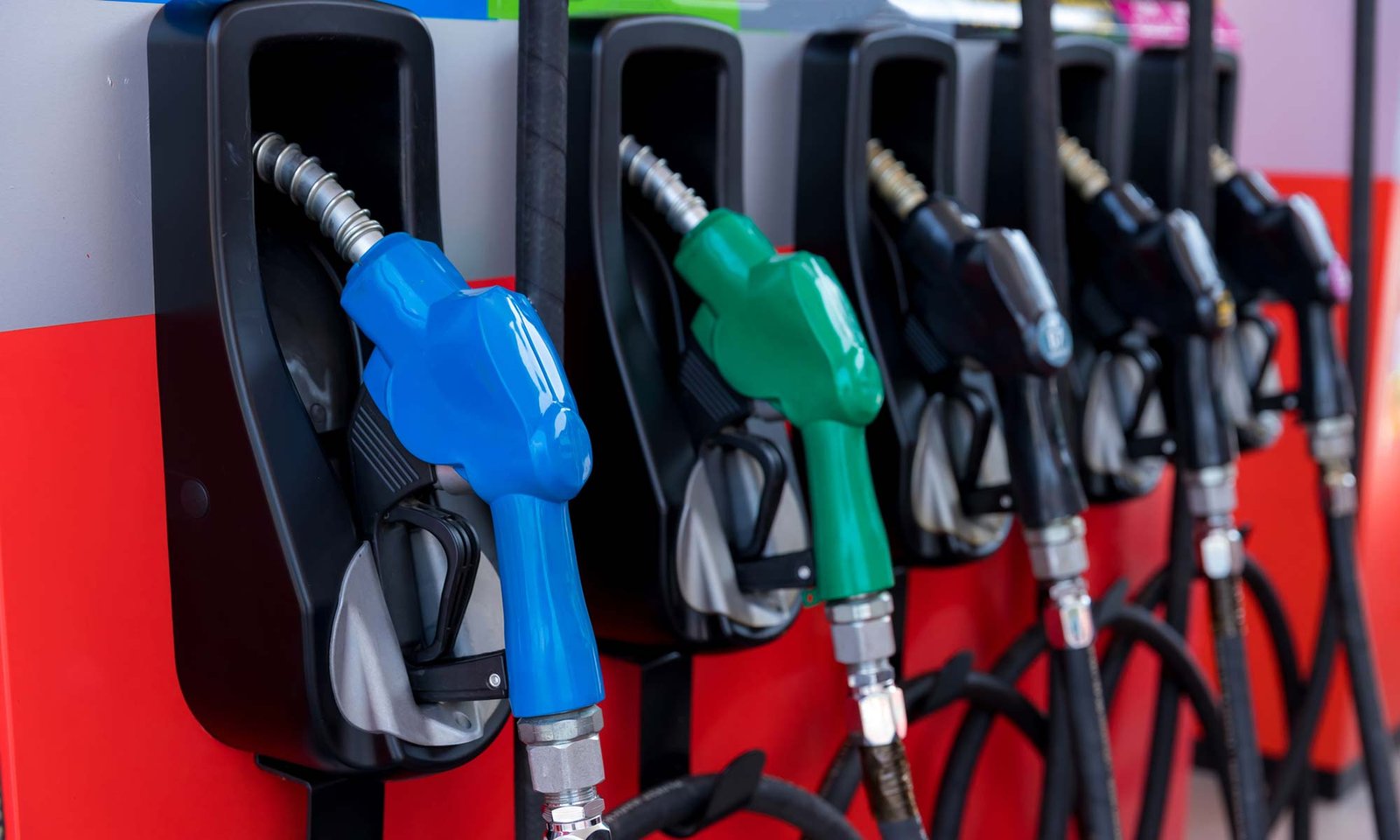
Accra, Ghana – As global oil prices continue to surge due to the ongoing Middle East conflict, the Ghanaian government has announced immediate and practical measures aimed at cushioning citizens from the impact of rising fuel costs.
Following an emergency Cabinet session chaired by President John Dramani Mahama, the government outlined three key interventions focused on direct price relief, affordable public transportation, and cutting unnecessary government expenditure on fuel.
Here are the 3 major steps Ghana is taking:
1. Suspension of Selected Taxes and Margins on Fuel
Ministers of Finance and Energy have been directed to suspend certain taxes and margins in the next fuel pricing window. This temporary reduction, which will last for four weeks (subject to review based on developments in the Middle East and global crude prices), is expected to ease the burden on consumers and transporters.
2. Massive Expansion of Affordable Metro Mass Transit Buses
The Minister for Transport has been tasked with fast-tracking the deployment of 100 newly acquired Metro Mass Transit buses onto high-traffic routes across the country. These state-owned buses will maintain significantly lower fares compared to private operators, offering citizens a cheaper and more reliable alternative for daily commuting.
3. Strict Enforcement of Ban on Fuel Allocations for Government Officials
All Ministers and senior government appointees have been reminded to strictly comply with President Mahama’s earlier directive cancelling fuel allocations and allowances. This move is aimed at reducing government expenditure on fuel and demonstrating leadership in belt-tightening during these challenging times.
These interventions form part of the government’s broader strategy to protect the economy and citizens from external shocks while hoping for de-escalation in the Middle East conflict.


Pope Leo XIV to Embark on Ambitious 10-Day Tour of Four African Nations

U.S. Warns Citizens to Reconsider Travel to Nigeria Citing Terrorism

Netherlands Reclaims Position as World’s Top Exporter of Cocoa Products, Ghana Remains Key Supplier
-

 Opinion2 days ago
Open Letter to the British Ambassador on Reparatory Justice: Ghana’s Call to the British Government
-

 Ghana News1 day ago
Newspaper Headlines Today: Wednesday, April 10, 2026
-

 Ghana News2 days ago
7 Dead, 2 Missing After Boat Capsizes on Volta Lake in Ghana
-

 Taste GH1 day ago
Smoke, Sweetness and Street Life: The Timeless Charm of Ghana’s Roasted Corn
-
 Business14 hours ago
Netherlands Reclaims Position as World’s Top Exporter of Cocoa Products, Ghana Remains Key Supplier
-

 Business2 days ago
3 Things Ghana is Doing to Reduce Fuel Prices Amid Global Uncertainty
-

 Ghana News2 days ago
Ghana Announces Suspension of Taxes, Other Measures to Reduce Fuel Prices Amid Global Crisis
-

 Business23 hours ago
Ghana Nears Approval of Cannabis Licences as Country Prepares to Launch Regulated Industry