
Tourism
Why Black American Women Are Choosing Mexico City Over the U.S. in Search of a New Dream


On a bright afternoon in Mexico’s sprawling capital, a group of Black American women sit at a street-side café, shifting easily between English and Spanish as they discuss everyday life — health care costs, dating, and where to find the city’s best pastries. For them, this is no vacation. It is home.
Since the COVID-19 pandemic, Mexico City has become an unexpected destination for Americans seeking opportunity outside the United States. Among those leading this quiet migration are Black women who say the promise of safety, affordability and dignity has been harder to secure back home.
For many, the move is deeply personal. Retirees, single mothers, teachers and wellness professionals describe leaving the U.S. after years of political tension, racial stress and economic uncertainty. Mexico City, with its layered history, cultural depth and comparatively lower cost of living, offered something they felt was increasingly out of reach in the United States: the freedom to live without constant scrutiny.
“Here, I feel like a person first,” said Sara Wright, a retired paralegal who relocated from California and is now pursuing permanent residency. “In the U.S., being Black often comes with assumptions. Here, it doesn’t.”
The shift gained momentum during the pandemic, when remote work untethered many professionals from physical offices. According to Mexico’s Migration Policy Unit, applications and renewals for U.S. residency visas in Mexico rose sharply between 2019 and 2022, reflecting a broader movement of Americans settling south of the border.
Yet these women reject the popular label “expat.” Instead, they insist on being called immigrants — a deliberate choice that reflects both their long-term intentions and their awareness of global inequality.
“We’re not here to pass through,” said Zakiya Harris, a wellness coach from Oakland who moved to Mexico City with her teenage daughter during the height of pandemic lockdowns. “We came with legal residency to build a life.”
Safety is a recurring theme. While Mexico is often portrayed internationally as dangerous, many of the women say daily life in Mexico City feels calmer than in U.S. cities shaped by gun violence and racial profiling. Mothers, in particular, speak of the relief of raising children in an environment where curiosity outweighs fear.
At the same time, their presence exists within a growing debate about gentrification. Protests have erupted in parts of Mexico City over rising rents and the displacement of local families, with activists accusing foreign newcomers of driving up housing costs. In neighbourhoods such as Condesa and Roma Norte, rents have surged since 2020.
The women acknowledge the tension but argue their experiences differ from wealthier foreign arrivals. Many live in less fashionable districts, rent modest apartments, share housing and prioritise local businesses. They speak openly about their privilege as Americans — even as Black women — and the responsibility that comes with it.
For a Ghanaian and African audience, the story resonates beyond borders. It reflects a global pattern of Black diaspora movement, where people of African descent are reassessing where they feel most valued and secure. Much like return-to-Africa conversations among African-Americans, the Mexico City migration is rooted in agency, choice and the search for belonging.
“It’s about dignity,” said one woman who left the U.S. after decades of working in public education. “Not struggling to prove your humanity every day.”
Mexico City is not without contradictions. Violence against women remains a serious national issue, and economic inequality is stark. But for these Black American women, the city offers room to breathe — to slow down, to engage with culture, and to imagine a future not defined by survival.
In a world where mobility is increasingly global, their journey underscores a shifting truth: the dream once sold as uniquely American is now being re-imagined — and sometimes realised — far from U.S. shores.














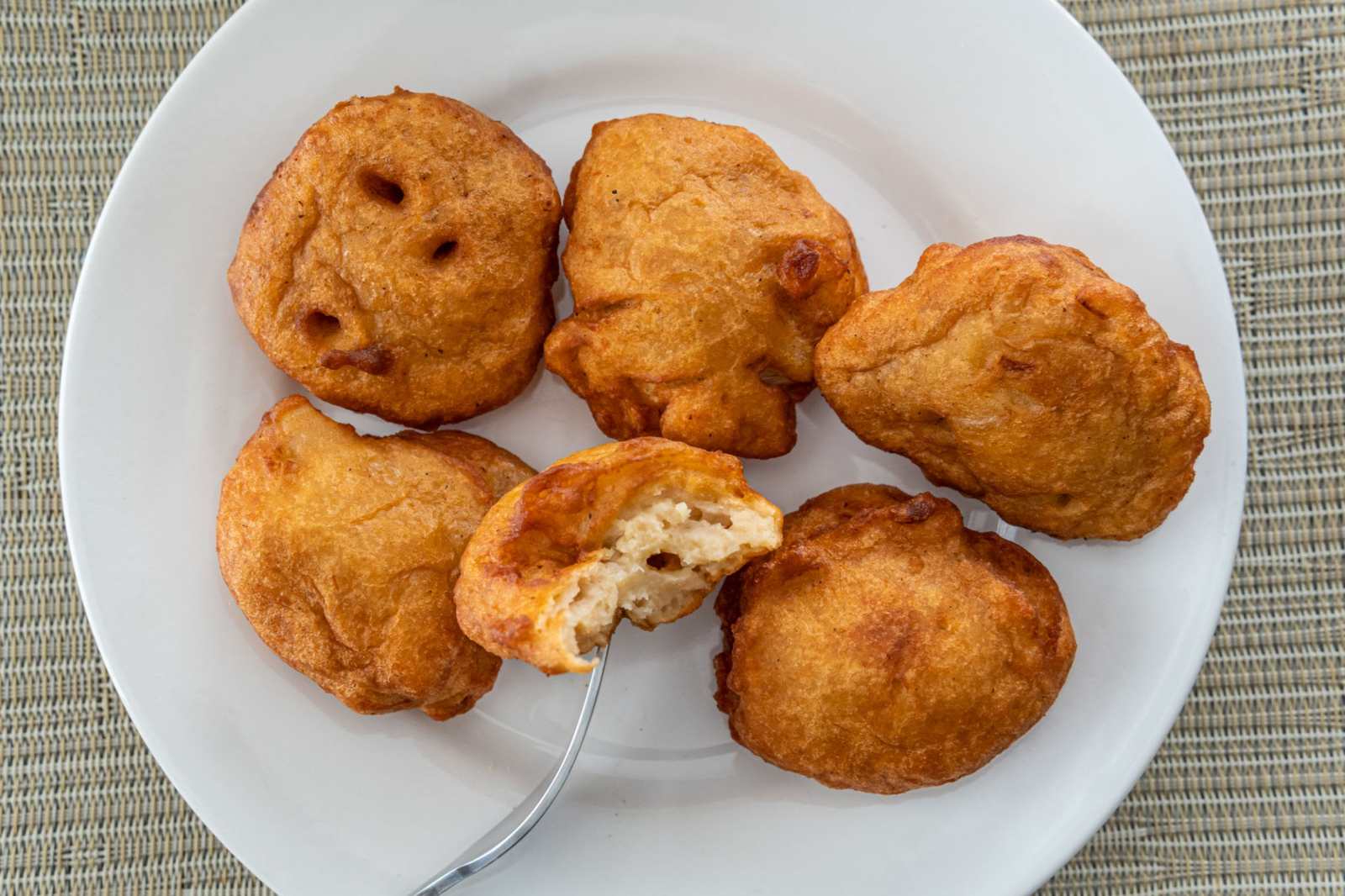
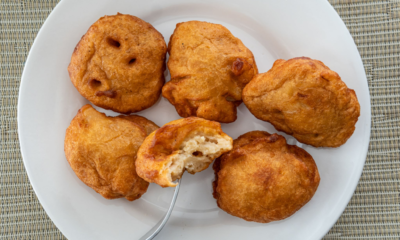
Long before dawn breaks over Accra’s busy streets, the crackle of hot oil and the warm, sharp perfume of ginger and scotch bonnet chilies signal that koose is on the way.
Also known as akara across West Africa, this iconic bean fritter holds a special place in the rhythm of Ghanaian life, serving as an indispensable staple of morning routines and street-food culture.
While delicious on its own, koose reaches absolute perfection when paired with koko, a hot, aromatic millet porridge infused with cloves and black pepper.

The creamy, fiery porridge balances the crunchy fritters, creating a sensory experience that warms the soul and fuels the day.
Whether grabbed from a neighborhood street vendor or fried fresh at home, koose remains a timeless symbol of West African culinary comfort.

Just minutes from Kotoka International Airport on Airport Bypass Road, inside the historic Aviation Social Centre, sits a modern retreat from Accra’s tropical heat and bustling urban traffic.
Bliss Family Entertainment has quickly established itself as a premier indoor leisure hub, seamlessly bridging the gap between high-energy active recreation and relaxed social gatherings for locals, expats, and international travelers alike.

The climate-controlled center features an expansive lineup of activities tailored for diverse age groups. Visitors can challenge friends on a six-lane 10-pin bowling alley (GH¢125 per game) or let younger children try mini-bowling (GH¢100).
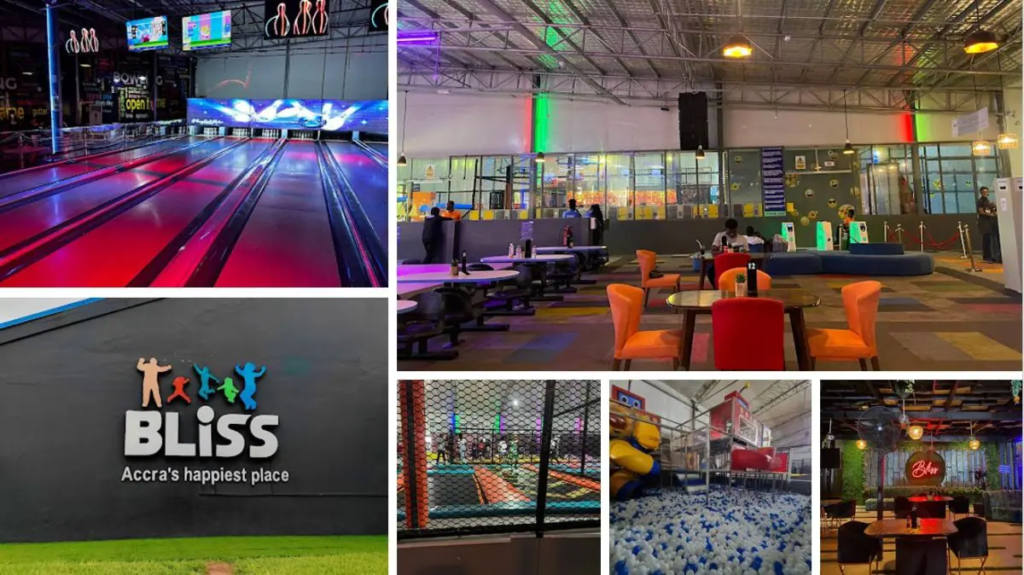
For thrill-seekers, a vibrant trampoline park provides high-bounce arenas (GH¢125 for under-12s, GH¢175 for ages 12+), while immersive Twin Battle VR setups (GH¢100) and an arcade stocked with over 20 games round out the technological play space. Younger guests can also enjoy gentle Teacup Spin rides.

What truly sets the venue apart is its integration of active gaming with local culinary culture. Instead of standard concession food, an on-site restaurant and bar serves authentic Ghanaian favorites, including Assorted Jollof (GH¢220), Goat Jollof (GH¢250), and Grilled Tilapia (GH¢250), alongside hearty stir-fried noodles and grilled meats.
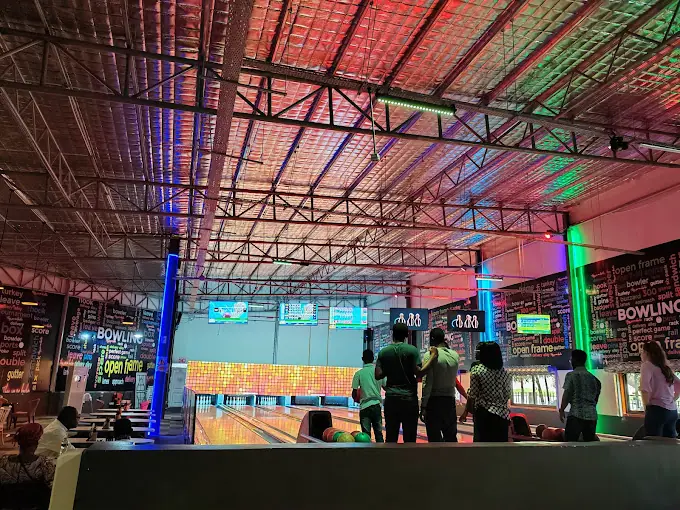
Operating late into the night—from 12:00 PM to midnight Tuesday through Friday and 10:00 AM to midnight on weekends—the center provides an easy, safe space for family outings, weekend dates, and stress-relieving evening hangouts.
By combining modern recreational technology with rich local flavors, Bliss continues to set the benchmark for indoor family leisure in West Africa.
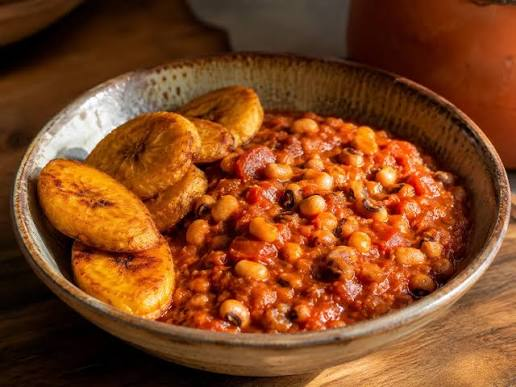
There is something irresistible about a plate of Red Red—the rich crimson sauce, sweet golden plantain on the side, and the comforting aroma that fills the air long before the first bite.
One of Ghana’s most loved bean dishes, Red Red takes its name from its striking colour, created by ripe tomatoes and vibrant red palm oil.
The result is a hearty meal that balances deep, savoury flavours with a gentle sweetness, making it a favourite from bustling street food stalls to family dining tables.
At its heart are soft, slow-cooked black-eyed beans that soak up a fragrant tomato stew infused with onions and spices. The red palm oil adds an earthy richness and a distinctive aroma that gives the dish its unmistakable character.
Pair it with fried ripe plantains, and every mouthful becomes a satisfying contrast of creamy beans and caramelised sweetness.
Many Ghanaians complete the meal with a boiled or fried egg, turning an already generous dish into an even more filling feast.
Red Red has earned its place as more than comfort food. Beans provide plant-based protein and fibre, while tomatoes contribute vitamins and antioxidants. Red palm oil, used in moderation, also contains beta-carotene, which the body converts into vitamin A.
Visitors discovering Ghanaian cuisine for the first time often remember Red Red because it feels both familiar and exciting.
It’s simple enough for home cooks to recreate, yet packed with flavours that reflect Ghana’s talent for transforming everyday ingredients into memorable meals.
Whether enjoyed for lunch, dinner, or as a satisfying weekend treat, Red Red remains one of the country’s proudest culinary classics.


-

 Sights and Sounds1 day ago
Why Bliss Family Entertainment Is Airport City’s Go-To Haven
-

 Health & Wellness2 days ago
First In, Last Out: Understanding Your Body’s Natural Fat Storage Blueprint
-
 Festivals & Events14 hours ago
Accra Welcomes New York Leadership for a Historic Night of Community
-
 Taste GH14 hours ago
The Timeless Appeal of Koose and Spiced Millet Koko
-

 Festivals & Events1 day ago
Where Cascades Meet Culture: The Majestic Grandeur of the Wli Falls Festival
-

 Homes & Real Estate3 hours ago
How Mechanical, Electrical, and Plumbing Audits Protect Your Real Estate Investment
-

 Fashion & Style2 hours ago
When Aesthetics Backfire: What the Converse Imagery Controversy Teaches the Global Style Industry