
Africa Watch
White Zimbabwean Farmers Seek Trump’s Intervention to Secure $3.5 Billion in Long-Overdue Land Compensation

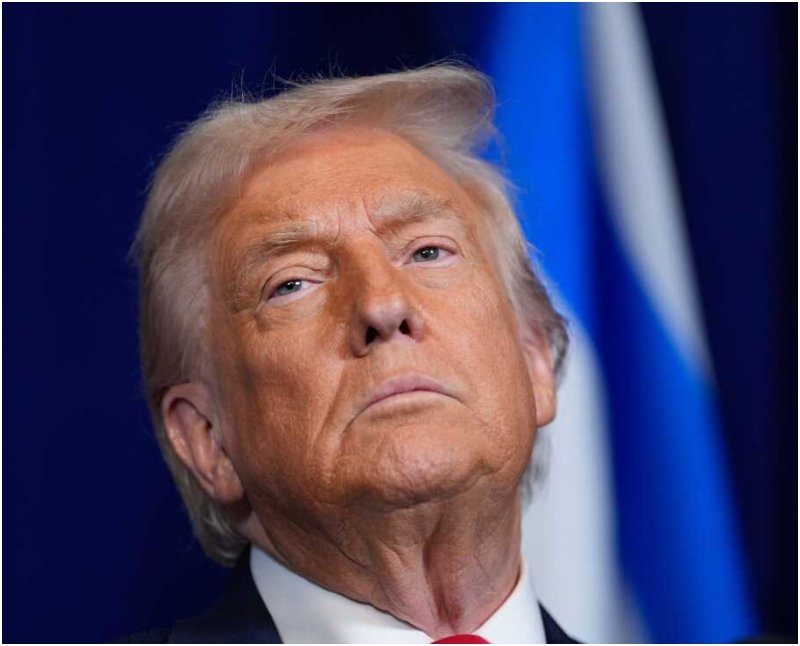
Displaced white commercial farmers in Zimbabwe are turning to U.S. President Donald Trump for assistance in pressuring the Zimbabwean government to fulfill a 2020 pledge to pay $3.5 billion in compensation for farms seized during the violent Fast-Track Land Reform Programme (FTLRP) launched in 2000 under former President Robert Mugabe.
Represented by groups such as the Zimbabwean Property and Farm Compensation Association (PROFCA), affected farmers—many of whom lost land to state-backed invasions that drastically reduced Zimbabwe’s agricultural output—have enlisted the help of Mercury Public Affairs LLC, a Washington-based lobbying firm with close ties to the Trump administration.
According to a Foreign Agents Registration Act (FARA) disclosure filed last month and reported by Bloomberg on January 22, 2026, Mercury has agreed to advocate for the farmers pro bono (without charge).
The lobbying effort involves contacting officials in the Trump administration and Congress to push for U.S. support in facilitating Zimbabwe’s debt clearance, creating new financial mechanisms, or other arrangements to “generate the funds necessary” for the government to meet its compensation obligations, as outlined in a December 2, 2025, letter from Dror Besserglik of Johannesburg-based OB Projects Management.
Farmers hope to leverage Trump’s track record of supporting white farmers in Southern Africa. Since May 2025, his administration has provided visas and assistance to white South African farmers claiming racial persecution amid land reform debates, imposed sanctions on South Africa over perceived unfair laws, and prioritized white South Africans in a drastically reduced U.S. refugee admissions cap (from 125,000 to 7,500 annually in October 2025). Mercury’s involvement is notable given its past representation of the Zimbabwean government (2019–2021) to lobby against U.S. sanctions, and connections including former co-chair Susie Wiles (now White House Chief of Staff) and partner Bryan Lanza (former Trump transition communications director).
In 2020, under President Emmerson Mnangagwa, Zimbabwe signed the Global Compensation Deed agreeing to pay approximately 4,000 former white farmers $3.5 billion over 10 years for improvements on the land (not the land itself), in a bid to resolve lingering disputes, attract investment, and normalize international relations. Initial payments were limited—around $20 million to some foreign-protected farmers in late 2024—and progress has been slow due to Zimbabwe’s severe economic challenges, high external debt, and cash constraints. By 2025, farmers reported receiving only about 1% in cash, with much of the rest in bonds or delayed.
The Mnangagwa administration has budgeted limited funds (e.g., $10 million in 2026 for about 740 farmers) and begun small payouts, but critics argue the process remains stalled. The farmers’ appeal to Trump has sparked mixed reactions: some view it as a legitimate push for justice and economic recovery, while others, including pan-African voices, decry it as neo-colonial interference undermining Zimbabwe’s sovereignty and land reform legacy.

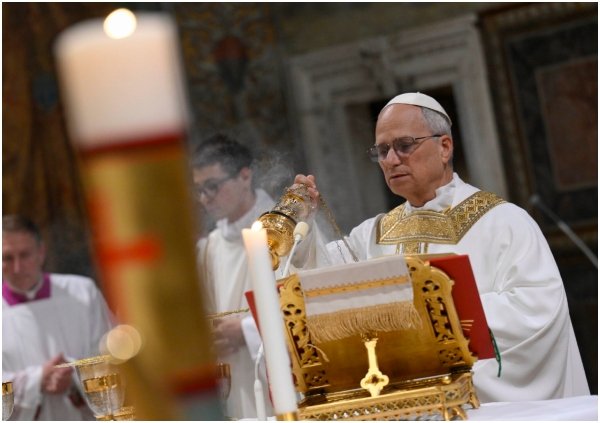
Pope Leo XIV will depart on Monday, April 13, 2026, for a major 10-day apostolic journey to Africa, visiting Algeria, Cameroon, Angola, and Equatorial Guinea.
Vatican officials are describing the tour as a deliberate effort to shine a global spotlight on the continent.
The trip, spanning nearly 18,000 kilometers (11,185 miles) and including stops in 11 cities and towns, will be the longest and most ambitious overseas journey of the pontiff’s young papacy.
During the tour, running from April 13 to 23, the 70-year-old Pope is scheduled to deliver 25 speeches, hold meetings with political leaders, and engage extensively with local Catholic communities.
Cardinal Michael Czerny, a senior Vatican official and close adviser to Pope Leo, said the visit is intended “to help turn the world’s attention to Africa.”
He noted that by heading to the continent early in his pontificate, the first American Pope is sending a strong message that “Africa matters” and should not be overlooked amid other global concerns.
Africa is currently the fastest-growing region for Catholicism, with more than 20% of the world’s 1.4 billion Catholics now living on the continent. Equatorial Guinea, which has not hosted a papal visit since 1982, is over 70% Catholic, while significant Catholic populations exist in Cameroon and Angola. Algeria, by contrast, is overwhelmingly Muslim with a small Catholic community.
The tour comes as Pope Leo has taken an increasingly vocal stance against the ongoing war in Iran. Vatican officials say the African visit reflects both the Church’s pastoral priorities and its commitment to global solidarity with regions often marginalized in international discourse.
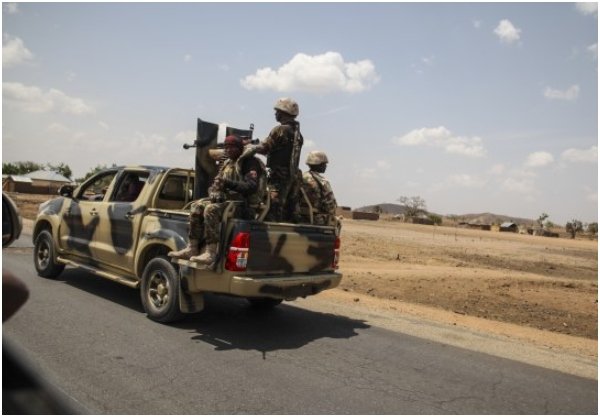
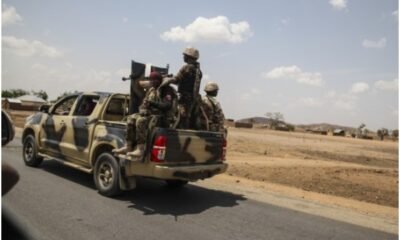
Washington, D.C. – The United States has issued a strong travel advisory urging its citizens to reconsider all travel to Nigeria, citing persistent threats of terrorism, kidnapping, civil unrest, and armed attacks across large parts of the country.
In an update released last Wednesday, the US State Department placed several Nigerian states under its highest-level “Do Not Travel” warning due to the deteriorating security situation.
The advisory also authorised the voluntary departure of non-emergency US embassy staff and their families from Abuja, describing the overall environment as increasingly challenging for American citizens and diplomats.
Despite deepening security cooperation between Washington and Abuja — including counter-terrorism support, intelligence sharing, maritime security, and military training with US-supplied aircraft and helicopters — the move underscores the gap between strategic partnership and the daily reality of insecurity faced by civilians and foreigners in many regions.
The advisory warns that violent attacks could occur with little or no warning in public places such as markets, hotels, places of worship, schools, and transportation hubs.
Nigerian authorities have yet to issue a formal response to the latest warning. In the past, officials have criticised such advisories for unfairly tarnishing the country’s image and potentially harming diaspora travel, international conferences, and foreign investment at a time when Nigeria is seeking economic recovery.
The development comes amid a fresh surge in deadly attacks in parts of the country, raising renewed concerns about the effectiveness of ongoing counter-insurgency operations against groups such as Boko Haram and ISWAP, as well as banditry and communal violence in other regions.

Addis Ababa, Ethiopia – The Ghana Embassy in Ethiopia and Permanent Mission to the African Union and UNECA has officially launched “Ghana Month,” a major cultural and diplomatic initiative aimed at deepening ties between Ghana and Ethiopia while showcasing Ghana’s rich heritage across Africa.
The celebration, running throughout May 2026 at Kuriftu Village in partnership with Kuriftu Resorts, will feature cultural performances, creative exhibitions, music, fashion, culinary experiences, and entrepreneurial showcases. It is expected to attract diplomats, business leaders, tourists, and the Ethiopian public.
Counsellor Ms Grace Maakinyi Mbiba, in her opening remarks, described the initiative as “an opportunity to showcase the diversity of Ghana’s heritage and the dynamism of its creative and entrepreneurial sectors.”
Ambassador Dr Robert Afriyie commended Kuriftu Resorts for the collaboration, calling it a true embodiment of Pan-Africanism. He noted that the event aligns with Ghana’s broader vision of using tourism, culture, music, fashion, and history to promote continental unity and economic cooperation.
The Ambassador highlighted the growing bilateral relationship between Ghana and Ethiopia and positioned the month-long celebration as a practical platform to leverage the African Continental Free Trade Area (AfCFTA) through cultural exchange and people-to-people connections.
The initiative is expected to boost tourism, trade, and mutual understanding between the two nations.


Ghana Government’s Planned Fuel Price Reduction Under Threat After Failed US-Iran Talks

“A Big NO”: Iran Embassy in Ghana Taunts the U.S. After 21-Hour Talks in Pakistan Fail

Visa-Free Travel vs Free Visa – What Ghana’s New Policy for Africans Really Means
-
 Business2 days ago
Netherlands Reclaims Position as World’s Top Exporter of Cocoa Products, Ghana Remains Key Supplier
-

 Festivals & Events18 hours ago
A Sunday to Remember: Immersing in the Soulful Power of ‘Before His Throne’
-

 Ghana News1 day ago
Ghana Leads African Central Banks in Gold Reserve Accumulation as Global Buying Wave Hits $2 Billion
-

 Fashion & Style19 hours ago
How Bondaana Tailored Mahama’s Power Move in Paris
-

 Health & Wellness19 hours ago
How Often Should You Wash Workout Clothes? Dermatologists Say It Depends on Your Sweat
-

 Fashion & Style19 hours ago
Boubou Blueprint: How to Master the ‘Rich Auntie’ Aesthetic
-
 Africa Watch2 days ago
U.S. Warns Citizens to Reconsider Travel to Nigeria Citing Terrorism
-

 Africa Watch2 days ago
Pope Leo XIV to Embark on Ambitious 10-Day Tour of Four African Nations