Uncategorized
U.S. Tourist Who Alleged Police Officers Kidnapped, Robbed Her Leaves Ghana As Authorities Launch Probe Into Her Wild Claim: ‘We Take This Seriously’


The Ghana Police Service has launched a full-scale investigation after a viral TikTok video by an American tourist alleging she was kidnapped and robbed by masked officers during a night out in Accra.
But even as the case gains global traction, police say the woman at the center of the storm is now refusing to cooperate.
In a detailed statement issued Tuesday, December 9, 2025, the Criminal Investigation Department (CID) confirmed it is probing claims made by Arianna Naomi Mackey, a U.S. content creator who posted a video alleging “three masked police officers” stopped her Uber, seized her belongings, forced her into their patrol vehicle, and later drove her to an ATM to withdraw cash.
The video — posted on December 8 — quickly caught fire online, sparking alarm among travelers gearing up for Ghana’s December tourism boom and prompting fierce debate among Ghanaians who questioned whether her account adds up.
Police: “We Take This Seriously — But She Has Stopped Responding”
According to the police statement, investigators traced the video to a hotel in Accra where Mackey and two companions were staying. Records show they checked out on December 5, and airport checks confirmed she left Ghana the same day.
CID officials say they reached out to Mackey to assist with the investigation, but she offered no names, badge numbers, or a vehicle plate number — and said her Ghanaian friend, who she claimed was present, “does not want to be involved.”
Police added that Mackey has since deleted the video and blocked investigators on WhatsApp, ignoring calls and messages. Authorities are now seeking her cooperation through diplomatic channels.
Online Reactions: Doubt, Humor, and National Pride
Mackey’s claims rattled many viewers, especially as Detty December — Ghana’s most lucrative tourism season — kicks off. But online, Ghanaians overwhelmingly pushed back.
One commenter wrote:
“There’s no police officer who is masked in Ghana.”
Another insisted:
“This is definitely not the Ghana Police, and I’m standing on that.”
Others argued that while Ghana’s police have their flaws, kidnapping tourists is not one of them. A popular Ghanaian creator remarked:
“The Uber driver knows the people. They weren’t Ghana Police. Ghana police are very well-behaved, especially around foreigners.”
Some responses mixed skepticism with Ghana’s typical dry humor:
“Ghana police will not kidnap you. They will just ask for something for the boys.”
A Global Tourism Reputation at Stake
Ghana’s Detty December has become a magnet for African diaspora tourism, pumping millions into the economy each year. Stories like Mackey’s can undermine that momentum, especially as global travelers scroll TikTok for real-time guidance.
That’s partly why police officials stressed the importance of getting to the bottom of the allegations, not just for accountability, but to protect Ghana’s reputation as one of Africa’s safest destinations.
The Bigger Question: What Really Happened?
At this stage, the case sits in a shadowy intersection of tourism, social media influence, and public trust. Mackey’s disappearance from communication raises new questions, even as her original claims continue circulating online.
For now, the CID says it will keep digging.
“The Ghana Police Service treats such allegations very seriously and remains committed to uncovering the facts in this case,” the statement read.
Whether the investigation will lead to answers may depend on whether the woman who sparked it decides to reappear.












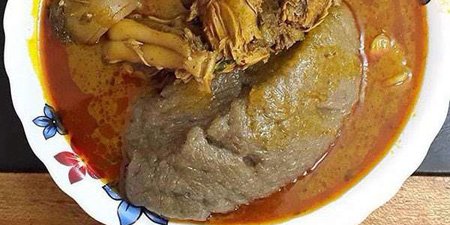
One spoonful is enough to understand why this northern Ghanaian favourite has stood the test of time.
Konkonte, a soft swallow made from dried cassava flour, has long been a comforting staple across Ghana. In the Upper West, Upper East and Northern regions, however, it reaches another level when paired with dawadawa soup, a deeply savoury dish built around fermented African locust beans.
The first thing that announces the meal is its aroma. Dawadawa carries a bold, earthy scent that fills the air long before the soup reaches the table.
Its fermented richness creates an intense umami flavour that many Ghanaians compare to the role soy sauce plays in Asian cooking, adding depth, warmth and character to every spoonful.
The smooth, slightly elastic texture of konkonte makes it the perfect partner. As it is dipped into the soup, it absorbs the rich broth, creating a hearty bite that is both filling and satisfying.
The combination has nourished farming communities for generations, offering an affordable meal packed with flavour and tradition.
Beyond its comforting taste, the dish also carries nutritional appeal. Cassava provides energy, while fermented locust beans contribute plant-based protein and beneficial compounds that have made dawadawa a valued ingredient in West African kitchens for centuries.
For visitors eager to discover Ghana beyond familiar favourites like jollof rice or waakye, konkonte with dawadawa soup offers something unforgettable. It is a meal that speaks of northern heritage, resourcefulness and the enduring power of ingredients perfected through tradition.

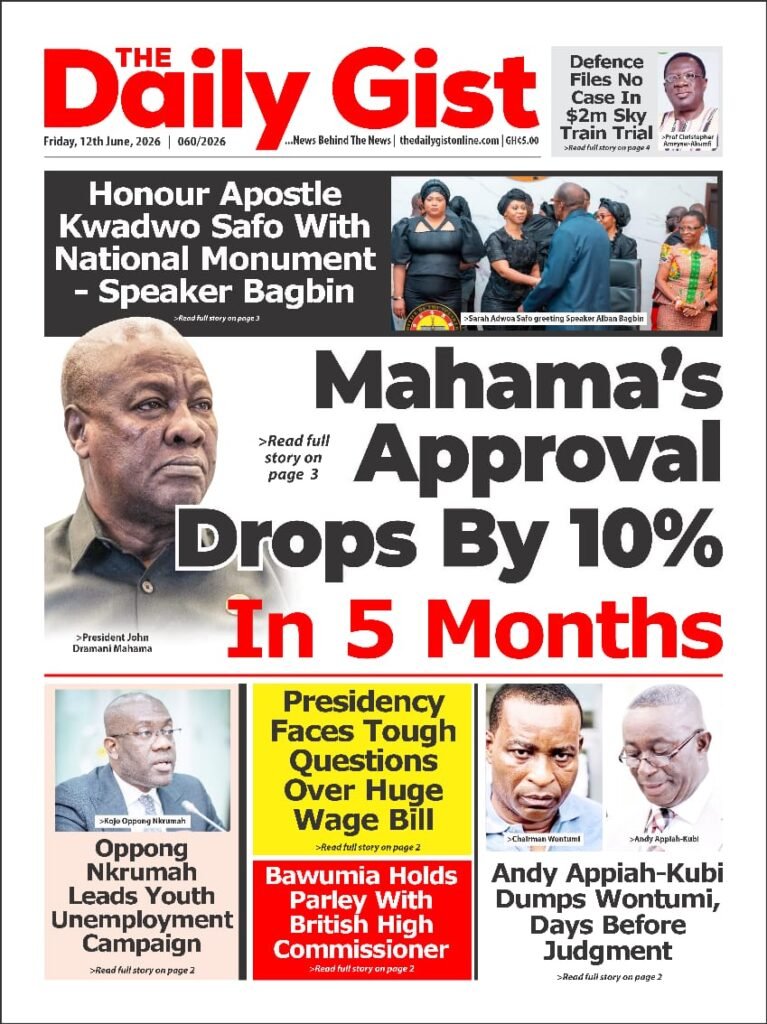
Friday, June 12, 2026. Stay informed with today’s front pages of Ghanaian newspapers, all in one place.
















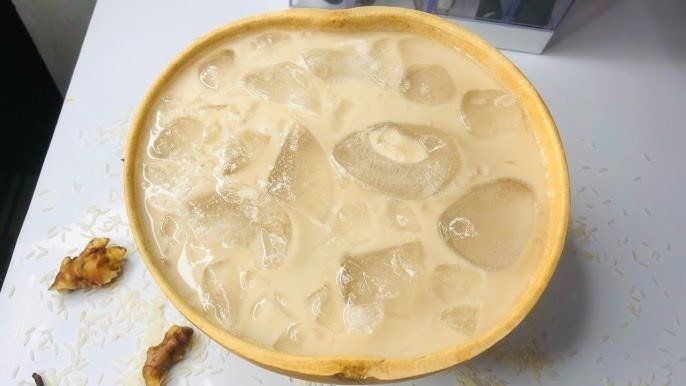
The first sip of Lamugin arrives with a gentle heat — peppery, sweet, smoky, and strangely comforting all at once.
Sold from roadside coolers, market stalls, and small neighbourhood food joints across northern Ghana and beyond, Lamugin is one of those drinks that quietly tells the story of place, memory, and tradition.
Made primarily from rice, ginger, cloves, pepper, and sometimes hints of vanilla or local spices, Lamugin sits somewhere between a refreshing beverage and a natural wellness tonic.
Served cold in transparent bottles or plastic cups packed with ice, it has become especially popular on hot afternoons when Ghana’s sun hangs heavily over crowded streets and open markets.
Its aroma often arrives before the drink itself — the sharp scent of ginger blending with earthy spices familiar to many Ghanaian kitchens.
The flavour follows with layers that shift between sweet and fiery, leaving behind a lingering warmth that explains why many people consider it both refreshing and medicinal. Some drink it for energy, others for digestion, and many simply because it tastes like home.
@chefabbys Originally, Lamugee is a Ghanaian spice drink made from Rice and Tamarind. People confuse this with Zomkom which is made with Millet ❤️ Willl you try this?? #fyp #foryou #foryoupage #viral ♬ Ojapiano – Kcee
Although deeply rooted in northern Ghanaian food culture, Lamugin has steadily crossed regional boundaries, appearing in cafés, food festivals, and modern juice bars in Accra and Kumasi.
For visitors exploring Ghanaian cuisine beyond jollof rice and waakye, it offers something distinctively local and memorable.
What keeps Lamugin beloved is its balance of simplicity and character. In a country rich with flavour, it remains one of Ghana’s most quietly unforgettable drinks — cooling in temperature, bold in personality, and unmistakably Ghanaian.