
Uncategorized
Ghana Has Earned $11.58 Billion From Oil Since 2011: Major Infrastructure Funded Amid Criticisms


Since commercial oil production began in 2011 at the Jubilee Field, Ghana has accrued approximately $11.58 billion in revenues.
These funds have been channelled into critical infrastructure, education, and stabilization efforts, though experts criticize the absence of a unified long-term national development plan.
A detailed breakdown shows allocations including $3.15 billion to the Ghana National Petroleum Corporation (GNPC) for operational and exploratory costs, $2.6 billion to the Ghana Stabilisation Fund (with withdrawals for debt and budgets), and $1.1 billion to the Ghana Heritage Fund (now grown to about $1.3 billion through investments).
The largest portion, $4.5 billion via the Annual Budget Funding Amount (ABFA), has supported projects like Kotoka International Airport Terminal 3, the Kojokrom-Tarkwa railway line, Free Senior High School policy, and the ongoing “Big Push” road initiatives in 2025.
Revenue peaked at $1.43 billion in 2022 but has declined with falling production, recording $370 million in the first half of 2025.
Analysts praise visible gains in transport, education, and health but point to fragmented execution, delays, and cost overruns due to ad-hoc decisions rather than a Parliament-approved overarching strategy.
Comparisons to Norway’s sovereign wealth model highlight opportunities missed for intergenerational savings.
As production challenges persist, calls grow for transparent, strategic management to maximize benefits for future generations.



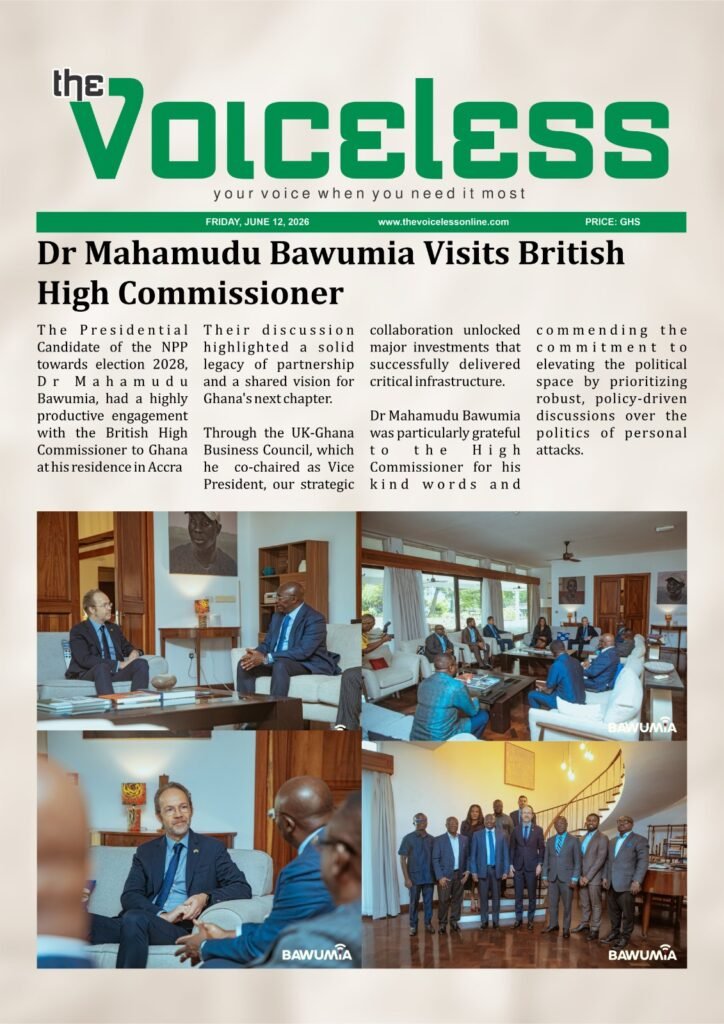
Friday, June 12, 2026. Stay informed with today’s front pages of Ghanaian newspapers, all in one place.
















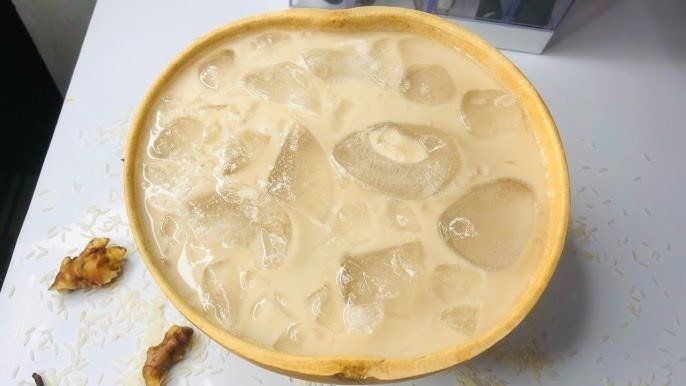
The first sip of Lamugin arrives with a gentle heat — peppery, sweet, smoky, and strangely comforting all at once.
Sold from roadside coolers, market stalls, and small neighbourhood food joints across northern Ghana and beyond, Lamugin is one of those drinks that quietly tells the story of place, memory, and tradition.
Made primarily from rice, ginger, cloves, pepper, and sometimes hints of vanilla or local spices, Lamugin sits somewhere between a refreshing beverage and a natural wellness tonic.
Served cold in transparent bottles or plastic cups packed with ice, it has become especially popular on hot afternoons when Ghana’s sun hangs heavily over crowded streets and open markets.
Its aroma often arrives before the drink itself — the sharp scent of ginger blending with earthy spices familiar to many Ghanaian kitchens.
The flavour follows with layers that shift between sweet and fiery, leaving behind a lingering warmth that explains why many people consider it both refreshing and medicinal. Some drink it for energy, others for digestion, and many simply because it tastes like home.
@chefabbys Originally, Lamugee is a Ghanaian spice drink made from Rice and Tamarind. People confuse this with Zomkom which is made with Millet ❤️ Willl you try this?? #fyp #foryou #foryoupage #viral ♬ Ojapiano – Kcee
Although deeply rooted in northern Ghanaian food culture, Lamugin has steadily crossed regional boundaries, appearing in cafés, food festivals, and modern juice bars in Accra and Kumasi.
For visitors exploring Ghanaian cuisine beyond jollof rice and waakye, it offers something distinctively local and memorable.
What keeps Lamugin beloved is its balance of simplicity and character. In a country rich with flavour, it remains one of Ghana’s most quietly unforgettable drinks — cooling in temperature, bold in personality, and unmistakably Ghanaian.
Festivals & Events
STEM, Sustainability, and Sisterhood: Inside Accra’s Landmark Environmental Conference

On a humid July morning in Accra, the campus of the University of Ghana begins to hum with a different kind of energy. It’s not just lectures and deadlines in the air, but conversations about rivers, forests, solar panels, and the futures of girls who will one day shape them.
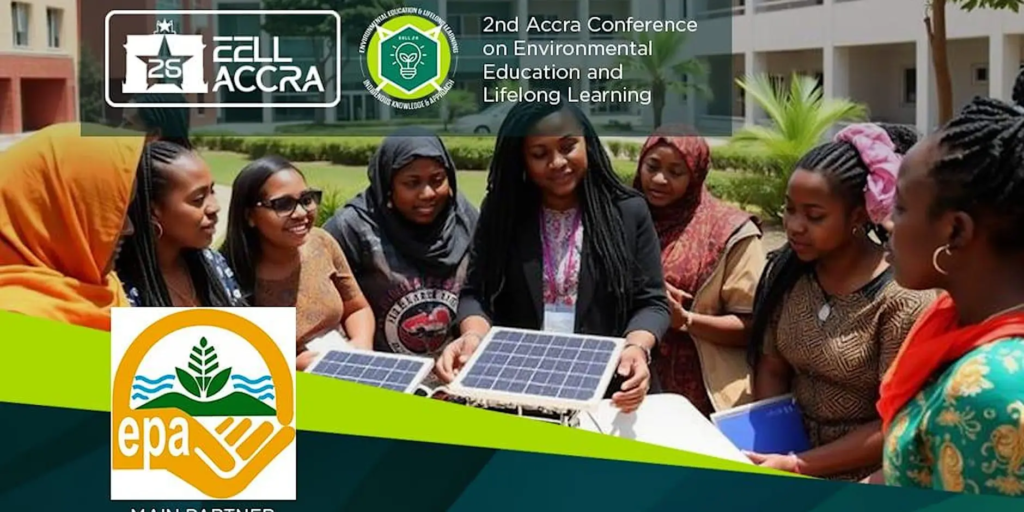
The 2nd Accra Conference on Environmental Education & Lifelong Learning arrives not as a routine gathering, but as a meeting of ideas grounded in purpose.
At its core, the conference—organized by the Pan African Centre for Climate Policy—explores a powerful idea: that empowering girls through STEM can unlock solutions to Africa’s most urgent environmental challenges.
Building on its inaugural edition, this year’s theme pushes further, connecting lifelong learning with climate resilience, renewable energy, conservation, and sustainable agriculture.
In a continent where traditional knowledge and modern science often intersect, the conference becomes a space where both are valued equally.
What makes this event stand out is how it blends intellectual exchange with lived experience. Visitors can expect panel discussions that move beyond theory, showcasing grassroots innovations led by young women across Africa.
There are storytelling sessions rooted in indigenous ecological wisdom—practices passed down through generations but now finding new relevance in climate conversations.
The atmosphere is collaborative rather than formal, with educators, policymakers, students, and community leaders sharing the same space and, often, the same urgency.
Step outside the conference halls, and the experience widens. Accra itself becomes part of the story. Between sessions, attendees might wander through nearby markets, sample local dishes like waakye or kelewele, or strike up conversations that continue long after the panels end.
Cultural exchanges unfold naturally—through language, food, and shared curiosity. It’s a reminder that sustainability isn’t just about systems; it’s about people and how they live.
For international visitors, the conference offers a rare window into Africa’s environmental dialogue—one shaped not by distant narratives, but by those living the realities.
For Ghanaians, it’s an opportunity to reconnect with both heritage and possibility: to see how traditional practices can inform modern solutions, and how young women are stepping into roles that redefine leadership.
By the time the conference closes on July 24, the conversations won’t simply end—they’ll ripple outward. Because what begins in a lecture hall in Accra has the potential to influence classrooms, communities, and policies across the continent.



-

 Ghana News1 day ago
Top Headlines From Ghanaian Newspapers: Monday, Sept. 7, 2026
-
 Festivals & Events2 days ago
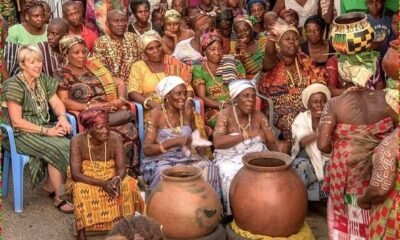
Dzawuwu: The Volta Festival That Celebrates Agave Bravery
-

 Ghana News7 hours ago
How Ghana’s Government Pressured MTN, Telecel, and AirtelTigo to Cut Data Prices
-
 Sights and Sounds1 day ago
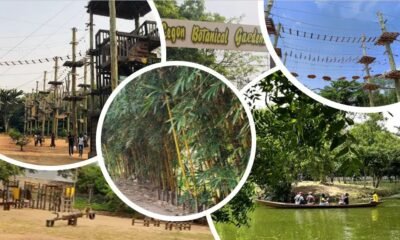
Trade Accra’s Traffic for Treetops at Legon Botanical Gardens
-
 Arts and GH Heritage12 hours ago
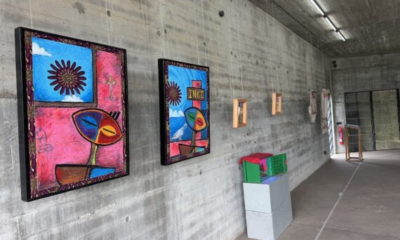
The Stories We Live With: Inside Nubuke Foundation’s Weight of the Ordinary
-

 Ghana News8 hours ago
Top Headlines From Ghanaian Newspapers: Tuesday, Sept. 8, 2026
-

 Ghana News7 hours ago
Buckingham Palace Responds to Jamaica’s $10 Billion Reparations Demand, But the UK Government’s Wallet Remains Shut
-

 Health & Wellness1 day ago
Why 500 Sit-Ups a Day Won’t Reveal Your Abs