
Fashion & Style
The Shirt Code: How Small Design Details Define the Difference Between Formal and Casual Style

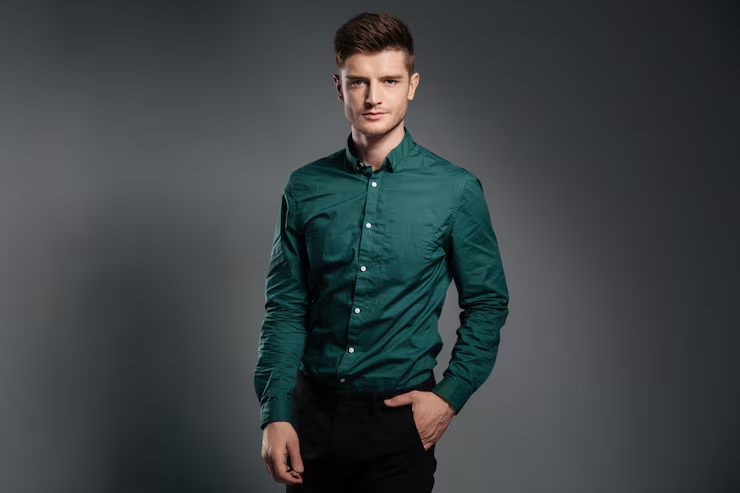
Sometimes, the difference between looking boardroom-ready and effortlessly relaxed comes down to details many people overlook.
A shirt may appear simple, but its collar, buttons, front construction and fabric can determine whether it belongs in a formal wardrobe or a casual one.
Reading the Details
One useful way to distinguish formal shirts from casual shirts is to examine their construction.
A stiff collar, for instance, traditionally signals formal dressing. Designed to maintain its shape, it gives a shirt a structured appearance that works particularly well under suits and blazers.
Casual shirts, on the other hand, often feature button-down collars, where small buttons secure the collar points to the shirt.
The front design also offers clues. A shirt without a visible placket, or with a cleaner front construction, can create a more streamlined and formal appearance.
Shirts featuring a prominent placket tend to lean towards casual styling, although the distinction is not absolute.
Fabric and colour provide another useful guide. Solid-coloured shirts, particularly in white, light blue and other understated shades, remain dependable choices for professional settings.
Patterned shirts, including checks, stripes and playful prints, generally communicate a more relaxed personality.
Dressing With Intention
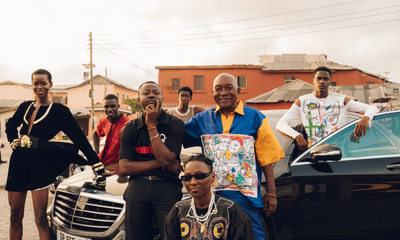
For professionals in Accra’s increasingly style-conscious business environment, understanding these distinctions can make wardrobe decisions easier.
Whether attending a corporate meeting, a networking event or a weekend social gathering, choosing the appropriate shirt helps communicate confidence and awareness of the occasion.
However, fashion rules are not rigid. Contemporary menswear frequently blends formal and casual elements, with button-down collars appearing in smart-casual outfits and patterned shirts finding their way into creative workplaces.
Ultimately, dressing well is not simply about owning expensive clothes. It is about understanding design, recognising context and knowing how individual details shape the impression you make.








Fashion & Style
Accra Fashion Week Plans Buyer-Distribution System To Turn African Designers Into Commercial Success Stories
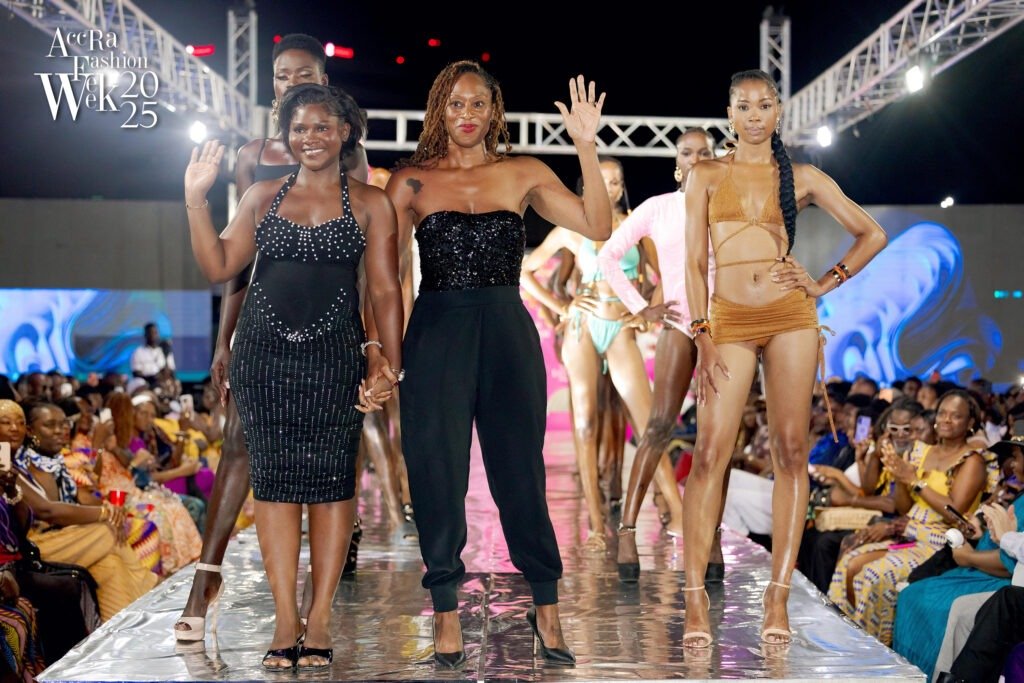
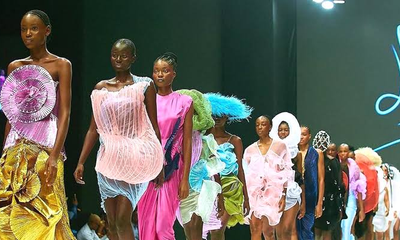
For many African designers, the runway is the easy part. Getting their collections into boutiques, securing wholesale orders and finding customers willing to pay for their creativity is often the bigger challenge. Accra Fashion Week now wants to change that equation by building a buyer-distribution system in Ghana’s capital.
Founder and head of the platform, Nana Addo Tamakloe, is pushing for a new commercial direction as the fashion event enters its second decade. His ambition is to move beyond the familiar spectacle of models, cameras and celebrity appearances towards a structured network connecting African fashion designers with retailers, boutiques, corporate buyers and distribution partners.
Tamakloe believes Ghana’s fashion shows have become effective platforms for publicity and brand exposure, but that visibility must translate into business opportunities if designers are to build sustainable labels.
His vision draws on Accra Fashion Week’s original objectives when it launched in 2016. Its early Batiks to Boutique initiative sought to encourage local boutiques to stock Ghanaian designers instead of depending heavily on imported clothing.
Now, he wants to expand that thinking into a more organised commercial framework.
His participation in the BRICS+ Fashion Summit also provides an international platform to advance conversations about trade, market access and opportunities for African fashion businesses. He previously represented Ghana at the Moscow summit.
The proposed system could help position Accra as a commercial destination for Afrocentric fashion brands, connecting creative talent with the infrastructure needed to reach customers locally and internationally.
For Ghana’s fashion industry, the ambition signals an important change in priorities. A successful collection should not simply generate applause on the runway; it should generate orders, reach retail shelves and create sustainable income for its designer.
The future of African fashion may depend as much on who buys the clothes as who wears them.
Fashion & Style
Accra Fashion Week Celebrates 10 Years of Championing African Fashion and Creative Excellence
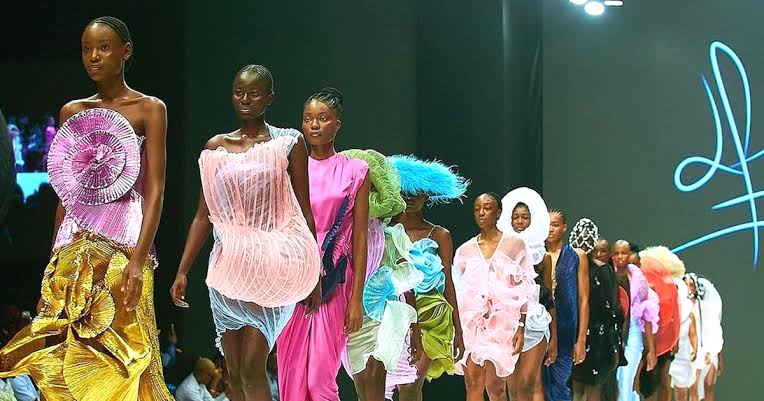
Fashion is more than what appears on the runway. It is a statement of identity, a celebration of creativity and an industry sustained by the people who bring ideas to life.
As Accra Fashion Week approaches its 10th anniversary, the Ghanaian fashion platform is preparing a landmark celebration that reflects a decade of championing African designers, creative talent and the business of style.
A Decade of Giving African Fashion a Platform
Established in 2016, Accra Fashion Week has provided designers with opportunities to showcase collections, connect with international audiences and position African fashion within wider conversations about global style.
Its journey has included virtual presentations during 2020 and international collaborations, demonstrating the platform’s ability to adapt to an evolving creative industry.
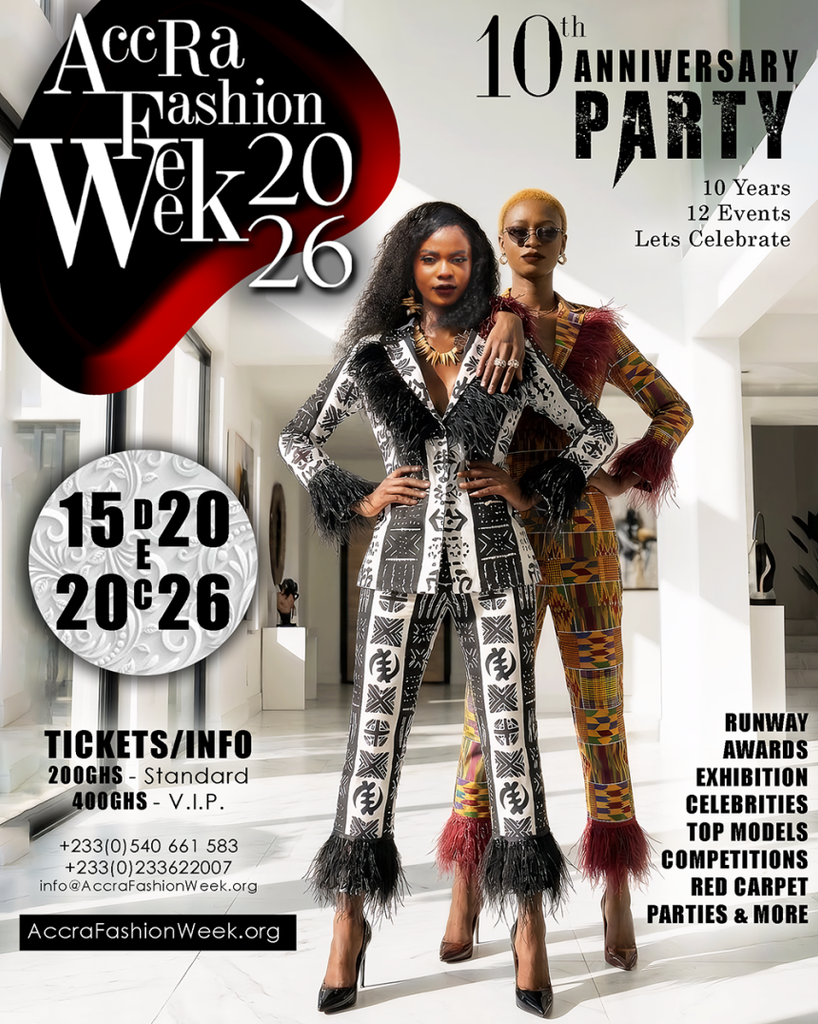
The anniversary edition promises more than conventional runway presentations. Fashion Talk, an online discussion platform, will bring designers, entrepreneurs and industry professionals together to exchange ideas about the opportunities and challenges shaping African fashion.
The Swimwear Deluxe Show will introduce another dimension to the celebrations, placing swimwear design, confidence and presentation in the spotlight.
FashionGHANA Honors & Awards Makes a Comeback
One of the most anticipated developments is the return of FashionGHANA Honors & Awards, last held in 2022. The awards recognise contributions from designers, models, photographers, stylists, entrepreneurs and other professionals whose work supports the industry.
Its return reinforces an important message: African fashion is built not only by the faces walking the runway but also by the creative talent working behind the scenes.
As Accra Fashion Week celebrates ten years, its anniversary offers an opportunity to recognise how far Ghana’s fashion industry has travelled while considering what comes next. The next decade will belong to those who continue to turn African creativity into cultural influence and international opportunity.
Fashion & Style
Beyond Fashion: How African Skincare Brands Are Redefining Beauty for Melanin-Rich Skin
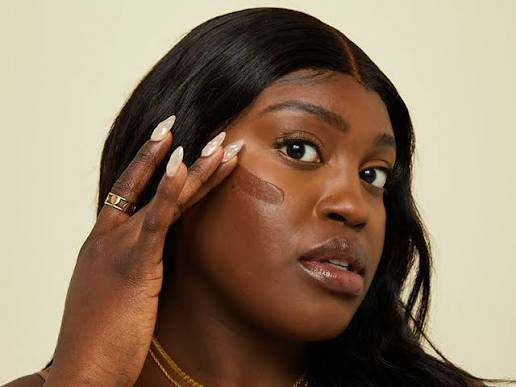
Personal style does not begin and end with what a woman wears. For many Black women, feeling confident in their appearance also means caring for their skin, embracing their natural complexion, and finding beauty products that understand the needs of melanin-rich skin.
Hyperpigmentation, which causes darker patches to appear when excess melanin accumulates in certain areas, remains a common skincare concern.
Acne scars, sun exposure, hormonal changes, and irritation can all contribute to uneven skin tone.
Increasingly, African beauty brands are offering products designed to address these concerns without encouraging women to lighten their natural complexion.
African Ingredients, Modern Beauty Solutions
In Ghana, MelaSkin SPF 50+ offers sun protection formulated for melanin-rich skin, addressing a common misconception that darker skin does not need sunscreen.
Daily sun protection is important because ultraviolet exposure can deepen existing dark spots.
Other African brands are also finding their place in contemporary skincare routines. Nigeria’s Arami Essentials offers Onyx Polish, a black soap blend featuring honey and shea butter, while Ghana’s Skin Gourmet has its Baobab Glow Toner, formulated with fruit acids for exfoliation.
South African brand Orí Lifestyle offers a Radiance Serum combining vitamin C, niacinamide and African botanicals to help improve uneven skin tone.
Confidence in Natural Beauty
A consistent routine combining gentle cleansing, suitable exfoliation, targeted treatments, moisturising and sunscreen can help improve the appearance of hyperpigmentation over time.
For African women, the growing availability of locally produced skincare represents more than another beauty trend. It reflects a wider appreciation of products developed with their skin needs in mind.
Ultimately, healthy, cared-for skin is an expression of personal confidence, and beautiful style is all the better when women feel comfortable in their natural complexion.


Stronger Hands, Stronger Body: Why Grip Training Deserves a Place in Your Workout

The Shirt Code: How Small Design Details Define the Difference Between Formal and Casual Style

Fetish Festival: Celebrating the Sacred Monkeys of Tafi Atome
-

 Commentary2 days ago
After Trump’s Midterm Defeat, Russia and China will Encounter a Cooler US
-

 Ghana News2 days ago
In Ghana, ECOWAS Renews Counter-Terrorism Envoy’s Mandate Amid Rising Regional Threats
-

 Africa Watch2 days ago
Long-Term Observers Deployed to The Gambia as ECOWAS Closely Monitors Dec 5 Poll
-

 Opinion24 hours ago
Governance Crisis Threatens Progress, Reputation of the University of The Gambia
-

 Ghana News23 hours ago
Ghana’s Sahel Problem: Why President Mahama Is Arming the BNI Now
-

 Reels & Social Media Highlights2 days ago
A Fake ₵38 Note, a Deadly Blaze, and Don Little’s Police Run-In: Ghana’s Social Media Mood
-

 Sights and Sounds1 day ago
Ghana BlueFins Turns Swimming into a Lifelong Skill
-
 Homes & Real Estate18 hours ago
Building Better Homes: Why Every Room Deserves a Different Design Approach