
Homes & Real Estate
Building Better Homes: Why Every Room Deserves a Different Design Approach

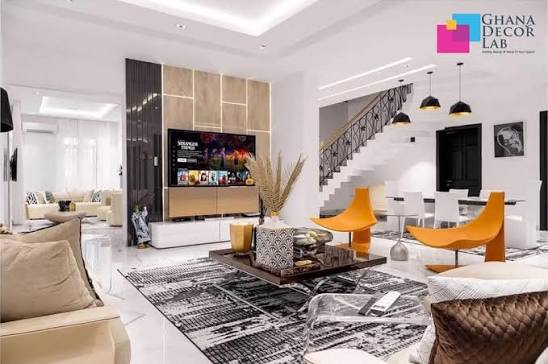
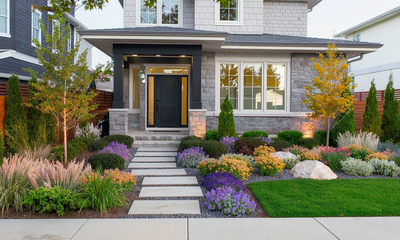
A beautiful home is not necessarily a practical one. From elaborate ceiling finishes that trap kitchen grease to moisture-sensitive materials in bathrooms and balconies, seemingly small interior design decisions can create expensive maintenance problems for homeowners.
In Ghana’s growing residential property market, choosing the right materials for each space is becoming an important part of protecting long-term property value.
Function Before Appearance
Every room has different demands, and interior design should reflect how each space is used. Bathrooms require properly tiled walls and floors that can withstand regular exposure to water, while balconies and other moisture-prone areas benefit from cement board ceilings rather than conventional Plaster of Paris (POP), which can deteriorate when exposed to moisture.
Inside the home, however, POP offers greater flexibility for decorative ceiling designs. Although cement board is generally harder to work with and can cost more to install, the choice ultimately depends on the room’s requirements.
Kitchens provide another example of why practicality matters. A simple, flat ceiling is often easier to clean and maintain than one filled with decorative grooves and recessed details, particularly when cooking grease accumulates or an extractor fan stops working.
Design Choices That Protect Property Value
Living rooms and bedrooms, meanwhile, can benefit from multiple lighting sources, combining ceiling lights with other strategically positioned fixtures to create flexibility and comfort.

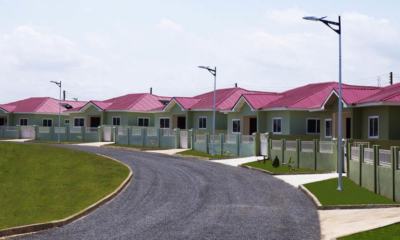
For homeowners building or renovating in Ghana, where construction and maintenance costs can place considerable pressure on household budgets, making appropriate material choices from the beginning can help prevent unnecessary repair expenses.
Get the Right Professionals Involved
The distinction between interior designers and interior decorators is also important. While decorators primarily focus on aesthetics and furnishings, interior designers consider functionality, spatial planning and material suitability.
Ultimately, successful home design requires understanding how each space will be used, hiring qualified professionals and making informed compromises. A home should look good, but it should also work well for the people living in it.








You open your wardrobe to pick out a freshly washed shirt, only to be greeted by a musty smell. Your clothes seem to have absorbed the scent of the house, and repeated washing does little to solve the problem.
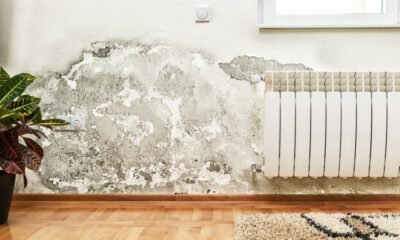
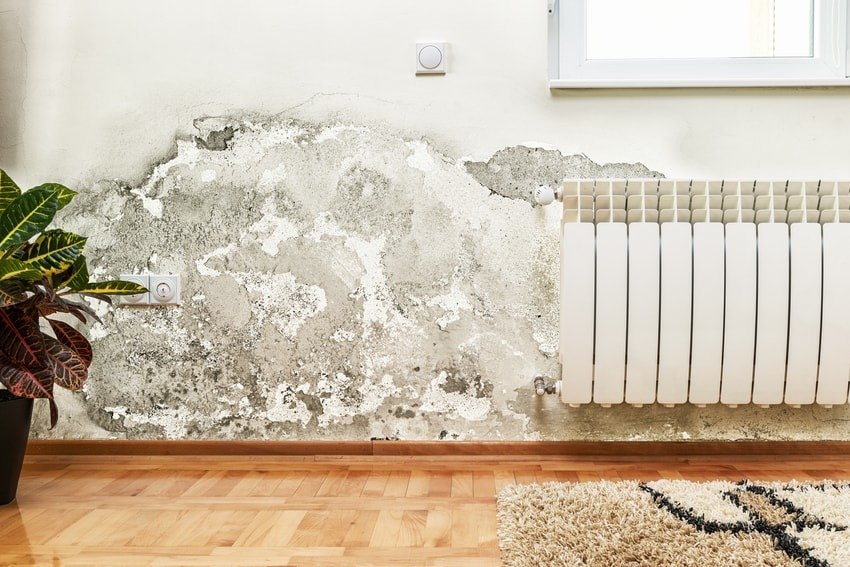
The culprit may not be poor housekeeping but moisture creeping through your home. For homeowners in Ghana, overlooking damp-proofing during construction can turn an otherwise beautiful property into an expensive maintenance headache.
Stop Moisture Before It Reaches Your Walls
Rising damp occurs when moisture travels upwards from the ground through floors and walls, potentially damaging plaster, paintwork, furniture and built-in wardrobes. If moisture reaches the back panels of wardrobes, it can encourage mould growth and produce the familiar musty smell that clings to clothing.
The solution begins during construction. A properly installed damp-proof membrane (DPM) acts as a barrier against moisture rising through the building’s foundations and floors. Walls also require appropriate moisture protection to prevent water penetration.
Choose Materials That Can Withstand Moisture
Wardrobe construction deserves particular attention. Standard medium-density fibreboard (MDF), especially when unprotected, can absorb moisture and deteriorate.
Higher-density boards, such as high-density fibreboard (HDF), with suitable protective finishes or veneers, may offer better resistance, although they are not waterproof.
Older approaches, including Formica-covered surfaces, also provide a protective layer, but they cannot replace proper damp-proofing at the source.
Get the Construction Details Right
Humidity is another consideration. Poor ventilation and inadequate moisture extraction can encourage condensation and mould, even where rising damp is not present.
For Ghanaian homeowners investing substantial sums in construction, cutting corners on damp-proofing can undermine the value of the entire property. Hiring qualified professionals, selecting appropriate materials and supervising installation are essential.
A comfortable home should smell fresh, not musty. Protecting it starts beneath the surface.
Homes & Real Estate
The Power of Location: Why Accra’s Prime Neighbourhoods Attract Property Investors

In Accra’s competitive property market, the difference between a promising investment and an underperforming asset can come down to a simple question: where is it located?
Beyond architectural appeal and attractive interiors, accessibility, neighbourhood infrastructure and proximity to essential services increasingly shape the desirability and long-term value of residential properties.
Location as a Measure of Investment Value
Neighbourhoods such as Roman Ridge, Airport Residential Area, Cantonments, Labone and Dzorwulu continue to attract attention from homeowners, tenants and property investors.
Their appeal lies partly in their proximity to commercial centres, international schools, healthcare facilities, shopping destinations and major transport routes.
For international buyers and Ghanaians in the diaspora, accessibility to Kotoka International Airport is another consideration, particularly when purchasing properties for rental income or occasional personal use.
A well-positioned property can attract a broader pool of tenants, support occupancy levels and offer stronger resale prospects. However, investors must also consider purchase prices, maintenance costs and prevailing rental demand when assessing potential returns.
The Address: Building on Roman Ridge’s Appeal
These considerations underpin the positioning of The Address, a residential development in Roman Ridge, one of Accra’s established upscale neighbourhoods.
Comprising three towers, the development offers different residential options designed to accommodate both short-term and long-term rental needs. Its selling points include contemporary architecture, varied unit configurations, high-end amenities and a residential community.
For investors, the combination of location and flexible rental options presents an opportunity to serve different categories of occupants, from corporate professionals to international visitors seeking accommodation in Accra.
As the capital continues to expand, choosing a property requires looking beyond the building itself. The surrounding neighbourhood, its infrastructure, and its ability to attract residents will remain central to investment decisions.

A house can have an impressive design, expensive roofing, and beautiful finishes, but its long-term durability may depend on something easily overlooked: the quality of the blocks used to build its walls.
For anyone constructing a home in Ghana, checking the strength of concrete blocks before accepting a supplier’s delivery could prevent costly problems later.
Not All Blocks Carry the Same Load
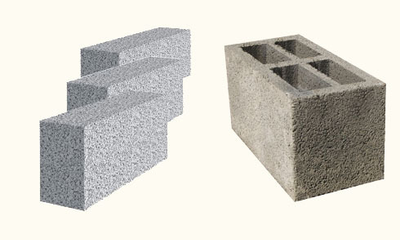
Two common types of concrete blocks used in construction are load-bearing and partition blocks. Load-bearing blocks are designed to support structural loads, while partition blocks are primarily used to divide internal spaces without carrying significant structural weight.
The choice depends on the building’s design. A bungalow constructed with load-bearing masonry walls may require stronger blocks, whereas a framed building with reinforced concrete columns and beams can use partition blocks for internal walls.
The strength of concrete blocks is measured in megapascals (MPa), not kilometres per square metre. The required strength should be determined by the structural design and applicable building standards.
Put Your Supplier’s Delivery to the Test
A simple drop test can provide an initial warning. If a block breaks when dropped from approximately chest height onto a firm surface, its quality deserves serious scrutiny. However, surviving the test does not automatically establish that it is strong enough for construction.
For greater certainty, take randomly selected blocks from different positions within the delivery batch to an accredited materials-testing laboratory. There, technicians can conduct compressive strength tests to establish whether the blocks meet the required specification.
Protect Your Investment Before Construction
For Ghanaian homeowners, particularly those managing construction remotely or buying materials from small-scale manufacturers, independent testing offers an important safeguard. Agreeing on minimum strength requirements and replacement arrangements with suppliers also helps prevent disputes.
Ultimately, inspecting blocks before they enter the wall is a small investment that can protect a much bigger one: your home.


Stronger Hands, Stronger Body: Why Grip Training Deserves a Place in Your Workout

The Shirt Code: How Small Design Details Define the Difference Between Formal and Casual Style

Fetish Festival: Celebrating the Sacred Monkeys of Tafi Atome
-

 Commentary2 days ago
After Trump’s Midterm Defeat, Russia and China will Encounter a Cooler US
-

 Ghana News2 days ago
In Ghana, ECOWAS Renews Counter-Terrorism Envoy’s Mandate Amid Rising Regional Threats
-

 Africa Watch2 days ago
Long-Term Observers Deployed to The Gambia as ECOWAS Closely Monitors Dec 5 Poll
-

 Opinion24 hours ago
Governance Crisis Threatens Progress, Reputation of the University of The Gambia
-

 Ghana News23 hours ago
Ghana’s Sahel Problem: Why President Mahama Is Arming the BNI Now
-
 Fashion & Style6 hours ago
The Shirt Code: How Small Design Details Define the Difference Between Formal and Casual Style
-

 Reels & Social Media Highlights2 days ago
A Fake ₵38 Note, a Deadly Blaze, and Don Little’s Police Run-In: Ghana’s Social Media Mood
-

 Sights and Sounds1 day ago
Ghana BlueFins Turns Swimming into a Lifelong Skill