
Health & Wellness
The Real Reason Your Workout Plan Keeps Collecting Dust
They set goals. They make plans. And yet, the numbers tell a cold truth: less than half will actually get where they want to go.

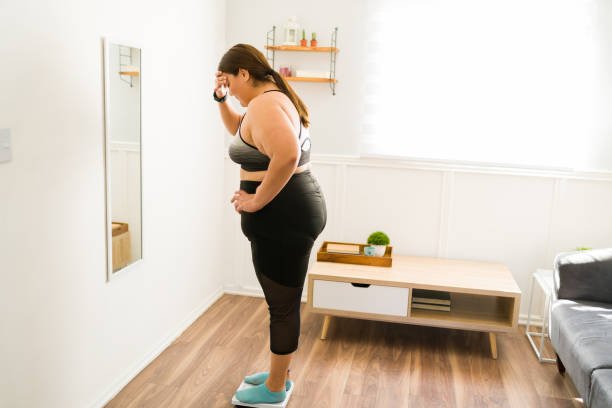
Let’s be honest about something the fitness industry doesn’t want you to hear. Every week, millions of people lace up their shoes with genuine motivation. They set goals. They make plans. And yet, the numbers tell a cold truth: less than half will actually get where they want to go.
This isn’t about lacking grit or wanting it badly enough. It usually comes down to two specific reasons that have nothing to do with your determination.
Read Also: What Happens When You Drink Coconut Water Daily
First, we tend to build on top of a cracked foundation and wonder why everything crashes. Before anyone runs marathons or crushes heavy lifts, they need core habits locked in place. Walking regularly. Eating protein like it’s your job. Getting vegetables in. Sleeping enough. Keeping sugar from running the show. These sound too simple to matter, so most people skip past them.
But here’s what happens. Someone who already walks daily and eats decent food doesn’t have to muster willpower to add a workout. They just stack another brick. The effort piles up naturally. Someone without those basics wakes up exhausted before they even start. Every workout feels like climbing a hill in quicksand. Eventually, they stop climbing.
Second, we let social media lie to us. We see transformations packed into thirty days and believe real life works that fast. It doesn’t. Real life moves slower. It’s less cinematic. Change happens through boring accumulation, week after week, until one day you look back and realize you’re nowhere near where you started.
So here is what actually works. Build the foundation first. Get those boring basics so automatic that doing them feels weird. And make peace with slow progress. Years sound intimidating, but they pass anyway. The question is whether you’ll spend them building or starting over.



I lied to myself for years. Said I didn’t have time for the gym. Said my knees were too old for impact. Said walking to the shop counted as cardio.
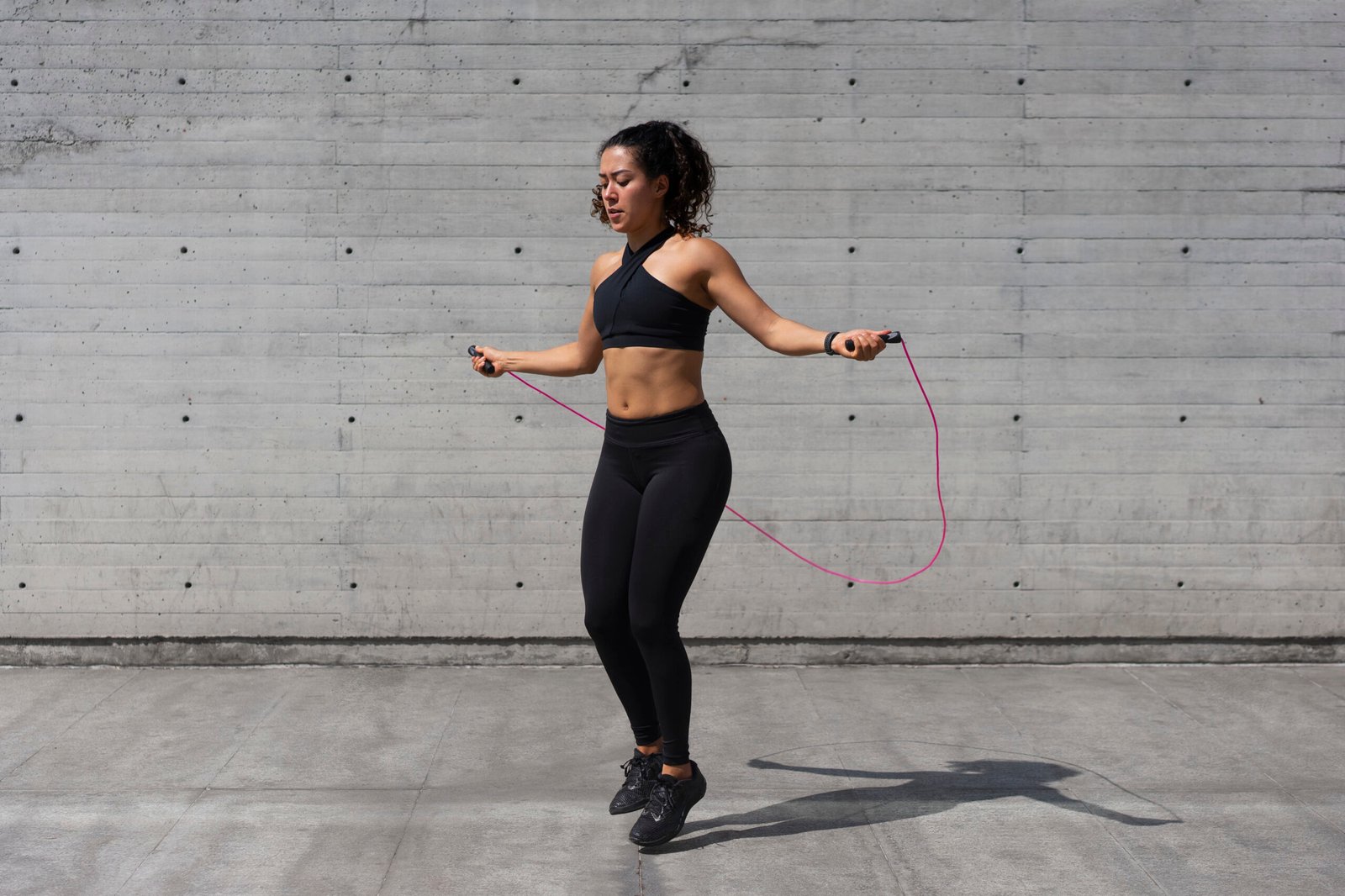
Then a friend handed me a rope. Cheap plastic handles, thin steel cable. Told me to skip for ten minutes straight. I laughed. I’d played football as a teenager. How hard could it be?
Day one humbled me fast.
Thirty skips in, and my calves were on fire. At a hundred, my lungs started making sounds I’d only heard in dying engines. By two hundred, I’d tripped four times and cursed the rope in two languages. The neighbour’s kid watched from his balcony. Probably saved the video.
But something happened on day four. I stopped tripping. My feet remembered the rhythm from childhood. The burning in my calves turned into something else—a warmth that felt almost satisfying. I lasted three minutes without stopping.
Week two is when the body changes.
The scale didn’t move much. But my waistband told a different story. Pants that hugged my stomach last month suddenly hung loose. My wife asked if I was sick. I told her I was just lighter on my feet.
The maths is simple. One thousand skips burns roughly as many calories as running two miles. But skipping hits different. It forces your ankles to stabilise, your calves to fire, and your shoulders to stay loose. By day ten, I wasn’t just jumping rope. I was bouncing, swaying, finding a groove that felt almost musical.
By the end, the mirror doesn’t lie.
Legs tighter. Waist sharper. Standing in the kitchen waiting for tea, I caught myself bouncing on the balls of my feet like a boxer before a fight. The habit had rewired something deep.
Two weeks. One rope. No gym membership required. Sometimes the old ways still work.

The first thing grapes do is station themselves at the gates of your cardiovascular system. Not dramatically—they don’t need capes or sirens.
They just show up with flavonoids and potassium, quietly telling your blood pressure to calm down, reminding your arteries to stay flexible.
People spend fortunes on supplements that try to mimic what a handful of red grapes does naturally. The difference is, supplements don’t taste like summer.
Your Brain Gets a Second Wind
Here’s something they don’t put on the fancy health blogs: grapes remember things. Well, technically, they help you remember things.
Resveratrol—that compound in the skin that makes nutritionists nod knowingly—slips past your blood-brain barrier and wakes up sleepy neurons.
My uncle who sells provisions at the Madina market, swears his mother-in-law’s memory improved after she started keeping grapes in her fridge.
I can’t verify this scientifically, but I can tell you she hasn’t forgotten to collect her rent from him since.
They Stand Guard While You Sleep
Grapes contain melatonin. Not a lot—just enough to gently remind your body that darkness has fallen and rest would be appropriate.
No wrestling with tablets, no counting sheep until you’re dizzy. A small bowl an hour before bed gives your circadian rhythm the nudge it needs.
The Japanese have known this for years. They put grapes in lunchboxes specifically to help children nap. Children who nap are children who don’t terrorize their parents at 4 p.m. Grapes are peacekeepers.
Inflammation Backs Down Slowly
The body keeps score, as they say. Every stressful day, every piece of fried food, every night of poor sleep leaves little marks on your cells.
Grapes send in the cleanup crew, not with aggressive promises or flashy marketing campaigns, but with quiet, persistent anti-inflammatory compounds that work like aunties who show up uninvited and start scrubbing your kitchen.
You don’t notice them doing the work until suddenly everything feels lighter.
A Small Conclusion
I think about my grandmother sometimes, sitting there with her grapes, watching the world exhaust itself around her. She lived to ninety-three, sharp until the very end. When we cleared her house, we found an empty grape bunch in her fruit bowl. It felt like finding a signature.
We spend so much time looking for complicated solutions. Juices that cost a week’s salary. Powders from distant countries with unpronounceable names. Meanwhile, the little purple spheres sit quietly in market stalls all over Ghana, waiting to be noticed. They don’t shout. They don’t need to. They just do their work, one sweet bite at a time.
Pick up a bunch this weekend. Eat them slowly. Your heart, your brain, your sleep, and your cells will thank you in ways you won’t hear but will definitely feel.
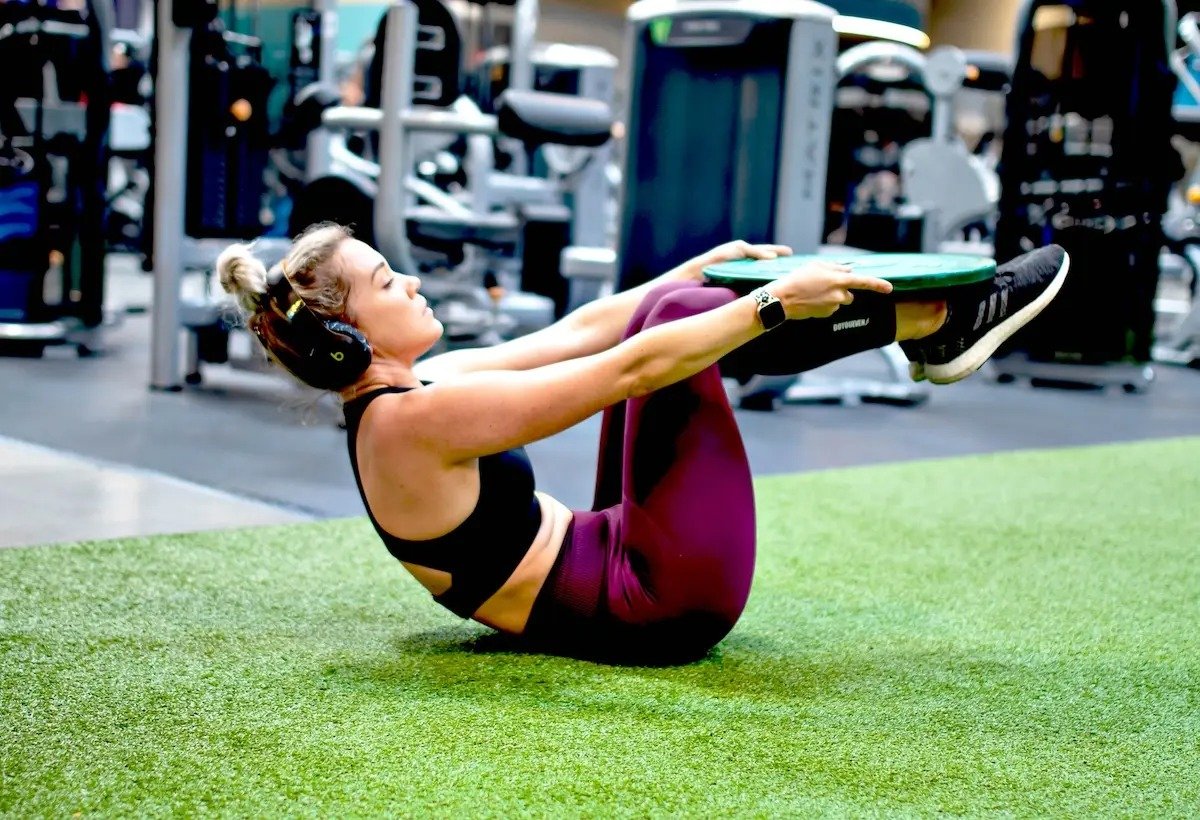
We often judge the effectiveness of a workout by how much we sweat or how sore we feel the next day, but the real magic often happens in the quiet, steady work we do to build a strong foundation. When we talk about “core exercises,” it’s easy to picture someone doing hundreds of crunches on a gym mat. However, the benefits of a strong midsection extend far beyond the aesthetic; they are the biological engine for nearly every move you make.
1. The Ultimate Postural Support System
In a world where we spend hours hunched over laptops and smartphones, our posture is under constant assault. Core exercises act as a corrective suit of armor for your spine. By strengthening the deep muscles surrounding your trunk—including the transverse abdominis and obliques—you naturally pull your shoulders back and align your pelvis. This doesn’t just make you look taller and more confident; it prevents the chronic back pain that plagues millions.
2. Supercharging Everyday Life
Have you ever felt a “tweak” in your back just from lifting a grocery bag or bending down to tie your shoes? That is a cry for core strength. When your core is engaged, it stabilizes your entire torso, allowing your arms and legs to work more efficiently. Think of your core as the cable that stabilizes a radio tower; without it, the structure wobbles. With it, you can lift, twist, and reach with power and safety.
3. The Foundation of Athletic Power
Whether you are a weekend warrior on the tennis court or a runner trying to shave seconds off your mile time, power is generated from the center out. A strong core allows for a more efficient transfer of energy between your lower and upper body. Every punch thrown by a boxer and every swing of a golf club relies on a rotational force that starts deep in the hips and torso. If that center is weak, your power leaks out before it ever reaches your limbs.
4. Balance and Stability as You Age
Core work is the secret to aging gracefully. As we get older, balance is one of the first things to decline, leading to a fear of falling. A strong core improves proprioception—your brain’s ability to know where your body is in space. This translates to steady footing on uneven sidewalks and the ability to catch yourself if you trip.
The Hidden Link: Core Strength and Fat Loss
While a strong core is vital for structure, it also plays a fascinating role in changing your body composition. If your goal is to lean out, here is how strengthening this area helps.
1. You Move Better, So You Burn More
When your core is weak, your body inhibits certain movements to protect itself from injury. You might run slower or avoid certain exercises because they feel “awkward.” A strong core removes these physical inhibitors, allowing you to push harder and longer in your cardio and strength sessions, ultimately torching more calories.
2. Increased Muscle Mass = Higher Metabolism
While you can’t spot-reduce fat from your belly, you can build muscle underneath the fat. Core exercises often involve compound movements (like planks or standing presses) that recruit multiple muscle groups. Increasing this lean muscle mass elevates your resting metabolic rate, meaning you burn more calories even when you’re sitting on the couch.
3. The “Tightening” Effect
When you strengthen the rectus abdominis and transverse abdominis, you are essentially creating a natural “corset” for your torso. As you lose body fat through a caloric deficit, the toned muscle underneath reveals a tighter, leaner appearance. You aren’t just getting smaller; you are getting more defined.
4. Better Digestion and De-Stressing
High-intensity core work stimulates blood flow to the digestive organs. Furthermore, the focus required to hold a plank or balance on a stability ball activates the parasympathetic nervous system, reducing cortisol levels. Lower cortisol means less stress-induced fat storage around the midsection.
Conclusion
Core training is the ultimate long-game investment in your health. It is the bridge between the upper and lower body, the guardian of your spine, and the secret weapon in your fitness journey. So, the next time you drop to the mat for a plank, remember: you aren’t just working toward a six-pack; you are building a resilient, powerful, and efficient body for life.



-

 Business2 days ago
Ghana Records 14th Straight Drop in Inflation, Hits 3.3% in February 2026
-

 Ghana News15 hours ago
69 Years of Independence: Quick Timeline of Ghana’s Biggest Milestones Since 1957
-

 Ghana News22 hours ago
Vendor Defends Frying With Plastic in Oil, Missing Young Woman, and Other Trending Topics in Ghana Today (March 5, 2026)
-

 Ghana News1 day ago
Ghana and St Kitts and Nevis Sign Agreement to Deploy Ghanaian Nurses and Doctors
-

 Global Update21 hours ago
US Tells Stranded Americans in Middle East: Don’t Rely on Government for Evacuation
-

 Ghana News21 hours ago
Ghana’s Independence Day Traditions: A Vibrant Celebration of Freedom, Pride & Unity
-

 Ghana News1 day ago
Newspaper Headlines Today: Thursday, March 5, 2026
-

 Culture17 hours ago
“You’re Supposed to Be Creating Jobs”: Ghana’s Ministry of Creative Arts Under Fire for Using AI Instead of Real Creatives For New Ad