
Reels & Social Media Highlights
The ‘Ghanaian’ Saturday Morning Rhyme That Crossed the Ocean


If you grew up in Ghana in the 90s, Saturday mornings had a soundtrack. And that soundtrack was Chichukule.
The voice belonged to Uncle George Lane—or as the kids called him, Uncle Gorgeous Georgie. On Chichukule, which aired on GTV, he brought stories, rhythms, and life lessons into living rooms across the country. He moved. He danced. He made you feel like he was talking only to you.
But here is the thing about that famous song. Most of us assumed Uncle George wrote it. A new video from @Sankofatapes on Instagram is reminding us that the truth is a little deeper.
The melody had been around for close to a century. It was passed down orally, sung by children long before television existed. Uncle George simply gave it a face and a Saturday time slot.
What happened next? The song slipped out of Ghana and started walking.
Across West Africa, kids sang it. In the Caribbean, it found new playgrounds. And then, something unexpected happened. In the 1970s, two Latin musicians—Willy Colón and Héctor Lavoe—got hold of it.
They sampled the tune, added salsa horns, and turned it into a full-blown Latin track. Also titled Chichukule, it became a salsa record. A piece of Ghanaian childhood, pressed onto vinyl and played in dancehalls across Mexico and Latin America.
Think about that journey. A rhyme whispered by Ghanaian grandmothers to their grandchildren. Carried orally for decades. Placed on television by a man with a big smile. Then floated across oceans to become a salsa rhythm in a language thousands of miles away.
Uncle George may not have invented the song. But he gave it wings. And now, every time that tune plays—whether in a classroom in Accra or a club in Mexico City—it still sounds like Saturday morning.





Ghana’s social media spaces were ablaze on Tuesday, September 7, 2026, as a potent mix of celebrity worship, relationship debates, and viral security concerns captured the nation’s attention.
The digital streets of Facebook and X (formerly Twitter) were anything but quiet, showcasing the country’s unique blend of humour, outrage, and cultural commentary.
@prophetelbernardsfanpage Prophet Bernard Elbernard Nelson-Eshun weeks ago invited Medikal and he showed up at Spiritlife Revival Ministries #prophetbernardelbernard #bernardelbernard #viral #fyp #SpiritlifeRevivalMinistries ♬ original sound – ProphetElbernards_fanpage
One of the most surprising viral moments featured Ghanaian rapper Medikal, whose surprise appearance at Prophet ElBernard’s Spiritlife Revival Ministries sparked widespread discussion.
Dressed sharply and actively participating in worship, the rapper’s presence challenged perceptions about the intersection of secular celebrity and faith, quickly becoming a top-trending conversation.
Meanwhile, a major debate erupted over the Joy Prime podcast ‘Talk Your Shhh‘ after a panellist advised women to pursue married men they considered “good”.
The comments, perceived as promoting infidelity, drew sharp backlash. Celebrities like Efia Odo and Moliy condemned the advice, fueling a fiery debate about morality and media influence.
Adding a lighter, cross-border twist, a new Ghanaian marriage registry app named Marrify went viral—but for an unexpected reason.
The app’s promotional image featured South African actor S’dumo Mtshali, who has become a pan-African meme for infidelity.
Ghanaians and South Africans flooded the timeline with jokes, dubbing him the “Face of Cheaters” as the app allowed users to check marital status.
Concerns over security also trended after a disturbing CCTV clip of a daylight armed robbery circulated widely, sparking outrage and fear.
TRENDING 🇬🇭🚨:
— WithAlvin 🇬🇭 (@withAlvin__) September 7, 2026
CCTV Footage Shows How Robbers Entered a Home, Shot, and Made Off With Valuables
These robbers are getting bolder by the day! I trust the Ghana Police pic.twitter.com/35ZZXfTOpS
The nation’s social mood oscillated between humour and serious debate, reflecting a society deeply engaged with faith, celebrity culture, and pressing social issues.
Reels & Social Media Highlights
From Viral Outrage to Economic Pain: The Trends That Dominated Ghana’s Digital Town Square
If you logged into Ghana’s social media space on Tuesday, September 1, 2026, you encountered a digital town square buzzing with a potent mix of outrage, defence, and economic anxiety.
It was a day when the nation’s cultural and economic nerves were laid bare across Facebook and X, proving that the Ghanaian online community is as reactive as it is resilient.
The most explosive topic was the controversy surrounding young content creator Adobea. A video showing the minor with what looked like a branded alcoholic beverage at a public spot sparked immediate and widespread condemnation, triggering fierce debates about child safety and adult negligence.
Broadcast journalist Nana Aba Anamoah led the charge, slamming the adults present for their “spectacular adult stupidity”.
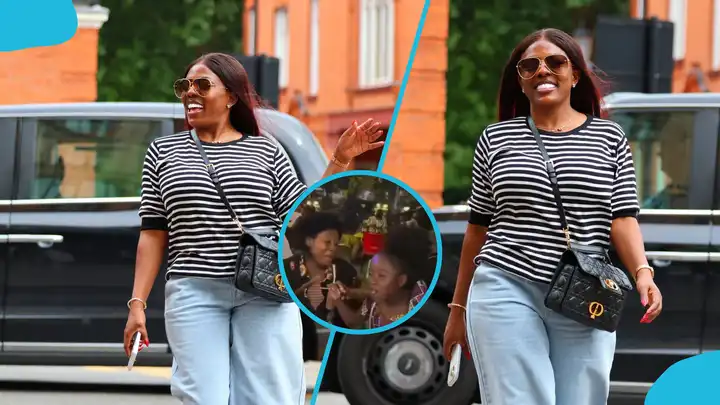
While Adobea and fellow creator Efya Gongon later claimed the bottle contained water and was part of an educational project, skepticism ran high, with calls for police intervention.
Simultaneously, the economic mood was souring online as Oil Marketing Companies began implementing fuel price increases.
With petrol hitting around GH¢16 per litre and diesel rising despite a government subsidy, a wave of frustrated commentary flooded timelines, connecting the higher cost of living to everyday struggles.
Some people have really lost the plot. A grown woman (clearly without a functioning brain) is sitting right beside a child drinking Smirnoff Ice, while another fool is busy filming the whole thing instead of stopping it. Not only did nobody have the sense to take the drink away,… pic.twitter.com/nX7SOfuVom
— nana aba (@thenanaaba) September 1, 2026
While not as explosive as the Adobea saga, the fuel hike grounded the digital conversation in the realities of the pocketbook, dominating discussions about the economy’s trajectory.
These trends reveal a Ghanaian social media space that is deeply concerned with protecting its youth while simultaneously grappling with the weight of economic hardship.
The Adobea incident reflects a growing intolerance for perceived irresponsible content creation, while the reaction to fuel prices signals a populace closely monitoring governance and its impact on survival. It was a day of both viral fury and necessary realism.
Ghana’s digital streets were anything but quiet this Sunday as a potent cocktail of viral moments, celebrity drama, and economic chatter dominated timelines.
From a chief’s bold display of faith to a beauty queen’s scare and a debate over a teenager’s lavish gift, Ghanaians served up their signature blend of humour, concern, and sharp commentary.
The day’s most captivating visual came from the Central Region, where Nana Kobena Kwedu IV, the Tufohene of Gomoa Ngyiresi, was filmed lifting a Bible high during a palanquin dance at a festival.
The video ignited a spirited debate online, with many interpreting the gesture as a powerful declaration of faith, while others saw it as a masterful fusion of tradition and spirituality. It quickly became a defining image of the weekend.
The mood shifted sharply with the alarming news that former beauty queen Ohemaa GMB had reportedly attempted to take her own life following a theft allegation.
The story trended intensely for hours, sparking an outpouring of concern and a broader conversation about mental health.
Ohemma Sappama Angela, the Bono East Region representative in Ghana's Most Beautiful 2023, was caught in a theft incident where she allegedly stole an Abaya lace and ladies dress.
— K.floyd🥷 (@itz_rande) August 21, 2026
From Ghana most beautiful competition to this. Life 💔 pic.twitter.com/H8mdCt7HtK
Thankfully, the reports were later debunked by a Dunkwa-based blogger, with friends confirming she was alive, prompting a collective sigh of relief from netizens.
Meanwhile, a more light-hearted debate erupted over a video of a University of Ghana student, Caroline Dede Pardie, receiving a three-bedroom house and an iPhone 16 Pro Max for her 20th birthday.
While many celebrated the mother’s generosity, the video also triggered a fierce online debate about privilege and whether a three-bedroom house qualifies as a “mansion”.
These trending moments—from a chief’s piety to a celebrity’s crisis and a display of extreme wealth—underscore the vibrant, unfiltered, and often contradictory nature of Ghanaian digital culture.
They reflect a society that is deeply spiritual, socially conscious, and always ready to weigh in on the rich tapestry of its public life.



-

 Ghana News2 days ago
Top Headlines From Ghanaian Newspapers: Monday, Sept. 7, 2026
-
 Festivals & Events2 days ago
Dzawuwu: The Volta Festival That Celebrates Agave Bravery
-

 Ghana News13 hours ago
How Ghana’s Government Pressured MTN, Telecel, and AirtelTigo to Cut Data Prices
-

 Sights and Sounds2 days ago
Trade Accra’s Traffic for Treetops at Legon Botanical Gardens
-

 Ghana News14 hours ago
Top Headlines From Ghanaian Newspapers: Tuesday, Sept. 8, 2026
-

 Health & Wellness2 days ago
Why 500 Sit-Ups a Day Won’t Reveal Your Abs
-

 Ghana News2 days ago
Ghanaian Vaccine and Medicine Manufacturers Get Ready Market After NVI Clinches Historic Deal to Sell to Africa’s Bulk Buying Group
-

 Taste GH1 day ago
Tubaani Beans: Northern Ghana’s Hearty Answer to Rice and Beans