
Homes & Real Estate
The Hidden Cost of Choosing the Wrong Slab for Your Ghana Home

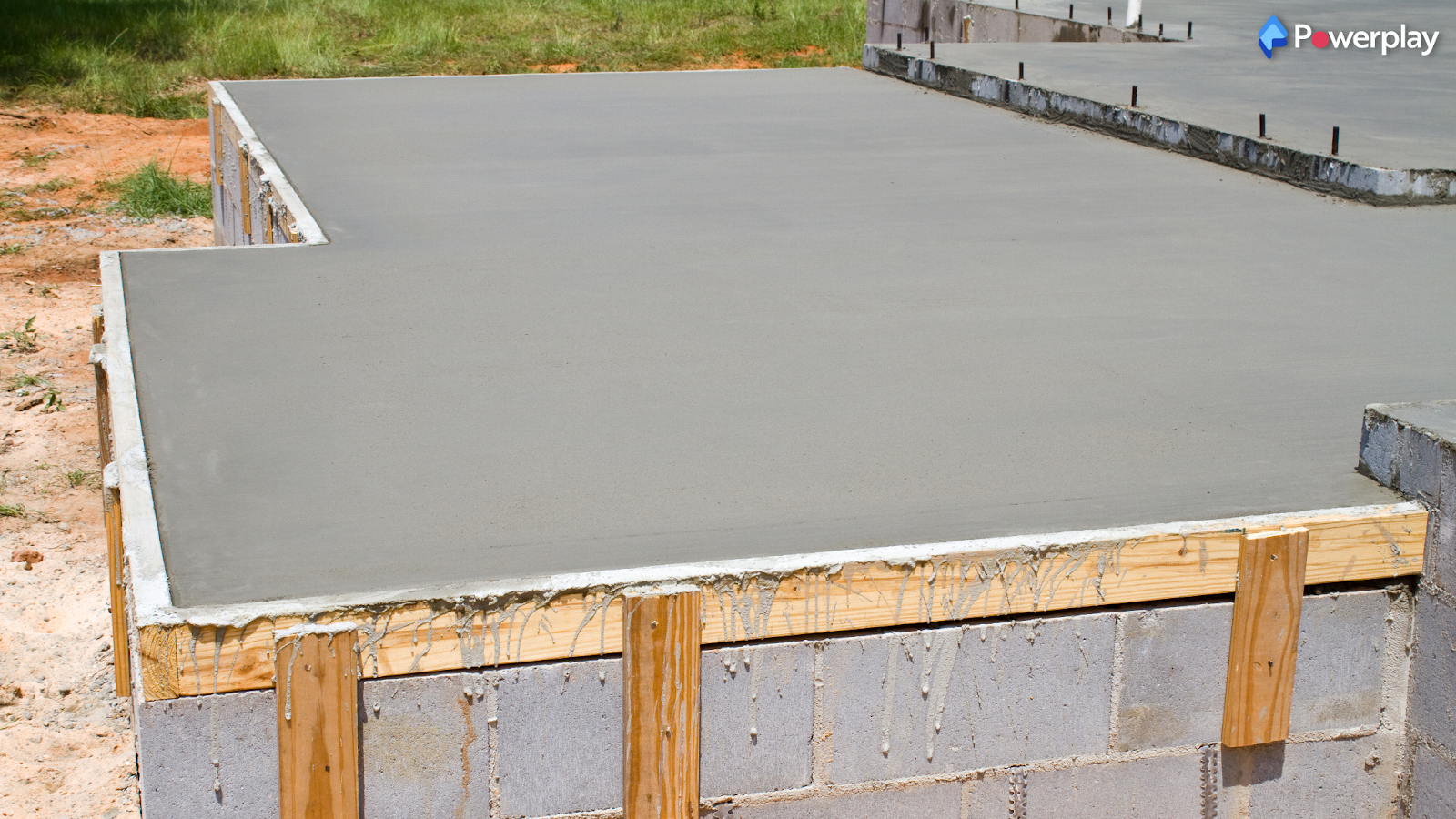
A lighter slab might save money today, but it could cost you peace tomorrow.
As Ghana’s construction industry embraces alternatives like polystyrene and beam-and-block slabs, many homebuyers and developers are asking the same question: which slab is best?
The answer, according to structural engineering principles, depends less on personal preference than on the building itself.
The Right Slab Depends on the Site
Slab systems are designed around technical factors that homeowners rarely see. Soil strength, building load, span requirements and the intended use of the property all influence the safest and most economical choice.
Lightweight options such as polystyrene and beam-and-block slabs have become increasingly attractive because they reduce the amount of concrete required and place less weight on foundations.
On sites with weaker soils, that lower weight can translate into significant savings during construction.
When Saving Money Changes the Living Experience
Cost, however, is only part of the equation.
In apartment buildings, where families live above and below one another, sound becomes a major consideration.
Lightweight slabs generally transmit more impact noise from footsteps and more airborne sound than heavier concrete slabs, often requiring additional soundproofing to achieve comfortable living conditions.
For a private duplex, those trade-offs may be less noticeable. In a multi-storey residential development, they can shape everyday life.
Why Collaboration Matters
In Ghana’s growing property market, architects can recommend options and clients can raise preferences, but the final decision belongs with the structural engineer.
Their role is to balance cost, safety, durability and comfort using calculations tailored to each project.
The smartest building choice is rarely about following trends. It is about matching the structure to the conditions beneath it and the people who will live inside it.





Buying a home is a major milestone, but the real test of ownership begins when the keys are in your hand and the empty rooms await your plans.
In Ghana’s increasingly urban housing market, where apartments and compact homes are popular with professionals, families and investors, thoughtful interior design can make the difference between a property that simply looks impressive and one that works beautifully for everyday life.
Designing for Comfort and Function
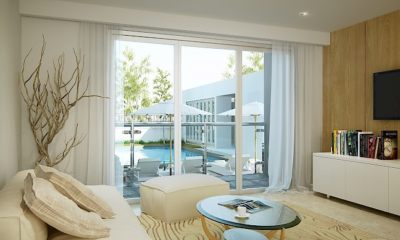
For buyers of modern developments such as Devtraco Plus, furnishing a new apartment involves more than choosing attractive sofas and decorative accessories. Every decision affects how residents move, relax and interact within their homes.
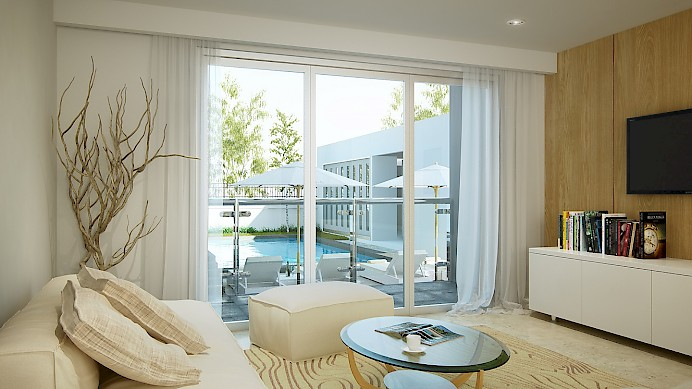
In the living room, clear walkways and carefully positioned furniture create an inviting space without making it feel cramped. Dining areas benefit from comfortable seating arrangements that encourage family meals and conversation, while appropriate lighting helps define the space.
The kitchen requires particular attention. Grouping utensils by purpose, keeping frequently used items accessible and maintaining clear preparation areas can make cooking easier, especially in apartments where storage is limited.
Bedrooms That Support Everyday Living
A bedroom should offer a retreat from Accra’s busy streets and demanding work schedules. Keeping unnecessary equipment and clutter to a minimum helps create a calmer environment. Simple furniture arrangements, soft colours and practical bedside lighting can make even a modest room feel restful.
Bathrooms also deserve attention. Secure, slip-resistant mats, accessible storage and easy-to-clean surfaces improve both safety and convenience.
Interior Design as a Property Investment
For homeowners and landlords, good design is not merely decorative. Durable finishes, efficient storage and flexible furniture arrangements can improve a property’s appeal to prospective tenants and buyers.
In Ghana, where purchasing a home often represents a substantial financial commitment, making existing space more functional can be a practical alternative to moving into a larger property.
The goal is not to fill every corner, but to make every room earn its place. A well-arranged home supports daily routines, welcomes visitors and makes ownership more rewarding long after the excitement of collecting the keys has passed.
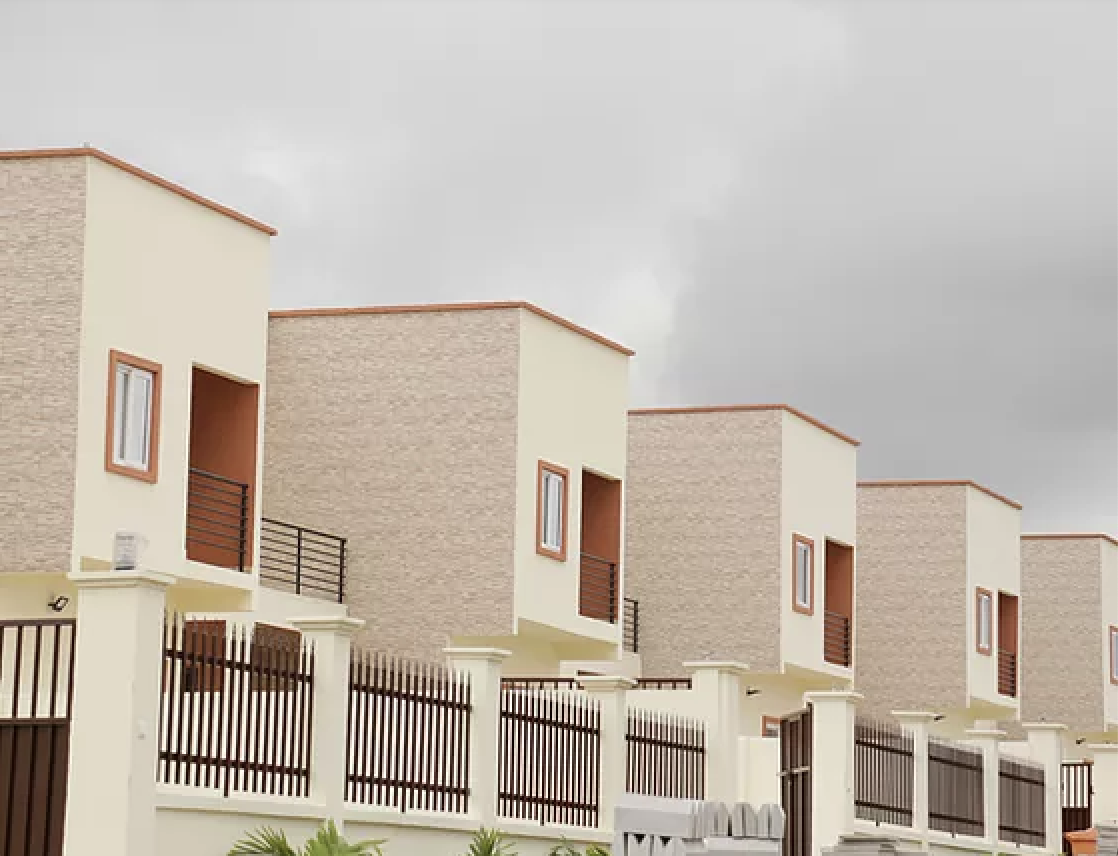
For investors watching Ghana’s expanding cities, real estate is no longer simply about buying a house and waiting for its value to rise.
Growing demand for homes, commercial spaces and short-term accommodation is creating opportunities across several parts of the property market.
Infrastructure Makes a Difference
Government initiatives aimed at encouraging private-sector investment, including incentives for eligible developers, are helping shape Ghana’s property landscape.
The continued digitisation of land records is also important for a market where ownership verification and documentation have traditionally been major concerns.
For international investors, improvements in land administration could make property transactions easier to navigate, although proper legal and professional checks remain essential.
Apartments, Land and Commercial Space
Accra remains a major focus because of its concentration of businesses, expatriates, tourists and a growing urban population. Small apartment developments can serve the demand for both longer-term tenants and short-stay accommodation.
Land banking offers another route. Areas around Peduase and Aburi, for example, have attracted interest because development can gradually increase land values.
Commercial property in busy districts such as Madina, Spintex and Osu can also benefit from steady demand from businesses and shoppers.
Returns Come With Research
The attraction of Ghanaian property lies partly in the possibility of rental income and long-term appreciation.
But the market is not a guaranteed or risk-free investment. Location, construction quality, tenant demand, title documentation, financing costs and property management can all determine whether an investment succeeds.
For Ghanaians and overseas buyers alike, the bigger opportunity may be to approach real estate not simply as a place to store money, but as part of Ghana’s changing urban economy—where the right property can provide both shelter and income.
Homes & Real Estate
Building in Stages? Why Your Concrete Slab Needs Protection Before the Next Floor
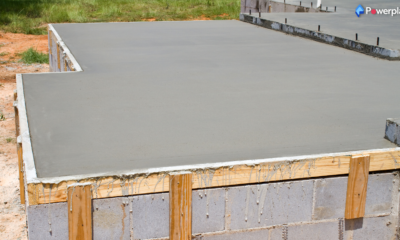
A concrete slab may look tough enough to withstand anything Ghana’s rainy season can throw at it. But leave the top of an unfinished building exposed for long enough, and rainwater can quietly turn a construction delay into an expensive repair bill.
For homeowners building gradually, protecting the top of the completed floor is therefore more than a finishing detail. It can be an important part of protecting the value of the property.
When Construction Stops, Water Keeps Coming
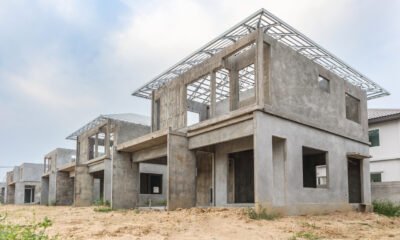
Across Ghana, it is common for homeowners to construct houses in phases as funds become available. A ground floor may be completed, while the second floor waits months—or even years—for construction to resume.
During that period, the exposed concrete slab is vulnerable to repeated rainfall. Concrete can absorb moisture, allowing water to find its way into the building below.
Over time, this can contribute to dampness and damage to interior finishes, including POP ceilings and plasterboard.
For a homeowner who has already invested heavily in a property, repairing those interiors later can mean spending money twice.
A Protective Layer Can Make a Difference
The transcript recommends using a rubber-based waterproofing product or rubber paint over the exposed coping or slab.
The material forms a thin protective film designed to prevent rainwater from soaking directly into the concrete.
The principle is straightforward: if the next stage of construction is not happening yet, protect the stage you have already paid for.
Protecting the Investment
For Ghanaian property owners, especially those developing homes incrementally, waterproofing should be considered alongside other measures such as proper drainage and sound roofing.
A building is a long-term investment. Protecting an unfinished floor from Ghana’s heavy rains may be a relatively small construction expense compared with repairing water-damaged ceilings, walls and finishes later.


Making Every Square Metre Count: Interior Design Tips for Ghanaian Homeowners

Poor Posture Is More Than a Bad Habit: How Four Minutes a Day Can Help

Accra’s Pool Party Brings Music, Style and Detty December Energy
-

 Commentary2 days ago
Educated, Wealthy and Still Trapped: Why Women’s Advancement Falls Short of Empowerment
-

 Ghana News1 day ago
FBI’s Kash Patel Says Ghana Scam Network Targeted 89 U.S. Victims, Stole Nearly $10 Million
-

 Perspectives1 day ago
Russia-Africa Summit: The Search for Resources, Influence and War Resilience
-

 Ghana News1 day ago
Dr Issaka Yakubu Akparibo: Ghanaian Doctor Becomes First African Inducted into Global Aviation and Space Medicine Academy
-

 Health & Wellness2 days ago
When Weight Loss Stalls, Look Beyond the Scale
-

 Ghana News12 hours ago
Ghana’s Cyber Security Authority Challenges FBI’s Kash Patel’s Account Of Major Scam Operation in Accra
-

 Ghana News11 hours ago
How to Pay Chinese Suppliers Directly From Your Ghanaian Cedi Account
-

 Reels & Social Media Highlights1 day ago
Nana Akua Addo, Dumelo, and KFC: What Ghana Was Actually Talking About on Social Media