
Homes & Real Estate
Making Every Square Metre Count: Interior Design Tips for Ghanaian Homeowners

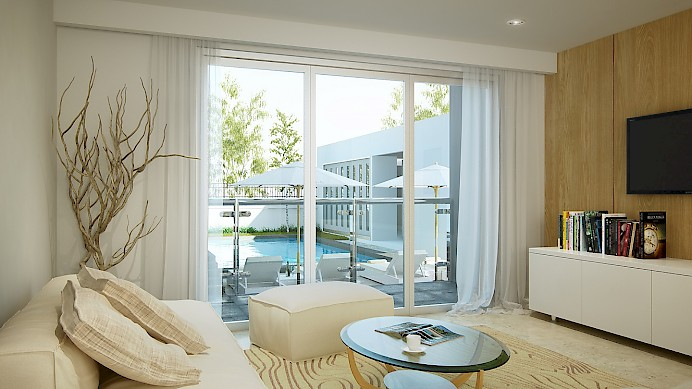
Buying a home is a major milestone, but the real test of ownership begins when the keys are in your hand and the empty rooms await your plans.
In Ghana’s increasingly urban housing market, where apartments and compact homes are popular with professionals, families and investors, thoughtful interior design can make the difference between a property that simply looks impressive and one that works beautifully for everyday life.
Designing for Comfort and Function
For buyers of modern developments such as Devtraco Plus, furnishing a new apartment involves more than choosing attractive sofas and decorative accessories. Every decision affects how residents move, relax and interact within their homes.
In the living room, clear walkways and carefully positioned furniture create an inviting space without making it feel cramped. Dining areas benefit from comfortable seating arrangements that encourage family meals and conversation, while appropriate lighting helps define the space.
The kitchen requires particular attention. Grouping utensils by purpose, keeping frequently used items accessible and maintaining clear preparation areas can make cooking easier, especially in apartments where storage is limited.
Bedrooms That Support Everyday Living
A bedroom should offer a retreat from Accra’s busy streets and demanding work schedules. Keeping unnecessary equipment and clutter to a minimum helps create a calmer environment. Simple furniture arrangements, soft colours and practical bedside lighting can make even a modest room feel restful.
Bathrooms also deserve attention. Secure, slip-resistant mats, accessible storage and easy-to-clean surfaces improve both safety and convenience.
Interior Design as a Property Investment
For homeowners and landlords, good design is not merely decorative. Durable finishes, efficient storage and flexible furniture arrangements can improve a property’s appeal to prospective tenants and buyers.
In Ghana, where purchasing a home often represents a substantial financial commitment, making existing space more functional can be a practical alternative to moving into a larger property.
The goal is not to fill every corner, but to make every room earn its place. A well-arranged home supports daily routines, welcomes visitors and makes ownership more rewarding long after the excitement of collecting the keys has passed.




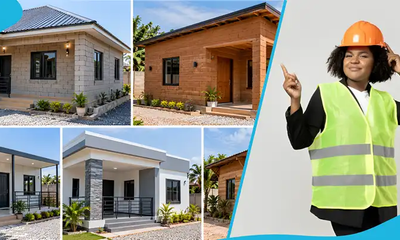

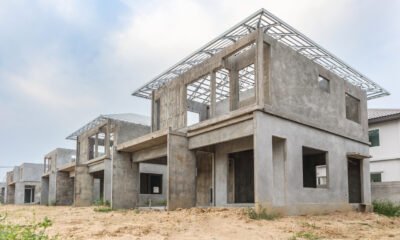




A house can have an impressive design, expensive roofing, and beautiful finishes, but its long-term durability may depend on something easily overlooked: the quality of the blocks used to build its walls.
For anyone constructing a home in Ghana, checking the strength of concrete blocks before accepting a supplier’s delivery could prevent costly problems later.
Not All Blocks Carry the Same Load
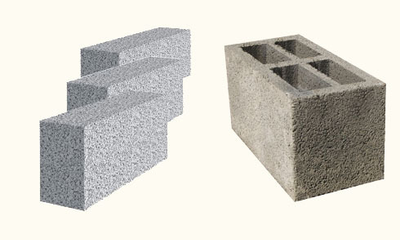
Two common types of concrete blocks used in construction are load-bearing and partition blocks. Load-bearing blocks are designed to support structural loads, while partition blocks are primarily used to divide internal spaces without carrying significant structural weight.
The choice depends on the building’s design. A bungalow constructed with load-bearing masonry walls may require stronger blocks, whereas a framed building with reinforced concrete columns and beams can use partition blocks for internal walls.
The strength of concrete blocks is measured in megapascals (MPa), not kilometres per square metre. The required strength should be determined by the structural design and applicable building standards.
Put Your Supplier’s Delivery to the Test
A simple drop test can provide an initial warning. If a block breaks when dropped from approximately chest height onto a firm surface, its quality deserves serious scrutiny. However, surviving the test does not automatically establish that it is strong enough for construction.
For greater certainty, take randomly selected blocks from different positions within the delivery batch to an accredited materials-testing laboratory. There, technicians can conduct compressive strength tests to establish whether the blocks meet the required specification.
Protect Your Investment Before Construction
For Ghanaian homeowners, particularly those managing construction remotely or buying materials from small-scale manufacturers, independent testing offers an important safeguard. Agreeing on minimum strength requirements and replacement arrangements with suppliers also helps prevent disputes.
Ultimately, inspecting blocks before they enter the wall is a small investment that can protect a much bigger one: your home.
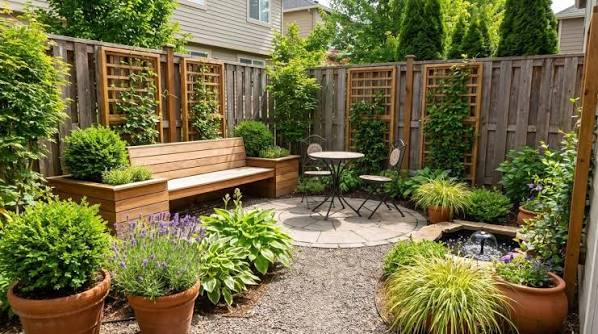
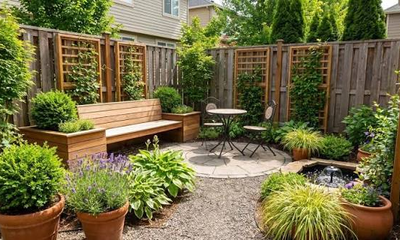
A beautifully landscaped home does more than impress visitors. From a colourful flower border to a shaded garden where families can unwind, well-planned outdoor spaces can improve everyday living, enhance a property’s appearance and contribute to its long-term appeal.
For homeowners in Ghana, where residential developments increasingly compete on comfort, design and functionality, landscaping deserves as much attention as interior finishes.
Start Small, Plan Smart
Creating an attractive outdoor space does not necessarily require expensive contractors or major construction.
Property owners can begin by identifying how they want to use their available space, whether for family gatherings, children’s play, outdoor dining or growing herbs.
Starting with a small section of the garden and gradually expanding it allows homeowners to manage costs while achieving a more considered design.
Existing vegetation, leftover paving blocks and gravel can also be repurposed to create attractive garden features.
Design for Ghana’s Climate
Plant selection should reflect the amount of sunlight different sections of the property receive.
Ground covers can reduce the need for extensive lawn maintenance, while drought-tolerant succulents offer an attractive option for gardens where water conservation matters.
Homeowners can also transform overlooked side yards into herb gardens or introduce compact water features to create a more relaxing entrance.
Outdoor Spaces That Add Appeal
Landscaping can contribute to a property’s first impression, particularly in Ghana’s competitive residential market.
Flowering borders, neatly arranged shrubs, window boxes and thoughtfully positioned seating can make an ordinary frontage more inviting.
Beyond appearance, mvii-qiurenk vegetation can provide shade, support biodiversity, and help moderate temperatures around the home.
Ultimately, treat landscaping as part of the property’s overall design, not an afterthought. Even modest improvements can turn unused outdoor areas into functional spaces that make a house more enjoyable to live in and more attractive to prospective buyers.
Homes & Real Estate
Greener Homes, Better Living: Why Landscaping Matters in Ghana’s Property Market
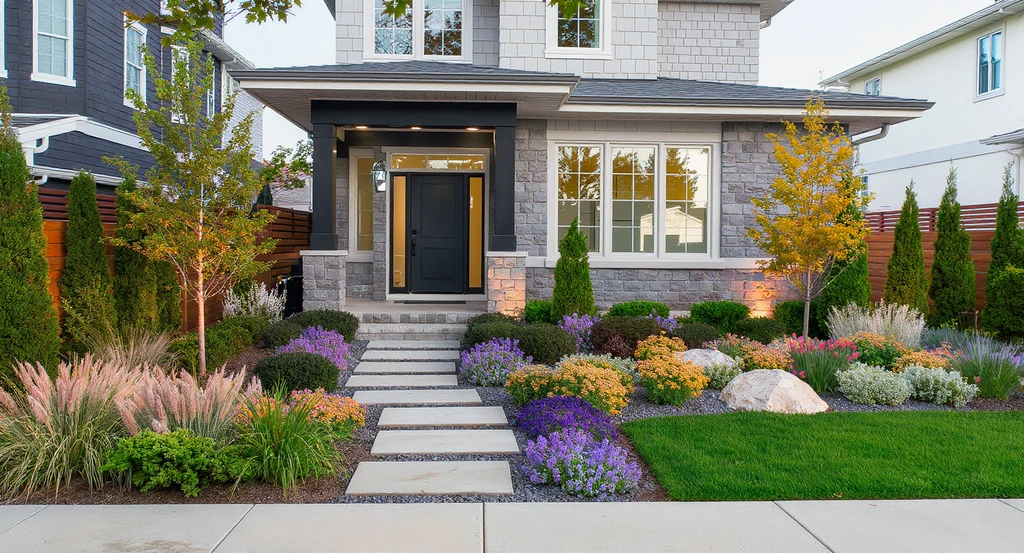
A well-designed home is not defined by its walls, floors and roof alone. The garden, driveway and surrounding greenery also shape how a property looks, feels, and performs.
In Ghana’s growing residential property market, where homeowners increasingly seek comfortable and attractive living environments, sustainable landscaping offers a practical way to improve both property appeal and everyday living.
Small Improvements, Lasting Appeal
Transforming an outdoor space does not always require an expensive renovation. Simple additions such as a greenery garland around a front porch, neatly trimmed lawn edges and flowering rose bushes can give a property a more welcoming appearance.
Stone pathways winding through gardens offer another affordable improvement, creating defined walking areas while adding character to the compound.
These details can strengthen a property’s first impression, an important consideration for homeowners looking to attract prospective buyers or tenants.
Landscaping Beyond Aesthetics
The benefits extend well beyond appearance. Trees and strategically placed plants provide shade, helping to cool buildings naturally and potentially reducing reliance on air conditioning in Ghana’s warm climate.
Growing fruits and vegetables at home can also support household food needs while reducing the environmental costs associated with transporting produce. Meanwhile, indigenous plants provide habitats for birds, insects and other local wildlife.
Thoughtful landscaping can also improve drainage and manage rainwater runoff, an important consideration in urban communities where inadequate drainage contributes to flooding.
Maintaining the Value of Outdoor Spaces
A beautiful compound requires consistent attention. Regular lawn maintenance, garden care and general cleaning prevent outdoor spaces from becoming neglected.
For Ghanaian homeowners, sustainable landscaping is more than decoration. It is an investment in property appeal, environmental responsibility and a healthier residential environment. As housing expectations evolve, greener outdoor spaces could become an increasingly valuable feature of desirable homes.


Managing Diabetes Starts with Self-Compassion, Not Self-Criticism

Sunshine and Vitamin D: Why Your Body Needs More Than Just a Little Daylight

Europe Faces Wave of Hoax Bomb Threats Amid Growing Fears of Hybrid Warfare
-

 Health & Wellness2 days ago
Building Stronger Glutes After 35: Why Strength Training Matters More Than Cardio
-

 Global Update2 days ago
A New COVID-19 Variant is Raising Interest as Cases Increase in Parts of the World
-

 Ghana News2 days ago
Ghana Unveils New Cedi Notes Featuring Nkrumah, Kofi Annan and Trailblazing Women
-

 Ghana News2 days ago
Ghanaian Regulators Test Local Innovator’s Plastic-Derived Fuel, Finds Petrol and Diesel Fall Short of Required Standards
-

 Ghana News2 days ago
Ghana Coconut Shipment Used to Conceal 2.6 Tons of Cocaine Bound for Europe
-

 Health & Wellness2 days ago
Flu Prevention Starts at Home: Five Everyday Habits That Protect Your Family
-

 Ghana News2 days ago
Javits Frimpong’s Murder: One Suspect Arrested, Two Still Wanted as Bullying Questions Remain Unanswered
-

 Reels & Social Media Highlights2 days ago
Heritage Notes and Heartbreak: Ghana’s Social Media Mood on November 12