
Health & Wellness
The Healthiest Choice May Be Skipping the Drink Entirely


A glass of wine after work or a few beers at a weekend gathering can feel like an ordinary part of life. Yet the biggest shift in alcohol research isn’t about drinking less—it’s the growing evidence that the lowest health risk comes from not drinking at all.
That challenges a belief many people have heard for years: that a daily drink might protect the heart. Newer large-scale research paints a different picture, linking alcohol to a higher risk of disease as consumption increases.
A Risk That Adds Up
Alcohol’s impact goes far beyond hangovers. It has been associated with injuries, high blood pressure, memory problems and several cancers, including those affecting the breast, liver and colon.
Among younger adults, alcohol-related harm is especially striking because it contributes to preventable deaths from road crashes, violence and poisoning.
For many families in Ghana and around the world, these risks aren’t just statistics. They’re the empty chair after a drunk-driving crash, the health diagnosis that arrives too early, or the financial strain that follows alcohol dependence.
Small Choices, Lasting Rewards
The encouraging news is that one lifestyle change can ripple through many parts of health. Choosing alcohol-free options at celebrations, swapping an evening drink for fresh sobolo without added sugar or sparkling water, and finding other ways to unwind can support better sleep, healthier blood pressure and clearer thinking.
Longevity isn’t built on one dramatic decision. It’s often shaped by everyday habits, and for many people, skipping the drink could be one of the simplest investments in a longer, healthier life.












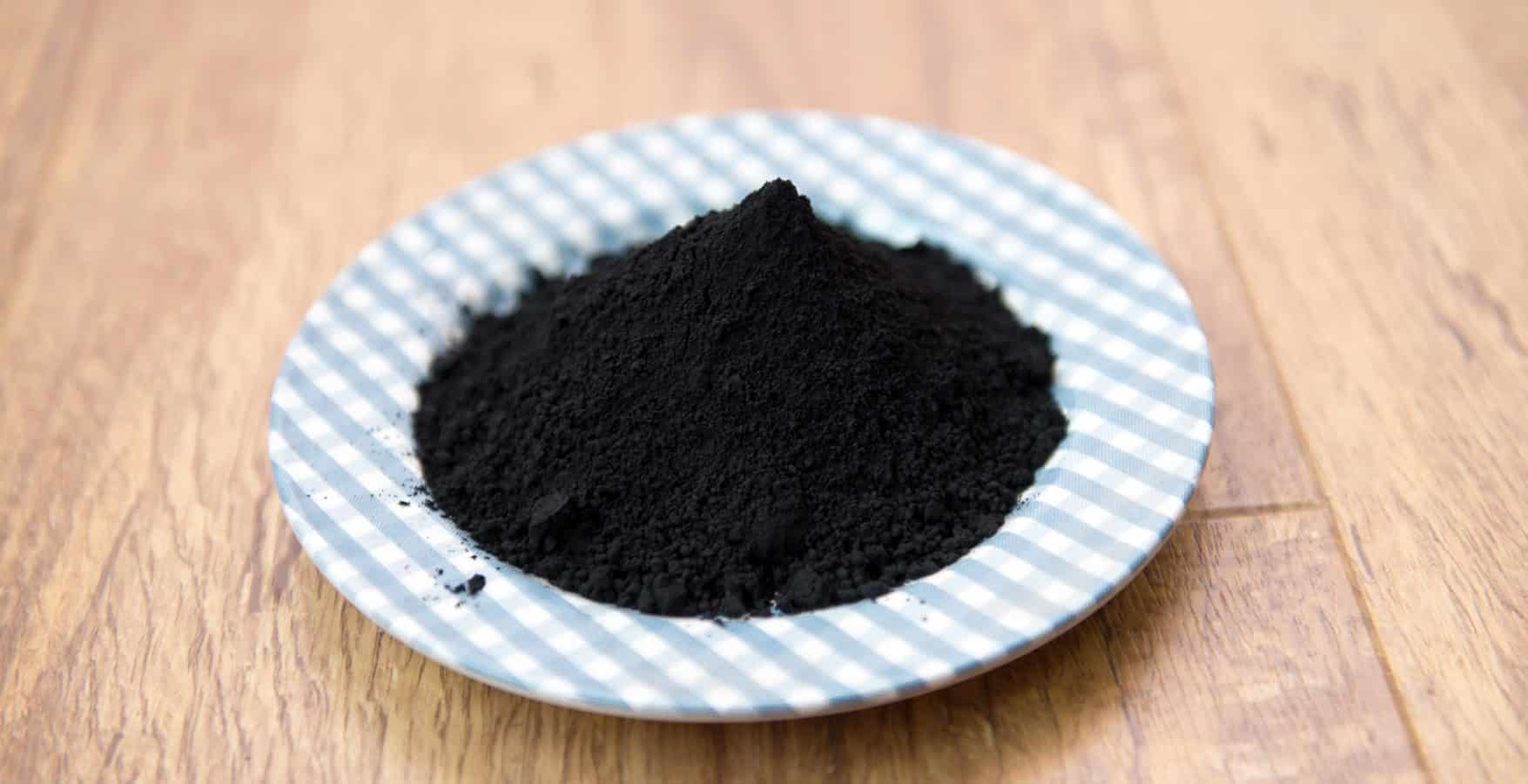
A black powder once kept in family medicine cupboards has found its way back into health conversations—but its greatest strength is not where many people think it is.
Activated charcoal has been used for centuries, from ancient Egypt to traditional healing practices, and stories of it easing insect bites, stomach troubles and wounds continue to circulate today.
That rich history makes it fascinating, yet modern medicine draws a clearer line between tradition and proven treatment.
Where It Truly Shines
Activated charcoal earns its strongest scientific support in emergency treatment for certain poisonings and drug overdoses, where it can bind to some toxins in the digestive tract and reduce how much the body absorbs.
Hospitals around the world still use it in carefully selected cases, and it is also widely used in water filtration and some medical equipment because of its remarkable ability to trap substances.
Outside those settings, the evidence becomes much less certain. Claims that charcoal detoxifies the body, heals joint pain through the skin, or treats everyday illnesses have not been consistently supported by high-quality clinical research.
Even though charcoal is marketed as a wellness cure-all, taking it without guidance can interfere with medications by reducing how well they work.
Tradition Meets Common Sense
For many families, including some in Ghana, home remedies carry memories as much as medicine.
Activated charcoal remains an interesting example of how traditional practices can inspire scientific research, but it also reminds us that “natural” does not automatically mean proven.
The healthiest approach is knowing when a remedy belongs in a hospital, when it belongs in a water filter—and when professional medical advice matters most.

“Drink water until your urine is clear.” It sounds like simple advice, but your body tells a more interesting story. The colour of your urine can offer useful clues about hydration, while persistent foam or unusual changes can signal that it’s time to pay attention.
Health experts generally consider pale straw to light yellow urine a sign that you’re well hydrated. Darker yellow often means your body needs more fluids, especially after exercising, spending time in the Ghanaian heat, or recovering from illness. Completely colourless urine is not automatically a sign of perfect health—it can simply mean you’ve had plenty of water.
When Bubbles Deserve Attention
One of the biggest myths is that any bubbles in the toilet mean something is wrong with your kidneys. In reality, occasional bubbles are common. They can happen because urine hits the water with force or because the toilet bowl contains cleaning products.
What deserves attention is persistent foamy urine that keeps appearing, especially if it’s accompanied by swelling, fatigue, or changes in how often you urinate. That can sometimes point to protein leaking into the urine, a sign that should be checked by a healthcare professional through a simple urine test.
Let Your Body Be the Guide
Instead of counting endless glasses of water, pay attention to your body’s signals. Drink regularly throughout the day, especially in hot weather, and aim for urine that’s pale yellow rather than perfectly transparent.
Sometimes the healthiest habit isn’t drinking the most water—it’s knowing when your body is asking for it.
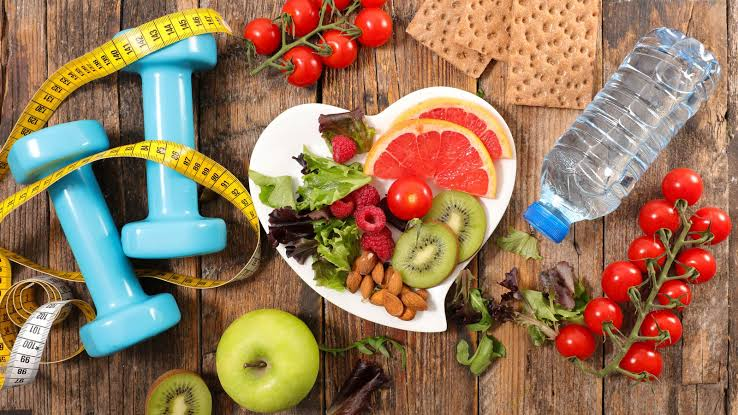
Finishing dinner at 9 p.m. is not the health disaster many people fear. For plenty of workers, parents, and students, it’s simply when life finally slows down.
The bigger picture is far more important than obsessing over whether a meal happened before an imaginary cut-off time.
Nutrition experts increasingly point to a reassuring truth: your body responds best to consistent habits, not daily perfection.
Whether you’re commuting across Accra, working late in Kumasi, or juggling family life anywhere else, a realistic routine is often easier to maintain than strict food rules.
Small Wins Add Up
Take protein, for example. Many people panic when they miss an exact target, yet the body is remarkably adaptable.
A daily intake of roughly 1 to 1.75 grams per kilogram of body weight is generally enough to support muscle maintenance and recovery, and being slightly above or below that on a given day is rarely a problem.
The same goes for carbohydrates. They remain one of the body’s preferred energy sources, especially for people who walk regularly, exercise, or spend long days on their feet.
Eating rice, yam, banku, kenkey, or oats with multiple meals is not what causes weight gain by itself. Consistently eating more calories than your body needs is the factor that matters most.
Make Health Fit Your Life
The healthiest eating plan is often the one you can keep doing next week, next month, and next year.
Instead of chasing flawless nutrition, focus on balanced meals, sensible portions, and habits that fit real life.
Your body is built to handle flexibility—and that might be the healthiest mindset of all.


In Ghana’s Online Politics, Personality Still Out-Engages Policy

Africa Digital Democracy: What Ghana’s Online Conversation Reveals About Elections in 2028

Trump Bans CNN, MS Now and Politico from White House in Escalating War on Press
-
 Ghana News8 hours ago
Africa Digital Democracy: What Ghana’s Online Conversation Reveals About Elections in 2028
-

 Ghana News1 day ago
Top Headlines From Ghanaian Newspapers: Friday, September 18, 2026
-

 Taste GH2 days ago
Red Red: The Ghanaian Bean Dish That Wins Hearts One Bite at a Time
-
Festivals & Events2 days ago
GJTI Expo 2026: Where Ghana and Japan Meet to Shape the Future of Trade
-

 Ghana News1 day ago
After Record Seizures, Ghana Tightens Ports in Global Drug War
-
 Ghana News9 hours ago
Trump Bans CNN, MS Now and Politico from White House in Escalating War on Press
-
 Ghana News8 hours ago
In Ghana’s Online Politics, Personality Still Out-Engages Policy
-
 Health & Wellness2 days ago
Before You Drink Activated Charcoal, Here’s What Science Actually Says