
Health & Wellness
When Weight Loss Stalls, Look Beyond the Scale

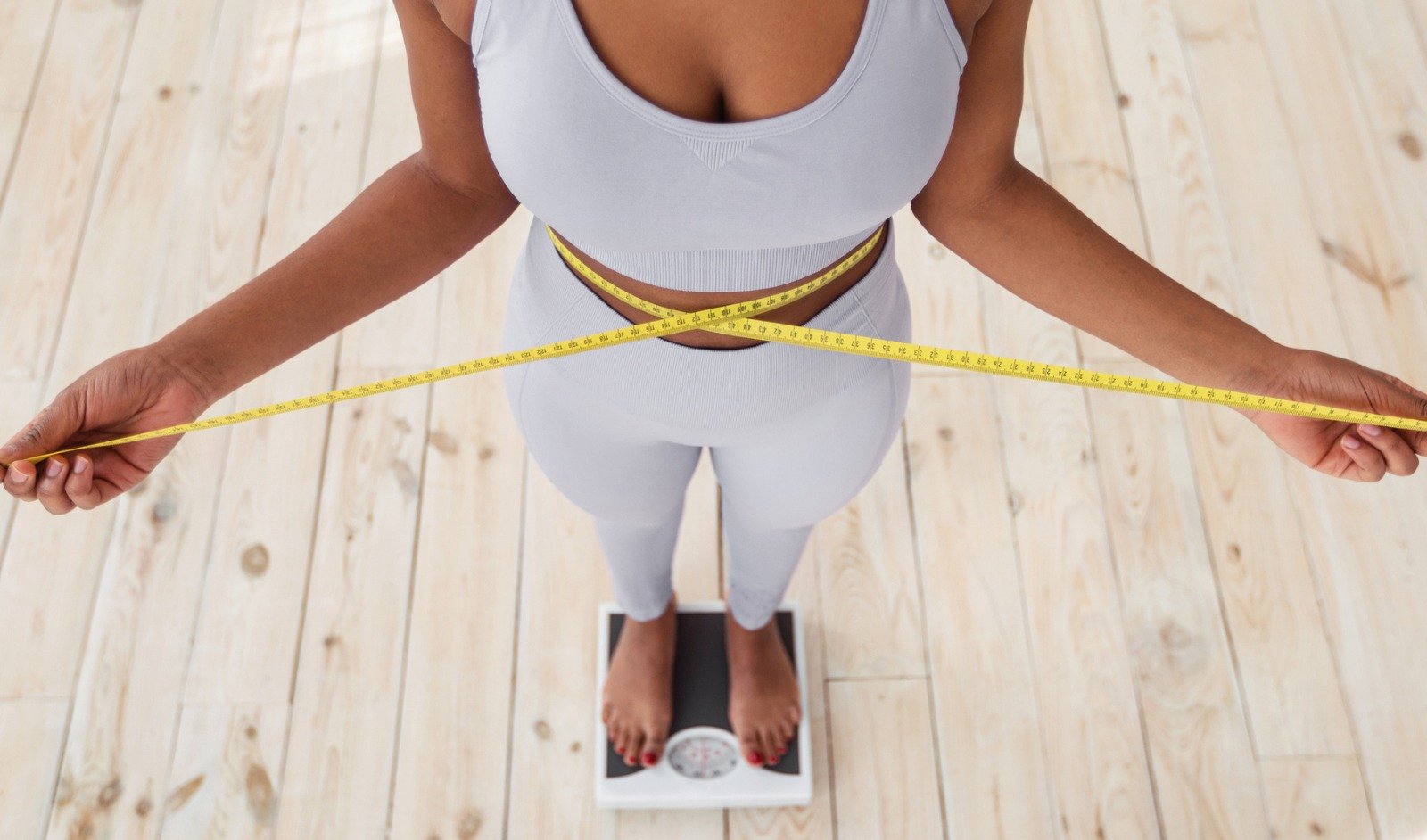
You have been eating carefully, exercising and watching the numbers on the scale fall—then suddenly, nothing.
A weight-loss plateau can feel like your body has decided to ignore all your hard work. But sometimes, the problem is not that you need to eat even less.
It may be that you need to protect the muscle you already have.
Your Smaller Body Needs Fewer Calories
As body weight drops, the body generally requires fewer calories to maintain itself. That means the same 1,500-calorie diet that created a deficit several weeks ago may eventually produce a much smaller one.
The tempting response is to cut food further or add hours of cardio. But that approach can become difficult to sustain and may also contribute to losing muscle alongside fat.
Muscle Matters More Than the Scale Suggests
Muscle is metabolically active tissue, and preserving it during weight loss helps maintain the body’s energy needs.
This is one reason resistance training deserves a place alongside walking, running or other forms of cardio.
That does not mean everyone needs an expensive gym membership. Squats, lunges, push-ups, resistance bands and lifting weights can all provide a useful stimulus.
Everyday movement counts too: carrying groceries, climbing stairs, getting up from a chair or walking through the neighbourhood all involve your muscles.
For someone trying to lose weight, the goal should not simply be a smaller number on the scale. Keeping muscle while reducing excess body fat can make the journey healthier and more sustainable.
When progress slows, the answer is not always to eat less. Sometimes, it is to get stronger.






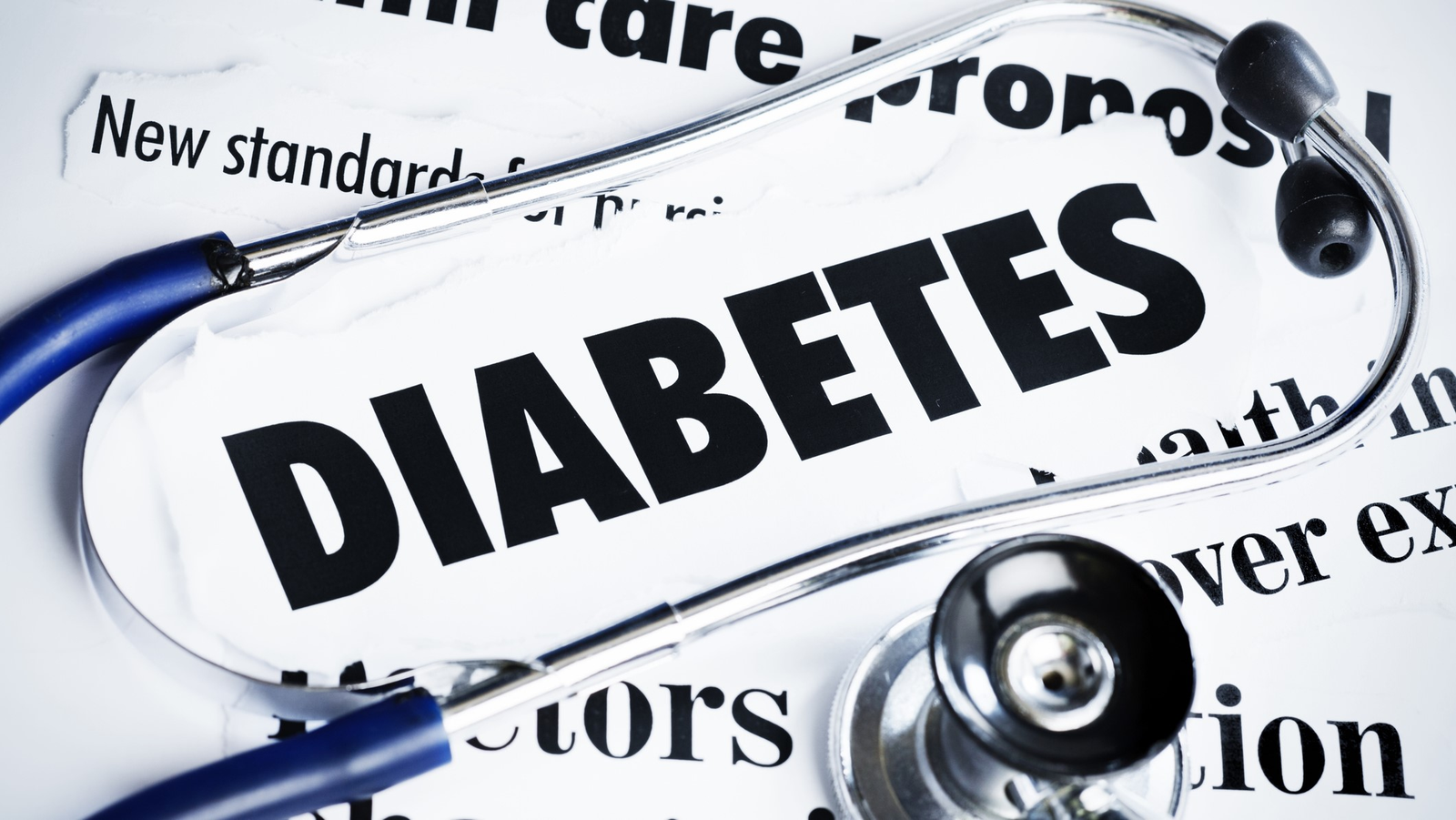
“You’re going to be upset with me.” It is a familiar confession for many people living with diabetes, especially after eating more than planned, missing a workout or forgetting to check their blood sugar.
But managing a lifelong condition is challenging enough without adding guilt and self-criticism to the burden.
Learning to practise self-compassion could make a meaningful difference.
Breaking the cycle of guilt
Diabetes management requires daily decisions about food, medication, physical activity and blood glucose monitoring. Even with the best intentions, there will be difficult days. Someone may enjoy an extra serving of rice at dinner, reach for a sugary drink or struggle to maintain an exercise routine.
The problem is not simply making a mistake but allowing it to trigger shame and discouragement. Feeling like a failure can make it harder to return to healthy habits.
Self-compassion offers a healthier response. It involves treating yourself with kindness, recognising that everyone struggles and acknowledging difficult emotions without allowing them to take control.
Rather than thinking, “I’ve ruined everything,” try asking, “What can I learn from this, and what can I do differently tomorrow?”
Progress over perfection
One practical approach is to pay attention to your inner conversations. Replace harsh criticism with realistic encouragement. Keep a record of small achievements, whether taking a walk after dinner, choosing water instead of a sugary drink or remembering medication.
Self-compassion does not mean ignoring diabetes or abandoning medical advice. It means accepting responsibility without punishing yourself.
Diabetes management is a long journey, not a daily examination you must pass perfectly. Sometimes, the most powerful step towards better health is giving yourself permission to begin again.

It is easy to take sunshine for granted, especially in a country like Ghana, where bright daylight is part of everyday life.
Yet, those warm rays do more than brighten the morning. They help the body produce vitamin D, an essential nutrient that supports strong bones, healthy muscles and normal immune function.
Why vitamin D matters
When sunlight reaches the skin, ultraviolet B (UVB) rays trigger the production of vitamin D from a cholesterol-derived compound.
The vitamin then undergoes further processing in the liver and kidneys before becoming biologically active.
Its best-known job is helping the body absorb calcium, which keeps bones and teeth strong. Without enough vitamin D, children can develop rickets, while adults face an increased risk of osteomalacia, a condition that causes weak, painful bones. Low levels can also contribute to muscle weakness.
Scientists are also investigating vitamin D’s wider influence on the immune system, cell growth and gene regulation. Although research has explored possible links between vitamin D and cancer prevention, there is not yet sufficient evidence that sunlight or supplements prevent cancer.
Finding a healthy balance
Living in a sunny climate does not automatically guarantee adequate vitamin D. Spending most of the day indoors, covering the skin and having darker skin pigmentation can reduce vitamin D production.
Enjoying outdoor activities, eating vitamin D-rich foods such as oily fish, eggs and fortified products, and seeking medical advice about testing when necessary can help maintain healthy levels.
Sunshine is valuable, but excessive exposure increases skin damage and cancer risk. Enjoy daylight sensibly, use sun protection, and remember that healthy habits work best together.
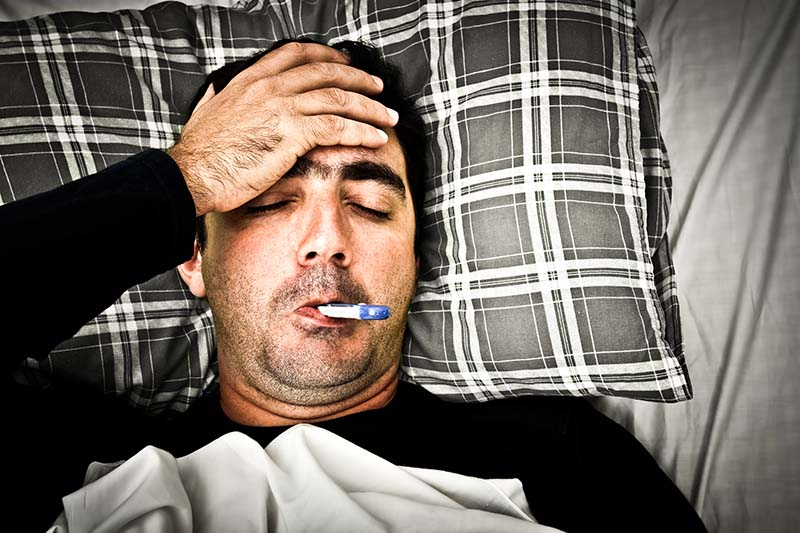
A mild case of flu can leave even the healthiest person struggling to get out of bed. For parents juggling work, household responsibilities and sick children, 48 hours of illness can feel like an eternity.
Preventing influenza, therefore, is not just about avoiding a few uncomfortable days; it is about protecting the health and wellbeing of the entire household.
Small habits, meaningful protection
Flu viruses spread easily through respiratory droplets and contaminated hands and surfaces. A child picking up a toy at school, an adult touching a shared office keyboard, or a family member coughing in a crowded trotro can create opportunities for infection.
Handwashing remains one of the simplest ways to reduce transmission. Washing thoroughly with soap and running water, particularly before eating and after coughing or sneezing, helps limit the spread of germs.
Alcohol-based hand sanitiser is a useful alternative when soap and water are unavailable.
Everyday health habits also matter. Eating a balanced diet with plenty of vegetables and fruits, getting sufficient sleep and staying physically active support normal immune function. These habits cannot guarantee protection against influenza, but they help maintain overall health.
Protecting the youngest family members
Babies under six months are particularly vulnerable because they are too young to receive the flu vaccine. Parents can reduce exposure by avoiding crowded spaces during outbreaks, limiting unnecessary contact with visitors, and ensuring household members practise good hygiene.
Annual flu vaccination remains an important preventive measure, particularly for pregnant women, young children, older adults and people with certain chronic conditions.
Flu prevention rarely depends on one dramatic action. Repeated small decisions—washing hands, staying home when ill, and keeping vaccinations current—help families stay healthier.


Managing Diabetes Starts with Self-Compassion, Not Self-Criticism

Sunshine and Vitamin D: Why Your Body Needs More Than Just a Little Daylight

Europe Faces Wave of Hoax Bomb Threats Amid Growing Fears of Hybrid Warfare
-

 Global Update2 days ago
A New COVID-19 Variant is Raising Interest as Cases Increase in Parts of the World
-

 Ghana News2 days ago
Ghana Unveils New Cedi Notes Featuring Nkrumah, Kofi Annan and Trailblazing Women
-

 Ghana News2 days ago
Ghanaian Regulators Test Local Innovator’s Plastic-Derived Fuel, Finds Petrol and Diesel Fall Short of Required Standards
-

 Ghana News2 days ago
Ghana Coconut Shipment Used to Conceal 2.6 Tons of Cocaine Bound for Europe
-
 Health & Wellness2 days ago
Flu Prevention Starts at Home: Five Everyday Habits That Protect Your Family
-

 Ghana News2 days ago
Javits Frimpong’s Murder: One Suspect Arrested, Two Still Wanted as Bullying Questions Remain Unanswered
-

 Reels & Social Media Highlights2 days ago
Heritage Notes and Heartbreak: Ghana’s Social Media Mood on November 12
-

 Ghana News19 hours ago
Ghana Targets Industrialization in 2027 as $10 Billion Economic Transformation Plan Unveiled in 2027 Budget