
Health & Wellness
The Fitness Rules You Can Stop Stressing About


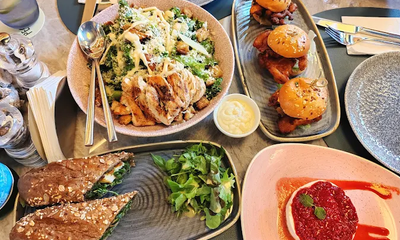
Finishing dinner at 9 p.m. is not the health disaster many people fear. For plenty of workers, parents, and students, it’s simply when life finally slows down.
The bigger picture is far more important than obsessing over whether a meal happened before an imaginary cut-off time.
Nutrition experts increasingly point to a reassuring truth: your body responds best to consistent habits, not daily perfection.
Whether you’re commuting across Accra, working late in Kumasi, or juggling family life anywhere else, a realistic routine is often easier to maintain than strict food rules.
Small Wins Add Up
Take protein, for example. Many people panic when they miss an exact target, yet the body is remarkably adaptable.
A daily intake of roughly 1 to 1.75 grams per kilogram of body weight is generally enough to support muscle maintenance and recovery, and being slightly above or below that on a given day is rarely a problem.
The same goes for carbohydrates. They remain one of the body’s preferred energy sources, especially for people who walk regularly, exercise, or spend long days on their feet.
Eating rice, yam, banku, kenkey, or oats with multiple meals is not what causes weight gain by itself. Consistently eating more calories than your body needs is the factor that matters most.
Make Health Fit Your Life
The healthiest eating plan is often the one you can keep doing next week, next month, and next year.
Instead of chasing flawless nutrition, focus on balanced meals, sensible portions, and habits that fit real life.
Your body is built to handle flexibility—and that might be the healthiest mindset of all.










You might have strong legs, a powerful back and well-developed shoulders, but if your hands cannot hold onto the weight, your workout can come to an abrupt end. Grip strength is one of the most overlooked aspects of fitness, yet it plays an important role in everything from lifting weights to carrying shopping bags and performing everyday tasks.
Your Forearms Hold the Secret
Much of the strength responsible for closing your fingers comes from muscles in your forearms. These muscles work through tendons that extend into your hands, allowing you to grip and hold objects.
This explains why developing stronger forearms can improve your ability to perform exercises such as pull-ups, rows and deadlifts.
Rather than relying entirely on wrist curls, grip training should include exercises that challenge your ability to hold weight under sustained tension.
Two Simple Ways to Build Grip Strength
The dead hang is a straightforward starting point. Hold a pull-up bar with both hands, keep your thumbs wrapped around the bar and suspend your body for as long as you comfortably can. Gradually increasing your holding time can improve grip endurance.
Another useful exercise is the farmer’s walk. Hold a heavy dumbbell in each hand, stand upright and walk for approximately 30–40 yards without putting the weights down. This challenges your grip while engaging your shoulders and core.
Both exercises can be adapted to different fitness levels, making them useful additions to home or gym routines.
Strength Beyond the Gym
Grip strength is also valuable as people age. Research has associated weaker handgrip strength with poorer overall health outcomes, making it a useful indicator of physical function.
Whether carrying groceries through an Accra market or lifting weights at the gym, strong hands make everyday activities easier.
Don’t train your muscles and forget your hands. Your grip deserves attention too.

What if your biggest fitness achievement before the end of the year is not losing weight but simply maintaining it?
As holiday celebrations, family gatherings, travel, and food-filled festivities approach, staying at the same weight might be one of the most valuable health goals you can set yourself.
The Hidden Cost of Holiday Weight Gain
Between November and December, healthy routines can easily take a back seat. In Ghana, Christmas celebrations, weddings, family reunions and end-of-year parties often mean more eating out, generous portions, sugary drinks and fewer opportunities for regular exercise.
A kilogram or two gained during the holidays might not seem particularly concerning. However, repeatedly gaining weight during festive periods and never quite losing it afterwards can gradually increase body weight over several years.
This pattern, sometimes called weight cycling, highlights why weight maintenance deserves as much attention as weight loss. Excessive weight gain over time can increase the risk of conditions such as type 2 diabetes, high blood pressure and cardiovascular disease.
Small Habits, Lasting Results
Maintaining your weight does not mean avoiding every celebration or refusing your favourite meals. It means making sensible choices consistently.
Enjoy your jollof rice and grilled chicken, but pay attention to portion sizes. Keep walking, even when travelling or visiting relatives. Include vegetables and protein in your meals, drink enough water and avoid turning every social occasion into an excuse to overeat.
Regularly monitoring your weight can also help you recognise gradual changes before they become difficult to reverse.
Give Yourself a Better Starting Point
The festive season should be enjoyed, not feared. Rather than putting pressure on yourself to achieve dramatic weight-loss results, aim to finish the year around the weight at which you started.
Sometimes, protecting your progress is the greatest fitness achievement of all.
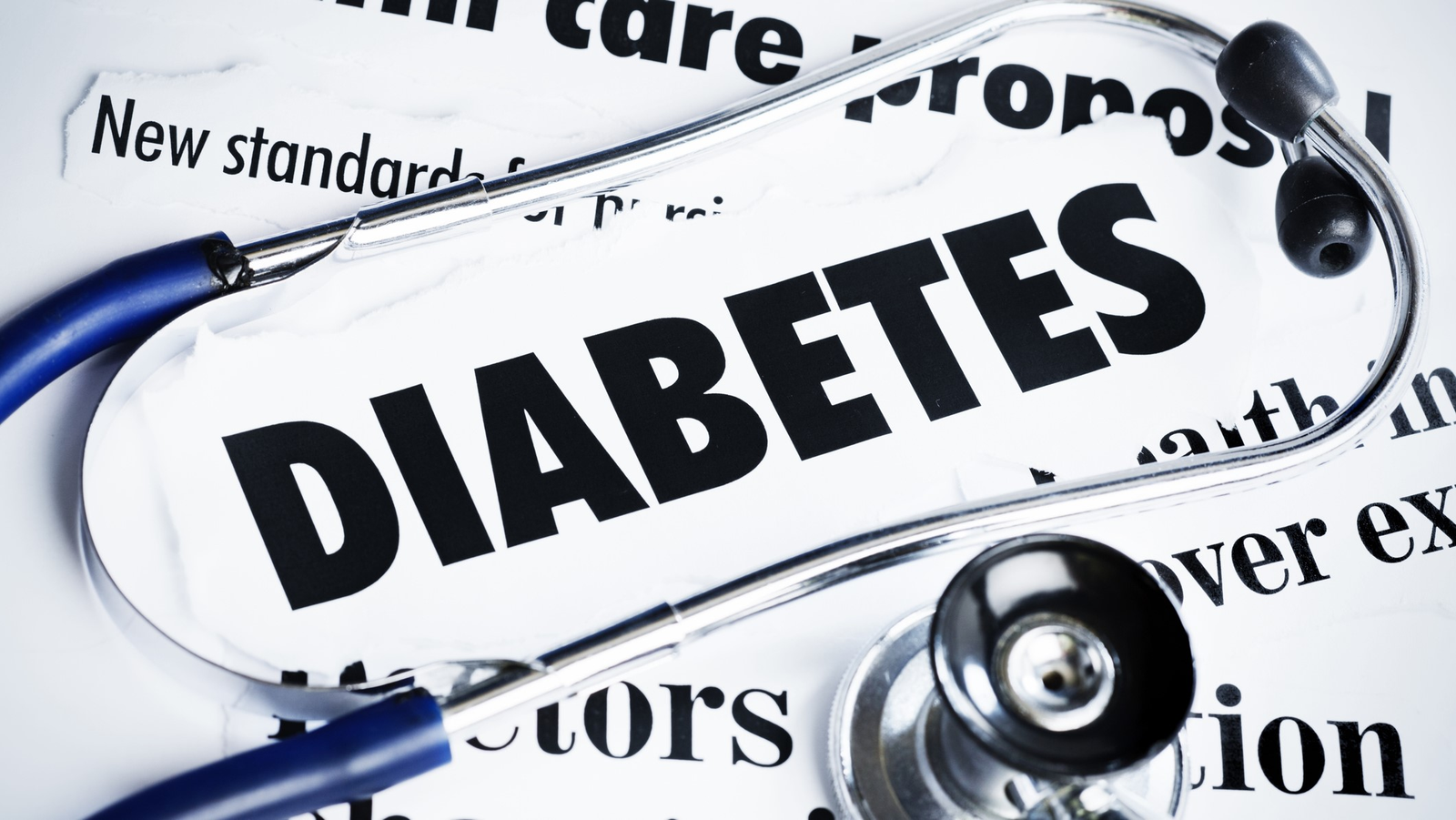
“You’re going to be upset with me.” It is a familiar confession for many people living with diabetes, especially after eating more than planned, missing a workout or forgetting to check their blood sugar.
But managing a lifelong condition is challenging enough without adding guilt and self-criticism to the burden.
Learning to practise self-compassion could make a meaningful difference.
Breaking the cycle of guilt
Diabetes management requires daily decisions about food, medication, physical activity and blood glucose monitoring. Even with the best intentions, there will be difficult days. Someone may enjoy an extra serving of rice at dinner, reach for a sugary drink or struggle to maintain an exercise routine.
The problem is not simply making a mistake but allowing it to trigger shame and discouragement. Feeling like a failure can make it harder to return to healthy habits.
Self-compassion offers a healthier response. It involves treating yourself with kindness, recognising that everyone struggles and acknowledging difficult emotions without allowing them to take control.
Rather than thinking, “I’ve ruined everything,” try asking, “What can I learn from this, and what can I do differently tomorrow?”
Progress over perfection
One practical approach is to pay attention to your inner conversations. Replace harsh criticism with realistic encouragement. Keep a record of small achievements, whether taking a walk after dinner, choosing water instead of a sugary drink or remembering medication.
Self-compassion does not mean ignoring diabetes or abandoning medical advice. It means accepting responsibility without punishing yourself.
Diabetes management is a long journey, not a daily examination you must pass perfectly. Sometimes, the most powerful step towards better health is giving yourself permission to begin again.


The Sahel’s Dangerous Calm: What Does the Lull in Jihadist Fighting Really Hide?

‘We Didn’t Come Here to Beg’: Ghana’s Zanetor Agyeman-Rawlings Demands Climate Justice and Funding for Africa at COP31

Ghanaian Teen’s Bronx Funeral Sparks NY Attorney General’s Demand to Repeal Law Protecting Gunmakers
-

 Ghana News2 days ago
Top Ghanaian School Wins 26 Awards at 2026 Pearson Learner Awards
-

 Business2 days ago
Invest Ghana Summit: NVI Pitches Vaccine Manufacturing Opportunities to Investors
-
 Ghana News22 hours ago
Ghanaian Teen’s Bronx Funeral Sparks NY Attorney General’s Demand to Repeal Law Protecting Gunmakers
-
 Ghana News21 hours ago
‘We Didn’t Come Here to Beg’: Ghana’s Zanetor Agyeman-Rawlings Demands Climate Justice and Funding for Africa at COP31
-

 Ghana News2 days ago
‘Stop Taking Our Money to Hide in Switzerland’: Dangote Challenges Wealthy Africans to Invest at Home
-
 Opinion21 hours ago
The Sahel’s Dangerous Calm: What Does the Lull in Jihadist Fighting Really Hide?