
Health & Wellness
Stop Chasing Quick Fixes: Build a Fitness Routine That Lasts

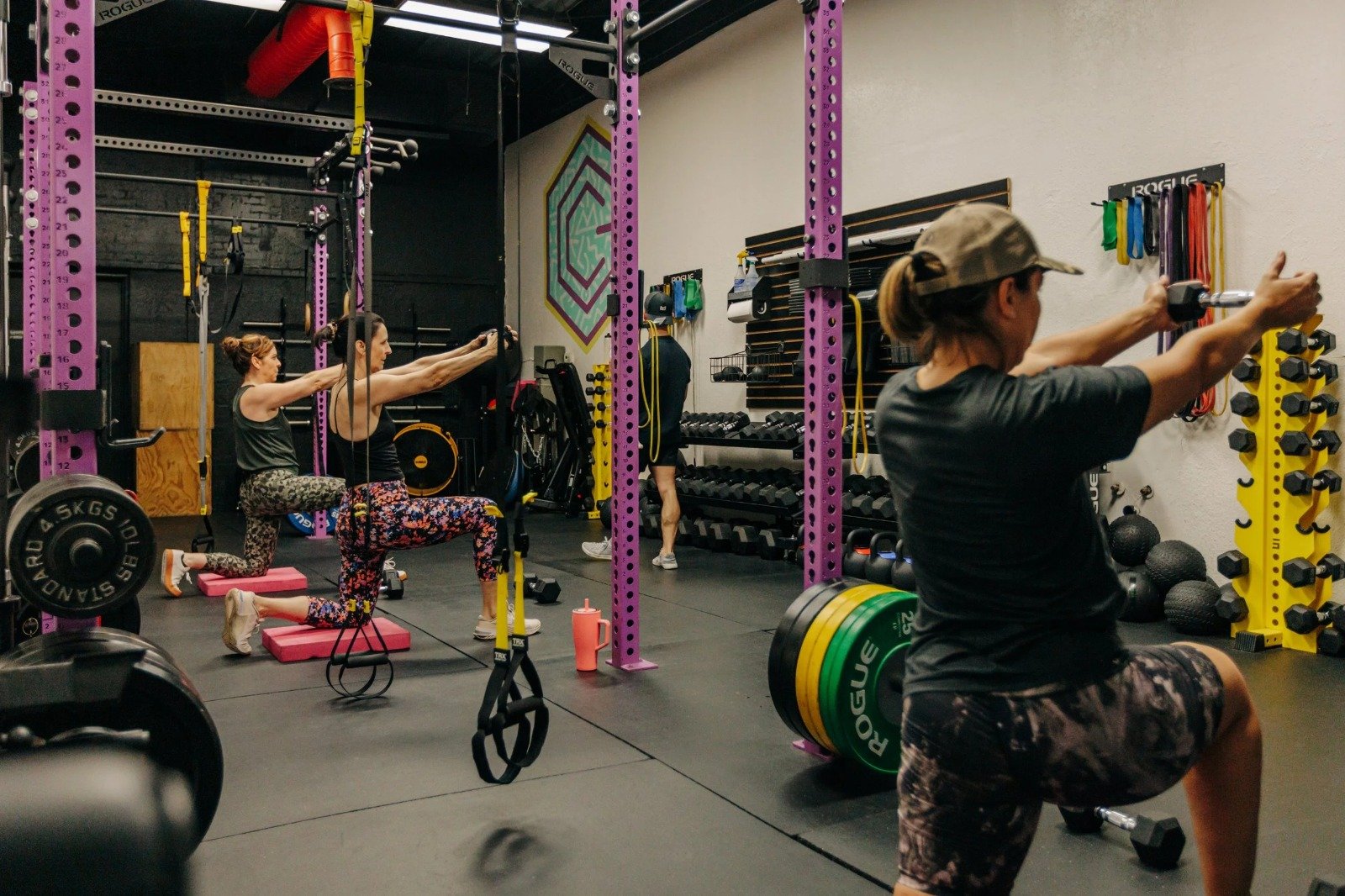
The quickest way to lose weight is often the quickest way to gain it back.
From detox teas to waist trainers and fat-burning pills, the promise is always the same: less effort, faster results.
Yet the people who keep weight off for years usually rely on something far less exciting. They build habits that still make sense six months later.
Build the Habits That Actually Change Your Body
One of the most overlooked shifts is moving from “losing weight” to “changing body composition.”
That is where strength training earns its reputation. Lifting weights helps preserve and build muscle while reducing body fat, making it especially valuable for adults as muscle naturally declines with age.
Nutrition matters just as much, but not because every meal has to be perfect. A moderate calorie deficit—eating slightly fewer calories than your body uses—remains one of the most reliable ways to lose weight. For many Ghanaians, that could mean keeping beloved foods like waakye, banku or jollof on the menu while paying closer attention to portions rather than banning entire food groups.
Sleep deserves more credit than it gets, too. Poor sleep can make hunger feel louder, energy feel lower and workouts feel harder, turning healthy intentions into a daily struggle.
Choose Consistency Over Hype
Healthy living rarely looks dramatic. It looks like packing tomorrow’s lunch, taking a walk after dinner, lifting weights a few times a week and getting enough rest to do it again.
The best fitness plan is not the one that promises the fastest transformation. It is the one you are still following long after the excitement wears off.








Your body may resist your new weight after weight loss. Understanding metabolic adaptation can help you build a more realistic, sustainable maintenance plan.
Imagine two people who weigh 75 kilograms. One has maintained that weight for years, while the other has recently lost 10 kilograms after weighing 85.
Although the scale shows the same number, their bodies may not respond to food and energy in exactly the same way.
For someone who has lost substantial weight, the challenge may not end when the target is reached. The body can adapt to weight loss, making long-term maintenance more difficult than expected.
When the Body Adjusts
Weight loss reduces the amount of energy the body needs because a smaller body generally requires fewer calories to function and move.
In some people, energy expenditure also falls more than expected for their new body size, a response known as adaptive thermogenesis.
Hormonal changes can contribute, too. Signals involved in hunger and fullness may shift, leaving a person feeling hungrier while their body uses less energy than before.
This does not mean the metabolism is permanently damaged. Nor does it mean everyone who loses weight must eat less than another person of the same weight for the rest of their life. The degree of adaptation varies, and individual differences in muscle mass, activity and physiology matter.
Making Maintenance Sustainable
For people in Ghana and elsewhere, the practical lesson is to treat weight maintenance as part of the journey, not an afterthought. Regular physical activity, resistance training to preserve muscle, adequate protein and filling, nutritious meals can all support long-term progress.
After losing weight, it may also help to monitor changing hunger levels, activity and weight trends without responding to every fluctuation with severe restriction.
The goal is not to fight your body through endless dieting. It is to build routines you can live with, recognising that maintaining a lower weight may require continued attention, patience and flexibility.

From filling your plate with nutritious foods to walking without a destination, small daily choices can help build a sustainable approach to weight management.
What if losing weight started with eating more food, not less?
It may sound surprising, but filling your plate with the right foods can make managing your weight easier. Instead of beginning with strict restrictions, a more sustainable approach focuses on everyday habits that help control hunger, manage calorie intake and keep the body moving.
Eat More Without Overloading on Calories
Volume eating is built around choosing foods that provide plenty of food for relatively few calories. Vegetables, fruits, beans and lean proteins can help make meals satisfying without pushing calorie intake too high.
For Ghanaian households, this might mean adding more kontomire, garden eggs, okra or other vegetables to meals, alongside beans, fish or lean meat. Portion sizes and cooking methods still matter, particularly when dishes contain generous amounts of oil.
Give Snacking a Second Thought
Eating between meals is not automatically unhealthy, but habitual snacking can add calories without providing much satisfaction. Establishing regular meal times and paying attention to genuine hunger may help people distinguish between needing food and simply eating out of boredom.
Intermittent fasting is optional, not essential. The aim is to develop a routine that supports adequate nutrition rather than forcing yourself to ignore hunger.
Enjoy Treats Without Losing Control
Weight management does not require abandoning favourite foods. Allowing yourself a reasonable portion of something sweet, crunchy or indulgent can make a balanced eating pattern easier to maintain. The key is enjoying it without automatically reaching for more.
Make Movement Part of Everyday Life
Walking to a nearby shop, taking the stairs or volunteering to run an errand all create opportunities to move. These activities complement planned exercise and help reduce sedentary time.
The lasting lesson is simple: sustainable weight loss is rarely built on one dramatic change. It grows from ordinary choices repeated consistently, with enough flexibility to make healthy habits part of everyday life.

What if spending just two hours a week lifting weights could do more than strengthen your muscles?
Research examining the relationship between resistance training and longevity suggests that building strength may be an important part of protecting long-term health.
The Case for Stronger Muscles
A large observational study involving approximately 147,000 participants, with a 30-year follow-up, examined how strength-training habits were associated with mortality.
Published in the British Journal of Sports Medicine, the research found that people who reported around 90 to 120 minutes of resistance training weekly experienced particularly favourable associations with longevity compared with those who did none.
The analysis reported a 13 per cent lower risk of death from all causes, a 19 per cent lower risk of cardiovascular mortality and a 27 per cent lower risk of neurological disease mortality among the relevant strength-training group.
These figures are encouraging, but they do not prove that lifting weights directly prevents death or guarantees a longer life. Observational studies identify associations, and other lifestyle factors may contribute to the results.
Making Strength Part of Everyday Life
Strength training does not have to mean lifting heavy barbells in an expensive gym. Squats, wall push-ups, resistance bands and exercises using manageable dumbbells can help build strength at home.
Carrying groceries or rising from a chair may seem ordinary, but maintaining the strength needed for such tasks becomes increasingly valuable with age.
For adults in Ghana balancing work, family responsibilities and long commutes, short, consistent sessions can be a practical starting point. Beginners should choose manageable resistance, focus on proper technique and increase difficulty gradually.
An Investment in the Years Ahead
Walking and other aerobic activities remain important for heart health, but strength training deserves a place alongside them. The goal is not simply to look stronger today; it is to preserve mobility, independence and physical capacity for the future.
Two hours a week may be a worthwhile investment in a healthier ageing journey.


Funding Fears Loom For Ghana’s Life-Saving Malaria Vaccine Five Years After Roll Out

‘There was a Coordinated Disclosure Plan’: AI-Discovered Flaw in PHP Triggers Global Internet Chaos as Cybercriminals Race to Exploit It

Yandex Strikes: Can Moscow Host Africa Under Drone Threat?
-

 Ghana News1 day ago
Major Sexual Abuse Scandal Rocks Ghana High School: Obuasi School Headmaster Sues Journalist for GH¢2 Million as Investigation Into Alleged Misconduct Widens
-

 Reels & Social Media Highlights2 days ago
Ghana’s Digital Heartbeat: Outrage, Satire, and the Fight for Accountability
-

 Festivals & Events1 day ago
Compozers Fest Ghana Edition: Welcoming 2027 with Music in Accra
-

 Taste GH1 day ago
Airport Residential Area: Where Accra’s Dining Scene Meets Global Flavours
-

 Health & Wellness2 days ago
Four Everyday Lifestyle Habits That Can Make Weight Loss Easier
-

 Health & Wellness1 day ago
Why Keeping Weight Off Can Be Harder Than Losing It
-
 Arts and GH Heritage2 days ago
When Second-Hand Clothes Become a Playground for Community
-
 Opinion1 day ago
Yandex Strikes: Can Moscow Host Africa Under Drone Threat?