
Tourism
Spain Approves Historic Plan to Grant Legal Status to Up to 500,000 Undocumented Migrants


Spain’s left-wing government has approved a landmark royal decree to fast-track legal residency for an estimated 500,000 undocumented migrants.
This marks one of the largest regularization programs in Europe in nearly two decades and standing in stark contrast to the stricter migration policies sweeping much of the continent and beyond.
Announced on Tuesday, January 27, 2026, by Migration Minister Elma Saiz, the measure targets foreign nationals—primarily from Latin America and Africa—who can prove they were living in Spain for at least five months as of December 31, 2025, and have no criminal record. Applications are expected to open in April and remain open until June 30, 2026. Successful applicants will receive a one-year renewable residency and work permit, allowing them to work in any sector and anywhere in the country. Children may qualify for five-year permits, with pathways to longer-term status.
“Today is a historic day,” Saiz declared at a press conference, describing the policy as a reinforcement of a migration model rooted in human rights, integration, economic growth, and social cohesion.
Prime Minister Pedro Sánchez has long championed migration’s role in Spain’s economy, noting it drove about 80% of growth over the past six years and contributed roughly 10% of social security revenues.
With Spain’s unemployment rate dipping below 10% in late 2025 and foreigners accounting for most new hires in the final quarter, the government frames the plan as essential for sustaining an aging workforce and booming sectors like agriculture, tourism, and construction.
The decree, published in the official gazette, bypasses parliament—where the Socialist-led coalition lacks a stable majority—and was supported by the far-left Podemos party, which hailed it as a moral counter to rising anti-migrant rhetoric. Migrant advocacy groups and the Catholic Church have welcomed the initiative as an act of social justice and dignity for those already contributing to Spanish society.

Spain’s population stands at approximately 49.4 million, including 7.1 million foreign nationals, with an estimated 840,000 living irregularly at the start of 2025. The last major regularization occurred in 2005 under a previous Socialist government led by José Luis Rodríguez Zapatero.
The move has drawn sharp criticism from the opposition. Center-right Popular Party leader Alberto Núñez Feijóo accused the government of using the policy to distract from a recent rail disaster in southern Spain that claimed 45 lives on January 18, branding Sánchez’s migration approach “reckless.” Far-right Vox party announced it would challenge the decree in Spain’s Supreme Court, seeking to suspend implementation and criticizing the bypass of parliament as unacceptable.
The regularization bucks a broader European trend toward tougher controls, with countries like Denmark, Germany, and Austria tightening rules amid political pressures. Globally, it contrasts with restrictive policies in the United States under President Donald Trump.
From Ghana’s vantage point—as a key origin country for African migrants seeking opportunities in Europe—this development offers hope for many in the diaspora while highlighting ongoing debates about balanced migration policies that recognize economic contributions alongside security and integration concerns.




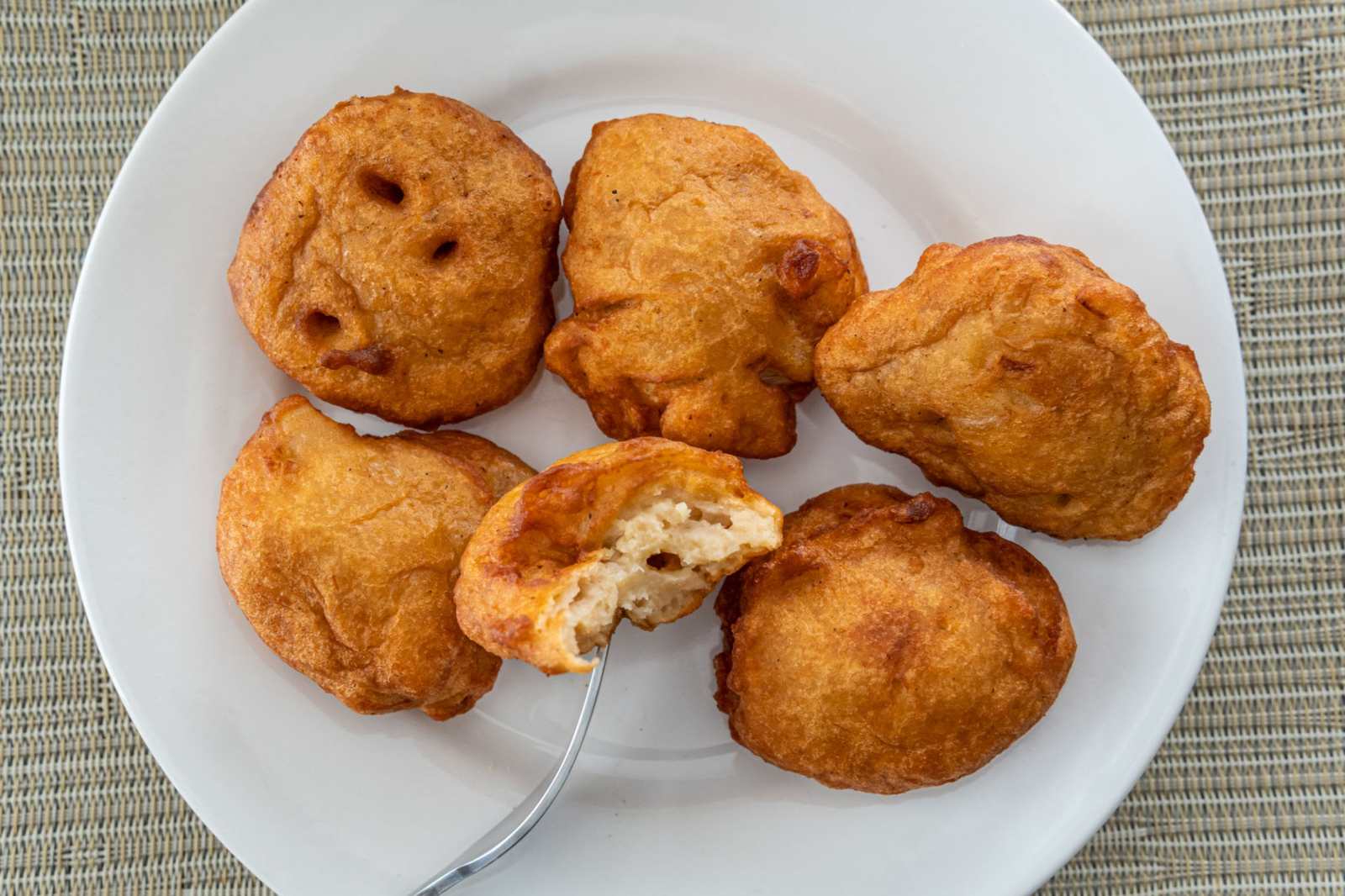
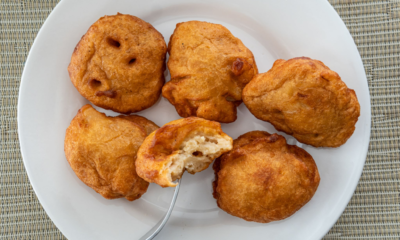
Long before dawn breaks over Accra’s busy streets, the crackle of hot oil and the warm, sharp perfume of ginger and scotch bonnet chilies signal that koose is on the way.
Also known as akara across West Africa, this iconic bean fritter holds a special place in the rhythm of Ghanaian life, serving as an indispensable staple of morning routines and street-food culture.
While delicious on its own, koose reaches absolute perfection when paired with koko, a hot, aromatic millet porridge infused with cloves and black pepper.

The creamy, fiery porridge balances the crunchy fritters, creating a sensory experience that warms the soul and fuels the day.
Whether grabbed from a neighborhood street vendor or fried fresh at home, koose remains a timeless symbol of West African culinary comfort.

Just minutes from Kotoka International Airport on Airport Bypass Road, inside the historic Aviation Social Centre, sits a modern retreat from Accra’s tropical heat and bustling urban traffic.
Bliss Family Entertainment has quickly established itself as a premier indoor leisure hub, seamlessly bridging the gap between high-energy active recreation and relaxed social gatherings for locals, expats, and international travelers alike.

The climate-controlled center features an expansive lineup of activities tailored for diverse age groups. Visitors can challenge friends on a six-lane 10-pin bowling alley (GH¢125 per game) or let younger children try mini-bowling (GH¢100).
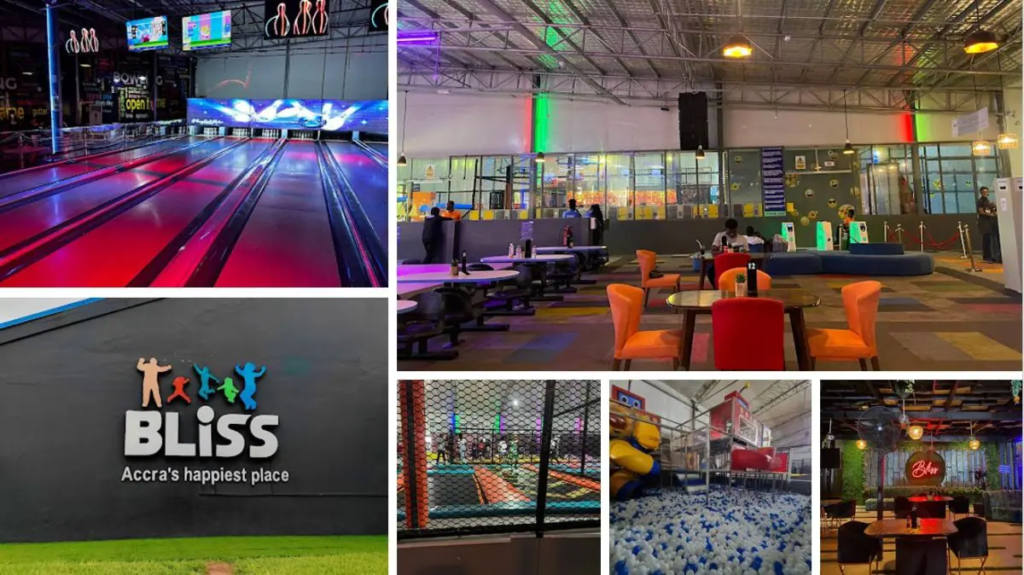
For thrill-seekers, a vibrant trampoline park provides high-bounce arenas (GH¢125 for under-12s, GH¢175 for ages 12+), while immersive Twin Battle VR setups (GH¢100) and an arcade stocked with over 20 games round out the technological play space. Younger guests can also enjoy gentle Teacup Spin rides.

What truly sets the venue apart is its integration of active gaming with local culinary culture. Instead of standard concession food, an on-site restaurant and bar serves authentic Ghanaian favorites, including Assorted Jollof (GH¢220), Goat Jollof (GH¢250), and Grilled Tilapia (GH¢250), alongside hearty stir-fried noodles and grilled meats.
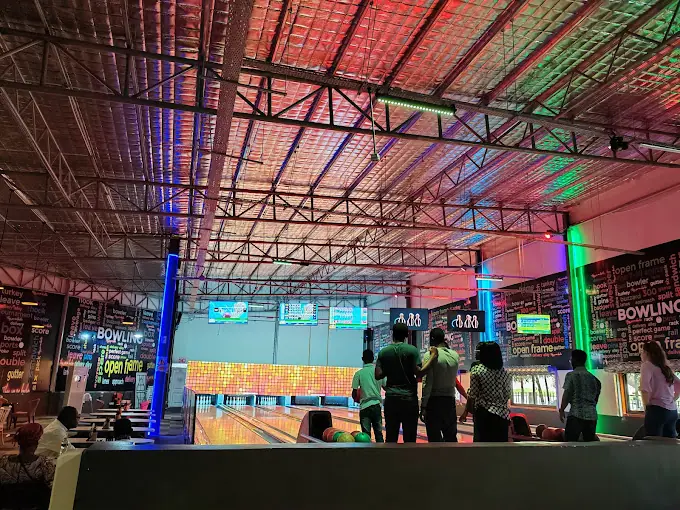
Operating late into the night—from 12:00 PM to midnight Tuesday through Friday and 10:00 AM to midnight on weekends—the center provides an easy, safe space for family outings, weekend dates, and stress-relieving evening hangouts.
By combining modern recreational technology with rich local flavors, Bliss continues to set the benchmark for indoor family leisure in West Africa.
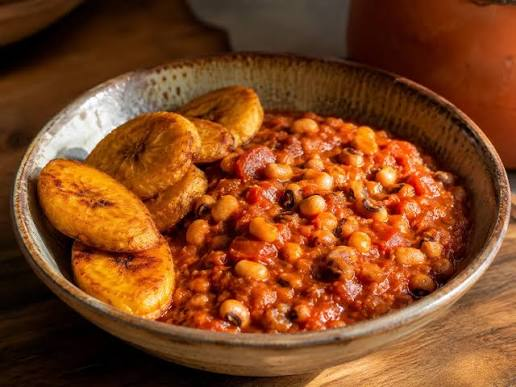
There is something irresistible about a plate of Red Red—the rich crimson sauce, sweet golden plantain on the side, and the comforting aroma that fills the air long before the first bite.
One of Ghana’s most loved bean dishes, Red Red takes its name from its striking colour, created by ripe tomatoes and vibrant red palm oil.
The result is a hearty meal that balances deep, savoury flavours with a gentle sweetness, making it a favourite from bustling street food stalls to family dining tables.
At its heart are soft, slow-cooked black-eyed beans that soak up a fragrant tomato stew infused with onions and spices. The red palm oil adds an earthy richness and a distinctive aroma that gives the dish its unmistakable character.
Pair it with fried ripe plantains, and every mouthful becomes a satisfying contrast of creamy beans and caramelised sweetness.
Many Ghanaians complete the meal with a boiled or fried egg, turning an already generous dish into an even more filling feast.
Red Red has earned its place as more than comfort food. Beans provide plant-based protein and fibre, while tomatoes contribute vitamins and antioxidants. Red palm oil, used in moderation, also contains beta-carotene, which the body converts into vitamin A.
Visitors discovering Ghanaian cuisine for the first time often remember Red Red because it feels both familiar and exciting.
It’s simple enough for home cooks to recreate, yet packed with flavours that reflect Ghana’s talent for transforming everyday ingredients into memorable meals.
Whether enjoyed for lunch, dinner, or as a satisfying weekend treat, Red Red remains one of the country’s proudest culinary classics.



-

 Ghana News1 day ago
“It Slipped Through”: Ghana Customs Boss Admits Airport Security Failure After 3.9-Ton Drug Bust
-

 Opinion1 day ago
African Blood for Other People’s War?
-
 Festivals & Events2 days ago
Accra Welcomes New York Leadership for a Historic Night of Community
-

 Homes & Real Estate1 day ago
How Mechanical, Electrical, and Plumbing Audits Protect Your Real Estate Investment
-

 Global Update1 day ago
White House Launches ‘Trump TV’ on YouTube After Banning Three News Outlets: Here’s What It’s Showing
-
 Taste GH2 days ago
The Timeless Appeal of Koose and Spiced Millet Koko
-

 Ghana News2 hours ago
Ghana Parliament Faces Emergency Recall Over Heightening Narcotics Crisis
-

 Fashion & Style1 day ago
When Aesthetics Backfire: What the Converse Imagery Controversy Teaches the Global Style Industry