
Culture
Ghana Initiated the Afrobeats Movement, But Fumbled And Nigeria Capitalized – Video Argues


A viral Instagram post from commentator Train Of Thought is reigniting a familiar debate across West Africa and the diaspora: did Ghana squander a chance to lead the global Afrobeats movement it helped invent?
In a blunt, widely shared clip, the creator argues Ghana — the birthplace of hiplife and the viral dance Azonto — once “owned the rhythm” that moved the continent.
But when Azonto and hiplife reached global ears, the post says, Ghana lacked the institutional muscle to turn cultural momentum into sustained industry: there were few festivals, limited international touring, no aggressive diaspora outreach and no comparable label infrastructure. By contrast, Nigeria marshalled lawyers, bankers, promoters and diaspora networks to professionalize music, scale promotion and monetize a continent-wide sound. The result: when Afrobeats became a global commodity, Nigeria had already built the train — and Ghana found itself left at the station.
“Who drags a whole nation?” the post asks. “When you catch your own lightning in a bottle, what will you do with it?”
From Azonto and hiplife to global Afrobeats
Ghana’s contribution to modern African popular music is undisputed. Hiplife—an early hybrid of highlife and hip-hop—produced artists and dances that went viral across Africa and beyond. Azonto’s hand gestures and percussion-driven beats dominated YouTube clips and club playlists in the early 2010s; for a moment, the world moved to a Ghanaian rhythm.
But virality isn’t infrastructure. Train Of Thought frames the difference between fleeting fame and durable industry as deliberate organisation: record labels that scale, financiers who underwrite tours, legal teams that protect rights, and marketing that channels diaspora attention into lasting revenue. Nigeria’s ecosystem — from indie labels to corporate investment and coordinated diaspora activation — turned Afrobeats into a global export. The post points to that orchestration as the decisive factor in who “sits at the table” when the world talks about African music.
The post also draws a line to Amapiano — a South African house subgenre that has become a recent global wave — to illustrate the same dynamic. Talent and trends create opportunity; mobilisation and infrastructure determine which markets benefit.
Lessons for creators and policymakers
The Instagram argument is more than cultural finger-pointing. It’s an urgent playbook for artists, cultural ministries and investors:
- Institutionalise success. Festivals, touring pipelines and export strategies turn local trends into trade.
- Protect intellectual property. Legal frameworks and licensing turn streams into sustainable income.
- Mobilise the diaspora. Coordinated promotion and touring in global diaspora hubs multiply reach and revenue.
- Finance the movement. Early-stage investment and risk capital enable artists to scale beyond viral moments.
As Train Of Thought puts it: capturing “lightning in a bottle” is only the first step. Without strategic follow-through, the flash fades—and others reap the rewards.
A corrective, not a dismissal
The critique does not erase Ghana’s creative legacy. Artists, dancers and producers from Accra changed continental soundscapes and influenced generations.
The post’s value lies in turning admiration into action: how to convert cultural brilliance into lasting economic institutions.
For Ghana, and for every country that produces a global moment, the question is practical as well as philosophical: when the world dances to your beat, will you build the carriages to ride the train — or watch it pass?











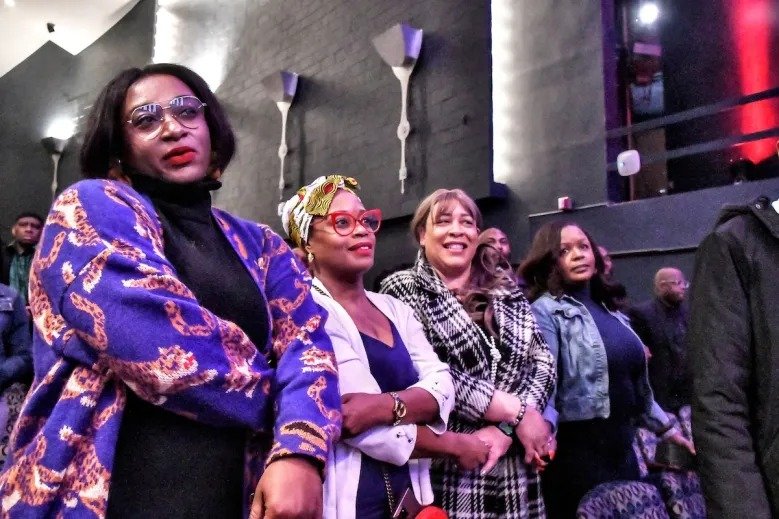
Every April, the city of Accra becomes a crossroads of ideas, faith, and culture. In 2026, one of the most anticipated gatherings on the city’s calendar will once again bring together women from across Ghana and beyond: the The D.I.V.A. Principle Conference 2026.
Taking place from April 9 to 11 at ICGC Christ Temple East, the three-day conference promises more than inspirational speeches. It is designed as an immersive experience where spirituality, leadership, and personal development intersect. For many attendees, the event has become a yearly moment of reflection, learning, and community building.
The conference is led by Michelle McKinney Hammond, an internationally known author and relationship expert whose teachings have influenced audiences around the world. Through her ministry and conferences, Hammond has consistently focused on helping women discover purpose and cultivate resilience.
The name “D.I.V.A.” stands for Divine Inspiration for Victorious Attitude, a theme that captures the spirit of the gathering. The conference aims to equip women with spiritual insight, practical leadership skills, and the confidence to pursue their goals with clarity and intention.
Over the years, the event has grown into a vibrant platform that blends motivational teaching with cultural exchange. Speakers expected at the 2026 edition include internationally respected voices such as Priscilla Shirer and television host Kristi Watts. Ghanaian audiences will also hear from influential local voices, including Oheneyere Gifty Anti and Nhyira Otabil-Allotey.
Beyond the keynote sessions, the atmosphere of the conference is intentionally curated to encourage connection and conversation. Attendees can expect interactive discussions, mentorship moments, and networking opportunities that bring together women from different professional and cultural backgrounds.
One of the highlights is the exclusive D.I.V.A. Brunch, a relaxed setting where participants can engage speakers directly through live question-and-answer sessions. These intimate conversations often become the most memorable moments of the conference, allowing participants to share personal stories and practical advice.
For visitors travelling to Ghana, the conference offers a unique window into the country’s vibrant faith community and its strong culture of women’s leadership. Ghanaian churches have long served as spaces where social conversations about identity, family, and ambition unfold, and gatherings like this demonstrate how those traditions continue to evolve.
For local attendees, the experience offers something equally valuable: the opportunity to pause, reconnect with purpose, and build meaningful relationships with women pursuing similar aspirations.
As the April dates approach, organisers are already reminding prospective attendees that seats are limited. For those seeking inspiration, connection, and a renewed sense of direction, the 2026 D.I.V.A. Principle Conference promises three days that could reshape how women approach their future.

If you listened closely to the Ghanaian internet on Thursday, April 2nd, 2026, you didn’t hear silence. You heard a dondo—a talking drum—beating three different rhythms at once.
One for justice delayed. One for a politician’s ghost of promises past. And one for a man of God who says the sky is bending low.
Let me walk you through the feeds.
The Gold That Would Not Speak
It started in the morning. A court in Accra opened its doors, and the ghost of Menzgold walked in.
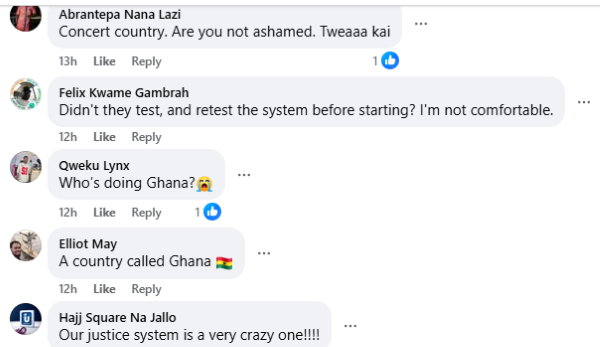
Nana Appiah Mensah—NAM1—was supposed to testify via video link. Thousands of customers, their life savings turned to dust, leaned forward on their phones. They wanted to see him answer.
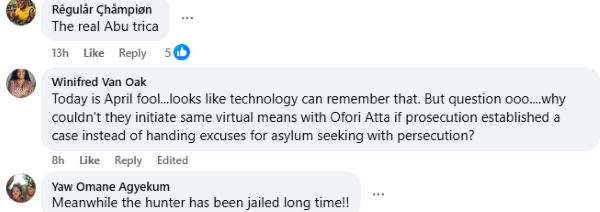
Instead, the court said: “Technical challenges.”
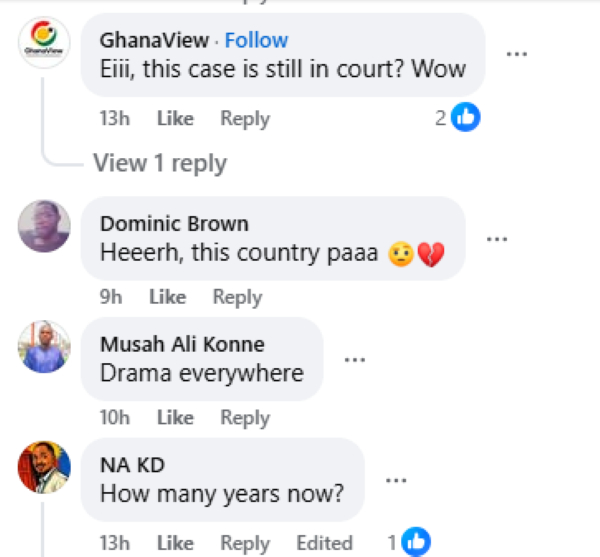
Just like that, the case slipped to April 16th. Twitter erupted. A user named @RealAbuTrica posted the line that became the anthem of the day:
“The real Abu Trica. Meanwhile, the hunter who stole a fowl has been jailed for three years.”
You see, in Ghana, we remember. A few weeks ago, a man was sentenced for stealing a hunter’s catch. But a gold dealer? He walks free, delayed by “bad Wi-Fi.” The joke wrote itself. The anger was real.
The Video That Refuses to Die
Just as the NAM1 storm was peaking, a different ghost appeared.
Sam George—the fiery Communications Minister—was trending for something he used to say. Old clips crawled out of the archives. In them, a younger, opposition Sam George points a finger at then-candidate John Mahama:
“You will know no peace until the anti-LGBTQ+ bill is passed.”
The comments section became a courtroom. “He was loud when he had nothing,” one person wrote. “He is quiet now that he has power.”
Then musician Wanlov stepped in. He posted:
“Encouraging to see Mahama shift focus. The bill is a distraction.”
And just like that, the political internet split in two. Old loyalties vs. new realities. The video kept looping. The debate kept burning.
The Prophet and the Panic
By afternoon, the tone shifted.
Apostle Francis Amoako Attah released a video. His voice was low. Urgent. He didn’t name the danger, but he said: Pray. Fast. Watch.”
Within hours, Facebook Live streams were filled with trembling voices. Some called for three days of national fasting. Others rolled their eyes. “He has done this before. Nothing will happen. Stop spreading anxiety,” read a top comment on his Facebook page.
But that’s the thing about prophecies in Ghana. Even the skeptics check their doors twice. Even the non-believers share the video—just in case. The algorithm loved it. The people? Half terrified, half exhausted.
Why This All Matters
Ghanaian social media is not just entertainment. It is a living archive of our contradictions.
We chase justice for the poor while the rich buy adjournments. We demand fire from our leaders, then punish them when the fire burns too hot. We laugh at prophecies, but we don’t sleep soundly after watching them.
On April 2nd, 2026, the internet didn’t just trend. It told a story about who we are right now: angry, hopeful, spiritual, and deeply, deeply online.
And somewhere in Accra, a young person refreshed their feed at midnight, smiled at the chaos, and whispered:
“Only in Ghana.”
Festivals & Events
Woman But A Builder Conference 2026: A Day of Faith, Confidence, and Renewal in Accra


On a warm May morning in Accra, women from different walks of life will gather for a day that blends faith, personal reflection, and empowerment. The Woman But A Builder Conference 2026 is not simply another conference on the calendar. It is a space where stories are shared, confidence is renewed, and belief—often the first brick in any life-changing journey—is carefully rebuilt.
Set for Saturday, May 23, the conference carries the theme “If You Can Believe” – Mark 9:23, a message rooted in the idea that belief shapes what women can build in their lives, families, and communities.
Across Ghana, women play central roles in shaping society—running businesses, guiding households, leading ministries, and supporting entire communities. Yet many quietly carry the weight of self-doubt. This gathering addresses that inner struggle by encouraging women to reconnect with their identity and purpose.
The day’s sessions explore that journey step by step. Conversations such as “I Believe I Am – Reclaiming Identity” invite participants to reflect on who they are beyond daily responsibilities. “I Believe I Can – Standing in Capacity” focuses on recognizing personal strength and potential, while “I Believe Again – Restoration After Broken Places” speaks to healing and renewal after difficult seasons.
Each session combines teaching, prayer, and heartfelt testimonies, creating an atmosphere that feels both reflective and uplifting.
Visitors can expect a lively environment shaped by the rhythm of Ghanaian gatherings—music that lifts the spirit, moments of communal prayer, and spontaneous conversations that continue long after sessions end.
Attendees often arrive as strangers but leave having formed new connections. For those unable to attend in person, virtual access ensures the message reaches audiences far beyond the capital.
For international visitors interested in Ghana’s spiritual and social life, the conference offers a glimpse into the country’s strong faith culture and the growing movement to support women’s leadership.
For local participants, it provides a rare pause from daily responsibilities—a day dedicated to rediscovering confidence and possibility.
With complimentary attendance and limited seating, early registration is essential. Whether attending in person or online, the Woman But A Builder Conference 2026 promises a powerful reminder that belief is often where every meaningful structure begins.


Renowned Global Bodies Warn Middle East War Will Scuttle Africa’s 2026 Growth

Ex-President Akufo-Addo and President Mahama Exchange Pleasantries on Easter

Mahama Calls Christ’s Birthplace an ‘Epicentre of War’, New Airport Concourse Planned and Other Big Stories in Ghana Today
-
 Ghana News24 hours ago
Ghana President Convenes Emergency Cabinet Meeting to Cushion Ghanaians from Soaring Fuel Prices
-
 Ghana News23 hours ago
Mahama Calls Christ’s Birthplace an ‘Epicentre of War’, New Airport Concourse Planned and Other Big Stories in Ghana Today
-
 Ghana News23 hours ago
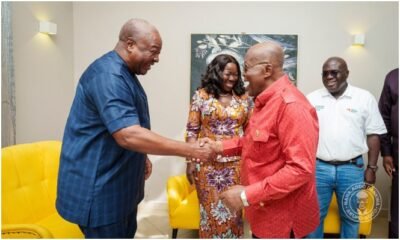
Ex-President Akufo-Addo and President Mahama Exchange Pleasantries on Easter
-
 Business23 hours ago
Renowned Global Bodies Warn Middle East War Will Scuttle Africa’s 2026 Growth