
Business
Ghana Considering ‘Diaspora Bonds’ to Reverse UK Remittance Decline

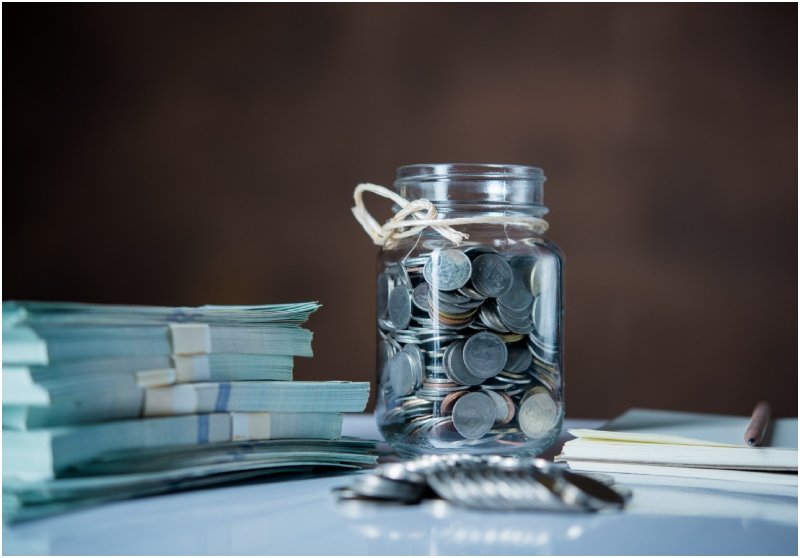
Ghana’s central bank is exploring innovative ways to turn declining remittances from the United Kingdom into long-term productive capital.
The Bank of Ghana is planning to launch diaspora bonds and structured investment products aimed at overseas Ghanaians.
The move follows a notable drop in UK remittance inflows, which fell to 17.5% of total inflows in January–September 2025, down from 27.6% the previous year.
Bank of Ghana Governor Dr. Johnson Pandit Asiama said the initiative is designed to make diaspora contributions more predictable and impactful, moving beyond traditional cash transfers toward financing development projects such as SMEs, housing, agriculture, and job creation.

The strategy draws inspiration from successful diaspora bond programs in countries like India, Israel, and Ethiopia, which have mobilized long-term capital for national development.
By offering structured, investment-oriented products with transparent returns, the Bank hopes to attract “patient capital” from Ghanaians abroad, particularly in the UK and other developed markets.
Outreach campaigns and roadshows are planned to engage the diaspora and explain how investments in Ghana could generate both economic returns and national development impact, marking a significant shift in how remittances are leveraged for growth.










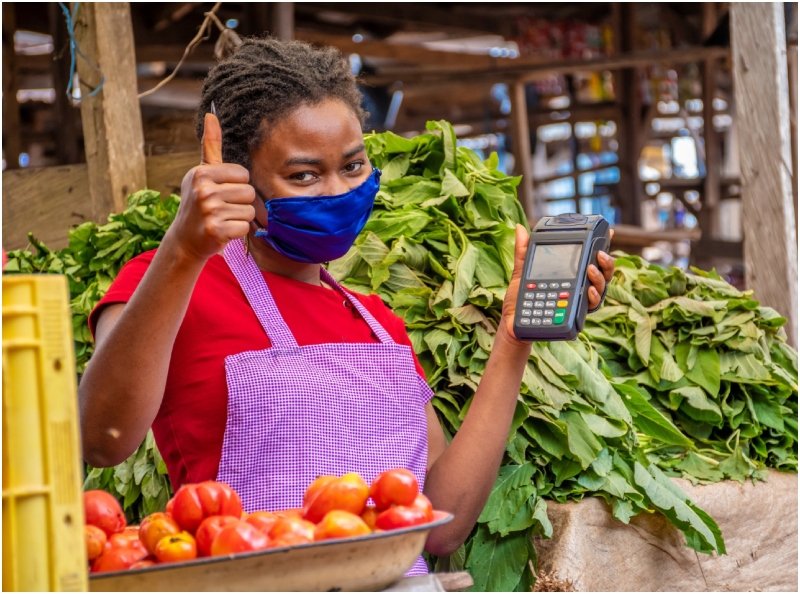
Accra, Ghana – March 4, 2026 – Ghana’s inflation rate continued its remarkable downward trajectory, falling to 3.3% in February 2026—the 14th consecutive monthly decline and the lowest level since the 2021 rebasing of the Consumer Price Index (CPI).
According to fresh data released by the Ghana Statistical Service, the CPI rose from 255.9 in February 2025 to 264.4 in February 2026, translating into a year-on-year inflation rate of 3.3%. This marks a dramatic improvement from the 23.1% recorded in February 2025—a 19.8 percentage point reduction within 12 months.
On a month-on-month basis, prices increased modestly by 0.8% between January and February 2026, reflecting controlled short-term pressures.
Key highlights from the report include:
Food & non-alcoholic beverages inflation slowed sharply to 2.4% (from 3.9% in January), offering welcome relief to households.
Non-food inflation rose slightly to 4.0% (from 3.8%).
Imported inflation dropped significantly to 0.6% (from 2.0%), signaling reduced external price pressure.
Locally produced goods inflation eased to 4.5% (from 4.6%).
Goods inflation fell to 3.2% while services inflation declined to 3.7%.
Regional variation remained: the Savannah Region recorded the lowest rate at -5.6%, while the North East Region posted the highest at 8.9%.
The sustained easing underscores the effectiveness of recent monetary and fiscal measures under the current administration, including tighter policy coordination, improved supply chains, and reduced import costs following cedi stability.
With inflation now firmly anchored in low single digits for the first time in years, policymakers and economists are shifting focus to maintaining this momentum amid external risks—particularly volatile global energy prices and geopolitical tensions in the Middle East that could reverse gains.
The Ghana Statistical Service will release the March 2026 CPI figures next month.
Business
Ghana’s Mega Infrastructure Push: 10 Game-Changing Projects Set to Transform the Country in 2026
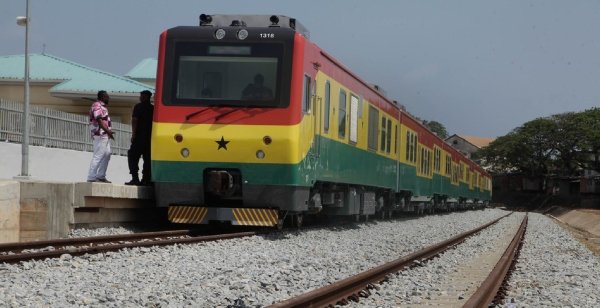
Accra, Ghana – March 3, 2026 – Ghana is in the midst of one of the most ambitious infrastructure drives in its history, with ten massive projects—ranging from railways and highways to solar parks, gas processing plants, and a landmark petroleum hub—poised to reshape transportation, energy, trade, and economic opportunity across the country and West Africa.
A recent viral video breakdown highlights these “megaprojects” as the backbone of Ghana’s development agenda under President John Dramani Mahama’s administration, emphasizing their role in modernizing mobility, boosting industrial output, ensuring energy security, and positioning Ghana as a regional economic powerhouse.
Top 10 Megaprojects Driving Ghana Forward
1 Big Push Roads Network
The flagship of Ghana’s GH¢30.8 billion infrastructure plan, this nationwide programme includes over 32 major road projects—dual carriageways, bridges, and interchanges—along critical corridors such as Accra–Kumasi, Tema–Aflao, and Cape Coast–Takoradi. Sod-cutting ceremonies began in 2025, with rapid progress expected in 2026. The network aims to slash congestion, cut transport times, lower logistics costs, and unlock trade, agriculture, and manufacturing growth.
2 Ghana Petroleum Hub
A $60 billion mega-development in the Jomoro Municipality near the western border, the hub integrates exploration, refining, storage, and export facilities. Groundwork accelerates in 2026, promising thousands of jobs, foreign investment, and a shift from net importer to regional energy leader.
3 Big Push Road Interchanges
Eight major interchanges along the Accra–Kumasi corridor target chronic urban congestion, supporting the 24-Hour Economy by improving traffic flow, reducing delays, and boosting productivity for commuters and businesses.
4 Trans-ECOWAS Railway
A proposed 530 km standard-gauge corridor linking Ghana’s eastern and western borders to Togo and Côte d’Ivoire. Feasibility studies continue, with potential construction start in 2026, aiming to revolutionize regional trade and connectivity.
5 Dawa Solar Park Phase 1
Ground broken in November 2025, this 100 MW solar facility in the Dawa Industrial Enclave near Accra is set for completion by December 2026. Phase 2 will double capacity to 200 MW, offering industrial users a 10% energy discount and significantly cutting carbon emissions.
6 OCTP Gas Processing Upgrade
Offshore Cape Three Points (OCTP) facility expanded to 270 million standard cubic feet per day in 2025, supplying ~70% of Ghana’s domestic gas and ~34% of electricity. The upgrade strengthens energy security and reduces reliance on imported fuels.
7 Amer Power Plant Relocation
Relocation of the Amer plant from Aboadze to Anwomaso in the Ashanti Region (ongoing since 2024) optimizes distribution, reduces transmission losses, and improves reliability for northern regions.
8 Bui Hydro-Solar Hybrid Phases 2 & 3
Adding 150 MW of solar to the existing Bui hydroelectric plant in the Bono Region, this hybrid expansion enhances renewable output, preserves water resources, and provides stable power even during low-rainfall periods.
9 Wiawso–Sankore Road
A 195 km highway across Bono East, Savannah, and Upper West regions, divided into seven lots for faster construction. Part of the Big Push initiative, it will accelerate agri-freight, connect regional capitals, and open rural markets.
10 Kojokrom–Manso Railway
A standard-gauge mineral freight line in the Western Region, 16% complete by 2023 and targeted for full operation by May 2026. Designed to move bulk cargo (gold, bauxite, manganese) efficiently to ports, reducing road congestion and transport costs.
These projects collectively aim to modernize Ghana’s transport backbone, secure reliable energy, integrate renewables, boost agricultural and industrial value chains, and position the country as a West African trade and logistics hub. Many are already under construction or in advanced planning, with 2026 marking a pivotal year of acceleration.
Business
Ghanaians Warned to Brace for Possible Fuel Price Hikes Amid Escalating Middle East Conflict
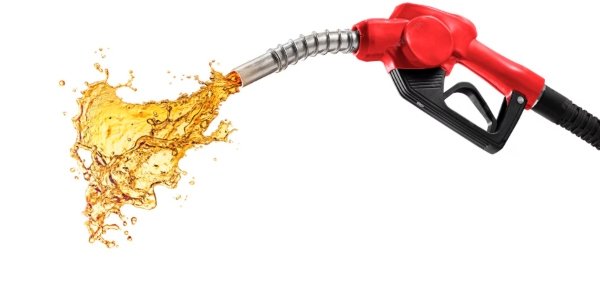
Accra, Ghana – March 3, 2026 – Ghanaian motorists and households have been cautioned to prepare for potential increases in petroleum product prices as the ongoing US-Israel-Iran conflict continues to destabilise global energy markets, according to industry leaders.
Dr. Riverson Oppong, Chief Executive Officer of the Chamber of Oil Marketing Companies (COMAC), told the Business & Financial Times (B&FT) that while Ghana currently faces no immediate risk of fuel shortages, prolonged geopolitical instability in the Middle East will inevitably drive up costs for consumers.
“The impact on Ghana will obviously be reflected in rising prices. There will certainly be a surge,” Dr. Oppong said.
He explained that Ghana remains a net importer of refined petroleum products, sourcing more than 60% of its domestic needs externally despite local production from the Jubilee and TEN fields and partial refining at the Tema Oil Refinery (TOR).
The warning follows the opening of the first pricing window for March (March 1–15, 2026), which already recorded marginal increases: petrol projected to rise 2.89% to approximately GH¢12.04 per litre, diesel up 0.86% to GH¢13.22 per litre, while LPG is forecast to dip slightly to GH¢13.87 per kg. The National Petroleum Authority (NPA) confirmed the price floor adjustments, with petrol now at a minimum of GH¢10.46 per litre (up from GH¢10.24) and diesel at GH¢11.42 per litre.
Dr. Oppong and other experts attribute the upward pressure to Brent crude’s surge past US$80 per barrel in early March trading—spiking more than 10%—driven by fears of supply disruptions through the Strait of Hormuz, through which about 20% of global crude flows. Recent attacks by Iran’s Islamic Revolutionary Guard Corps on oil tankers in the Gulf, combined with the shutdown of a major refinery in Qatar (capacity 550,000 barrels/day) and damage to infrastructure in the UAE, Saudi Arabia, and Kuwait, have tightened supply expectations.
Justice Ohene-Akoto, CEO of the African Sustainable Energy Centre, warned that four additional price hikes could occur in the coming weeks if tensions persist. He noted that even regional refineries like Dangote in Nigeria are unlikely to offer discounted prices to neighbours, meaning premium global rates would still apply.
Both leaders pointed to Ghana’s limited refining and storage capacity as a structural vulnerability. Dr. Oppong lamented that a fully operational large-scale refinery could transform Ghana into a net exporter, earning foreign exchange and ensuring availability. He urged the government to consider temporary relief measures, such as suspending or reducing the Price Stabilisation and Recovery Levy (PSRL), to cushion consumers from the expected cost surge.
The National Petroleum Authority has reassured the public that operational buffers—regular imports, daily discharges, TOR output, and Atuabo LPG production—will prevent shortages, but affordability remains the critical challenge. With Brent crude potentially climbing toward US$90 if the Strait of Hormuz faces further threats, Ghana’s import-dependent fuel market remains highly exposed.
Industry stakeholders and consumers alike are watching global developments closely, as any prolonged disruption could quickly reverse recent gains in inflation control and cedi stability.


The Week We Forgot About Cocoa and Talked About a Russian Instead

The One Ghanaian Dish You Eat with Your Fingers and Your Heart

Latest on U.S.-Israel Attack on Iran: Death Toll Tops 1,045, Maersk Suspends Bookings, U.S. Sinks Iranian Warship
-

 News2 days ago
Ghana Gears Up for Vibrant 69th Independence Day Celebrations: Parades, Plays, Poetry, and Heritage in Focus
-

 Ghana News2 days ago
Newspaper Headlines Today: Tuesday, March 3, 2026
-

 Tourism2 days ago
Emirates Resumes Limited Flights from Dubai as Middle East Airspace Slowly Reopens Amid Ongoing Conflict
-

 Commentary2 days ago
At a glance: US‑Israel attack on Iran
-

 Ghana News2 days ago
Ayawaso East By-Election Results Trickle in, ECG Audits Fast-Reading Meters, and Other Trending Topics in Ghana (March 3, 2026)
-

 Ghana News1 day ago
Ghana’s Top Muslim Leader Condemns Khamenei Assassination, Calls for New World Order Based on ‘Right Over Might’
-
 Business2 days ago
Ghana’s Mega Infrastructure Push: 10 Game-Changing Projects Set to Transform the Country in 2026
-

 Fashion & Style1 day ago
The New Wave of “Afro-Minimalism”: Redefining Luxury Beyond the Print