
Business
Ghana Boldly Optimizes Its Gold Reserves for Greater Economic Strength As Gold Prices Surge

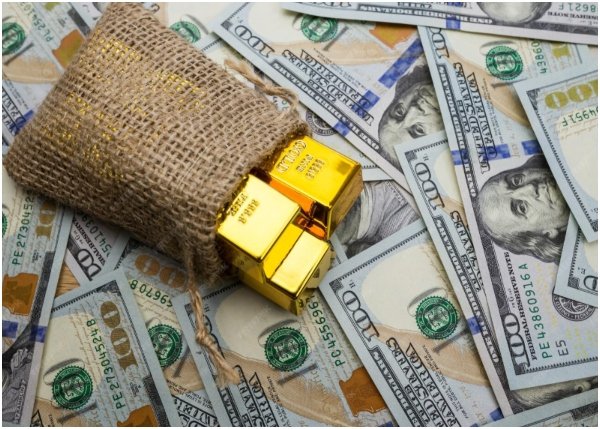
As global gold prices surge to record highs—exceeding $5,200 per ounce in late January—the Bank of Ghana has taken a forward-thinking, strategic step.
Ghana’s central bank has moved to rebalance its international reserves, reducing the gold component from over 40% to a more diversified and income-generating portfolio.
In 2025, the central bank sold approximately 18.6 tonnes of gold (a 51% reduction in holdings), reinvesting the proceeds into high-quality, liquid foreign-currency assets that earn dividends and actively contribute to reserve accumulation.
This deliberate portfolio adjustment—guided by Governor Dr. Johnson P. Asiama—addressed an unusually high gold concentration that exceeded the global central bank norm of 20–25%, while capitalizing on elevated prices to lock in value and enhance overall reserve flexibility.
The results speak volumes: despite the reallocation, Ghana’s gross international reserves grew, reaching $13.8 billion by December 2025 (equivalent to about 5.7 months of import cover). The move has bolstered liquidity, supported the cedi’s remarkable 40–41% appreciation against the US dollar throughout 2025 (from GH¢15.0–15.3 to GH¢10.4–10.9), and helped drive inflation down from over 23.5% in January to 5.4% by year-end—the lowest since 2021.
Governor Asiama explained the rationale clearly: the central bank aimed to diversify reserves, improve returns through income-generating foreign assets, and ensure long-term resilience.
“The effects that were aimed at are there. It is earning dividends and contributing to reserve accumulation,” he stated during the 128th Monetary Policy Committee briefing.
This prudent strategy aligns with Ghana’s broader economic resurgence in 2025, fueled by disciplined fiscal management, rising gold export revenues, and strong macroeconomic fundamentals.
By converting part of its gold into productive, yield-bearing instruments, the Bank of Ghana has strengthened its ability to manage external shocks, support import needs, and sustain stability—proving once again that smart reserve management can turn a valuable national asset into even greater economic advantage.
Far from “ditching” gold as some have reported, Ghana is optimizing it—selling strategically at peak prices while maintaining a healthy allocation and channeling proceeds into assets that work harder for the nation’s future.











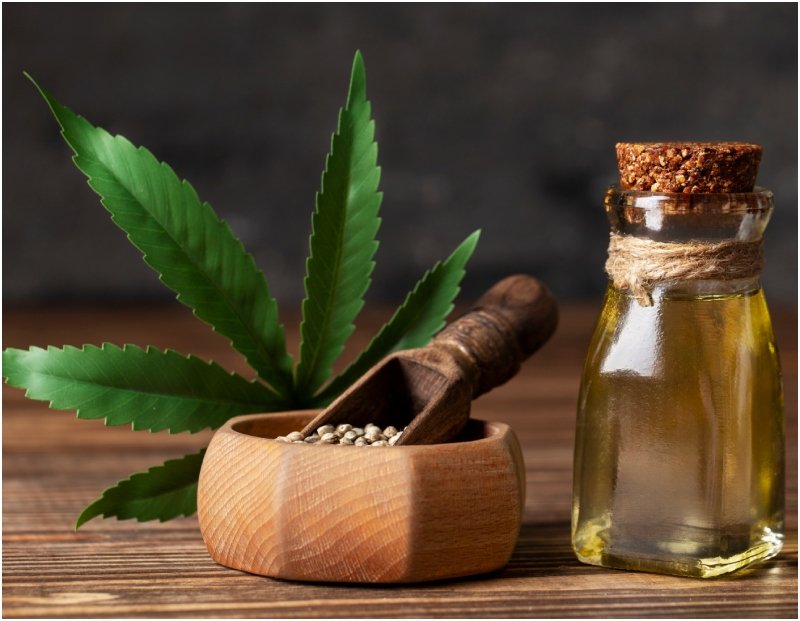
Accra, Ghana – Ghana’s Narcotics Control Commission (NACOC) is in the final stages of reviewing applications for cannabis licences, with successful applicants expected to receive approval to begin operations soon, marking a significant milestone in the country’s efforts to develop a legal and regulated cannabis sector.
Deputy Director-General for Enforcement, Control, and Elimination, Alexander Twum-Barimah, disclosed this while speaking at the Kwahu Business Forum on Saturday.
He emphasised that the review process has been “thorough and deliberate” to ensure that only applicants who fully meet all legal, regulatory, and security requirements are granted licences. NACOC officials engaged with potential investors at the forum’s exhibition stand, providing details on various licence categories, including cultivation, processing, distribution, and export.
Mr Twum-Barimah stressed that the commission is committed to building a properly regulated industry that creates legitimate economic opportunities while maintaining strict controls to prevent misuse and illegal activities.
“The goal is to strike a balance between enabling economic development and safeguarding public health and security,” he said.
All licence holders will be subject to ongoing monitoring and compliance checks.
The development signals Ghana’s intention to harness the economic potential of cannabis through job creation, investment, and export revenue, while aligning with international best practices in regulation. Further updates on the licensing process are expected in the coming weeks.
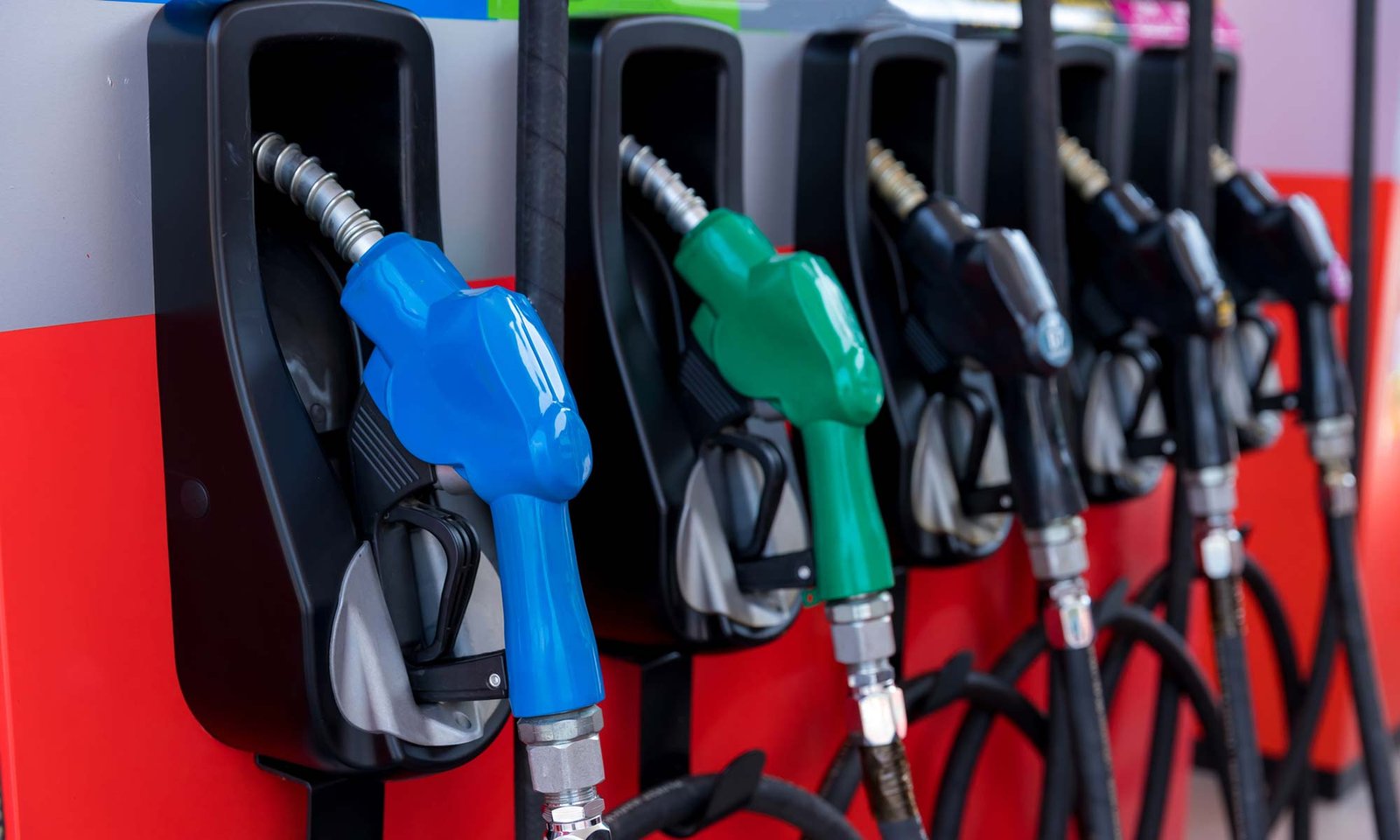
Accra, Ghana – As global oil prices continue to surge due to the ongoing Middle East conflict, the Ghanaian government has announced immediate and practical measures aimed at cushioning citizens from the impact of rising fuel costs.
Following an emergency Cabinet session chaired by President John Dramani Mahama, the government outlined three key interventions focused on direct price relief, affordable public transportation, and cutting unnecessary government expenditure on fuel.
Here are the 3 major steps Ghana is taking:
1. Suspension of Selected Taxes and Margins on Fuel
Ministers of Finance and Energy have been directed to suspend certain taxes and margins in the next fuel pricing window. This temporary reduction, which will last for four weeks (subject to review based on developments in the Middle East and global crude prices), is expected to ease the burden on consumers and transporters.
2. Massive Expansion of Affordable Metro Mass Transit Buses
The Minister for Transport has been tasked with fast-tracking the deployment of 100 newly acquired Metro Mass Transit buses onto high-traffic routes across the country. These state-owned buses will maintain significantly lower fares compared to private operators, offering citizens a cheaper and more reliable alternative for daily commuting.
3. Strict Enforcement of Ban on Fuel Allocations for Government Officials
All Ministers and senior government appointees have been reminded to strictly comply with President Mahama’s earlier directive cancelling fuel allocations and allowances. This move is aimed at reducing government expenditure on fuel and demonstrating leadership in belt-tightening during these challenging times.
These interventions form part of the government’s broader strategy to protect the economy and citizens from external shocks while hoping for de-escalation in the Middle East conflict.
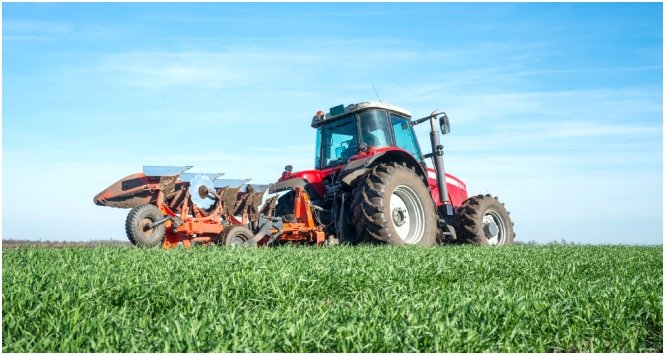
Climate scientists and food security experts are warning that a powerful “super El Niño” expected later in 2026 could significantly intensify global food price pressures already heightened by the ongoing Middle East conflict involving Iran.
According to US meteorologists, there is roughly a one-in-three chance of a strong El Niño forming between October and December, while European models suggest an even higher probability of an exceptionally strong event.
A “super El Niño” occurs when sea surface temperatures in the eastern Pacific rise at least 2°C above normal. This phenomenon typically triggers extreme weather patterns, including severe droughts in key agricultural regions, which can sharply reduce crop yields for commodities such as cocoa, rice, sugar, food oils, coffee, bananas, and soy.
The timing is particularly concerning because the Iran conflict has already disrupted global fertilizer supplies and shipping routes through the Strait of Hormuz, driving up costs for fuel and agricultural inputs. Analysts say the combination of war-induced supply shocks and El Niño-driven weather extremes could create a “double squeeze” on food production and prices. The United Nations World Food Program has cautioned that prolonged conflict and elevated oil prices could push the number of acutely food-insecure people globally significantly higher.
Dawid Heyl of Ninety One noted that while the Russia-Ukraine war affected food markets, the current situation is more worrying due to its direct impact on fertilizer production and availability.
He warned that overlapping negative factors — geopolitical disruption and strong El Niño conditions — could prove especially damaging for vulnerable countries in Africa, India, Australia, Brazil, and Argentina.
Experts state that long-term resilience will require greater investment in climate adaptation, diversified supply chains, and international cooperation to protect global food security as geopolitical and climate risks increasingly intersect.


EU Approves $23 Million Grant to Upgrade Ghana’s Tema-Mpakadan Railway

Ghana Nears Approval of Cannabis Licences as Country Prepares to Launch Regulated Industry

Prof Prempeh Slams Supreme Court, Police Officer Killed in Road Crash and Other Big Stories in Ghana Today
-

 Opinion21 hours ago
Open Letter to the British Ambassador on Reparatory Justice: Ghana’s Call to the British Government
-

 Festivals & Events2 days ago
Celebrating Black Voices in Fiction at the 2026 Black Girl Book Fair
-

 Ghana News9 hours ago
Newspaper Headlines Today: Wednesday, April 10, 2026
-

 Ghana News2 days ago
Ghana Celebrates Link to NASA’s Historic Artemis II Lunar Mission Through Astronaut Christina Koch
-

 Taste GH19 hours ago
Smoke, Sweetness and Street Life: The Timeless Charm of Ghana’s Roasted Corn
-
 Ghana News22 hours ago
7 Dead, 2 Missing After Boat Capsizes on Volta Lake in Ghana
-

 Taste GH2 days ago
Ivory Coast Roots, Ghanaian Soul: The Irresistible Rise of Akyeke and Tilapia
-
 Business22 hours ago
3 Things Ghana is Doing to Reduce Fuel Prices Amid Global Uncertainty