
Homes & Real Estate
From Empty Rooms to Livable Homes: How to Furnish Without Wasting Money

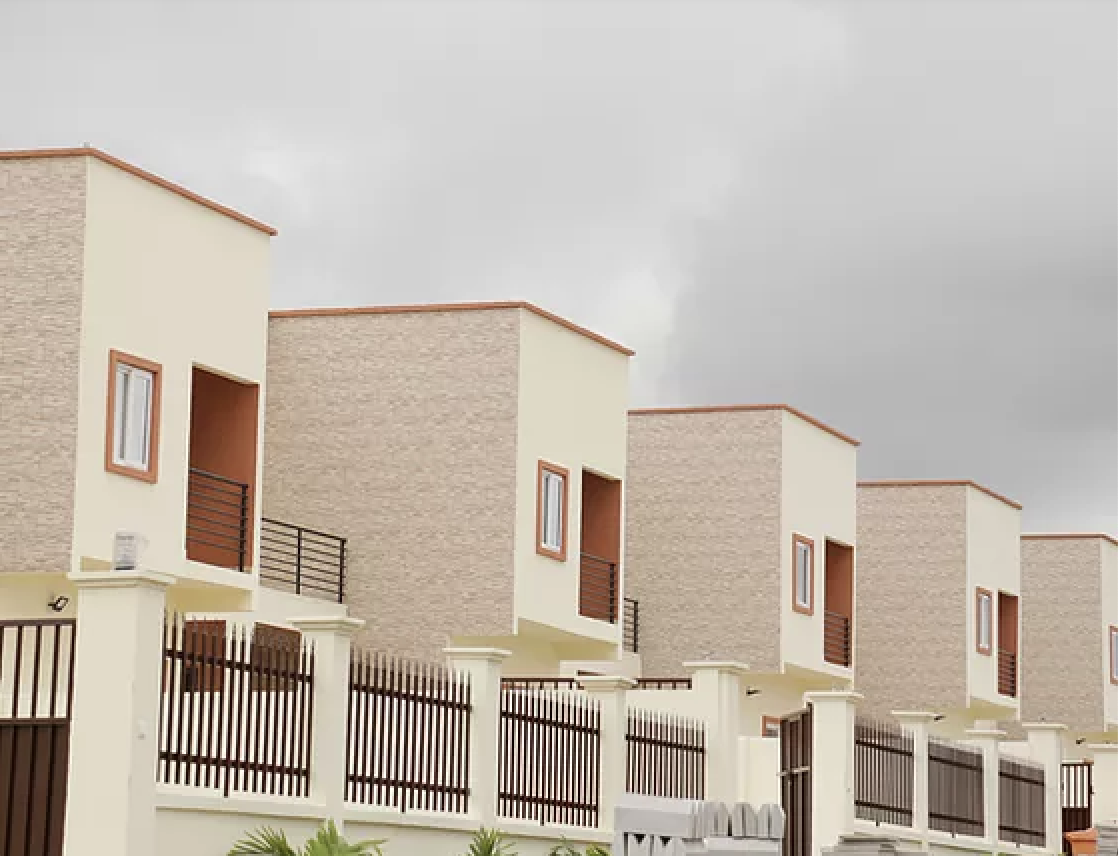
A beautiful sofa can transform a living room—but only if it fits through the door, leaves enough room to move and makes sense for the people who live there.
In Ghana’s growing urban housing market, furnishing a home is increasingly becoming a practical part of the property decision, not simply a matter of decoration.
Start With the Home, Not the Showroom
Before heading to a furniture store, homeowners and tenants should understand the rooms they are furnishing and the atmosphere they want to create. Measuring spaces, considering who will use each piece and planning how furniture will be arranged can prevent costly mistakes.
This matters particularly in apartments, where space can be limited. A large sectional may look impressive in a showroom but overwhelm a compact living room.
Quality Can Save Money
Furniture is a long-term household purchase, making construction and materials worth examining closely. Two pieces may look almost identical while differing significantly in durability.
Buyers should also approach financing offers carefully. A deal advertised as “0% interest” does not automatically mean the furniture represents the best value; comparing the total purchase price with other sellers can reveal the real cost.
Give Old Furniture Another Life
Replacing everything is not always necessary. Reupholstering a sofa, refinishing wooden chairs or refreshing an ageing piece can extend its usefulness while preserving furniture connected to family memories.
For buyers seeking a more convenient option, Devtraco Plus’s Niiyo apartments offer complimentary furnishing designed for the individual rooms, removing much of the work involved in furnishing a new home.
In a market where every square metre matters, thoughtful furnishing can make a property feel larger, more functional and genuinely lived in.





Homes & Real Estate
Building in Stages? Why Your Concrete Slab Needs Protection Before the Next Floor
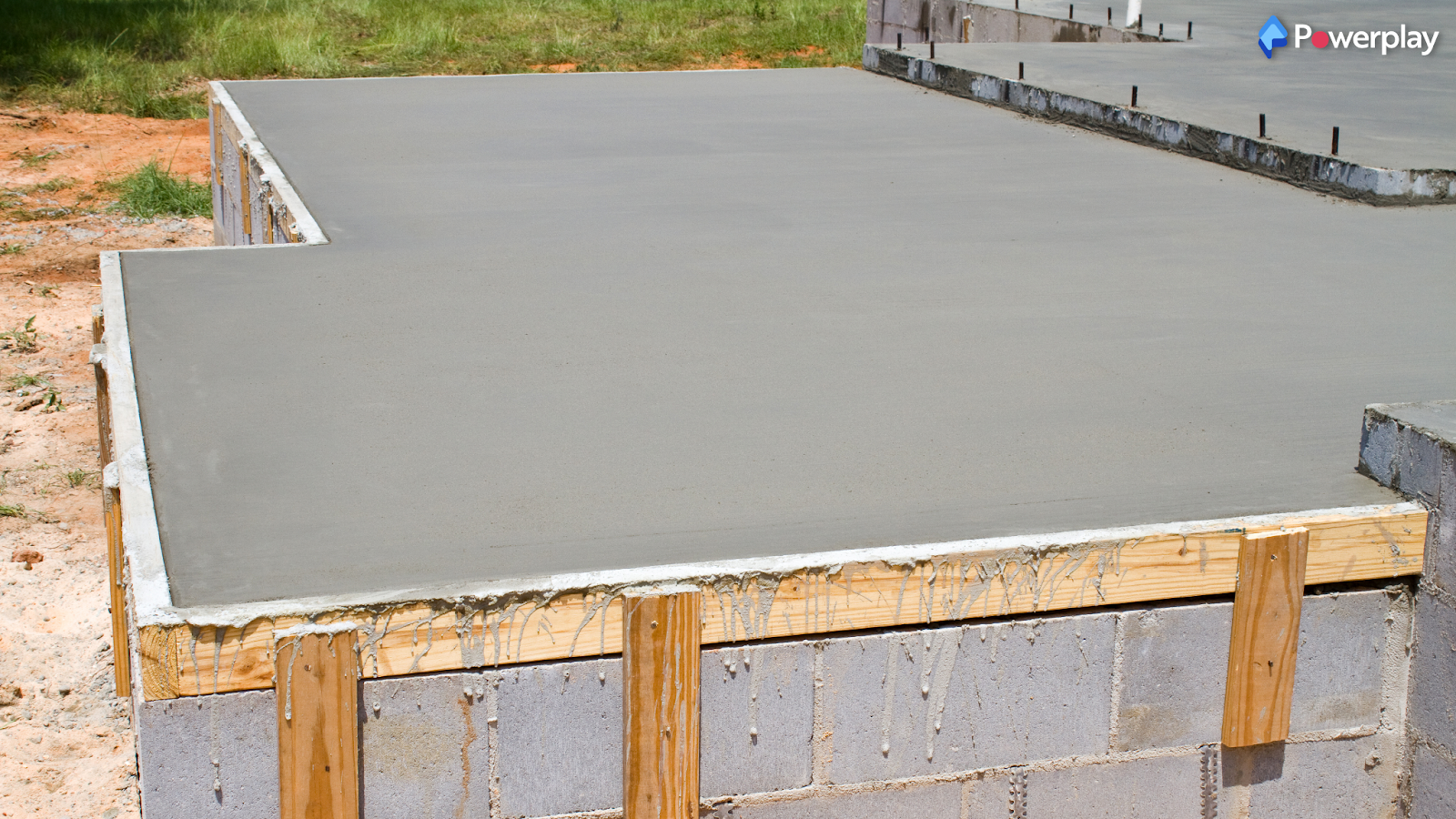
A concrete slab may look tough enough to withstand anything Ghana’s rainy season can throw at it. But leave the top of an unfinished building exposed for long enough, and rainwater can quietly turn a construction delay into an expensive repair bill.
For homeowners building gradually, protecting the top of the completed floor is therefore more than a finishing detail. It can be an important part of protecting the value of the property.
When Construction Stops, Water Keeps Coming
Across Ghana, it is common for homeowners to construct houses in phases as funds become available. A ground floor may be completed, while the second floor waits months—or even years—for construction to resume.
During that period, the exposed concrete slab is vulnerable to repeated rainfall. Concrete can absorb moisture, allowing water to find its way into the building below.
Over time, this can contribute to dampness and damage to interior finishes, including POP ceilings and plasterboard.
For a homeowner who has already invested heavily in a property, repairing those interiors later can mean spending money twice.
A Protective Layer Can Make a Difference
The transcript recommends using a rubber-based waterproofing product or rubber paint over the exposed coping or slab.
The material forms a thin protective film designed to prevent rainwater from soaking directly into the concrete.
The principle is straightforward: if the next stage of construction is not happening yet, protect the stage you have already paid for.
Protecting the Investment
For Ghanaian property owners, especially those developing homes incrementally, waterproofing should be considered alongside other measures such as proper drainage and sound roofing.
A building is a long-term investment. Protecting an unfinished floor from Ghana’s heavy rains may be a relatively small construction expense compared with repairing water-damaged ceilings, walls and finishes later.
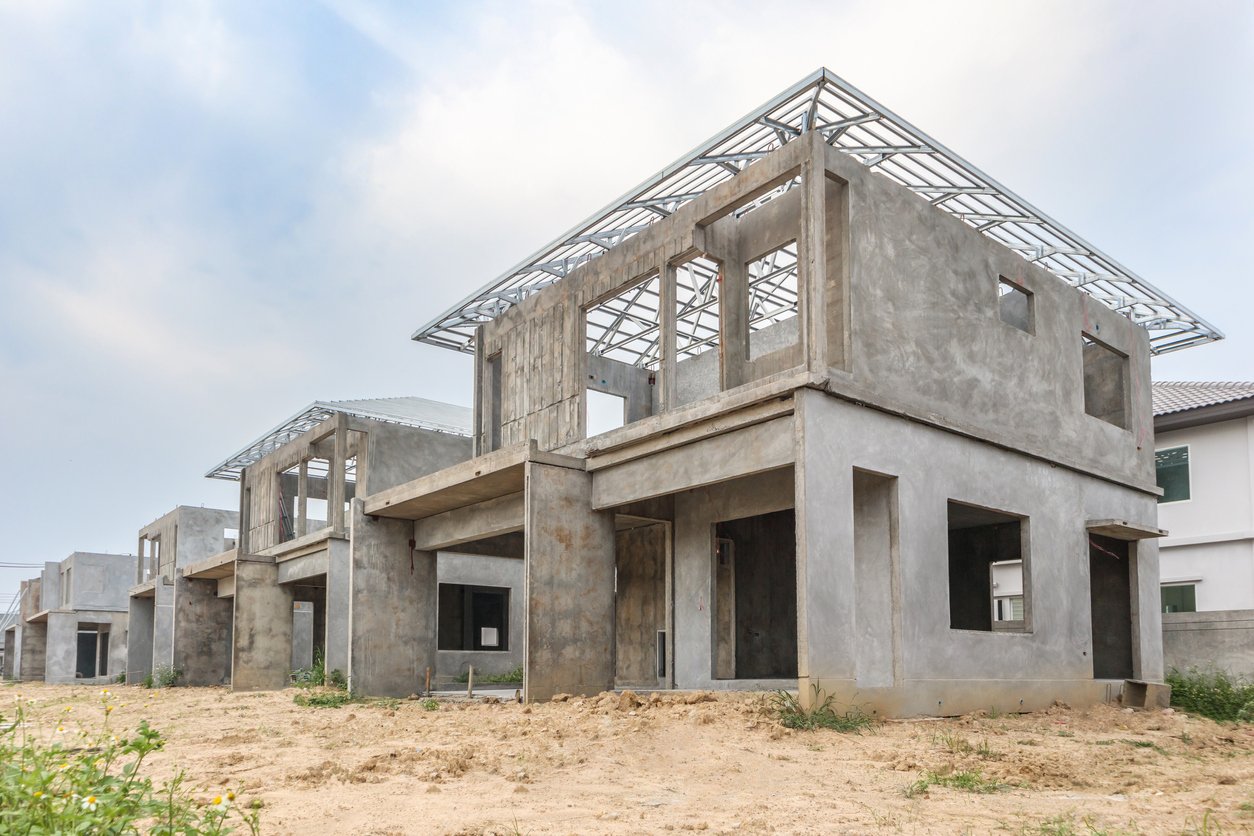
A house can have beautiful tiles, expensive fittings and freshly painted walls, but none of that matters much if water is quietly attacking it from below.
For homeowners building in Ghana, foundation protection is one of the details that deserves attention long before the first room takes shape.
When Blocks Meet Water
A simple demonstration involving a concrete block highlights the concern. When exposed to water, the block gradually absorbs moisture through its tiny pores.
Concrete and other masonry materials are not completely impermeable, meaning water can move through them under the right conditions.
That becomes important when similar materials are used around a building’s foundation without adequate protection.
Ghana’s tropical climate, seasonal heavy rainfall and varying soil conditions can make moisture management an important part of construction.
A foundation that is repeatedly exposed to water may contribute to dampness and other moisture-related problems inside a building if the structure has not been properly designed and protected.
The Cost of Ignoring the Foundation
For someone investing years of savings into a home, waterproofing can seem like an additional construction expense.
Yet repairing moisture damage after a house is completed can be far more disruptive than addressing the risk during construction.
Proper drainage, suitable foundation design, damp-proofing and waterproofing measures should be considered according to the site’s soil, groundwater and rainfall conditions.
These decisions are best made with qualified building professionals rather than relying on assumptions about how long a block will last.
A home’s longevity is not determined by what visitors see first. The real test begins underground, where protection from water can help determine how well the building survives the years ahead.
Homes & Real Estate
How Mechanical, Electrical, and Plumbing Audits Protect Your Real Estate Investment
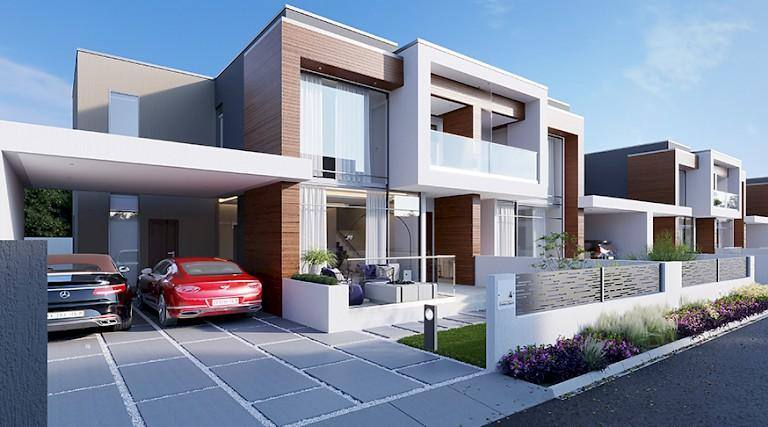
In Ghana’s rapidly expanding real estate landscape, buyers and property developers routinely focus on visible luxuries—imported floor tiles, high-end kitchen islands, and sleek modern facades.
However, a building’s true longevity depends on what remains hidden behind the plasterwork. Substandard mechanical, electrical, and plumbing (MEP) execution represents one of the most widespread yet preventable threats to property preservation and long-term asset value.
The Physics of Proper Drainage
Faulty drainage runs can transform a dream home into a maintenance nightmare. Proper plumbing relies on basic physics that cannot be compromised:
- Drainage Slopes: Every horizontal line requires a continuous downward pitch. Without verified slope angles, wastewater stalls, creating persistent foul odors and systemic blockages.
- Sweeping Bends: Drainage systems should utilize 45-degree bends rather than sharp 90-degree elbows, which trap solid waste and eventually obstruct main stacks.
- Fixtures and Traps: Every sink, toilet, and floor drain requires a dedicated trap holding a water seal to prevent sewer gases from entering living spaces.
- Roof Venting: Without vertical vent pipes extending through the roofline, negative pressure siphons water directly out of traps, causing the telltale gurgling sounds that precede sewer gas leaks.
Oversight Protects Capital
Fixing hidden plumbing errors after construction requires breaking imported tiles and core-drilling through reinforced concrete—unnecessary expenses that erode rental yields and home equity.
While buyers can execute basic checks like running taps and flushing toilets, certified MEP engineers must pressure-test buried joints and verify slope angles before walls are sealed.
In West Africa’s booming housing market, rigorous technical oversight remains the ultimate safeguard for real estate capital.


Ghana Property & Lifestyle Expo Returns to Accra for a Decade of Opportunities

Ghanaian Tomato Stew: The Rich, Fragrant Sauce Everyone Should Try

Building in Stages? Why Your Concrete Slab Needs Protection Before the Next Floor
-

 Arts and GH Heritage2 days ago
Congo: Capturing Life Beyond War
-

 Health & Wellness1 day ago
Your Body Is Still Working While You Sleep — And Your Sleep May Matter More Than You Think
-

 Sights and Sounds14 hours ago
Looking for a Different Day Out in Accra? Bambo’s Has You Covered
-
 Homes & Real Estate14 hours ago
Building in Stages? Why Your Concrete Slab Needs Protection Before the Next Floor
-
 Taste GH9 hours ago
Ghanaian Tomato Stew: The Rich, Fragrant Sauce Everyone Should Try
-
 Festivals & Events8 hours ago
Ghana Property & Lifestyle Expo Returns to Accra for a Decade of Opportunities