
Homes & Real Estate
Building on a Budget: How Modern Construction Methods Could Cut Housing Costs in Ghana

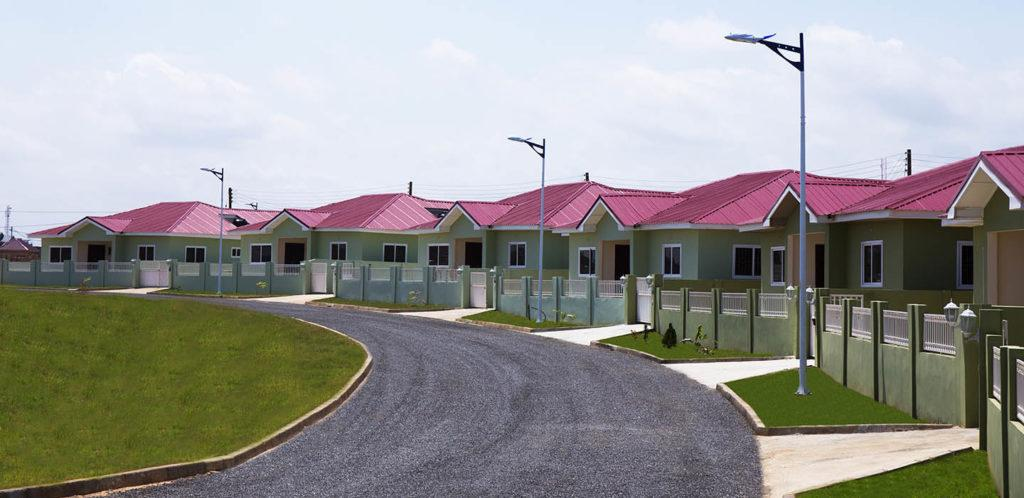
For many Ghanaians, owning a home begins with a dream and quickly becomes a calculation of cement bags, iron rods, roofing sheets and labour costs.
As construction expenses put pressure on household budgets, alternative building methods are attracting attention as potential pathways to more affordable homeownership.
Rethinking the Traditional Building Process
Conventional sandcrete blocks remain widely used in Ghana, but they are not the only option. Interlocking blocks, designed to fit together with reduced mortar, can lower cement consumption during wall construction and potentially shorten building time.
A Ghanaian study comparing interlocking bricks with sandcrete blocks for a two-bedroom house reported a 24.38% reduction in the construction costs examined.
Although the research used historical prices, it illustrates how changing construction techniques could improve affordability. Actual savings depend on current material prices, design and labour costs.
Compressed stabilised earth blocks offer another possibility. Made from suitable soil mixed with water and a stabilising agent, these blocks can reduce reliance on conventional sandcrete, provided the soil and production methods meet appropriate building standards.
Faster Construction, Different Materials
Prefabricated construction involves producing building components off-site before transporting them for assembly.
The approach can reduce on-site work and accelerate project completion, although transport and installation expenses must be factored into the budget.
Expanded polystyrene (EPS) wall panels provide lightweight construction components that may speed up installation.
Rammed earth, meanwhile, uses compacted soil to create walls, offering another option where suitable materials and skilled builders are available.
Each method requires careful assessment of structural performance, weather resistance, maintenance and compliance with local building regulations.
Making Homeownership More Accessible
For first-time buyers and property developers, alternative construction is not simply about cheaper materials; it is about controlling the total cost of delivering a safe, durable home.
As Ghana’s towns and cities expand, combining appropriate building technology with sound design and professional supervision could help more households approach homeownership with realistic budgets.
The cheapest method is not always the best investment, but informed choices can make a meaningful difference.







Homes & Real Estate
Building a Two-Bedroom Storey House in Ghana: What GH¢500,000 to GH¢850,000 Can Cover in 2026
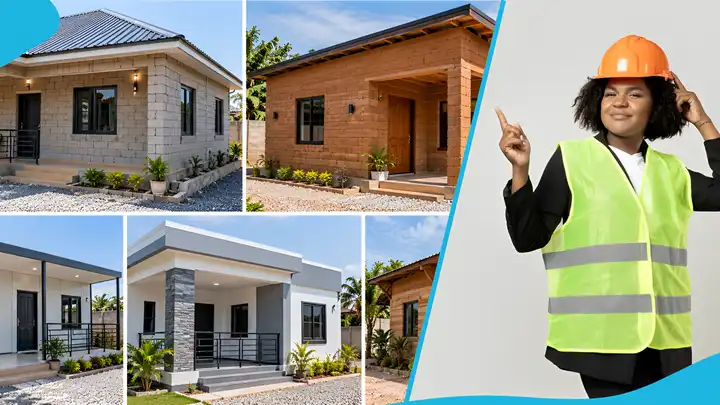
For Ghanaians hoping to own a home, building upwards rather than outwards can make better use of limited land. However, the dream of a modern two-bedroom storey house comes with a substantial financial commitment, with estimated completion costs ranging from GH¢500,000 to GH¢850,000 in 2026.
The price difference reflects more than the choice of tiles or kitchen cabinets. Design, structural requirements and finishing standards all influence how much homeowners ultimately spend.
Why Storey Houses Cost More
A storey house, which has at least two levels, can offer a practical solution for households building on smaller plots, particularly in urban areas where land is expensive or limited.
Unlike a single-storey bungalow, however, a two-bedroom storey house typically requires a staircase, reinforced columns, beams, an upper-floor structure and foundations designed to support the building’s loads.
These additional requirements increase material and labour costs. The final bill also depends on the building’s size, the quality of fittings and the complexity of its design.
For buyers and prospective homeowners, the estimated GH¢500,000–GH¢850,000 range provides a starting point for financial planning rather than a guaranteed quotation.
The Hidden Costs Homeowners Must Consider
Completing the main building does not necessarily mean the property is ready for occupation. Land acquisition, boundary walls, gates, paving, boreholes and solar installations may all require separate budgets.
A homeowner who commits their entire savings to the building itself could therefore face delays before moving in.
Planning Beyond the Building
Before construction begins, prospective owners should obtain a detailed bill of quantities, consult qualified building professionals and maintain a contingency fund for unexpected expenses.
In Ghana’s housing market, a storey house can offer efficient land use and long-term value. The key is to budget for the entire property, not just the structure, so that the dream of homeownership does not become an unfinished project.
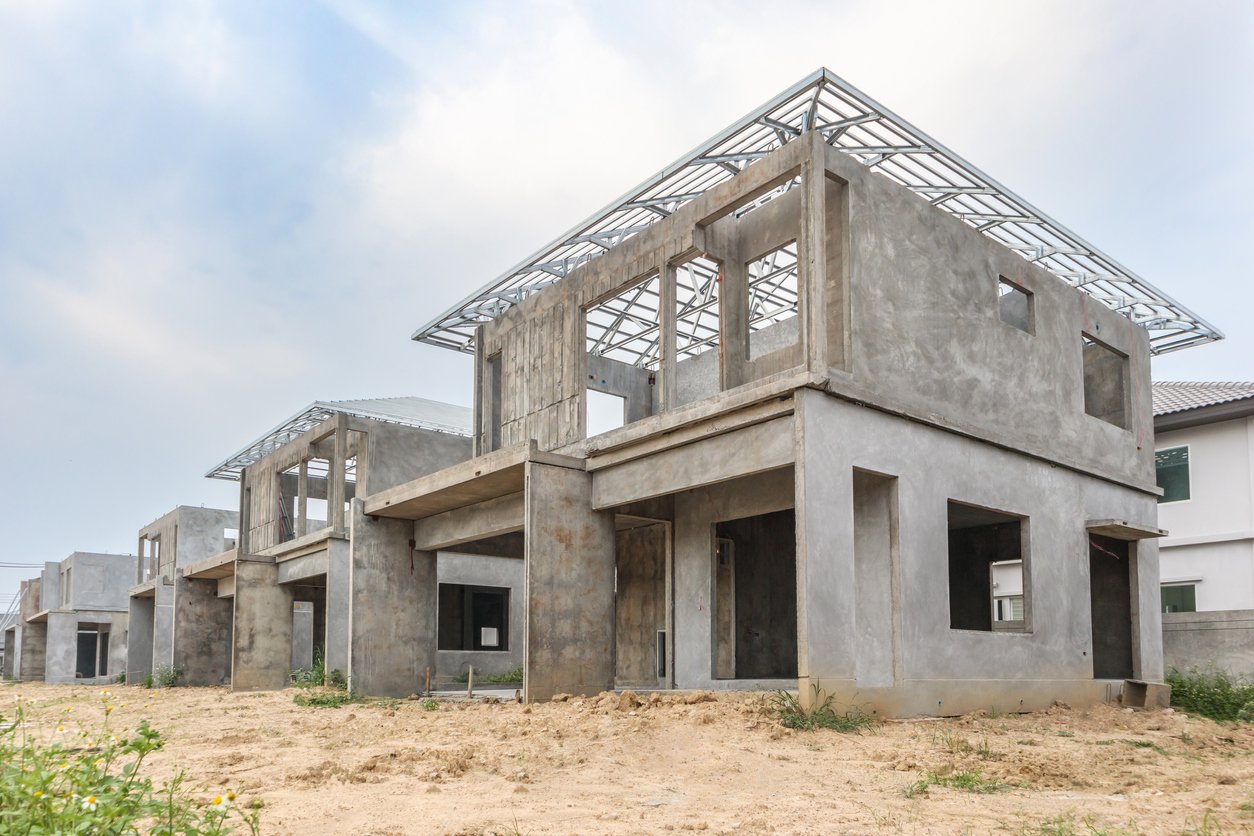
For many Ghanaians, building a home is a lifelong ambition, often pursued through years of saving, purchasing land and constructing in stages. But rising construction expenses can turn that dream into a financial strain. As prospective homeowners seek more affordable ways to build, alternative construction methods are gaining attention, offering potential savings beyond conventional cement blocks and concrete.
Looking Beyond the Price of Materials
The temptation to choose the cheapest building materials is understandable, particularly for households balancing construction costs against everyday expenses.
However, a low purchase price does not always translate into an affordable home.
Materials sourced from distant regions may attract significant transportation costs, while unfamiliar construction systems could require specialised equipment or skilled artisans who are difficult to find locally.
For homeowners in Accra and other rapidly expanding urban areas, where land acquisition already places considerable pressure on budgets, overlooking these additional expenses can derail a project before completion.
The smarter approach is to calculate the total cost of construction, including labour, transport, installation, maintenance and potential repairs.
Alternative Methods Offer New Possibilities
Ghana’s construction sector is also exploring alternatives such as compressed earth blocks, rammed earth and bamboo. These methods can reduce reliance on conventional materials in suitable projects, although their affordability depends on local availability, design requirements and construction expertise.
Research into green building materials in Ghana has highlighted their potential for long-term savings while identifying barriers such as upfront costs, limited supply chains and shortages of trained workers.
For homeowners, these considerations make professional advice essential. Architects and structural engineers can assess whether a proposed method suits the site, local climate and intended building design.
Planning for a Home That Lasts
Affordable homeownership requires more than cutting costs at the construction site. A realistic budget, careful material selection and qualified workmanship can help prevent expensive mistakes.
For Ghanaians navigating an increasingly demanding housing market, the goal should not simply be to build cheaply, but to build efficiently, safely and sustainably.
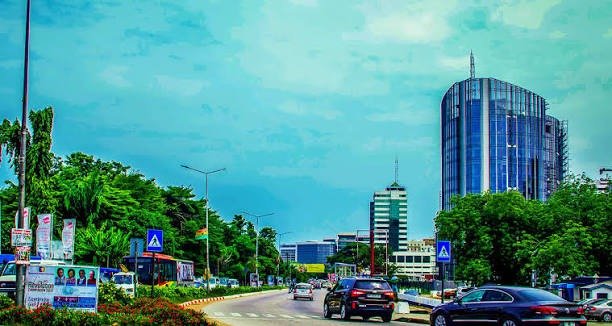
Getting the keys to a new home is a dream for many Ghanaians, but the real financial test begins long after the purchase agreement is signed.
With property ownership requiring a commitment that can stretch across decades, buyers need to look beyond the advertised price and understand the full cost of keeping a home.
1. Can You Afford the Purchase?
Whether paying outright or through a mortgage, buyers must assess their deposit, monthly repayments and borrowing costs.
A 20 per cent deposit is a useful planning benchmark, although actual requirements vary by lender and mortgage product.
Monthly housing payments should also leave room for food, transport, savings and other essential expenses.
2. What Will Ownership Cost Every Month?
The purchase price is only the beginning. Furnishings, repairs, utilities, security, waste collection and estate management fees can add significantly to household expenditure.
In Ghana, a property farther from work may also increase fuel or commuting costs, making location an important part of affordability.
3. Will Other Financial Goals Suffer?
A home purchase should not automatically derail retirement savings, business plans, education expenses or existing debt repayments.
Buyers also need an emergency fund for unexpected repairs and periods when income falls short.
4. How Reliable Is Your Income?
A mortgage that feels manageable during a good financial year can become stressful when earnings decline.
Salaried workers and people earning through contracts or businesses should assess income stability and whether they could maintain payments during a difficult period.
5. Does the Property Make Long-Term Sense?
Location, construction quality, infrastructure and future development can influence a property’s appeal and resale value.
However, appreciation is never guaranteed. Buyers should also investigate ownership documents, planning approvals and the surrounding area’s development prospects before committing.
A Purchase That Protects Your Future
In Ghana’s property market, buying wisely means balancing the desire for homeownership with financial resilience.
The best purchase is not necessarily the biggest or most expensive house, but one that provides security without placing the owner’s wider financial future at risk.


Building on a Budget: How Modern Construction Methods Could Cut Housing Costs in Ghana

Kundum Festival: Ghana’s Western Coast Celebrates Harvest, Heritage and Renewal

Where Accra Finds Its Rhythm: Inside the Live Music World of +233 Jazz Bar & Grill
-
 Arts and GH Heritage1 day ago
Beyond the Gallery: Karp Kamina Turns Cultural Memory into Contemporary Art
-

 Festivals & Events14 hours ago
Asafua Festival: Sekondi’s June Celebration of Spiritual Heritage and Community
-
 Homes & Real Estate14 hours ago
Building a Two-Bedroom Storey House in Ghana: What GH¢500,000 to GH¢850,000 Can Cover in 2026
-

 Fashion & Style2 days ago
Malian Businesswoman’s Reported $1.5 Million Gold Jewellery Stuns Wedding Guests
-
 Global Update1 day ago
Huge Storm Kills Two in the UK as 90,000 Properties Left Without Power
-

 Health & Wellness1 day ago
Four Weight-Loss Mistakes That Could Be Holding Back Your Progress
-

 Ghana News1 day ago
Ghana’s President Congratulates Brazil’s Lula on Historic Fourth Term, Vows to Champion Global South Agenda
-
 Taste GH1 day ago
Is the Ghanaian Diet Healthy? The Goodness Behind Traditional Foods