Homes & Real Estate
The Power of Location: Why Accra’s Prime Neighbourhoods Attract Property Investors

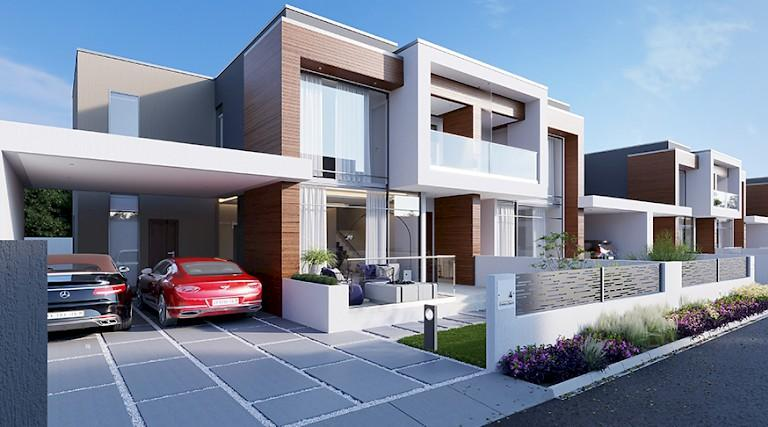
In Accra’s competitive property market, the difference between a promising investment and an underperforming asset can come down to a simple question: where is it located?
Beyond architectural appeal and attractive interiors, accessibility, neighbourhood infrastructure and proximity to essential services increasingly shape the desirability and long-term value of residential properties.
Location as a Measure of Investment Value
Neighbourhoods such as Roman Ridge, Airport Residential Area, Cantonments, Labone and Dzorwulu continue to attract attention from homeowners, tenants and property investors.
Their appeal lies partly in their proximity to commercial centres, international schools, healthcare facilities, shopping destinations and major transport routes.
For international buyers and Ghanaians in the diaspora, accessibility to Kotoka International Airport is another consideration, particularly when purchasing properties for rental income or occasional personal use.
A well-positioned property can attract a broader pool of tenants, support occupancy levels and offer stronger resale prospects. However, investors must also consider purchase prices, maintenance costs and prevailing rental demand when assessing potential returns.
The Address: Building on Roman Ridge’s Appeal
These considerations underpin the positioning of The Address, a residential development in Roman Ridge, one of Accra’s established upscale neighbourhoods.
Comprising three towers, the development offers different residential options designed to accommodate both short-term and long-term rental needs. Its selling points include contemporary architecture, varied unit configurations, high-end amenities and a residential community.
For investors, the combination of location and flexible rental options presents an opportunity to serve different categories of occupants, from corporate professionals to international visitors seeking accommodation in Accra.
As the capital continues to expand, choosing a property requires looking beyond the building itself. The surrounding neighbourhood, its infrastructure, and its ability to attract residents will remain central to investment decisions.


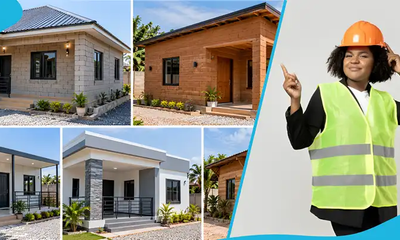







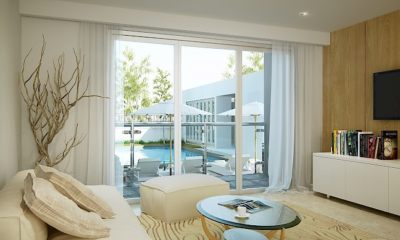


A house can have an impressive design, expensive roofing, and beautiful finishes, but its long-term durability may depend on something easily overlooked: the quality of the blocks used to build its walls.
For anyone constructing a home in Ghana, checking the strength of concrete blocks before accepting a supplier’s delivery could prevent costly problems later.
Not All Blocks Carry the Same Load
Two common types of concrete blocks used in construction are load-bearing and partition blocks. Load-bearing blocks are designed to support structural loads, while partition blocks are primarily used to divide internal spaces without carrying significant structural weight.
The choice depends on the building’s design. A bungalow constructed with load-bearing masonry walls may require stronger blocks, whereas a framed building with reinforced concrete columns and beams can use partition blocks for internal walls.
The strength of concrete blocks is measured in megapascals (MPa), not kilometres per square metre. The required strength should be determined by the structural design and applicable building standards.
Put Your Supplier’s Delivery to the Test
A simple drop test can provide an initial warning. If a block breaks when dropped from approximately chest height onto a firm surface, its quality deserves serious scrutiny. However, surviving the test does not automatically establish that it is strong enough for construction.
For greater certainty, take randomly selected blocks from different positions within the delivery batch to an accredited materials-testing laboratory. There, technicians can conduct compressive strength tests to establish whether the blocks meet the required specification.
Protect Your Investment Before Construction
For Ghanaian homeowners, particularly those managing construction remotely or buying materials from small-scale manufacturers, independent testing offers an important safeguard. Agreeing on minimum strength requirements and replacement arrangements with suppliers also helps prevent disputes.
Ultimately, inspecting blocks before they enter the wall is a small investment that can protect a much bigger one: your home.
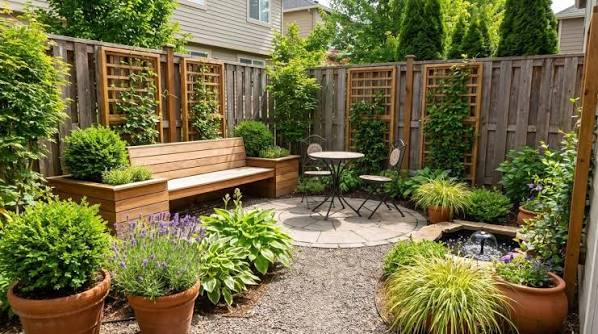
A beautifully landscaped home does more than impress visitors. From a colourful flower border to a shaded garden where families can unwind, well-planned outdoor spaces can improve everyday living, enhance a property’s appearance and contribute to its long-term appeal.
For homeowners in Ghana, where residential developments increasingly compete on comfort, design and functionality, landscaping deserves as much attention as interior finishes.
Start Small, Plan Smart
Creating an attractive outdoor space does not necessarily require expensive contractors or major construction.
Property owners can begin by identifying how they want to use their available space, whether for family gatherings, children’s play, outdoor dining or growing herbs.
Starting with a small section of the garden and gradually expanding it allows homeowners to manage costs while achieving a more considered design.
Existing vegetation, leftover paving blocks and gravel can also be repurposed to create attractive garden features.
Design for Ghana’s Climate
Plant selection should reflect the amount of sunlight different sections of the property receive.
Ground covers can reduce the need for extensive lawn maintenance, while drought-tolerant succulents offer an attractive option for gardens where water conservation matters.
Homeowners can also transform overlooked side yards into herb gardens or introduce compact water features to create a more relaxing entrance.
Outdoor Spaces That Add Appeal
Landscaping can contribute to a property’s first impression, particularly in Ghana’s competitive residential market.
Flowering borders, neatly arranged shrubs, window boxes and thoughtfully positioned seating can make an ordinary frontage more inviting.
Beyond appearance, mvii-qiurenk vegetation can provide shade, support biodiversity, and help moderate temperatures around the home.
Ultimately, treat landscaping as part of the property’s overall design, not an afterthought. Even modest improvements can turn unused outdoor areas into functional spaces that make a house more enjoyable to live in and more attractive to prospective buyers.
Homes & Real Estate
Greener Homes, Better Living: Why Landscaping Matters in Ghana’s Property Market
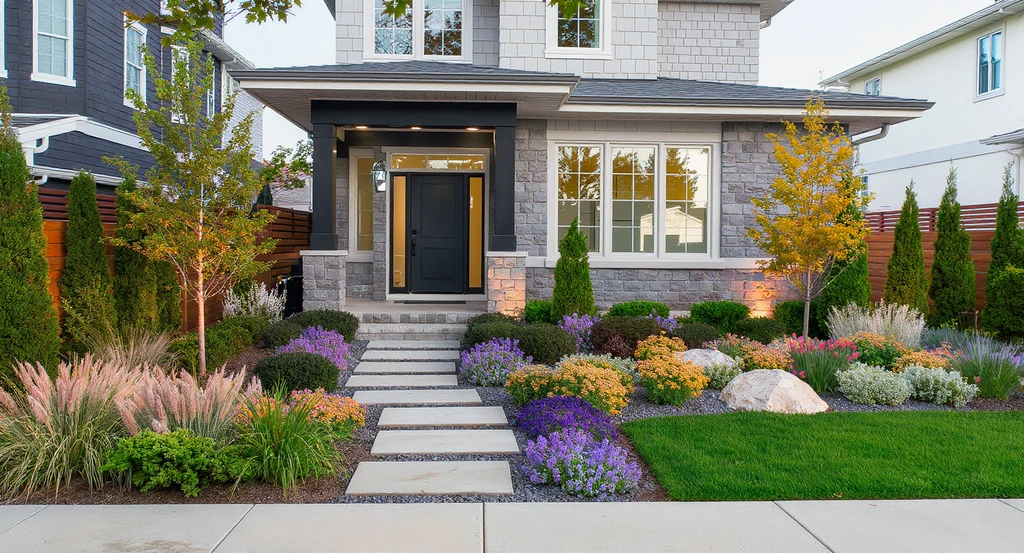
A well-designed home is not defined by its walls, floors and roof alone. The garden, driveway and surrounding greenery also shape how a property looks, feels, and performs.
In Ghana’s growing residential property market, where homeowners increasingly seek comfortable and attractive living environments, sustainable landscaping offers a practical way to improve both property appeal and everyday living.
Small Improvements, Lasting Appeal
Transforming an outdoor space does not always require an expensive renovation. Simple additions such as a greenery garland around a front porch, neatly trimmed lawn edges and flowering rose bushes can give a property a more welcoming appearance.
Stone pathways winding through gardens offer another affordable improvement, creating defined walking areas while adding character to the compound.
These details can strengthen a property’s first impression, an important consideration for homeowners looking to attract prospective buyers or tenants.
Landscaping Beyond Aesthetics
The benefits extend well beyond appearance. Trees and strategically placed plants provide shade, helping to cool buildings naturally and potentially reducing reliance on air conditioning in Ghana’s warm climate.
Growing fruits and vegetables at home can also support household food needs while reducing the environmental costs associated with transporting produce. Meanwhile, indigenous plants provide habitats for birds, insects and other local wildlife.
Thoughtful landscaping can also improve drainage and manage rainwater runoff, an important consideration in urban communities where inadequate drainage contributes to flooding.
Maintaining the Value of Outdoor Spaces
A beautiful compound requires consistent attention. Regular lawn maintenance, garden care and general cleaning prevent outdoor spaces from becoming neglected.
For Ghanaian homeowners, sustainable landscaping is more than decoration. It is an investment in property appeal, environmental responsibility and a healthier residential environment. As housing expectations evolve, greener outdoor spaces could become an increasingly valuable feature of desirable homes.


Content Creation Is Now a College Degree: Universities Turn Influencing Into a Professional Career Path

The Stories Family Photographs Leave Behind: Ezra Appiah Reimagines Memory and Belonging