
Homes & Real Estate
Building in Stages? Why Your Concrete Slab Needs Protection Before the Next Floor

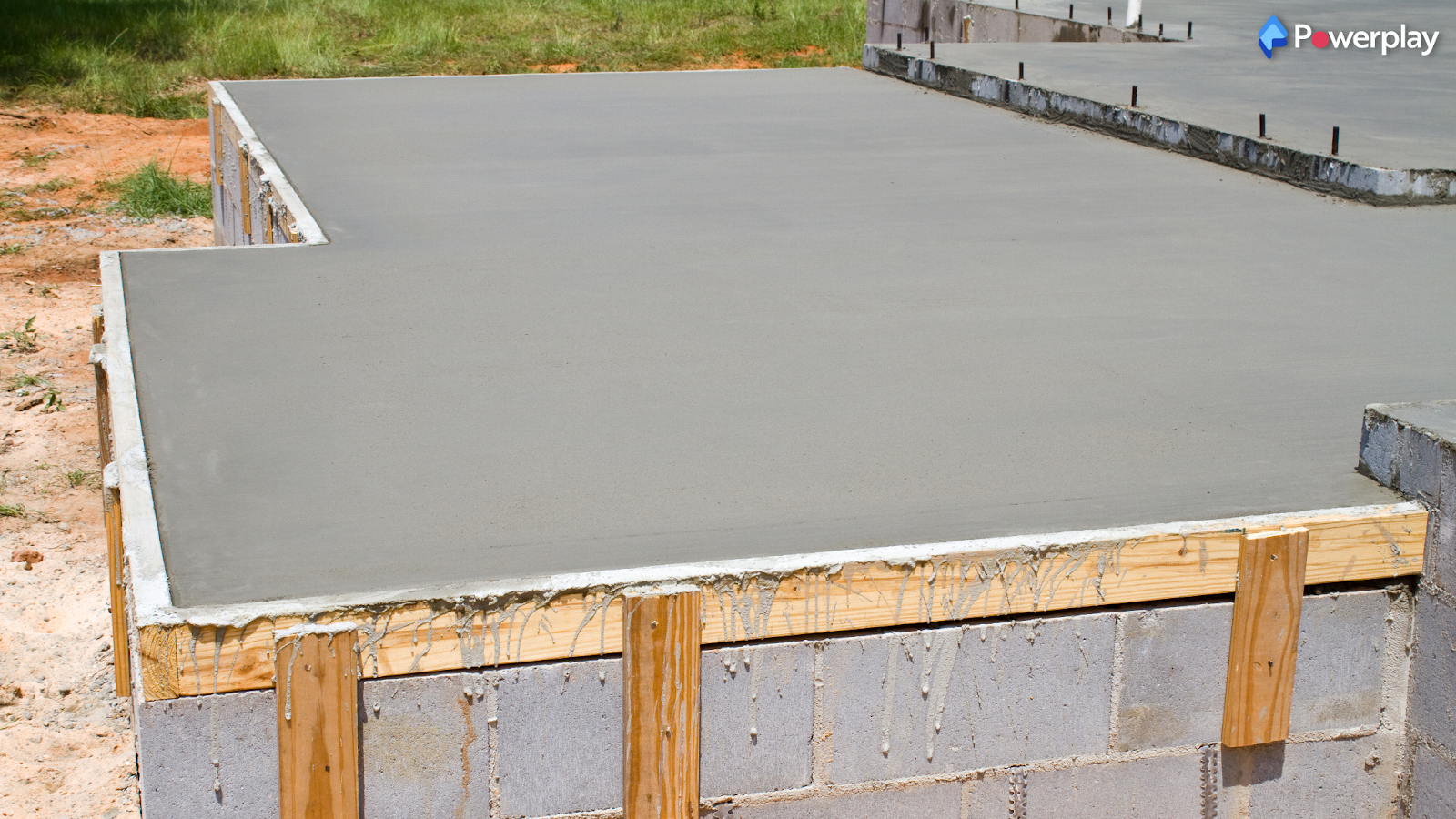
A concrete slab may look tough enough to withstand anything Ghana’s rainy season can throw at it. But leave the top of an unfinished building exposed for long enough, and rainwater can quietly turn a construction delay into an expensive repair bill.
For homeowners building gradually, protecting the top of the completed floor is therefore more than a finishing detail. It can be an important part of protecting the value of the property.
When Construction Stops, Water Keeps Coming
Across Ghana, it is common for homeowners to construct houses in phases as funds become available. A ground floor may be completed, while the second floor waits months—or even years—for construction to resume.
During that period, the exposed concrete slab is vulnerable to repeated rainfall. Concrete can absorb moisture, allowing water to find its way into the building below.
Over time, this can contribute to dampness and damage to interior finishes, including POP ceilings and plasterboard.
For a homeowner who has already invested heavily in a property, repairing those interiors later can mean spending money twice.
A Protective Layer Can Make a Difference
The transcript recommends using a rubber-based waterproofing product or rubber paint over the exposed coping or slab.
The material forms a thin protective film designed to prevent rainwater from soaking directly into the concrete.
The principle is straightforward: if the next stage of construction is not happening yet, protect the stage you have already paid for.
Protecting the Investment
For Ghanaian property owners, especially those developing homes incrementally, waterproofing should be considered alongside other measures such as proper drainage and sound roofing.
A building is a long-term investment. Protecting an unfinished floor from Ghana’s heavy rains may be a relatively small construction expense compared with repairing water-damaged ceilings, walls and finishes later.

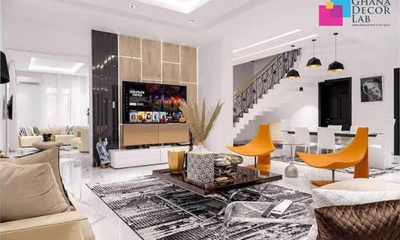






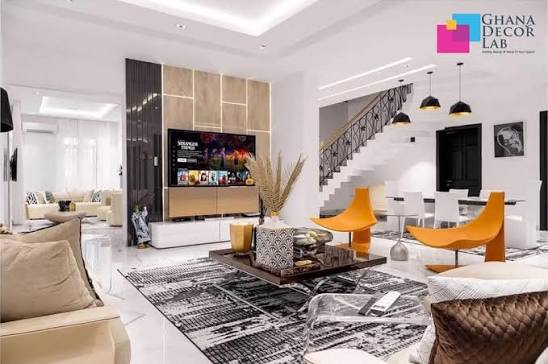
A beautiful home is not necessarily a practical one. From elaborate ceiling finishes that trap kitchen grease to moisture-sensitive materials in bathrooms and balconies, seemingly small interior design decisions can create expensive maintenance problems for homeowners.
In Ghana’s growing residential property market, choosing the right materials for each space is becoming an important part of protecting long-term property value.
Function Before Appearance
Every room has different demands, and interior design should reflect how each space is used. Bathrooms require properly tiled walls and floors that can withstand regular exposure to water, while balconies and other moisture-prone areas benefit from cement board ceilings rather than conventional Plaster of Paris (POP), which can deteriorate when exposed to moisture.
Inside the home, however, POP offers greater flexibility for decorative ceiling designs. Although cement board is generally harder to work with and can cost more to install, the choice ultimately depends on the room’s requirements.
Kitchens provide another example of why practicality matters. A simple, flat ceiling is often easier to clean and maintain than one filled with decorative grooves and recessed details, particularly when cooking grease accumulates or an extractor fan stops working.
Design Choices That Protect Property Value
Living rooms and bedrooms, meanwhile, can benefit from multiple lighting sources, combining ceiling lights with other strategically positioned fixtures to create flexibility and comfort.
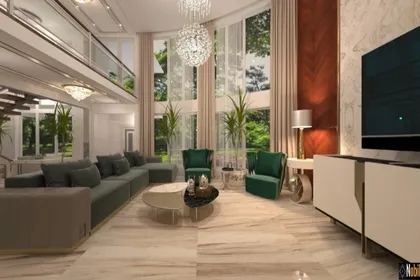
For homeowners building or renovating in Ghana, where construction and maintenance costs can place considerable pressure on household budgets, making appropriate material choices from the beginning can help prevent unnecessary repair expenses.
Get the Right Professionals Involved
The distinction between interior designers and interior decorators is also important. While decorators primarily focus on aesthetics and furnishings, interior designers consider functionality, spatial planning and material suitability.
Ultimately, successful home design requires understanding how each space will be used, hiring qualified professionals and making informed compromises. A home should look good, but it should also work well for the people living in it.
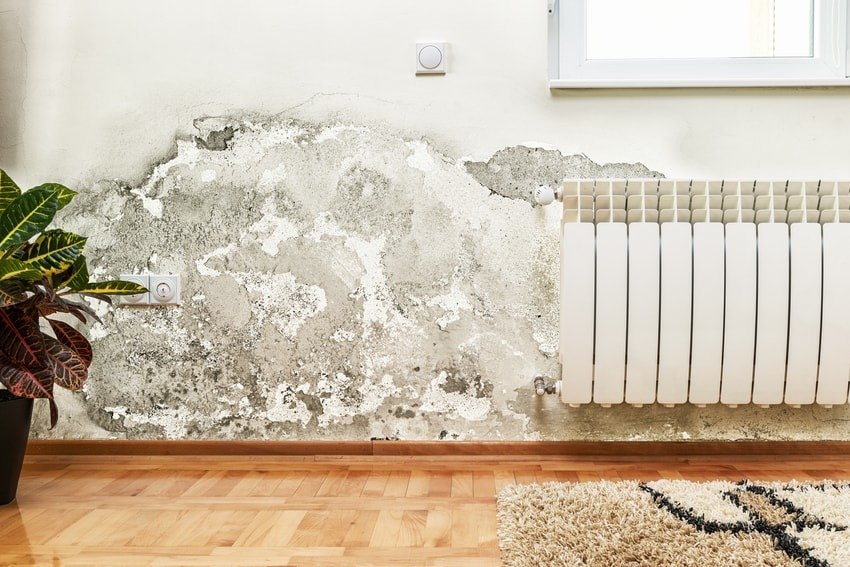
You open your wardrobe to pick out a freshly washed shirt, only to be greeted by a musty smell. Your clothes seem to have absorbed the scent of the house, and repeated washing does little to solve the problem.
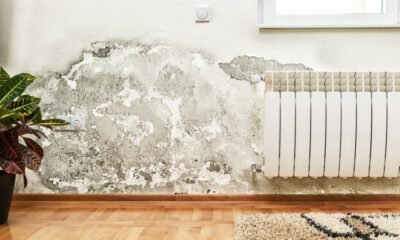
The culprit may not be poor housekeeping but moisture creeping through your home. For homeowners in Ghana, overlooking damp-proofing during construction can turn an otherwise beautiful property into an expensive maintenance headache.
Stop Moisture Before It Reaches Your Walls
Rising damp occurs when moisture travels upwards from the ground through floors and walls, potentially damaging plaster, paintwork, furniture and built-in wardrobes. If moisture reaches the back panels of wardrobes, it can encourage mould growth and produce the familiar musty smell that clings to clothing.
The solution begins during construction. A properly installed damp-proof membrane (DPM) acts as a barrier against moisture rising through the building’s foundations and floors. Walls also require appropriate moisture protection to prevent water penetration.
Choose Materials That Can Withstand Moisture
Wardrobe construction deserves particular attention. Standard medium-density fibreboard (MDF), especially when unprotected, can absorb moisture and deteriorate.
Higher-density boards, such as high-density fibreboard (HDF), with suitable protective finishes or veneers, may offer better resistance, although they are not waterproof.
Older approaches, including Formica-covered surfaces, also provide a protective layer, but they cannot replace proper damp-proofing at the source.
Get the Construction Details Right
Humidity is another consideration. Poor ventilation and inadequate moisture extraction can encourage condensation and mould, even where rising damp is not present.
For Ghanaian homeowners investing substantial sums in construction, cutting corners on damp-proofing can undermine the value of the entire property. Hiring qualified professionals, selecting appropriate materials and supervising installation are essential.
A comfortable home should smell fresh, not musty. Protecting it starts beneath the surface.
Homes & Real Estate
The Power of Location: Why Accra’s Prime Neighbourhoods Attract Property Investors
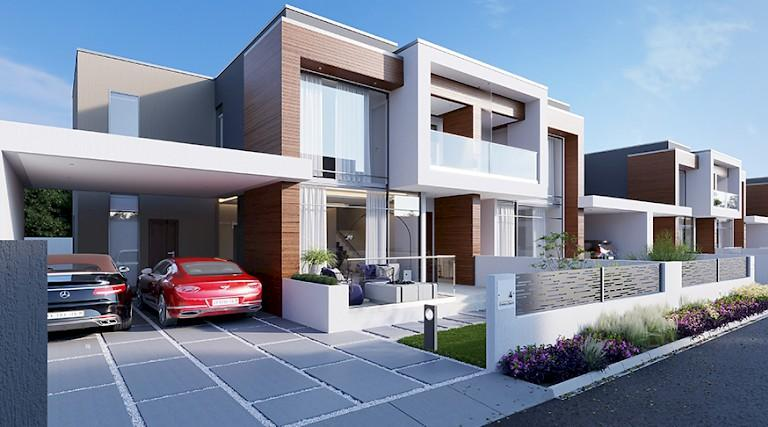
In Accra’s competitive property market, the difference between a promising investment and an underperforming asset can come down to a simple question: where is it located?
Beyond architectural appeal and attractive interiors, accessibility, neighbourhood infrastructure and proximity to essential services increasingly shape the desirability and long-term value of residential properties.
Location as a Measure of Investment Value
Neighbourhoods such as Roman Ridge, Airport Residential Area, Cantonments, Labone and Dzorwulu continue to attract attention from homeowners, tenants and property investors.
Their appeal lies partly in their proximity to commercial centres, international schools, healthcare facilities, shopping destinations and major transport routes.
For international buyers and Ghanaians in the diaspora, accessibility to Kotoka International Airport is another consideration, particularly when purchasing properties for rental income or occasional personal use.
A well-positioned property can attract a broader pool of tenants, support occupancy levels and offer stronger resale prospects. However, investors must also consider purchase prices, maintenance costs and prevailing rental demand when assessing potential returns.
The Address: Building on Roman Ridge’s Appeal
These considerations underpin the positioning of The Address, a residential development in Roman Ridge, one of Accra’s established upscale neighbourhoods.
Comprising three towers, the development offers different residential options designed to accommodate both short-term and long-term rental needs. Its selling points include contemporary architecture, varied unit configurations, high-end amenities and a residential community.
For investors, the combination of location and flexible rental options presents an opportunity to serve different categories of occupants, from corporate professionals to international visitors seeking accommodation in Accra.
As the capital continues to expand, choosing a property requires looking beyond the building itself. The surrounding neighbourhood, its infrastructure, and its ability to attract residents will remain central to investment decisions.


Ghana Earned $68 Million Carbon Credits by Saving Forests But Galamsey Threatens the Next Payday

NVIDIA Reinstates Huang But Foreign Intelligence Probe Continues

NVIDIA Says Trump Administration Weighed In on Huang’s Reinstatement
-

 Commentary23 hours ago
A Life Cut Short: A Cry for Justice for Phillipa Acquah and An Urgent End to Road Recklessness
-

 Ghana News22 hours ago
Grieving Mother, Friends Demand Justice After Talented Young Woman Phillipa Acquah Killed by Reckless Motorcyclist
-

 Uncategorized2 days ago
Fat Joe Makes Emotional Appeal to Bronx Youth After Ghanaian Teen Javits Frimpong’s Killing
-

 Ghana News2 days ago
German President Steinmeier Arrives in Ghana to Boost Trade and Skills Partnerships
-

 Global Update24 hours ago
Americans Raise More Than $944,000 to Help Nolan Wells’ Mother Find Answers Despite Grand Jury Decision
-
 Global Update10 hours ago
NVIDIA Says Trump Administration Weighed In on Huang’s Reinstatement
-

 Ghana News22 hours ago
Explainer: Why COP31 Ended Without a Deal, and What it Actually Means
-

 From the Diaspora2 days ago
Ghanaian-Born Entrepreneur Mawena Tafa Turns Viral Brooklyn Encounter with Strange Man Into Business Opportunity