
Festivals & Events
Ancestors and Artistry: Your Guide to the Most Vibrant Sunday in the Ashanti Kingdom

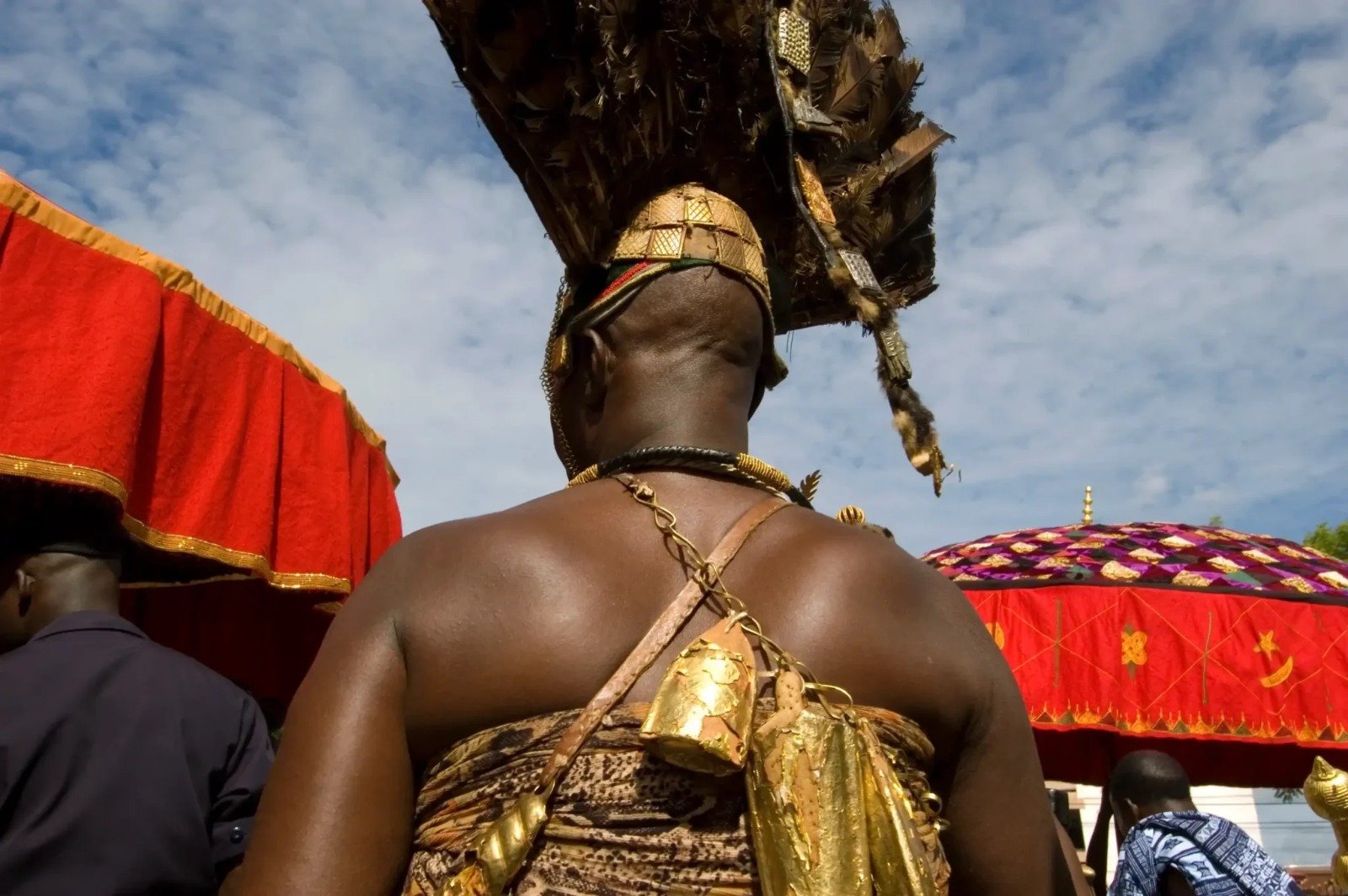
In the heart of Kumasi, where the air often carries the scent of tropical rain and roasting plantain, lies a palace that holds the soul of the Asante people.
The Manhyia Palace isn’t just a residence; it is a living monument.
Every six weeks, this courtyard transforms into a sea of woven Kente and rhythmic drumming for the Akwasidae Festival. On Sunday, March 15, 2026, the drums will beat once more, inviting the world to witness a spectacle of royalty, reverence, and profound heritage.
A Sacred Rhythm
Akwasidae is not a mere “performance” for onlookers; it is a sacred obligation. Following the Akan calendar, which operates on a 42-day cycle, the festival serves as a bridge between the living and the ancestors.
It is a moment for the Asantehene, the King of the Ashanti, to commune with those who came before him, offering etor (mashed yam) and libations to ensure the continued prosperity of the kingdom.
For a nation that balances rapid modernization with deep-rooted tradition, Akwasidae is the anchor.
Seeing the Asantehene sit in state, surrounded by his sub-chiefs and the legendary Golden Stool (represented by its spiritual presence), is a reminder that some things are timeless.
Why You Should Make the Journey
If you are a traveler landing in Ghana for the first time, your journey is incomplete without Kumasi. While Accra offers the bustle of a metropolis, Kumasi offers the weight of history. Attending Akwasidae is the most immersive way to understand the Ghanaian psyche. You aren’t just reading about a kingdom in a textbook; you are standing in the middle of one. You will hear the Fontomfrom drums talk, watch the intricate hand signals of the linguists, and see the heavy gold jewelry that tells stories of ancient wealth and power.
For the native Ghanaian, Akwasidae is a homecoming. In an era of digital noise, there is something incredibly grounding about returning to the “Garden City.” The first ceremony of 2026 has already set a high bar, featuring a vibrant parade by the Royal Police Ladies and visits from top-tier dignitaries. The March 15th celebration promises to be even more expansive, blending the solemnity of ancestral rites with the vibrant energy of a community in celebration.
The Experience
Expect to arrive early. By 8:00 am, the palace grounds will already be humming. The dress code is naturally respectful; you will see the most exquisite Kente cloth on earth draped over shoulders like works of art. As the Asantehene makes his grand entry, carried in a palanquin under a massive, colorful umbrella, the energy is electric. It is a masterclass in diplomacy, culture, and pure, unadulterated African pride.
- Date: March 15, 2026
- Time: 8:00 am – 5:00 pm
- Venue: Manhyia Palace, Kumasi
- Organizer: Manhyia Palace
Whether you come for the photography, the history, or the spiritual connection, you will leave Manhyia feeling like you’ve touched the very fabric of Ghana.






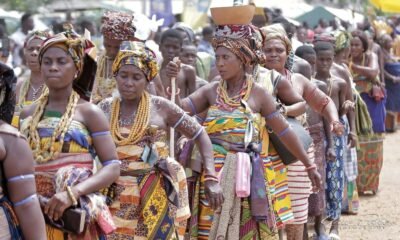

As the harsh harmattan winds of the north begin to soften and the cracked earth of the Upper East Region thirsts for relief, a transformation takes place in the hills of Tengzug.
While much of the world is caught in the frantic pace of the modern spring, the Talensi people are stepping back into a rhythm as old as the rocks themselves.
Throughout March 2026, the Gologo Festival (often called the Golib) serves as a profound spiritual negotiation between humanity and the divine for the survival of the coming year.
The Divine Regulator of the Harvest
To understand Gologo, you must understand the relationship the Talensi have with their land. This isn’t just a party; it is a vital agricultural necessity. The festival is centered around the Nnoo Shrine and the Golib god, the deity believed to hold the keys to the heavens.
In a region where the success of the early millet crop determines the well-being of every household, the stakes are high.
From March 1 to March 31, the air in the Tengzug hills is thick with the scent of traditional brews and the smoke of sacred sacrifices.
The chiefs and elders lead the community in seeking protection from the earthly gods, ensuring that when the seeds finally hit the soil, the rains will follow in abundance.
Read Also: The Sacred Weight of the President’s Sword
A Sensory Journey for the Global Soul
If you are a tourist venturing into Ghana this March, the Gologo Festival offers an experience that defies the typical “safari and beach” itinerary.
Tengzug is famous for its unique architecture and its incredible rock formations, which are integrated into the very homes of the people.
During the festival, these rocks become the stage for mesmerizing dances and rhythmic chanting that vibrate through your chest.
Participating in Gologo means stepping into a living museum. You aren’t just a spectator; you are a witness to a community reinforcing its identity.
You’ll see the traditional attire—richly woven smocks and intricate beadwork—and hear the distinct sounds of the Talensi flutes that signal the transition from the dry season to the life-giving rains.
For the native Ghanaian, Gologo is a powerful reminder of our indigenous resilience. In an era of climate uncertainty, there is something deeply grounding about watching a community come together to honor the earth.
It is a time to strip away the complexities of city life in Accra or Kumasi and reconnect with the foundational belief that we are stewards of the land, dependent on the grace of the ancestors and the environment.
Why You Can’t Miss the 5:00 PM Finale on March 31
The month-long celebration builds toward a crescendo that balances solemnity with communal joy.
By the time the festival officially concludes at 5:00 pm on March 31, the spiritual “green light” has been given for the sowing of the early millet.
To be present during these final hours is to feel a collective sigh of relief and hope. It is the moment when the community shifts from petition to preparation, ready to face the planting season with the backing of the Golib god.
Recommendation
If you make the trip to the Upper East Region, stay in Zuarungu or Bolgatanga and hire a local guide who understands the nuances of Talensi customs.
To truly appreciate the heritage, visit the Tongo Whistling Rocks, where the wind through the stones creates a haunting melody that many locals believe is the voice of the spirits themselves.
Pack light, stay hydrated, and bring an open heart; the dust of Tengzug will wash off, but the memories of the Gologo songs will stay with you forever.

If you think a festival is just about the drumming and the dancing, you’ve clearly never been to Techiman during Apoɔ.
Imagine a place where, for a few weeks, the social hierarchy dissolves, and you are legally and spiritually permitted to tell your boss, your neighbor, or even the highest King exactly what you think of them—without fear of retribution.
This isn’t a modern social media “call-out” culture; it is a sacred, ancient Bono tradition of psychological and spiritual purging that has kept this community vibrant for centuries.
From March 7 to April 5, 2026, the Techiman Traditional Council invites the world to witness this extraordinary spectacle under the theme: “Showcasing our heritage and uniting for ancestral blessings.”
The Art of “Rejecting” Evil
The word Apoɔ comes from the Bono root “po,” which literally means to reject. Historically, the festival emerged as a response to the authoritarian rule of past leaders. The people needed a vent for their frustrations, so they consulted the gods, who sanctioned a period where grievances could be aired through proverbs, songs, and lampoons.
Today, this “rejection” isn’t just about politics; it’s a massive spiritual cleanup. Before the main events, you’ll see priests performing Hyiretuo (spiritual cleansing) and women gathering white clay from the Aponkosu River to decorate shrines. It is a time when the “dirty” air of grudges and social evils is cleared to make room for fresh ancestral blessings.
Why You Must Be in Techiman This Year
For the global traveler, Apoɔ is a masterclass in indigenous democracy. Watching the Akokobonee (early morning songs) or the flamboyant processions where participants smear themselves in charcoal and clay is a sensory overload in the best way possible. It is one of the few places on earth where you can see ancient African conflict resolution in its rawest, most artistic form.
For the native Ghanaian, especially those in the diaspora, this is a homecoming with a purpose. After the disruptions of the past few years, the 2026 festival is a pivotal moment for “uniting for ancestral blessings.” It is about settling family feuds, reconnecting with the Bono-Manso roots, and standing in the presence of the Omanhene as he pours libation to the ancestors who founded one of the earliest Akan states.
What to Expect
As the festival climaxes toward the final 5:00 pm curtain call on April 5, expect the town of Techiman to be a kaleidoscope of color. You will witness:
- The Apoɔ Procession: A rhythmic, satirical parade where “insults” are turned into high art.
- Ancestral Rites: Solemn visits to the royal cemetery to bridge the gap between the living and the dead.
- The Great Friday: The peak of the celebrations, where the unity of the Bono people is most palpable.
Recommendation
If you are planning to attend, book your accommodation in the Bono East Region early. Beyond the festival grounds, take a day trip to the nearby Boabeng-Fiema Monkey Sanctuary or the Fuller Falls.
To truly “humanize” your experience, don’t just watch from the sidelines—learn a few Bono proverbs and join the singing. There is no better way to feel the pulse of Ghana than by participating in the “rejection” of the old to welcome the new.
Fashion & Style
The Global Runway Awaits: Inside the British Council’s 16-Week Blueprint for Ghana’s Creative Future

In the heart of Accra’s buzzing fashion districts—from the tailors of Osu to the high-end ateliers in East Legon—there has never been a shortage of “vibes.”
Ghanaian designers possess a unique, innate ability to weave heritage into every seam. Yet, for many early-stage brands, the path from a stunning runway collection to a sustainable, bankable business remains a complex puzzle.
Enter Creative DNA, a 16-week accelerator program that is finally bridging the gap between raw creative talent and commercial dominance.
A collaboration between the British Council Ghana and MyRunwayGroup, this initiative is the first of its kind in the country, specifically engineered to turn “one-man-show” fashion brands into globally competitive enterprises.

More Than Just a Runway
While the fashion world often fixates on the final walk, Creative DNA focuses on the “DNA” of the business itself. The program isn’t looking for perfection; it’s looking for potential. For 16 intensive weeks, selected participants will transform through:
- Business Mastery: Moving away from unstructured operations toward scalable growth strategies.
- Direct Mentorship: Gaining a seat at the table with industry titans who have already navigated the global market.
- Market Pipelines: Opening doors to international audiences, effectively shattering the “saturated market” myth by connecting local brands to the UK and beyond.
The £15,000 Catalyst
One of the most significant barriers for Ghanaian designers has always been capital. Creative DNA addresses this head-on with a £15,000 grant pot.
This isn’t just a handout; it is a strategic injection of funds designed to help designers refine their production, improve quality control, and prepare for the rigors of international trade.
It is the fuel intended to take a brand from a local workshop to a global digital storefront.
Don’t Wait for the Next Season
The fashion industry moves at lightning speed, and opportunities like this are the “limited edition” drops of the business world. Whether you are an emerging designer or a brand looking to scale, the structure and visibility offered here are the missing threads in your success story.
The clock is ticking. Applications are currently open but will close on March 22, 2026. If you’re ready to trade the struggle for strategy, visit www.myrunwaygroup.com or head over to the Instagram pages of My Runway Group and British Council Ghana to secure your spot.



-

 Ghana News1 day ago
Newspaper Headlines Today: Wednesday, March 18, 2026
-

 Ghana News23 hours ago
UK Engages Ghana on Counterterrorism and Maritime Security
-

 Taste GH2 days ago
Experience the Rare Texture of Apapransa the Celebratory Roasted Corn Delicacy
-

 Ghana News2 days ago
How America’s Allies and Partners Have Responded to Trump’s Pleas For Help in the Strait of Hormuz
-

 Ghana News24 hours ago
Two Scrap Dealers Lynched, Video of Mahama’s Reaction After Atta Mills’ Death Resurfaces and Other Trending Issues Today (March 18, 2026)
-

 Health & Wellness1 day ago
Three Amazing things that Happen When You Introduce Vegetables to Your Diet
-
 Festivals & Events1 day ago
The Whispering Rocks of Tengzug: Invoking the Rain at the 2026 Gologo Festival
-

 Ghana News23 hours ago
Germany Hands Over Four Operational Shelters to Ghana Immigration Service at Aflao Border