
Tourism
Amid US’ Tough Immigration on Africa, Ghana Exempted from New $15,000 Visa Bond In Another Diplomatic Win


As the United States introduces a sweeping new travel directive requiring citizens from dozens of countries to post $15,000 visa bonds when applying for visas, Ghana has been exempted.
The exemption has sparked relief and optimism across the nation. The directive, issued by the U.S. Department of State on January 6, 2026, targets countries including Algeria, Angola, Bangladesh, Benin, Botswana, and several others.
Ghana’s Foreign Affairs Minister, Okudzeto Ablakwa, took to Facebook to celebrate the exemption while reassuring citizens that the Mahama Administration remains steadfast in safeguarding Ghanaians’ interests abroad.
“As many more countries face U.S. visa sanctions and $15,000 visa bonds, Ghanaians can be assured that the Mahama Administration will continue to pursue mutually beneficial foreign policy objectives that align with our strategic national interest and that ensures our citizens are not disadvantaged. Trust us to keep fighting for you. For God and Country 🇬🇭 🙏🏾,” he wrote.
The announcement underscores the importance of Ghana’s diplomacy and international relations, reflecting years of engagement that have protected the travel and mobility rights of its citizens. Experts note that such exemptions can have profound effects on tourism, education, and business opportunities, particularly for students and professionals seeking international exposure.
The U.S. travel directive has been part of a broader strategy to strengthen visa security and compliance, requiring high-risk countries to post bonds as a financial guarantee against overstays or visa violations.
For the affected nations, the $15,000 requirement represents a major barrier to international mobility, generating concerns about equity and access in global travel.
For Ghana, the exemption is both symbolic and practical: it highlights the country’s strong standing in international diplomacy while ensuring that ordinary Ghanaians can continue to pursue education, business, and tourism opportunities in the United States without facing an unprecedented financial hurdle.














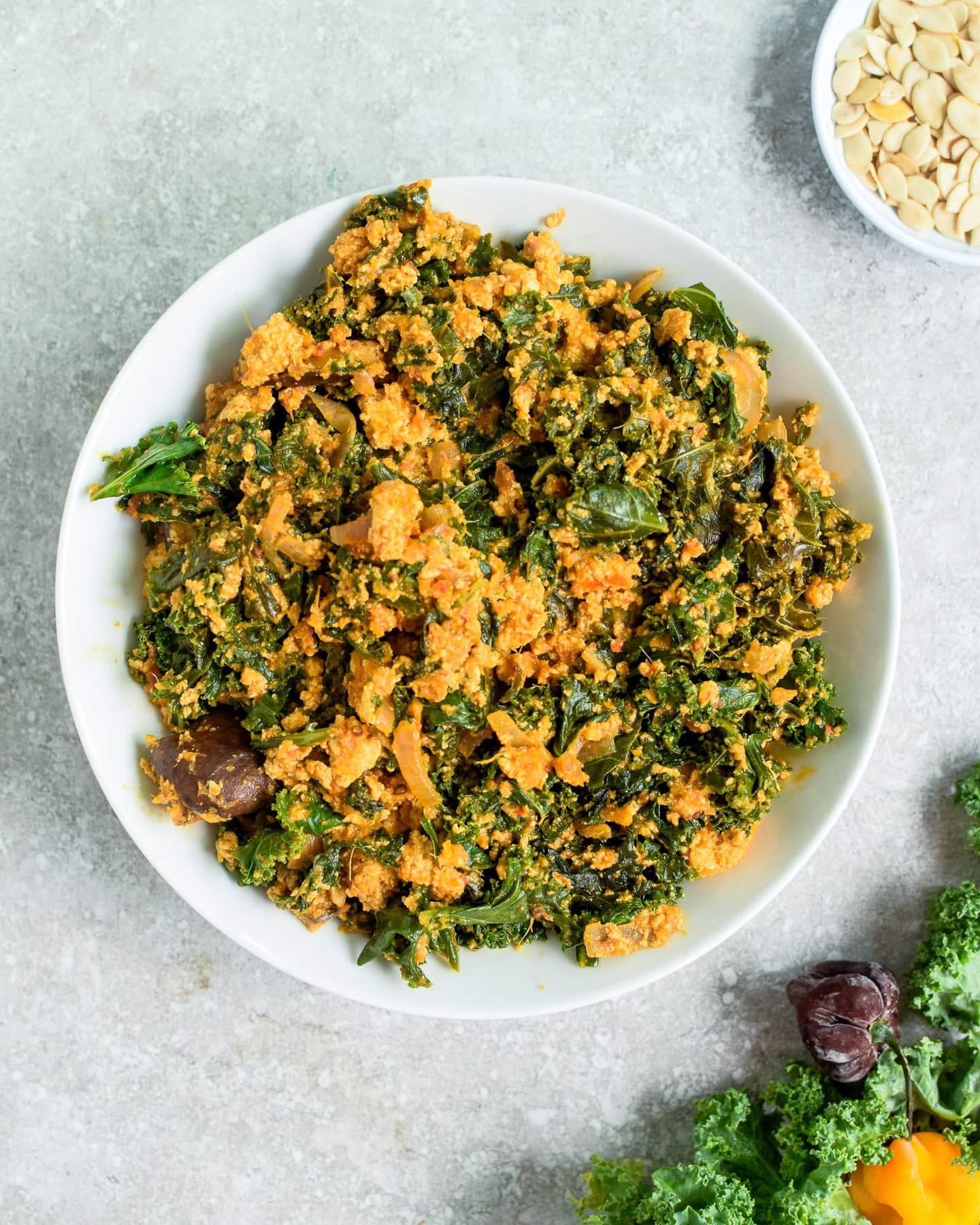
The unmistakable aroma of palm oil, onions and simmering tomatoes is enough to announce a pot of kontomire stew in a Ghanaian kitchen.
But this familiar favourite is getting a plant-based makeover, proving that a satisfying bowl of traditional Ghanaian food does not always need meat, fish or eggs.
Kontomire stew, a much-loved Ghanaian dish, takes its name from the leaves of the cocoyam plant, known as taro leaves elsewhere.
Its appeal lies in the combination of tender leafy greens, rich seasoning and a deeply savoury sauce that pairs beautifully with traditional accompaniments.
In this meat-free version, palm oil and onions provide the flavourful foundation. Rather than using momone, the fermented salted fish traditionally added for its distinctive pungent, savoury character, a homemade seasoning blend featuring dawadawa brings depth and an earthy, fermented aroma.
Tomatoes and scotch bonnet pepper add sweetness, acidity and gentle heat.
The real transformation comes with crumbled tofu and melon seeds. Tofu provides plant-based protein, while the melon seeds create a creamy, textured richness as they cook into the sauce.
Together, they absorb the seasoning, producing a hearty mixture in which the ingredients blend almost seamlessly. The melon seeds are optional, allowing the tofu to take centre stage.
Precooked kontomire leaves and spinach complete the stew, adding colour, leafy texture and nutritional value. Rich in vitamins and minerals, these greens also contribute to the dish’s wholesome appeal.
Served with boiled yam and ripe plantain, the stew makes a satisfying version of ampesi, a traditional Ghanaian combination of boiled root vegetables or plantain served with a savoury sauce.
It is a thoughtful reinvention of a beloved Ghanaian classic, preserving its familiar flavours while opening the door to more plant-based ways of enjoying local food.
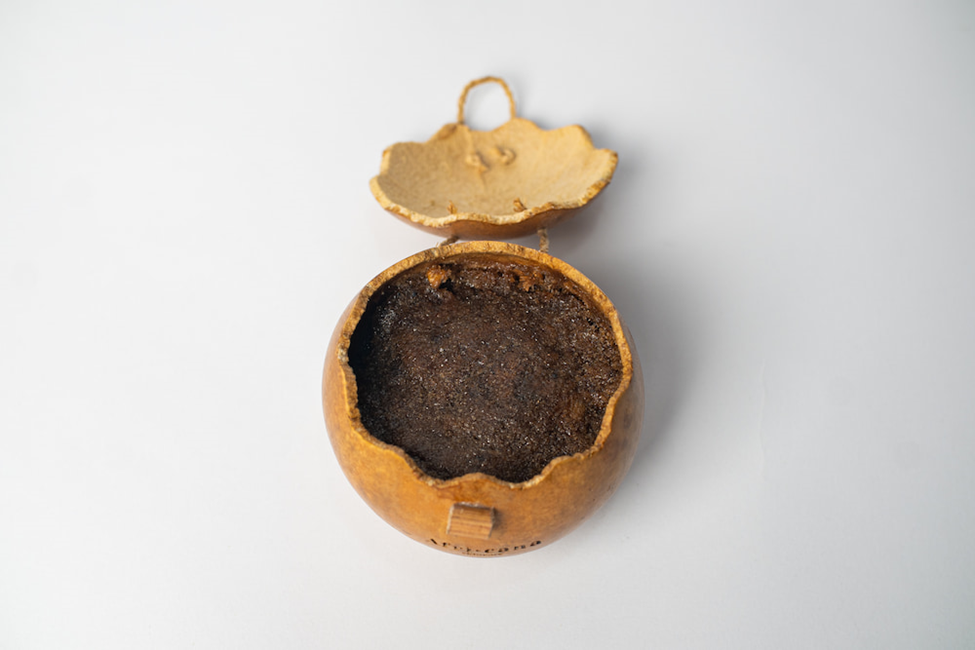
A little jar of shea butter or a bar of African black soap may seem like an ordinary purchase, but in Ghana, these traditional skincare products offer visitors something more meaningful than a conventional souvenir.
Rooted in West African traditions and valued for their everyday usefulness, they make thoughtful gifts to carry home.
Shea butter, produced from the nuts of the shea tree, is particularly important to communities in Northern Ghana.
Its reputation as a natural moisturiser comes from its versatility. Used on the face, body and hair, it helps keep skin moisturised during changing weather conditions, including the dry, dusty harmattan season.
Beyond skincare, it also has culinary uses, making it a familiar multipurpose ingredient in parts of the country.
African black soap has an equally longstanding place in West African beauty traditions. Historically associated with Yoruba communities in Nigeria, Benin and Togo, it is valued for cleansing and exfoliating the skin.
Ghana’s growing skincare market offers visitors plenty of choices, with local brands presenting these traditional ingredients in contemporary packaging.
Africana Skincare stands out for its distinctive presentation, while Nokware Skincare offers gift boxes suited to travellers.
Skin Gourmet combines shea butter and black soap with natural facial scrubs, and Hamamat’s Safari Shea provides a distinctive yellow-coloured alternative to the more familiar golden shea butter.
For a more traditional shopping experience, Accra’s local markets are worth exploring. Raw shea butter and black soap are readily available, often sold in small plastic bags rather than decorative containers.
Whether beautifully packaged or bought straight from the market, these skincare staples offer visitors a practical reminder of Ghana’s natural resources and enduring beauty traditions.
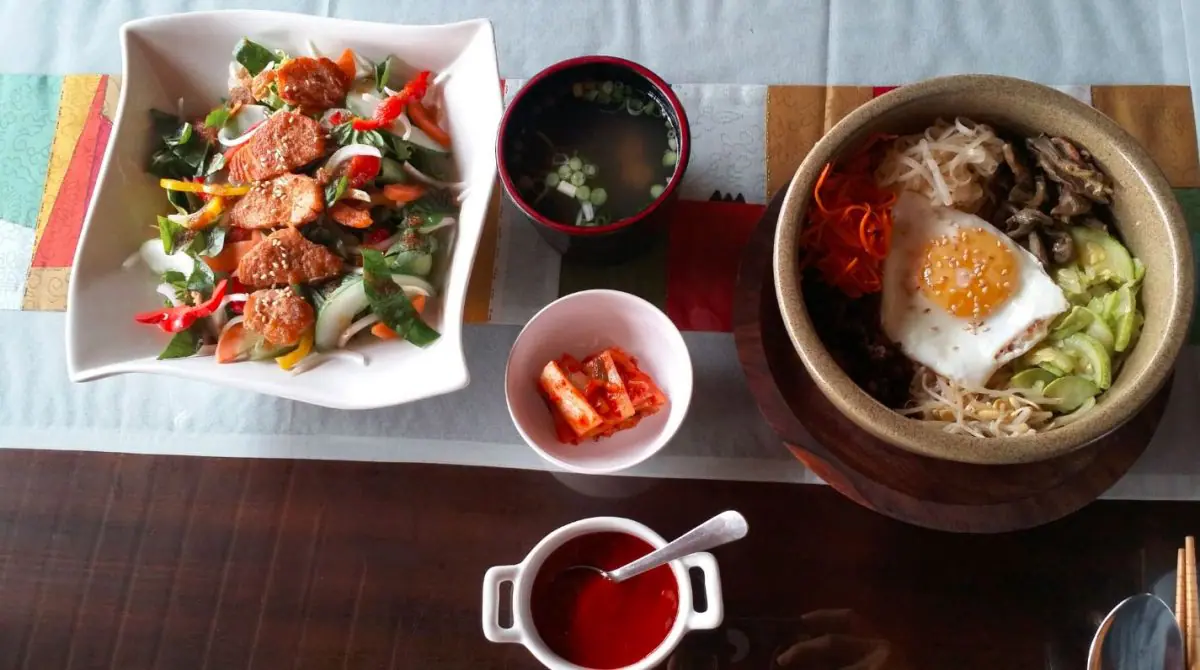
Imagine stepping into a restaurant in Ghana and, for a moment, feeling as though you have been transported to Japan or South Korea.
At Ninano Korean and Japanese Restaurant, the experience goes beyond food, offering diners a taste of East Asian cuisine in an atmosphere designed to evoke the region.
For lovers of Japanese and Korean dishes, Ninano brings together familiar favourites and traditional preparations. Its sushi, made fresh at the restaurant, has attracted international attention, including a feature on Japanese television as a place to enjoy freshly prepared sushi.

The menu also introduces diners to dishes such as udon, thick wheat noodles commonly served in Japanese soups, and bulgogi, a popular Korean delicacy made from thin slices of marinated beef or pork, grilled on a barbecue or stovetop griddle.
These dishes offer a glimpse into two distinct food cultures, brought together under one roof. It is perhaps little surprise that the restaurant has become a favourite among Japanese and Korean nationals living and working in Ghana, as well as diners curious about authentic Asian flavours.
Beyond the kitchen, the restaurant’s woody interior contributes to its distinctive appeal. Live music, large-screen televisions showing sporting events and a bar serving cocktails, wines and Asian-inspired drinks add to the experience.
One visitor described the atmosphere as so immersive that it felt like being in Japan, with speedy service and good food completing the experience.
For anyone seeking something beyond the familiar dining options in Ghana, Ninano offers an opportunity to explore Japanese and Korean cuisine without leaving the country. It is a reminder that sometimes, discovering another culture can begin with simply taking a seat at the table.


Managing Diabetes Starts with Self-Compassion, Not Self-Criticism

Sunshine and Vitamin D: Why Your Body Needs More Than Just a Little Daylight

Europe Faces Wave of Hoax Bomb Threats Amid Growing Fears of Hybrid Warfare
-

 Health & Wellness2 days ago
Building Stronger Glutes After 35: Why Strength Training Matters More Than Cardio
-

 Global Update2 days ago
A New COVID-19 Variant is Raising Interest as Cases Increase in Parts of the World
-

 Ghana News1 day ago
Ghana Unveils New Cedi Notes Featuring Nkrumah, Kofi Annan and Trailblazing Women
-

 Fashion & Style2 days ago
Beyond Fashion: How African Skincare Brands Are Redefining Beauty for Melanin-Rich Skin
-

 Ghana News2 days ago
Ghanaian Regulators Test Local Innovator’s Plastic-Derived Fuel, Finds Petrol and Diesel Fall Short of Required Standards
-

 Ghana News1 day ago
Ghana Coconut Shipment Used to Conceal 2.6 Tons of Cocaine Bound for Europe
-

 Health & Wellness1 day ago
Flu Prevention Starts at Home: Five Everyday Habits That Protect Your Family
-

 Ghana News10 hours ago
Ghana Targets Industrialization in 2027 as $10 Billion Economic Transformation Plan Unveiled in 2027 Budget