
Homes & Real Estate
Accra to Host Africa Real Estate Festival 2026 as Global Leaders Converge to Shape the Continent’s Urban Future

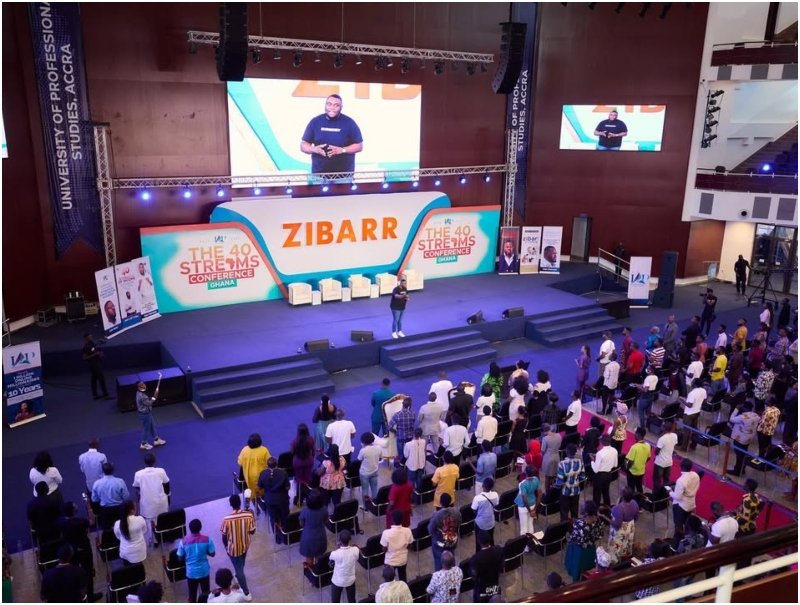
Accra is set to take center stage in Africa’s property and urban development conversation when the Africa Real Estate Festival (AREF) 2026 opens on April 18, 2026, at the Accra Polo Club.
Branded under the theme “Innovation Meets Identity: Designing Africa’s Next Living Experience,” the festival is positioning itself as a defining moment for how Africa builds, invests, and lives in the decades ahead.
The African Real Estate Festival is widely regarded as the continent’s premier annual gathering for real estate, investment, and urban development, bringing together industry leaders, policymakers, developers, investors, architects, and technology innovators from Africa and across the globe.
Organizers say the event is designed to move beyond traditional conference formats, offering an immersive platform where ideas, capital, culture, and lifestyle intersect.
A Continental Platform with Global Reach
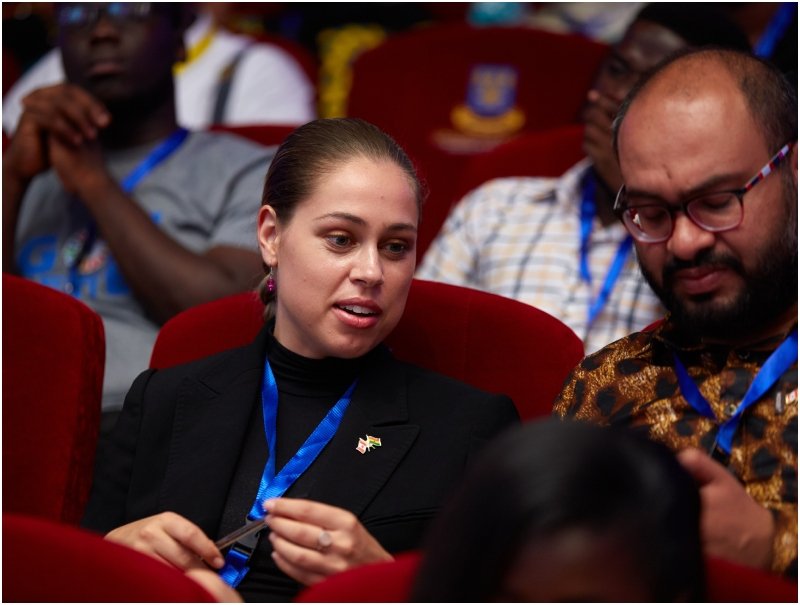
More than 1,500 delegates and exhibitors from over 30 countries are expected to attend AREF 2026, reflecting the growing international interest in Africa’s property markets. With rapid urbanisation, a youthful population, and rising demand for housing, commercial space, and infrastructure, Africa has become one of the world’s most closely watched real estate frontiers.
AREF aims to spotlight cutting-edge trends, innovative design concepts, sustainable building practices, and landmark development projects shaping cities across the continent. The festival will also provide a space for strategic dialogue on policy reform, financing, and urban planning—issues seen as critical to unlocking long-term value in African real estate.
Beyond a Conference: Real Estate Meets Culture
Organisers describe AREF not as a conventional industry conference, but as a “festival of opportunities.” The event blends professional networking and deal-making with cultural expression, lifestyle showcases, and conversations around identity-driven design.
By centring Africa’s cultural heritage alongside innovation and investment, AREF seeks to challenge traditional development models and encourage built environments that reflect local identity while meeting global standards. This approach, planners say, is essential as African cities expand and redefine how people live, work, and interact.
Strategic Importance for Ghana
Hosting AREF in Accra reinforces Ghana’s growing reputation as a regional hub for investment, business dialogue, and creative exchange. The choice of venue—the Accra Polo Club—underscores the festival’s blend of business, culture, and lifestyle, while placing Ghana at the heart of continental conversations on urban transformation.
For Ghanaian developers, policymakers, and entrepreneurs, the festival offers direct access to global capital, expertise, and partnerships at a time when real estate remains a key driver of economic growth.
Registration Open
Registration for the Africa Real Estate Festival 2026 is now open, with organizers encouraging early sign-ups due to high international interest. Visit:https://africarealestatefestival.com/ to register.







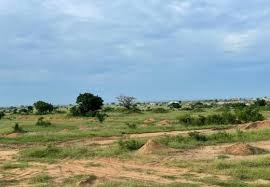
The day the demolition crew showed up, my friend called me laughing. Said there must be a mistake. He had papers. He had receipts. He had the chief’s nephew’s phone number saved in his contacts.
Three weeks later, the laughter stopped. A court declared his entire purchase void. The family that sold him the land? They weren’t authorised to sell anything. Just a few cousins who saw an opportunity and took it. My friend lost every cedi. The land went back to the family. And the cousins? They’d vanished by the time the police came looking.
I tell this story because it happens every single month in this country. Smart people, hardworking people, people who saved for years, watch their investment disappear because they didn’t know the rules.
Here’s what nobody tells you about buying land in Ghana.
When you’re dealing with stool, skin, clan, or family land, you’re not just buying property. You’re walking into a web of relationships that existed long before you arrived and will continue long after you’re gone. The law recognises this. That’s why the rules are strict.
The chief alone cannot sell stool land. The family head alone cannot sell family land. If you’re dealing with one person, even if they carry a big title, you’re already in dangerous territory. The law requires signatures. Multiple signatures. From the chief and his elders. From the family head and the principal members.
One man’s signature is a receipt for trouble.
Then comes the part most people skip.
The land must be registered before anyone can sell it to you. Sounds obvious, right? Yet people hand over cash every day for plots owned by people whose names appear nowhere in the official register. The law is blunt about this. Selling unregistered stool or family land carries a fine of nearly sixty thousand cedis or up to ten years in prison. Whether the judge is having a bad day.
But here’s the kicker. Even if the sellers are legitimate, even if the signatures are there, even if the land is registered, you still need planning comments from the assembly. Without them, your allocation is null and void. The assembly can show up tomorrow and tell you to pack your things. And they’d be within their rights.
The part that keeps lawyers in business.
Many transactions happening right now will not survive court scrutiny. People are buying land from unregistered owners. Skipping planning comments. Processing registrations without proper consents. And the Lands Commission, somehow, keeps stamping these papers.
This creates a dangerous comfort. People see the stamp and think they’re safe. They’re not. The courts have made this clear repeatedly. A transaction that breaks the rules can be set aside years later. Even after you’ve built. Even after you’ve moved in.
My friend learned this the hard way. These days, he rents. Says the paperwork for renting is just one page, and nobody tries to kill you over it.
I’m not suggesting you shouldn’t buy. Just know who you’re dealing with. Count the signatures. Visit the Lands Commission yourself. And if something feels rushed, if someone is pushing you to pay before you’ve done your homework, walk away.
Land will still be there next month. Your money might not be.
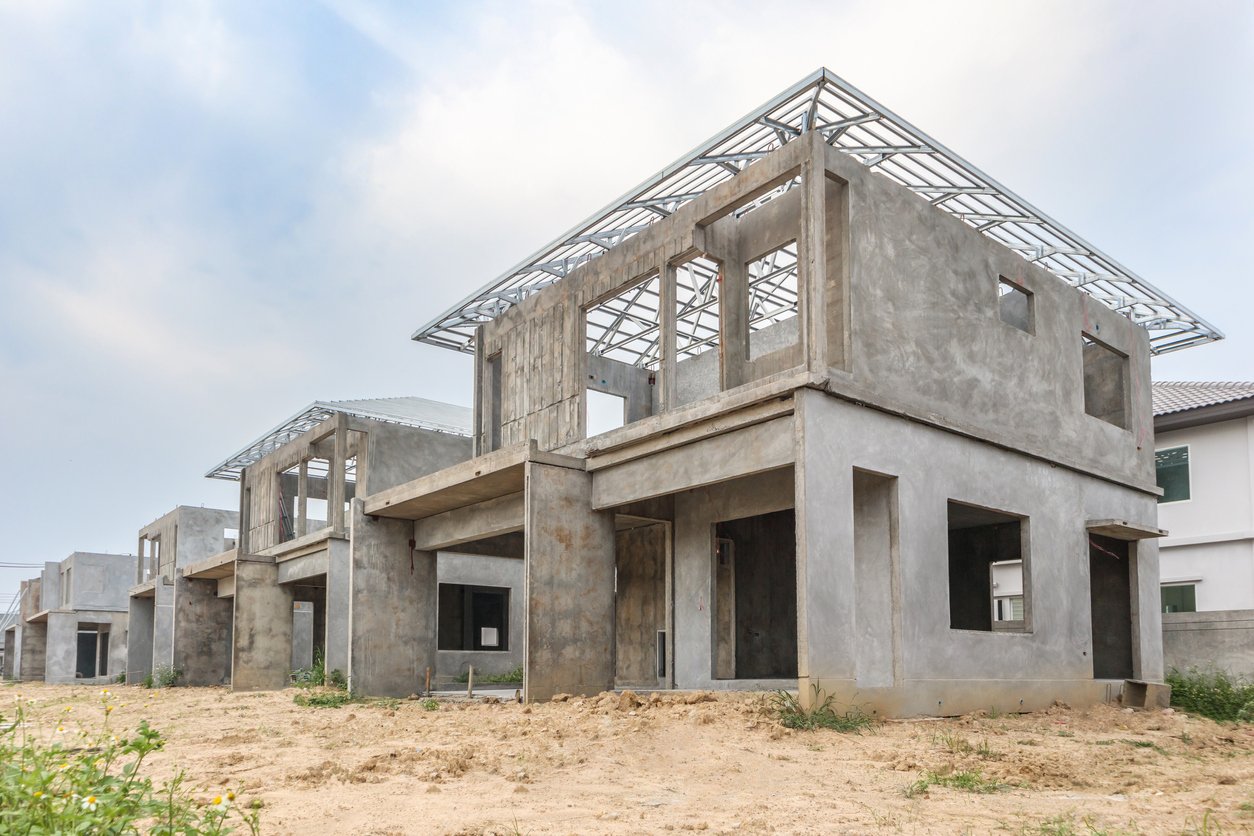
The last time I stood on the plot, waist-high weeds had swallowed the foundation we poured three years ago. A pile of weathered blocks sat abandoned near the road, slowly being reclaimed by red dirt. My cousin Kwame had sent me photos—the glossy artist’s rendering, the groundbreaking ceremony with family gathered in matching funeral cloth. We drank, we prayed, we believed.
Then the contractor’s phone stopped ringing. The money—nearly sixty thousand dollars wired from Toronto in painful installments—had built exactly four feet of wall and a very expensive lesson.
I tell you this not to scare you, but to save you. Because every weekend, somewhere in Accra or Kumasi or a village off the Winneba road, another diaspora dream is going up in dust.
The temptation is understandable. Land back home calls to us. It’s the ultimate anchor, the place your grandchildren will visit and say, “Our grandfather built this.” But here’s the truth nobody puts in the WhatsApp forwards: building in Ghana is not like building in London, New York, or Amsterdam. The rules are different. The handshake deals are different. And the people who know how to work the system? They can smell a diasporan coming from the airport.
I watched Kwame chase his money through circuitous routes. Promises made under mango trees meant nothing in court. The carpenter who seemed so honest in March had vanished by June. And the land? Well, let’s just say two other families also had receipts for the same plot.
If you’re reading this from overseas, folding architectural drawings into your suitcase for the Christmas trip, stop. Take a breath. This article isn’t meant to kill your dream—it’s meant to give it bones that won’t crumble.
Building right in Ghana isn’t about finding the cheapest quote. It’s about finding the one person who will tell you the truth when everyone else is telling you what you want to hear. It’s about permits that feel like bureaucracy until a bulldozer shows up. It’s about understanding that the man smiling at you, calling you “brother,” may be calculating how many bags of cement he can shave off the mix.
So before you send that first wire transfer, before you shake on anything, sit with these lessons from a foundation that never became a home. Your dream deserves more than four feet of wall.
Homes & Real Estate
Skyscrapers, Smart Homes & Satellite Cities: The Future of Ghana’s Real Estate
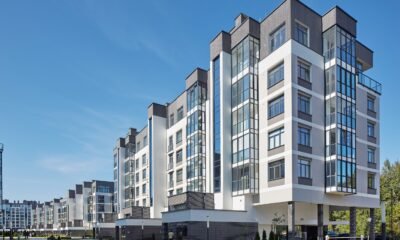
Glass-fronted towers now rise where family houses once stood. Cranes punctuate the horizon. The city is stretching upward — and outward.

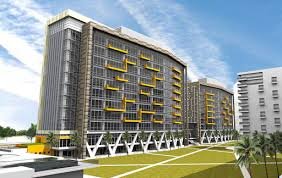
If you stand in parts of Accra today and compare the skyline to what it looked like fifteen years ago, the difference is striking. Glass-fronted towers now rise where family houses once stood. Cranes punctuate the horizon. The city is stretching upward — and outward.
Ghana’s real estate market is no longer defined only by single-storey homes and walled compounds. A new chapter is unfolding, shaped by urban pressure, rising incomes and changing lifestyles.
Reaching for the Sky
High-rise living, once rare in Accra, is steadily gaining ground. Mixed-use developments now combine apartments, offices, retail shops and restaurants in a single complex. For young professionals working long hours, the idea of living close to the office — with a café and gym downstairs — is appealing.
Areas near Kotoka International Airport have become magnets for this kind of development. Convenience drives demand. So does security and access to reliable utilities, which many vertical developments are designed to guarantee.
Read Also: How Ghana’s Diaspora Is Quietly Reshaping the Property Market
For investors, these properties offer rental appeal to expatriates, corporate executives and returning members of the diaspora. For residents, they offer time saved in traffic — a currency that grows more valuable by the day.
The Smart Home Shift
Step inside some newly built houses in East Legon or Cantonments and you may find fingerprint door access, remote-controlled lighting and CCTV systems linked to mobile phones. Smart technology is no longer reserved for luxury mansions. Developers are integrating it into mid- to upper-tier homes because buyers expect it.
The motivation is practical. Power monitoring systems help manage electricity use. Security cameras offer peace of mind for families who travel frequently. Automated gates and lighting add convenience to daily routines.
Technology is quietly becoming part of the Ghanaian home — not as a novelty, but as a standard.
Beyond the City Centre
As central Accra grows denser and land prices climb, attention is shifting outward. Tema, Oyibi and other emerging enclaves are attracting families seeking more space at relatively moderate prices.
Improved road networks and ongoing infrastructure expansion are making these areas more accessible. Some developments are being planned as self-contained communities, with schools, clinics and retail centres built into the layout. The concept of the “satellite city” is gaining ground — offering breathing room away from the congestion of the capital.
A Different Kind of Growth
Ghana’s property market is not just expanding; it is adjusting to new realities. Urban migration continues. A growing middle class wants comfort and structure. Investors want stable returns. Families want security and reliable services.
From taller buildings to smarter homes and new towns on the edges of the capital, the future of real estate in Ghana is taking shape in concrete and code. And for many residents, it feels less like a distant forecast and more like the street they now call home.


I Watched My Friend Lose His Land Because He Trusted the Wrong People

What 1,000 Skips a Day Does to a Man Who Thought He Was Fit

The Week We Forgot About Cocoa and Talked About a Russian Instead
-

 News2 days ago
Ghana Gears Up for Vibrant 69th Independence Day Celebrations: Parades, Plays, Poetry, and Heritage in Focus
-

 Ghana News2 days ago
Newspaper Headlines Today: Tuesday, March 3, 2026
-

 Tourism2 days ago
Emirates Resumes Limited Flights from Dubai as Middle East Airspace Slowly Reopens Amid Ongoing Conflict
-

 Ghana News2 days ago
Ayawaso East By-Election Results Trickle in, ECG Audits Fast-Reading Meters, and Other Trending Topics in Ghana (March 3, 2026)
-

 Commentary2 days ago
At a glance: US‑Israel attack on Iran
-

 Ghana News2 days ago
Ghana’s Top Muslim Leader Condemns Khamenei Assassination, Calls for New World Order Based on ‘Right Over Might’
-

 Business2 days ago
Ghana’s Mega Infrastructure Push: 10 Game-Changing Projects Set to Transform the Country in 2026
-

 Fashion & Style2 days ago
The New Wave of “Afro-Minimalism”: Redefining Luxury Beyond the Print