Tourism
U.N. Chief António Guterres Calls for Peace as Global Tourism Emerges as Bridge Between Nations

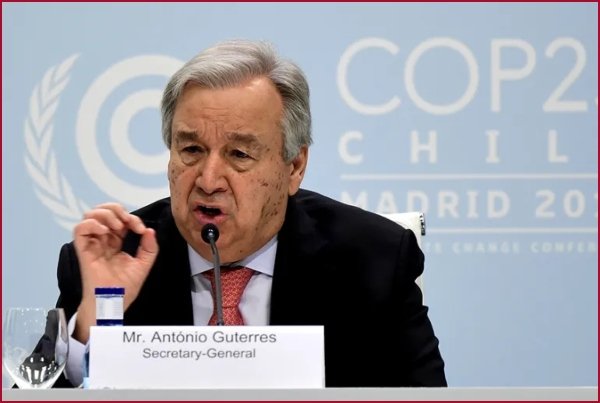
António Guterres has renewed calls for peace amid rising global tensions, warning that escalating conflicts threaten international cooperation while highlighting the need for dialogue and solidarity across cultures.
Speaking during a period when Muslims observe Ramadan and Christians mark the season of Lent, Guterres expressed concern about growing violence in Lebanon and called for an end to war.
“These sacred weeks are meant for compassion, generosity and solidarity — not war,” Guterres said, urging global leaders to pursue peace.
A Consistent Call for Global Cooperation
Since becoming secretary-general of the United Nations in 2017, Guterres has repeatedly warned that geopolitical rivalries are weakening the systems of international cooperation established after World War II.
Before assuming the role, Guterres led the United Nations High Commissioner for Refugees for a decade, where he witnessed firsthand the humanitarian consequences of conflict.
During the COVID-19 pandemic, he issued a global appeal for a ceasefire, urging countries to halt armed conflicts and focus on the shared threat posed by the virus.
While the call did not stop all conflicts, it reinforced the UN’s role as a moral voice advocating for peace and cooperation.
Tourism’s Emerging Diplomatic Influence
At the same time, leaders in the global tourism sector say the travel industry may play a growing role in promoting international understanding.
Officials with UN Tourism argue that travel fosters connections between cultures and helps break down stereotypes by allowing people to experience other societies firsthand.
Former UN Tourism chief Taleb Rifai often described tourism as a “passport to peace,” emphasizing that travelers build trust between societies through direct interaction.
Other global leaders have also highlighted tourism’s diplomatic value. Former UN Secretary-General Kofi Annan promoted the concept of global citizenship, while his successor Ban Ki-moon designated 2017 as the International Year of Sustainable Tourism for Development.
Changing Leadership in Global Tourism
More recently, the UN tourism sector has shifted focus toward economic recovery following the pandemic’s devastating impact on travel.
Under former UN Tourism chief Zurab Pololikashvili, the organization concentrated on rebuilding tourism economies and encouraging investment and innovation.
Leadership has since transitioned to Shaikha Al Nowais, who now faces the challenge of strengthening tourism’s development role while navigating complex international politics.
Private Sector’s Growing Role
Alongside UN institutions, private travel organizations are increasingly involved in global tourism diplomacy.
One of the most influential groups is the World Travel & Tourism Council, led by Gloria Guevara.
Guevara previously served as Mexico’s tourism minister and is widely recognized as a key figure connecting public and private sectors within the global travel industry.
The council represents major airlines, hotels, cruise lines and tourism operators, giving it significant influence within an industry that supports hundreds of millions of jobs worldwide.
Tourism as a Bridge Between Cultures
Analysts say tourism’s global reach positions the industry as a potential force for peace and stability.
Travel networks connect countries and cultures in ways that transcend political divisions, making the industry dependent on international stability and open borders.
As global conflicts and political tensions continue to challenge traditional diplomacy, observers say partnerships between international organizations and the tourism sector could play a role in fostering dialogue and mutual understanding.



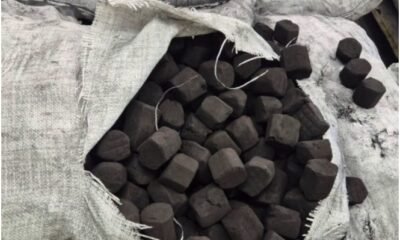




Compact, filling and made from one of West Africa’s most treasured grains, Kapala shows how Ghanaian food traditions turn simple ingredients into practical nourishment for everyday life.
Known as millet balls, Kapala is prepared by cooking millet and moulding it into firm, round shapes.
The result is a humble food with a pleasantly grainy texture and a mild, earthy flavour that allows it to pair beautifully with a variety of accompaniments.
A Taste of Ghanaian Food Heritage
Kapala’s appeal lies in its versatility. It can be served alongside soup, where the millet balls provide a satisfying base for a hearty meal, or enjoyed with milk for a simpler combination.
For those who prefer a savoury kick, a spicy groundnut-based sauce offers a delicious contrast, bringing creamy nuttiness and heat to the grain’s gentle flavour.
Millet has long been valued in parts of Ghana and across West Africa, particularly in communities where traditional grains remain important to everyday cooking.
Kapala reflects a practical approach to food: preparing a staple that can be carried easily and eaten when needed.
For farmers heading to their fields, its compact shape makes it convenient to transport and consume during a demanding working day. It is a reminder that traditional food can be both culturally meaningful and adapted to the realities of rural life.
Nourishment in Every Bite
Millet provides carbohydrates for energy, along with dietary fibre, minerals and other nutrients.
Its fibre content can support digestive health, while its carbohydrates help fuel physical activity. The overall nutritional value of Kapala depends on how it is prepared and what accompanies it.
For international visitors exploring Ghanaian cuisine, Kapala offers an opportunity to appreciate the ingenuity behind everyday local foods. Its simplicity is part of its charm: a familiar grain transformed into a portable, nourishing staple.
In every rounded ball is a story of resourcefulness, agricultural heritage and the enduring connection between Ghanaian food and daily life.

A child searching for their first picture book, a university student hunting for a prescribed textbook or a reader hoping to find their next favourite novel can all begin their search at the same place: EPP BookShop at Legon City Mall.
Located at 7 Lagoon Street, off Giffard Road, the Legon branch brings together books for different ages, interests and stages of learning.

Its appeal lies in the range of titles available, making it a useful stop for families preparing children for school, students pursuing higher education and readers looking beyond the classroom.
From a Small Accra Shop to a Growing Book Business
EPP Books began in 1991 as a modest bookshop in Accra, occupying a space of no more than 20 square metres.
Over the years, it grew into a chain with branches across the West African sub-region, expanding its reach beyond its original location.
That journey reflects the continuing need for accessible books in homes, schools and educational institutions.
For many learners, textbooks and supplementary readers are essential tools, while novels and self-help books offer opportunities for entertainment, personal growth and discovery.
Books for Different Stages of Life
At the Legon branch, the selection spans preschool materials, children’s readers, school curriculum books, secondary-school textbooks and university-level titles. Customers can also browse bestselling novels and books on personal development.

EPP BookShop serves both retail and wholesale customers, giving individual readers and organisations options for purchasing books. If a particular title is unavailable on the shelves, the shop can also arrange to order it.
For residents, students and visitors in the Legon area, the branch offers more than a place to buy reading materials. It provides a practical starting point for the search for knowledge, whether that begins with a child’s first schoolbook or a reader’s next literary adventure.

From a steaming bowl of fufu and soup to the irresistible aroma of kelewele fresh from the frying pan, Ghanaian food offers more than comfort and flavour.
When balanced well, it can also provide many of the nutrients the body needs to thrive.
Traditional Ghanaian cuisine draws heavily on natural ingredients, including yam, plantain, beans, fish, groundnuts and leafy vegetables.
These foods supply energy, protein, fibre, vitamins and minerals. Kontomire stew, okro soup and garden eggs bring colour and nutrients to the table, while fish and legumes offer protein.
Spices and seasonings give dishes their distinctive character, making everyday meals deeply satisfying.
Waakye, the much-loved combination of rice and beans, illustrates this potential. Paired with vegetables, fish or eggs, it can provide a satisfying mix of carbohydrates, protein and fibre.
Yet the nutritional value depends on portion sizes and the amount of oil, salt and rich accompaniments added.
When Tradition Needs Balance
Palm oil gives dishes such as red red their familiar colour and taste. It also contains vitamin E and carotenoids, which the body can convert into vitamin A. However, it is high in saturated fat, so using moderate amounts and avoiding repeated overheating are sensible choices.
Portion sizes matter, too. Meals dominated by large servings of fufu, banku, rice or yam, with little vegetables or protein, may make it harder to maintain a balanced diet over time.
Meanwhile, instant noodles, sugary drinks and heavily processed snacks are increasingly competing with home-cooked meals. Frequent consumption can contribute to excessive sugar, salt and calorie intake.
Keeping Ghanaian Food Healthy
The answer is not to abandon beloved local dishes, but to prepare and serve them thoughtfully.
Enjoy reasonable portions of starchy staples, add generous vegetables, include beans, fish or other protein sources, and use oil and salt sparingly.
Ghanaian food can be both delicious and nourishing. The secret lies in balance, variety and preserving the best of local cooking while making choices that support long-term health.