
Festivals & Events
Inside the Odunkwaa Festival of Abakrampa and Abura Dunkwa

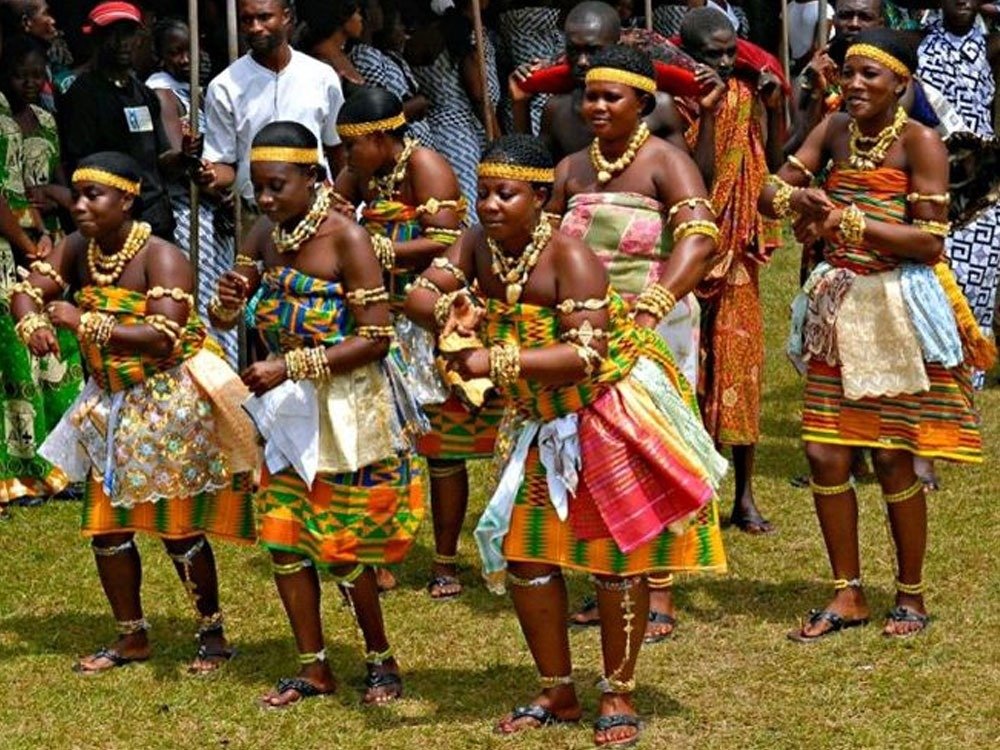
As the first light of an April morning spreads across the towns of Abakrampa and Abura Dunkwa, the rhythmic beat of drums begins to echo through the streets.
Women dressed in vibrant cloths gather in groups, elders exchange greetings, and visitors stream into the community.
The air is filled with anticipation. It is Odunkwaa Festival season, a cherished celebration that brings together history, spirituality, and communal pride in Ghana’s Central Region.
Observed over a week beginning on Easter Monday and culminating on Saturday, Odunkwaa is one of the most significant traditional festivals of the people of the Abura Traditional Area.
The celebrations unfold across two important locations: Abakrampa, the traditional seat of authority, and Abura Dunkwa, the administrative capital.
Together, these towns become the stage for a festival that honours the past while strengthening bonds for the future.
At the heart of Odunkwaa lies a story of protection and survival. Central to the festival is the sacred Odum tree, which local tradition holds shielded the people during times of war and conflict.
In gratitude and remembrance, one of the festival’s most symbolic rituals is the fencing of the tree.
The act serves as both a physical and spiritual gesture, reaffirming the community’s respect for a living symbol of resilience and divine protection.
As the week progresses, cultural performances animate the towns. Traditional drumming and dancing fill public spaces, while families reunite and visitors are welcomed into the celebrations.
The festival reaches its peak with a grand durbar of chiefs, where traditional rulers from across the area converge at the palace to pay homage to the Paramount Chief.
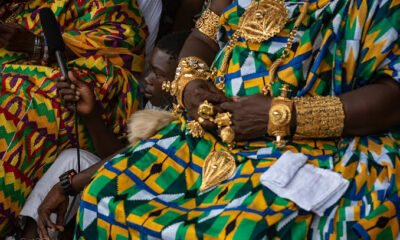
Adorned in richly woven kente, gold ornaments, and ceremonial regalia, the chiefs arrive in a colourful procession that reflects the dignity and continuity of traditional leadership.
Beyond its spectacle, Odunkwaa remains deeply relevant in modern times. It serves as a reminder of shared identity, reinforces respect for customary institutions, and offers younger generations an opportunity to connect with their heritage.
The festival also fosters social cohesion, bringing together people from different backgrounds in a celebration of common history and values.
For travellers seeking an authentic cultural experience, Odunkwaa offers far more than entertainment.
It is a living expression of memory, gratitude, and community spirit. To witness the sacred tree, hear the thunder of drums, and stand among the crowds as chiefs gather in homage is to experience a tradition that continues to flourish at the heart of Ghanaian culture.







As the farming season gives way to harvest, Bawku in Ghana’s Upper East Region prepares for a celebration filled with traditional drumming, dancing and colourful cultural displays.
Families gather, traditional leaders come together and the sounds of celebration fill the community as the Kusasi people mark Samanpiid, an annual festival of thanksgiving, renewal and togetherness.
Celebrated in November or December, Samanpiid is rooted in the agricultural traditions of the Kusasi people of the Kusaug Traditional Area. For generations, farming has been central to community life, making a successful harvest a moment of profound gratitude.
The festival provides an opportunity to thank God, ancestral spirits, and the spiritual forces believed to protect the people and bless their farms.
The name Samanpiid is commonly interpreted as ‘sweeping the compound’. Beyond the physical act of cleaning, it carries a deeper message of clearing away difficulties, settling disagreements and making room for a fresh beginning.
The occasion encourages forgiveness and reconciliation among families and neighbours, particularly after the demands and occasional disputes of the farming season. UEW Scholar+1
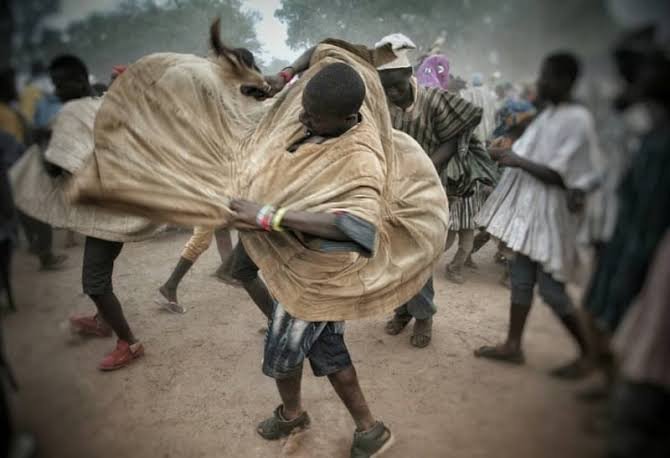
Traditional observances include sacrifices and offerings expressing gratitude for the harvest and seeking continued protection and prosperity. These spiritual activities are followed by public celebrations featuring traditional music, energetic dancing and colourful costumes.
A grand durbar, bringing together chiefs, elders and community members, provides a focal point for the festivities. UERCC+1
Over time, Samanpiid has also developed into an important occasion for discussing the future of Kusaug. Community development, education, peace and social unity feature in the wider celebrations.
Families living elsewhere return home, strengthening relationships and passing cultural values to younger generations. NewsGhana+1
For international visitors, Samanpiid offers an opportunity to encounter the agricultural heritage, spiritual traditions and community life of northern Ghana. For Ghanaians, particularly those reconnecting with their roots, it is a reminder of the importance of gratitude, belonging and shared responsibility.
Experiencing Samanpiid is an invitation to discover Bawku through the traditions of its people, where thanksgiving for the harvest becomes a celebration of identity, renewal and hope.
Festivals & Events
Ghana Food Festival: Diaspora Experience 2026 Celebrates Food, Culture and Connection

Food has a remarkable way of bringing people together, crossing borders and reconnecting families with memories of home.
In Ghana, where traditional dishes tell stories of heritage, identity and community, the Ghana Food Festival: Diaspora Experience offers an opportunity to celebrate these connections through a shared love of food.
Returning for its sixth edition, the festival will take place on Saturday, December 12, 2026, at the Department of Parks and Gardens in Cantonments, Accra.

The gathering brings together Ghanaian and diasporan food businesses, creative entrepreneurs, food enthusiasts and cultural enthusiasts for a day dedicated to culinary discovery, networking and cultural exchange.
For visitors, the festival promises an opportunity to experience Ghana beyond its familiar tourist attractions. Food takes centre stage, offering a chance to discover the country’s culinary traditions while meeting the people and businesses keeping them alive.

From local food enterprises to creative ventures, the event provides a platform for entrepreneurs to showcase their work and connect with potential customers and partners.

Cultural experiences and entertainment will add to the atmosphere, creating space for conversations, new friendships and meaningful connections between people living in Ghana and those returning from the diaspora.
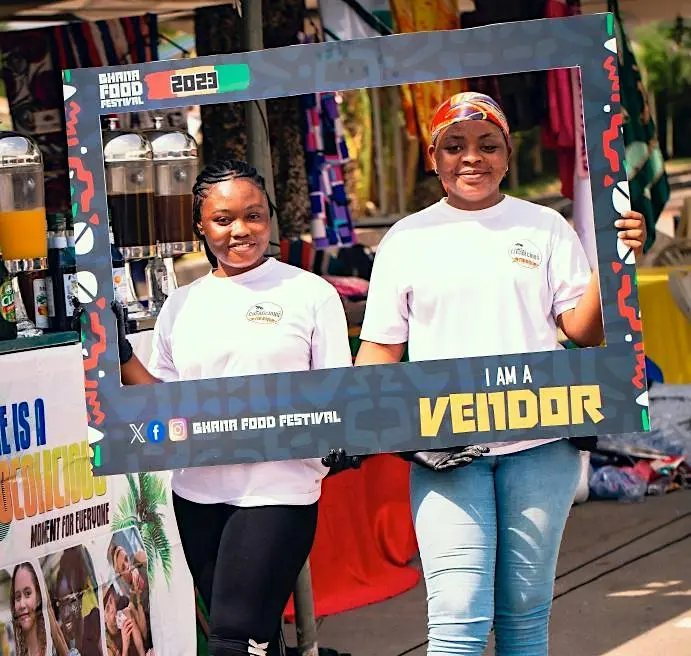
For Ghanaians abroad, the gathering offers a welcome reminder of home, where familiar flavours and shared experiences can renew connections with their roots.
International visitors, meanwhile, can gain a more personal understanding of Ghanaian culture through its food and the people behind it.

Running from noon to 10pm, admission is free, although registration is required.
Whether reconnecting with familiar traditions or discovering Ghanaian cuisine for the first time, the festival offers a welcoming invitation to experience the country through food, creativity and community.


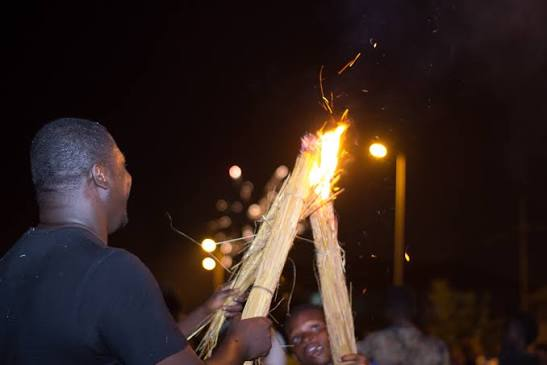
As dusk settles over the towns of Bono and Bono East, the glow of fire begins to draw people together.
Torches illuminate the evening, traditional drums announce the gathering, and families join chiefs and elders in a celebration that honours one of the most important gifts in their ancestral history: fire.
This is Kwafie, a festival of remembrance, purification and cultural identity.
Celebrated in communities including Techiman, Wenchi, Sunyani and Berekum, Kwafie is associated with the ancestral journey of the Bono and Dormaa people.
Oral tradition credits their forebears with bringing fire to the area during migration. Fire, essential for cooking, warmth and protection, became a powerful symbol of survival, knowledge and the foundations of community life.
In Dormaa and other communities, celebrations include torchlight processions, ancestral prayers and libation pouring at places where sacred stools are kept.
One significant ceremony is Nkukuato, the gathering and presentation of firewood to the chief.
Selected logs are used to kindle a ceremonial fire, recalling the ancestors’ historic contribution. The occasion also features traditional music, dancing, colourful chiefly regalia and a grand durbar.
Beyond the spectacle, Kwafie renews relationships between families, strengthens respect for traditional authority and offers an opportunity to seek ancestral protection, peace and prosperity.
At a time when younger generations increasingly look beyond their immediate communities for identity, the festival keeps ancestral stories alive.
For visitors exploring Ghana, Kwafie offers a memorable encounter with Bono heritage, where a simple flame carries centuries of history and belonging.


Managing Diabetes Starts with Self-Compassion, Not Self-Criticism

Sunshine and Vitamin D: Why Your Body Needs More Than Just a Little Daylight

Europe Faces Wave of Hoax Bomb Threats Amid Growing Fears of Hybrid Warfare
-

 Health & Wellness2 days ago
Building Stronger Glutes After 35: Why Strength Training Matters More Than Cardio
-

 Global Update2 days ago
A New COVID-19 Variant is Raising Interest as Cases Increase in Parts of the World
-
 Ghana News1 day ago
Ghana Unveils New Cedi Notes Featuring Nkrumah, Kofi Annan and Trailblazing Women
-

 Fashion & Style2 days ago
Beyond Fashion: How African Skincare Brands Are Redefining Beauty for Melanin-Rich Skin
-

 Ghana News2 days ago
Ghanaian Regulators Test Local Innovator’s Plastic-Derived Fuel, Finds Petrol and Diesel Fall Short of Required Standards
-
 Ghana News2 days ago
Ghana Coconut Shipment Used to Conceal 2.6 Tons of Cocaine Bound for Europe
-

 Health & Wellness1 day ago
Flu Prevention Starts at Home: Five Everyday Habits That Protect Your Family
-

 Ghana News13 hours ago
Ghana Targets Industrialization in 2027 as $10 Billion Economic Transformation Plan Unveiled in 2027 Budget