
Sights and Sounds
Inside Ghana’s Waterfall Massage Experience Where Nature Does the Healing

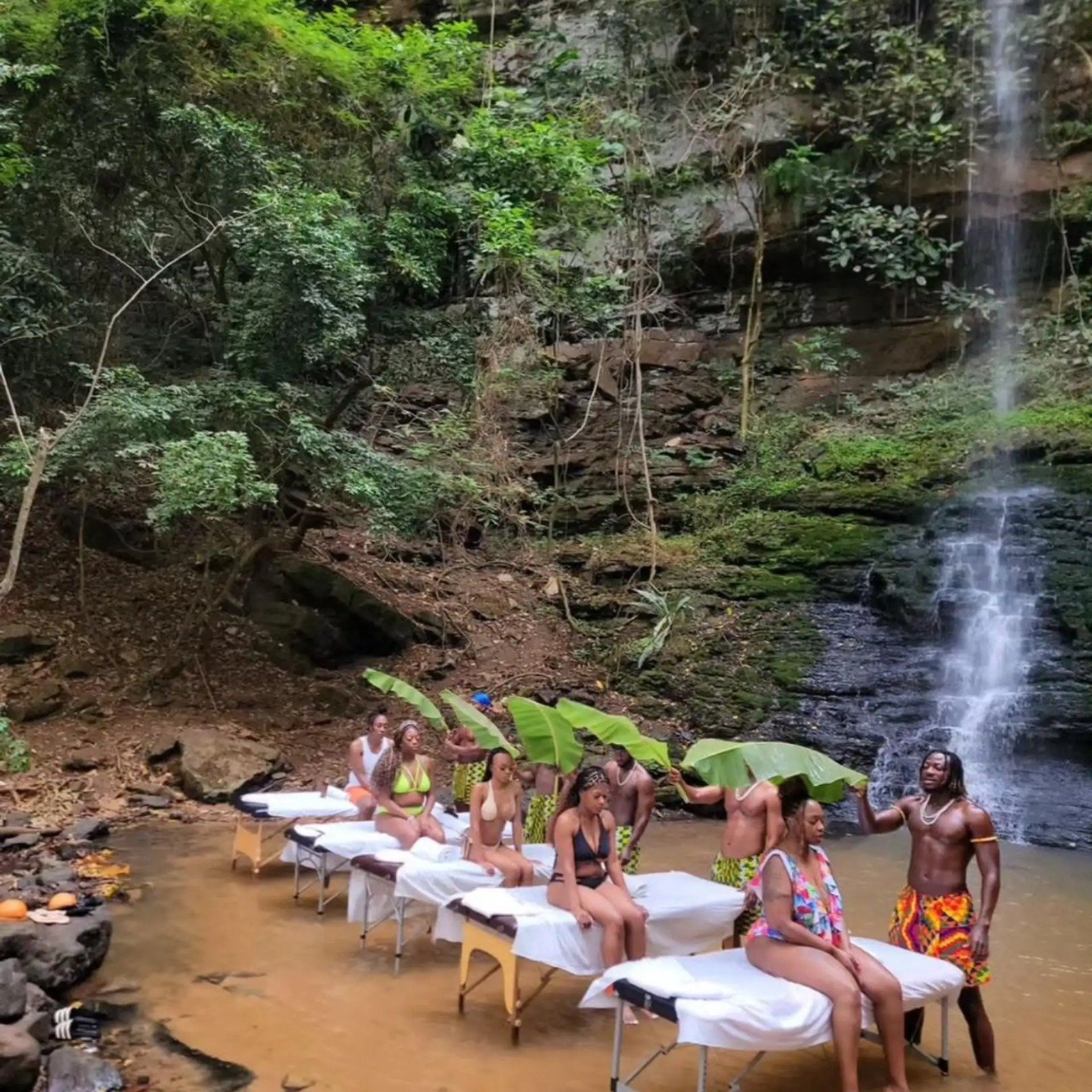
The first thing you hear is the roar. Not traffic, not music, not conversation — just thousands of gallons of water crashing onto ancient rocks deep within Ghana’s rainforest. Then comes the laughter.
A traveler braces against the current as the waterfall slams onto their shoulders with surprising force, sending cold sprays into the thick forest air. Nearby, friends cheer from beneath the trees while mist rises like smoke from the rocks below.
This is Ghana’s famous Waterfall Massage Experience, where nature delivers a back treatment no luxury spa could ever recreate.
Found within the lush surroundings of the Eastern Region, the experience is tied closely to the spectacular Boti Falls, one of Ghana’s most visited natural attractions.
During the rainy season, twin streams thunder side by side into a rocky pool, creating both a dramatic sight and an unforgettable physical sensation for visitors brave enough to stand beneath the rushing water.
Beneath the Falls
Getting there is part of the adventure. The road winds through farming communities, dense greenery, and quiet villages before opening into a landscape alive with birdsong and the earthy scent of wet leaves.
Visitors descend a long staircase surrounded by towering trees before catching their first glimpse of the falls.
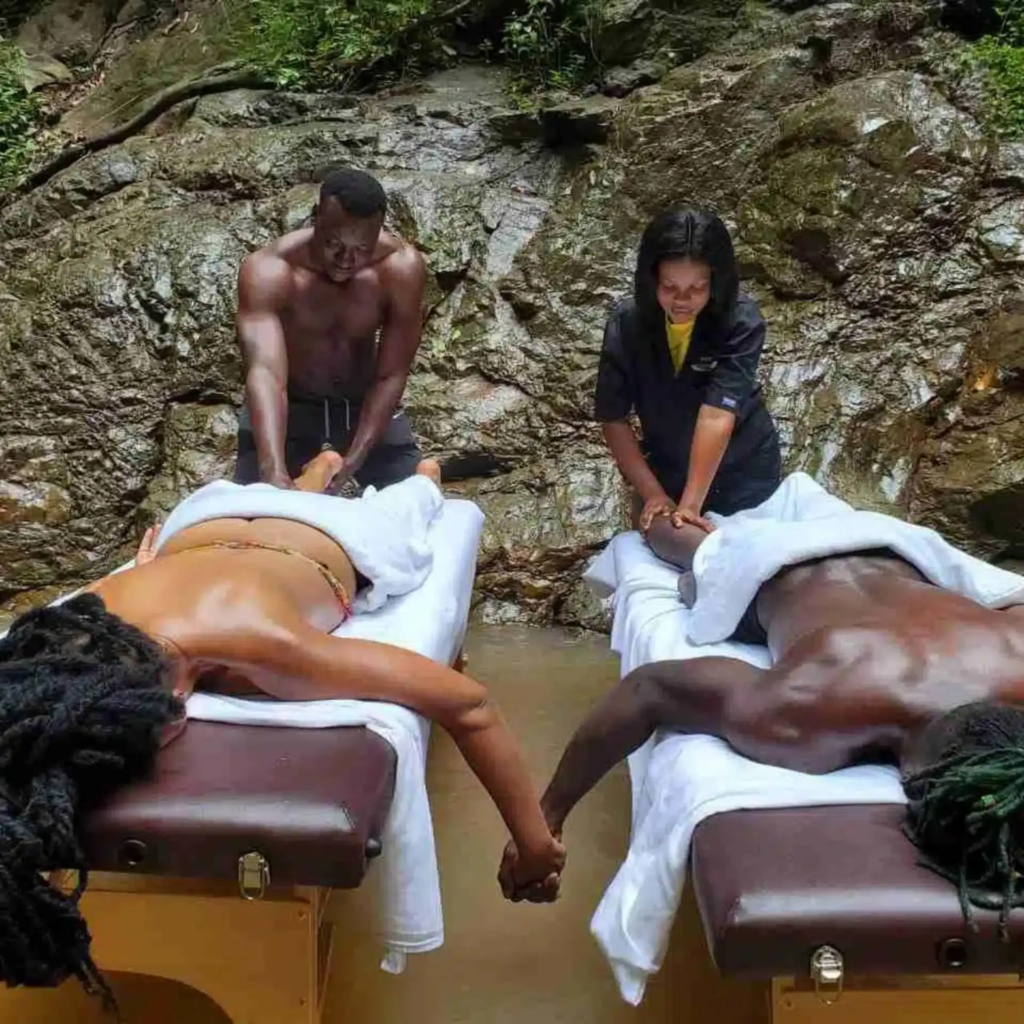
The “massage” itself happens when visitors position themselves beneath carefully selected sections of the waterfall where the pounding water strikes the back and shoulders with intense pressure. Some scream.
Others burst into laughter. Many come out shivering, exhilarated, and immediately wanting another turn.
The area around the falls offers far more than the water experience alone. Travelers often combine their visit with hikes to the Umbrella Rock viewpoint, forest walks, photography sessions, and picnics near the riverbanks.
Local guides share stories about the falls and the spiritual significance many nearby communities attach to the landscape. During wetter months, the force of the falls transforms the entire area into a cloud of mist and sound.
Why Travelers Keep Coming Back
What makes Ghana’s Waterfall Massage Experience unforgettable is not only the thrill of standing beneath crashing water.
It is the feeling of being surrounded by nature — the cool spray against your skin, the thunder echoing through the forest, and the sense that time slows down for a while.
For travelers searching for something beyond beaches and city tours, this experience offers adventure, culture, and pure sensory escape in one destination.
Long after visitors leave, many remember the same thing: the moment the waterfall hit their backs, and the entire forest seemed to come alive around them.








Just minutes from Kotoka International Airport on Airport Bypass Road, inside the historic Aviation Social Centre, sits a modern retreat from Accra’s tropical heat and bustling urban traffic.
Bliss Family Entertainment has quickly established itself as a premier indoor leisure hub, seamlessly bridging the gap between high-energy active recreation and relaxed social gatherings for locals, expats, and international travelers alike.
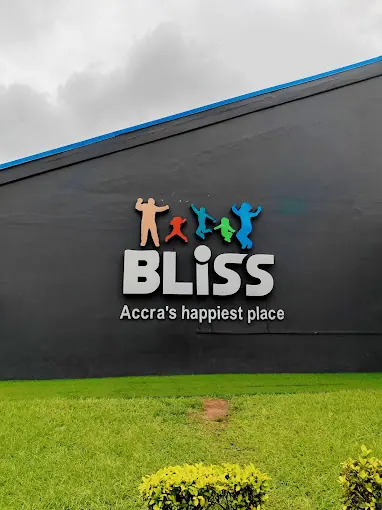
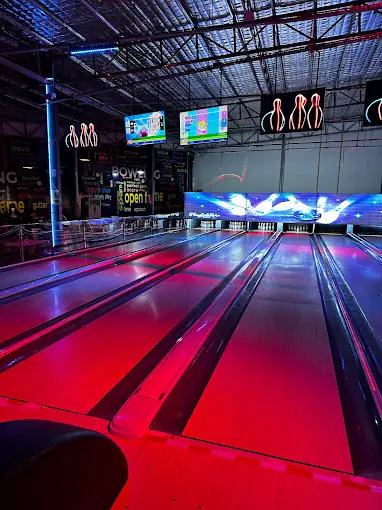
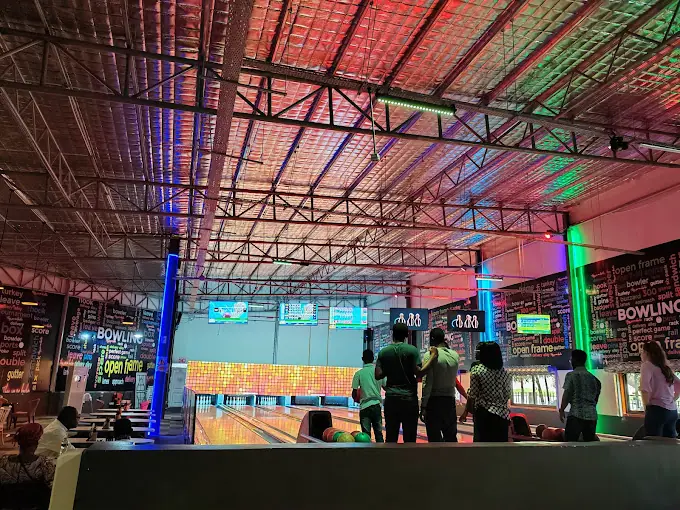
The climate-controlled center features an expansive lineup of activities tailored for diverse age groups. Visitors can challenge friends on a six-lane 10-pin bowling alley (GH¢125 per game) or let younger children try mini-bowling (GH¢100).
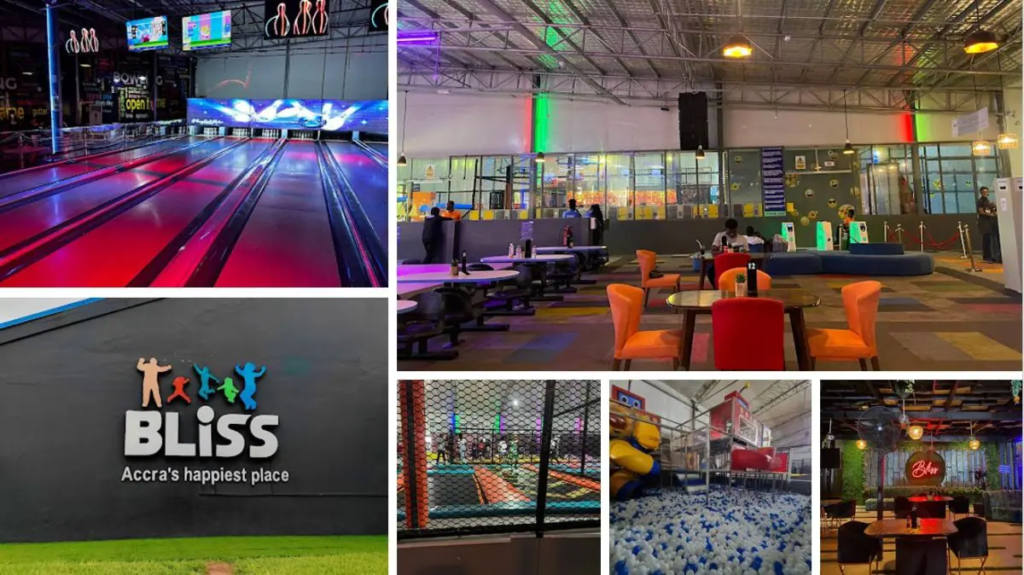
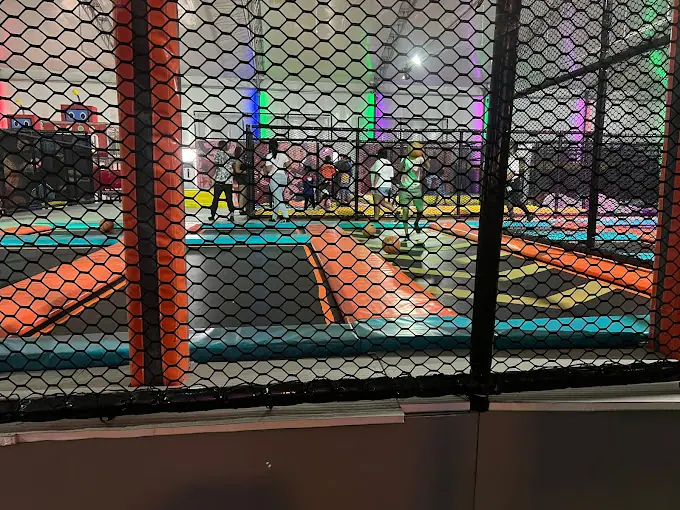
For thrill-seekers, a vibrant trampoline park provides high-bounce arenas (GH¢125 for under-12s, GH¢175 for ages 12+), while immersive Twin Battle VR setups (GH¢100) and an arcade stocked with over 20 games round out the technological play space. Younger guests can also enjoy gentle Teacup Spin rides.
What truly sets the venue apart is its integration of active gaming with local culinary culture. Instead of standard concession food, an on-site restaurant and bar serves authentic Ghanaian favorites, including Assorted Jollof (GH¢220), Goat Jollof (GH¢250), and Grilled Tilapia (GH¢250), alongside hearty stir-fried noodles and grilled meats.
Operating late into the night—from 12:00 PM to midnight Tuesday through Friday and 10:00 AM to midnight on weekends—the center provides an easy, safe space for family outings, weekend dates, and stress-relieving evening hangouts.
By combining modern recreational technology with rich local flavors, Bliss continues to set the benchmark for indoor family leisure in West Africa.
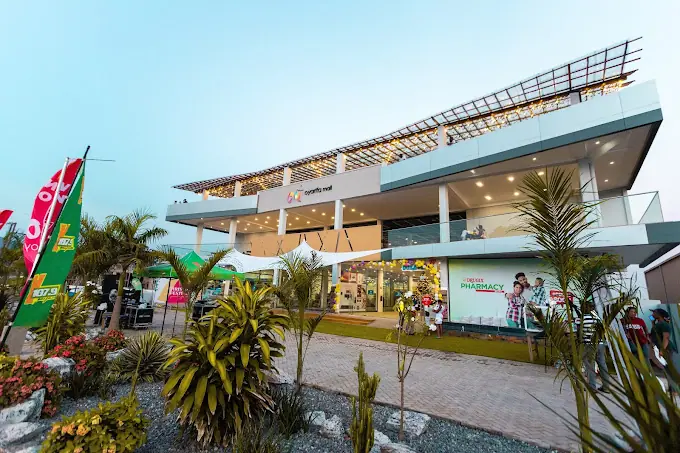
The drive from Accra to Aburi has long been part of the experience—the city gradually gives way to cooler hills and greener scenery.
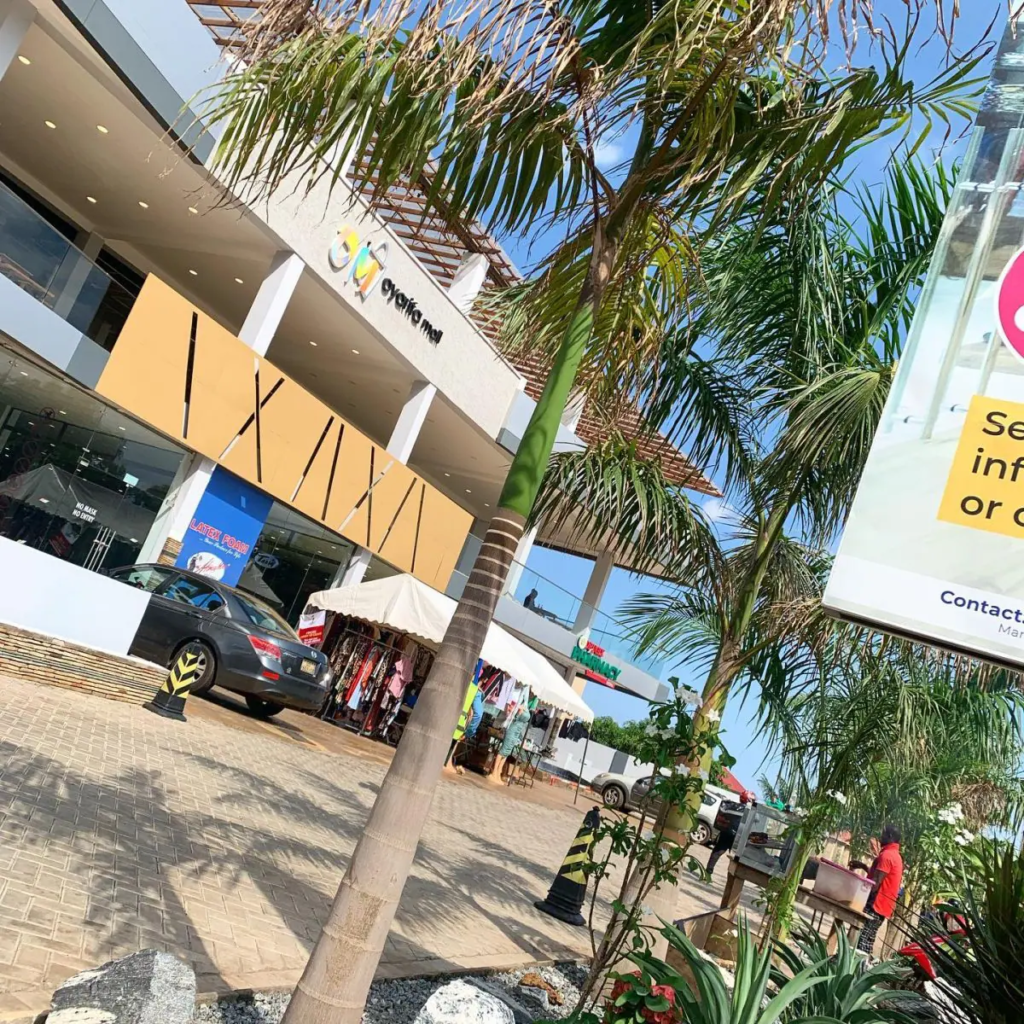
Now, there’s another reason people are slowing down along the route: Oyarifa Mall, a fast-growing lifestyle destination that’s turning a roadside stop into a day out.
Located just off the N4 Highway in Oyarifa, about 25 kilometres from Accra Mall, the complex has become a natural meeting point for families, commuters and weekend travellers.
Its position also makes it an easy stop before or after a visit to the famous Aburi Botanical Gardens, roughly 15 kilometres away.
The appeal lies in variety. Visitors can stock up on groceries at O-Mart Express, browse African prints at Nakus Fashion, pick up fresh produce from FarmFresh, or squeeze in errands at the pharmacy and dental clinic without leaving the same complex.
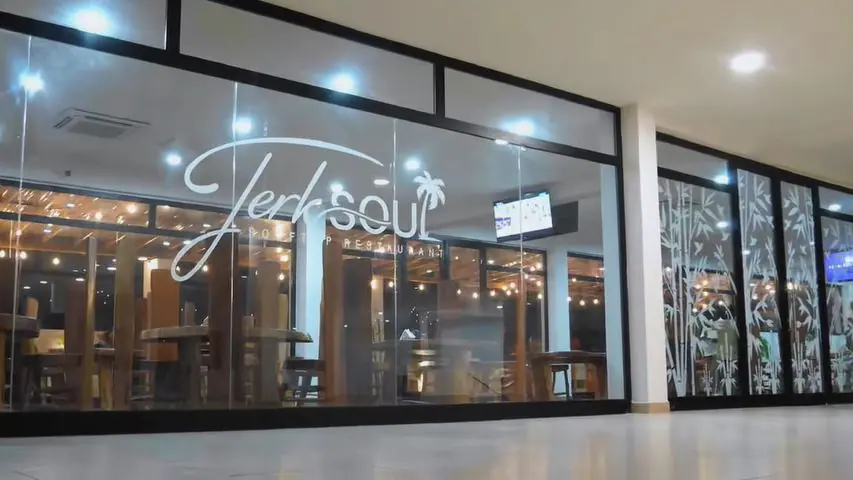
Food is another draw. Wild Wheat Café offers breakfast and pastries, while Jerk Soul Rooftop Restaurant & Lounge pairs Caribbean-inspired comfort food with elevated views.
Those craving local flavours can settle into the cosy atmosphere of Cloud Nyn Bar and Restaurant, before rounding off the visit with a scoop from Nela Ice Cream Parlour.
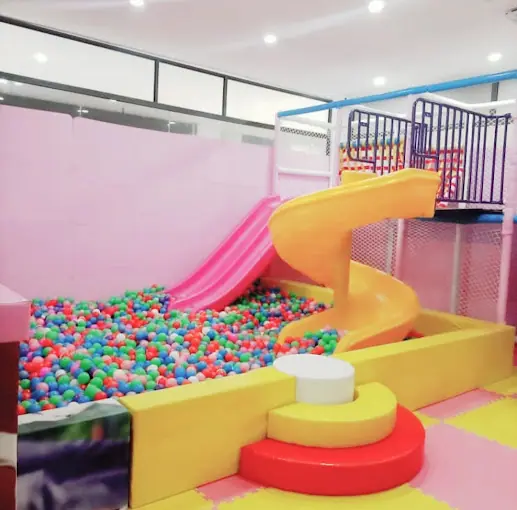
Entertainment stretches beyond dining. Children can burn off energy at Wiggly Piddly Fun House or the Gap Learning Zone, film lovers can head to Ozone Cinema, gamers can explore Cangaru VR, and fitness enthusiasts can work out at The Basement Gym.
Even remote workers have a place at Spaces, the mall’s co-working hub.
Oyarifa Mall reflects the changing face of Accra’s expanding suburbs. It isn’t simply a shopping centre—it’s becoming a community gathering place where errands, leisure and local culture comfortably share the same address.
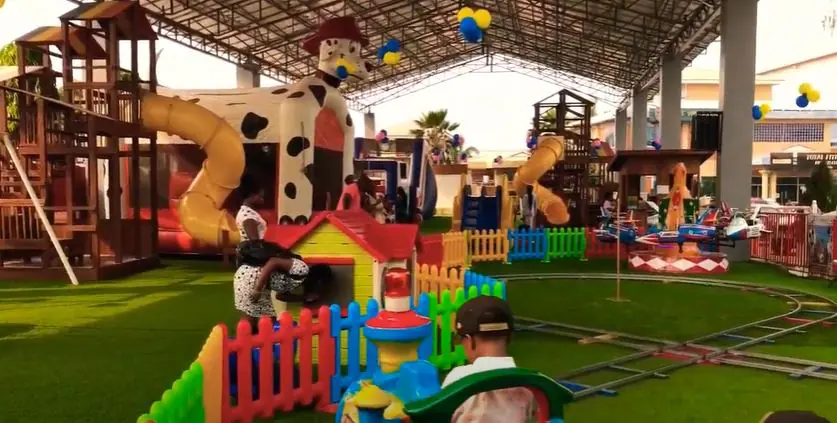
Sometimes the biggest adventure in Accra comes on a little train.
At AnC Kiddie Ground in East Legon, children aged two to eight can spend an hour swapping screens for slides, inflatables and a miniature train ride that has become the park’s standout attraction.
Tucked inside the grounds of AnC Mall, the outdoor play area offers families a simple way to give young children room to run, laugh and explore in a supervised setting.
Unlike many indoor play centres, Kiddie Ground combines open-air play with a covered space that keeps activities going even when the sun is high.
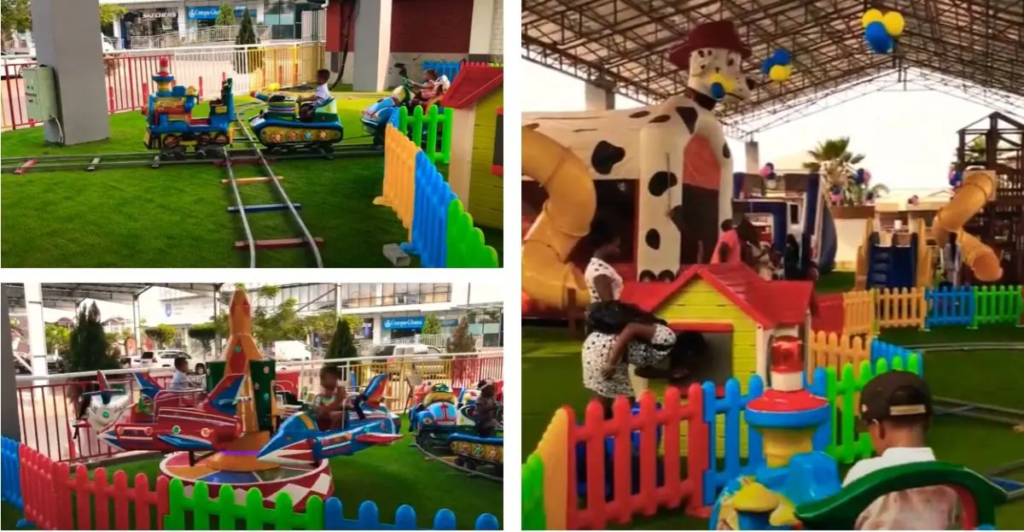
The rides are designed with younger children in mind, while on-site staff help ensure play remains safe, giving parents a little more peace of mind as little ones climb, bounce and race between attractions.
The train ride adds an extra layer of excitement, carrying children on a cheerful circuit around parts of the play area and often becoming the highlight of the visit.
It is the kind of experience that turns an ordinary afternoon into a memorable outing.
For families planning birthdays, the venue has also become a practical option for toddler and children’s parties, with enough space for group celebrations alongside the regular play activities.
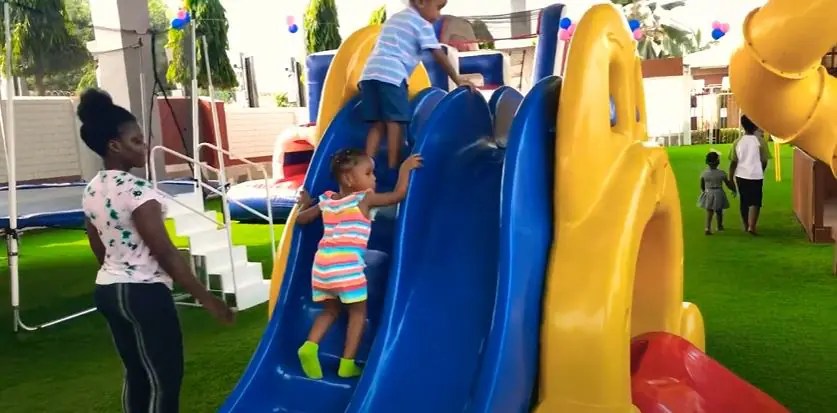
Entry starts from GHS20 per hour, making it an accessible stop for parents looking for a short but energetic family outing without leaving the city.
For visitors discovering Accra, AnC Kiddie Ground offers a glimpse into the city’s growing family-friendly leisure scene—proof that sometimes the smallest attractions create the biggest smiles.


Can Ghana Process Its Own Crude and Fix Its Power Supply?

“It Slipped Through”: Ghana Customs Boss Admits Airport Security Failure After 3.9-Ton Drug Bust

White House Launches ‘Trump TV’ on YouTube After Banning Three News Outlets: Here’s What It’s Showing
-
 Sights and Sounds2 days ago
Why Bliss Family Entertainment Is Airport City’s Go-To Haven
-

 Opinion15 hours ago
African Blood for Other People’s War?
-
 Festivals & Events1 day ago
Accra Welcomes New York Leadership for a Historic Night of Community
-
 Global Update14 hours ago
White House Launches ‘Trump TV’ on YouTube After Banning Three News Outlets: Here’s What It’s Showing
-

 Taste GH1 day ago
The Timeless Appeal of Koose and Spiced Millet Koko
-
 Homes & Real Estate17 hours ago
How Mechanical, Electrical, and Plumbing Audits Protect Your Real Estate Investment
-
 Festivals & Events2 days ago
Where Cascades Meet Culture: The Majestic Grandeur of the Wli Falls Festival
-

 Fashion & Style16 hours ago
When Aesthetics Backfire: What the Converse Imagery Controversy Teaches the Global Style Industry