
Tourism
United States Elevates Travel Advisory for Niger to Highest “Do Not Travel” Level

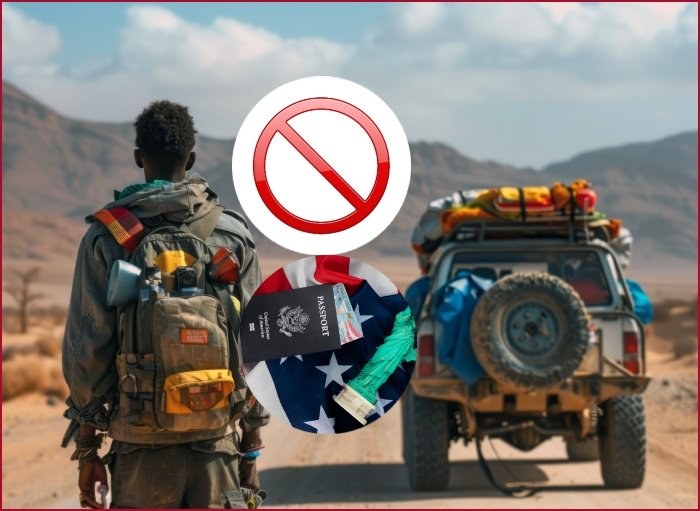
The United States has raised its travel advisory for Niger to Level 4: Do Not Travel — the highest risk category — citing ongoing terrorist threats, kidnapping risks, civil unrest, and limited U.S. government ability to assist American citizens in the country.
The updated advisory, issued by the U.S. Department of State on February 1, 2026, warns that violent extremist organizations remain active in multiple regions of Niger, particularly along borders with Mali, Burkina Faso, and Chad. The State Department highlighted:
- High risk of kidnapping, especially targeting Westerners and dual nationals.
- Frequent attacks by armed groups on military outposts, convoys, and civilian areas.
- Persistent crime, including armed robbery and carjacking.
- Limited consular support due to the reduced U.S. diplomatic presence following the 2023 military coup and subsequent deterioration in bilateral relations.
U.S. citizens currently in Niger are urged to depart immediately by commercial means if possible. The advisory also notes that U.S. government employees require special authorization to travel outside the capital, Niamey, and that emergency services are severely limited outside major cities.
The Level 4 designation aligns Niger with other high-risk Sahel countries such as Mali, Burkina Faso, and parts of northern Nigeria. The decision reflects broader U.S. concerns about security in the region following the withdrawal of French and other Western forces, the rise of jihadist activity, and political instability after successive military takeovers in the Sahel.
Ghanaian travelers, diaspora members, and businesses with interests in Niger or the wider Sahel are advised to review the latest U.S., UK, EU, and Ghanaian foreign ministry travel warnings before planning any trips.


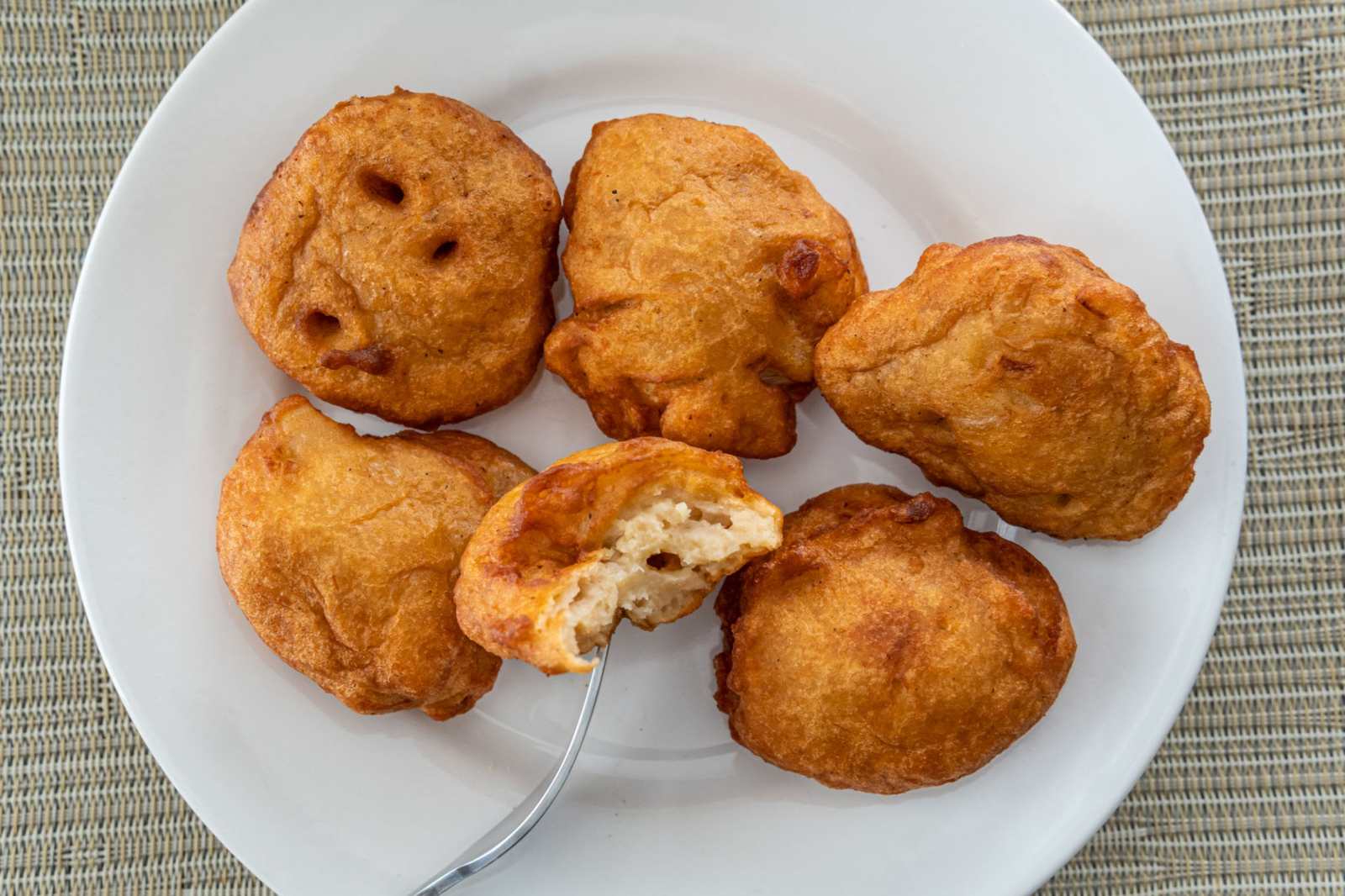
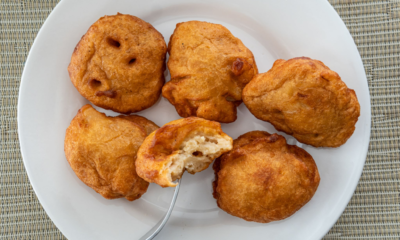
Long before dawn breaks over Accra’s busy streets, the crackle of hot oil and the warm, sharp perfume of ginger and scotch bonnet chilies signal that koose is on the way.
Also known as akara across West Africa, this iconic bean fritter holds a special place in the rhythm of Ghanaian life, serving as an indispensable staple of morning routines and street-food culture.
While delicious on its own, koose reaches absolute perfection when paired with koko, a hot, aromatic millet porridge infused with cloves and black pepper.
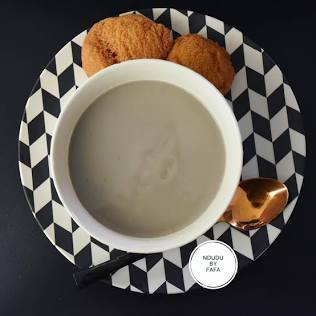
The creamy, fiery porridge balances the crunchy fritters, creating a sensory experience that warms the soul and fuels the day.
Whether grabbed from a neighborhood street vendor or fried fresh at home, koose remains a timeless symbol of West African culinary comfort.
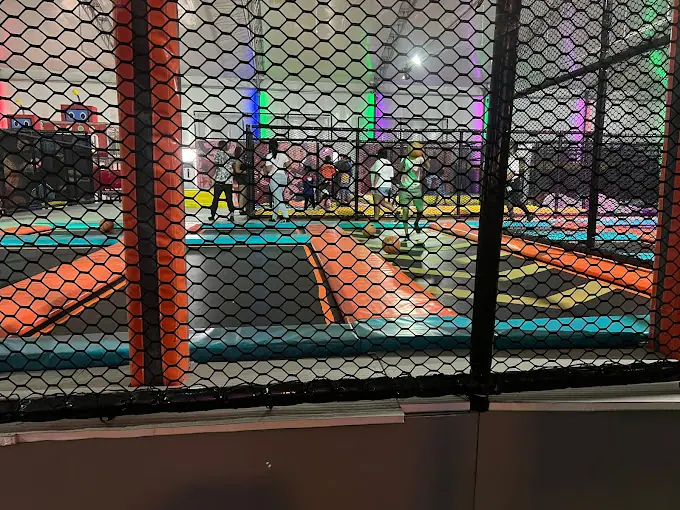
Just minutes from Kotoka International Airport on Airport Bypass Road, inside the historic Aviation Social Centre, sits a modern retreat from Accra’s tropical heat and bustling urban traffic.
Bliss Family Entertainment has quickly established itself as a premier indoor leisure hub, seamlessly bridging the gap between high-energy active recreation and relaxed social gatherings for locals, expats, and international travelers alike.
The climate-controlled center features an expansive lineup of activities tailored for diverse age groups. Visitors can challenge friends on a six-lane 10-pin bowling alley (GH¢125 per game) or let younger children try mini-bowling (GH¢100).
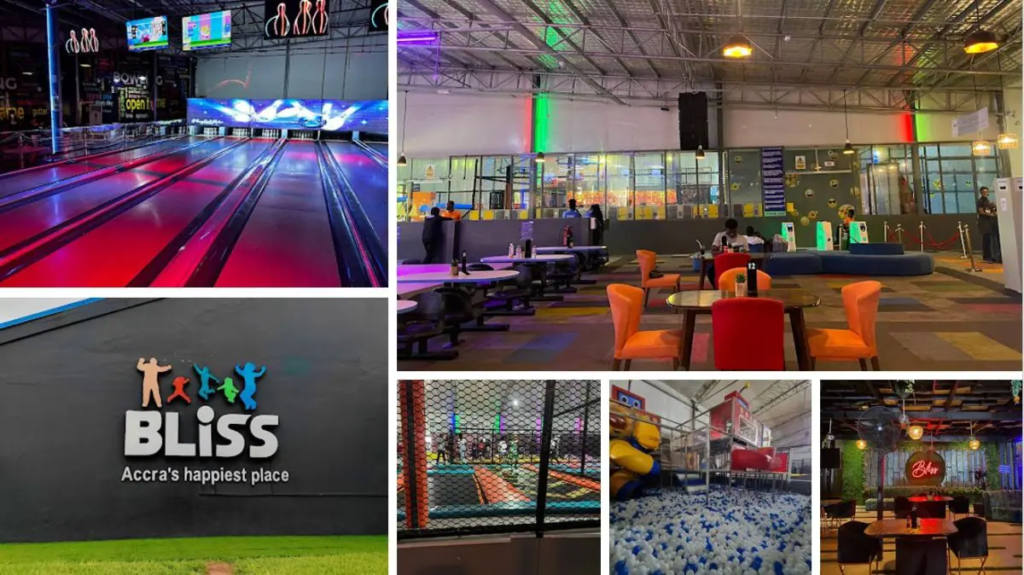
For thrill-seekers, a vibrant trampoline park provides high-bounce arenas (GH¢125 for under-12s, GH¢175 for ages 12+), while immersive Twin Battle VR setups (GH¢100) and an arcade stocked with over 20 games round out the technological play space. Younger guests can also enjoy gentle Teacup Spin rides.

What truly sets the venue apart is its integration of active gaming with local culinary culture. Instead of standard concession food, an on-site restaurant and bar serves authentic Ghanaian favorites, including Assorted Jollof (GH¢220), Goat Jollof (GH¢250), and Grilled Tilapia (GH¢250), alongside hearty stir-fried noodles and grilled meats.
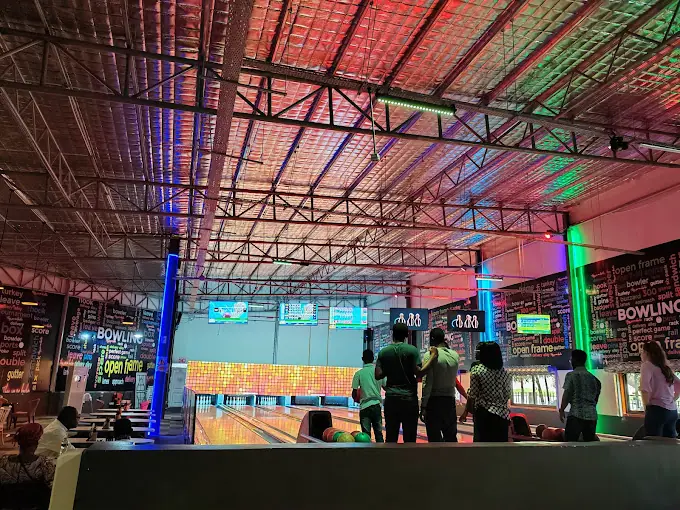
Operating late into the night—from 12:00 PM to midnight Tuesday through Friday and 10:00 AM to midnight on weekends—the center provides an easy, safe space for family outings, weekend dates, and stress-relieving evening hangouts.
By combining modern recreational technology with rich local flavors, Bliss continues to set the benchmark for indoor family leisure in West Africa.
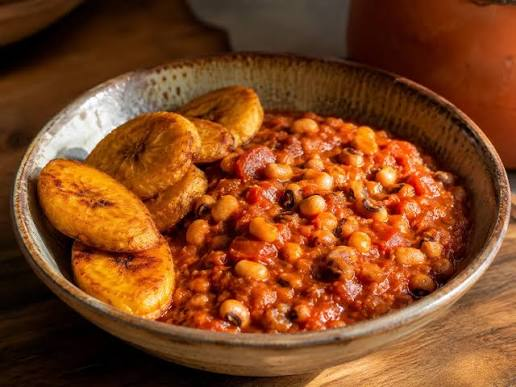
There is something irresistible about a plate of Red Red—the rich crimson sauce, sweet golden plantain on the side, and the comforting aroma that fills the air long before the first bite.
One of Ghana’s most loved bean dishes, Red Red takes its name from its striking colour, created by ripe tomatoes and vibrant red palm oil.
The result is a hearty meal that balances deep, savoury flavours with a gentle sweetness, making it a favourite from bustling street food stalls to family dining tables.
At its heart are soft, slow-cooked black-eyed beans that soak up a fragrant tomato stew infused with onions and spices. The red palm oil adds an earthy richness and a distinctive aroma that gives the dish its unmistakable character.
Pair it with fried ripe plantains, and every mouthful becomes a satisfying contrast of creamy beans and caramelised sweetness.
Many Ghanaians complete the meal with a boiled or fried egg, turning an already generous dish into an even more filling feast.
Red Red has earned its place as more than comfort food. Beans provide plant-based protein and fibre, while tomatoes contribute vitamins and antioxidants. Red palm oil, used in moderation, also contains beta-carotene, which the body converts into vitamin A.
Visitors discovering Ghanaian cuisine for the first time often remember Red Red because it feels both familiar and exciting.
It’s simple enough for home cooks to recreate, yet packed with flavours that reflect Ghana’s talent for transforming everyday ingredients into memorable meals.
Whether enjoyed for lunch, dinner, or as a satisfying weekend treat, Red Red remains one of the country’s proudest culinary classics.


-

 Sights and Sounds1 day ago
Why Bliss Family Entertainment Is Airport City’s Go-To Haven
-

 Health & Wellness2 days ago
First In, Last Out: Understanding Your Body’s Natural Fat Storage Blueprint
-
 Festivals & Events14 hours ago
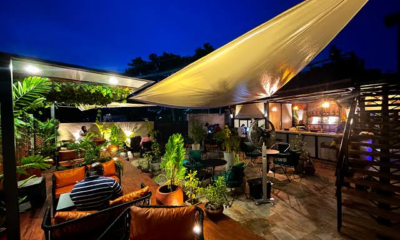
Accra Welcomes New York Leadership for a Historic Night of Community
-
 Taste GH14 hours ago
The Timeless Appeal of Koose and Spiced Millet Koko
-

 Festivals & Events1 day ago
Where Cascades Meet Culture: The Majestic Grandeur of the Wli Falls Festival
-

 Homes & Real Estate3 hours ago
How Mechanical, Electrical, and Plumbing Audits Protect Your Real Estate Investment
-

 Fashion & Style2 hours ago
When Aesthetics Backfire: What the Converse Imagery Controversy Teaches the Global Style Industry