
Tourism
Viral Video of UK-Based Kids Begging to Stay in Ghana After Holidays Highlights the Country’s Family-Friendly Appeal


A viral video has captured the hearts of social media users worldwide, showing three children pleading with their guardian not to return to the United Kingdom after a holiday in Ghana.
The clip, humorous yet poignant, provides a glimpse into why Ghana remains a beloved destination for diaspora families seeking warmth, culture, and unforgettable experiences.
In the video, one child exclaims:
“I don’t want to go back to the UK. It’s so cold… very windy, very rainy. Ghana’s perfect!”
Another adds, jokingly comparing the climates:
“It’s so cold there [in the UK]… our Ghana, no; it’s so cold there.”
The children’s candid reactions, laughter, and playful commentary tell a bigger story of Ghana’s appeal. Ghana is not just a homecoming destination but a vibrant environment where children can enjoy warmth, outdoor activities, and cultural experiences unavailable in colder climates.
Ghana’s Unique Appeal to Families
From the sun-soaked beaches of Busua and Kokrobite to interactive cultural sites in Accra and Kumasi, Ghana offers a wide range of family-friendly experiences. The video underscores the comfort, energy, and accessibility of Ghanaian communities, where children can explore freely, enjoy fresh weather, and immerse themselves in local traditions.

Tourism expert Kofi Asare notes:
“Diaspora families often choose Ghana not only for cultural reconnection but also for its climate, hospitality, and child-friendly activities. Videos like this show how these experiences leave lasting impressions on young visitors.”
Cultural Tourism and Diaspora Engagement
The clip also highlights the growing trend of diaspora tourism, where families travel to Ghana to reconnect with roots while enjoying leisure and education opportunities for children.
From visiting local markets to exploring historical sites, Ghana offers a rich tapestry of experiences that appeal to global audiences.
Social media users across the UK, Europe, and North America have shared the video widely, praising Ghana for its warmth and the authentic, joyful experiences it offers children.
The country’s soft power as a tourism destination for diaspora families is increasingly evident through viral content like this, which resonates far beyond national borders.










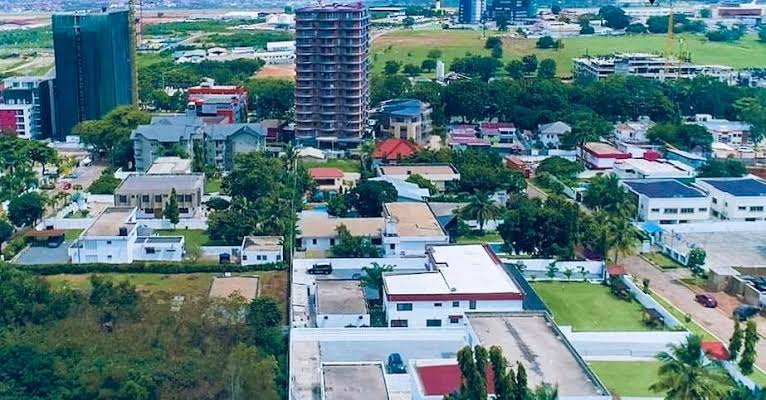
From rooftop cocktails above the city to comforting Ghanaian favourites delivered to your door, this Accra neighbourhood offers plenty of ways to satisfy a good appetite.
In Airport Residential Area, a good meal can come with a view of Accra’s skyline, the aroma of freshly grilled meat or the comforting taste of a familiar Ghanaian dish after a long day.
Located close to Kotoka International Airport, this sought-after neighbourhood combines residential convenience with easy access to shopping centres, hotels and restaurants.
For residents and visitors alike, its dining scene offers an appealing reason to explore beyond the usual commute.
Dining Above the City
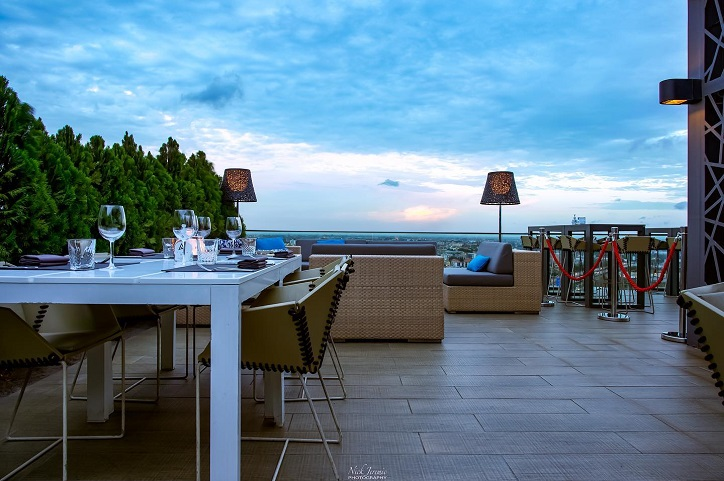
One of the area’s most recognisable attractions is Skybar, located in the ICON House building, widely known for its elevated views across Accra.
The experience brings together food, drinks and the spectacle of the city from above, making it an appealing choice for evening outings, social gatherings and special occasions.
Yet the neighbourhood’s food appeal extends beyond rooftop dining and international menus. Accra’s culinary character is also shaped by the everyday dishes that bring people together.
Ghanaian Comfort on the Menu
For those seeking local flavours, Ghanaian favourites offer a satisfying introduction to the country’s food culture. Jollof rice, fragrant with tomatoes, spices and peppers, remains a popular choice, while waakye combines rice and beans with accompaniments such as fish, boiled eggs, spaghetti and spicy shito.
Grilled tilapia with banku delivers smoky aromas and a satisfying contrast between tender fish and fermented corn-and-cassava dough. For something lighter, fresh fruit and vegetable dishes can provide welcome balance.
These foods carry cultural significance beyond the plate, connecting diners to family traditions, street-food vendors and the everyday rhythms of Ghanaian life.
Convenience Without Compromising Taste
When cooking feels like too much effort, food delivery services offer another way to enjoy Accra’s diverse menus, from local staples to international cuisine.
Airport Residential Area’s appeal lies in this flexibility: whether dining out or ordering in, there is room to experience Ghana through its flavours.
Sights and Sounds
Mind Craft Camps Accra Turns School Holidays into Adventures in Creativity and Discovery

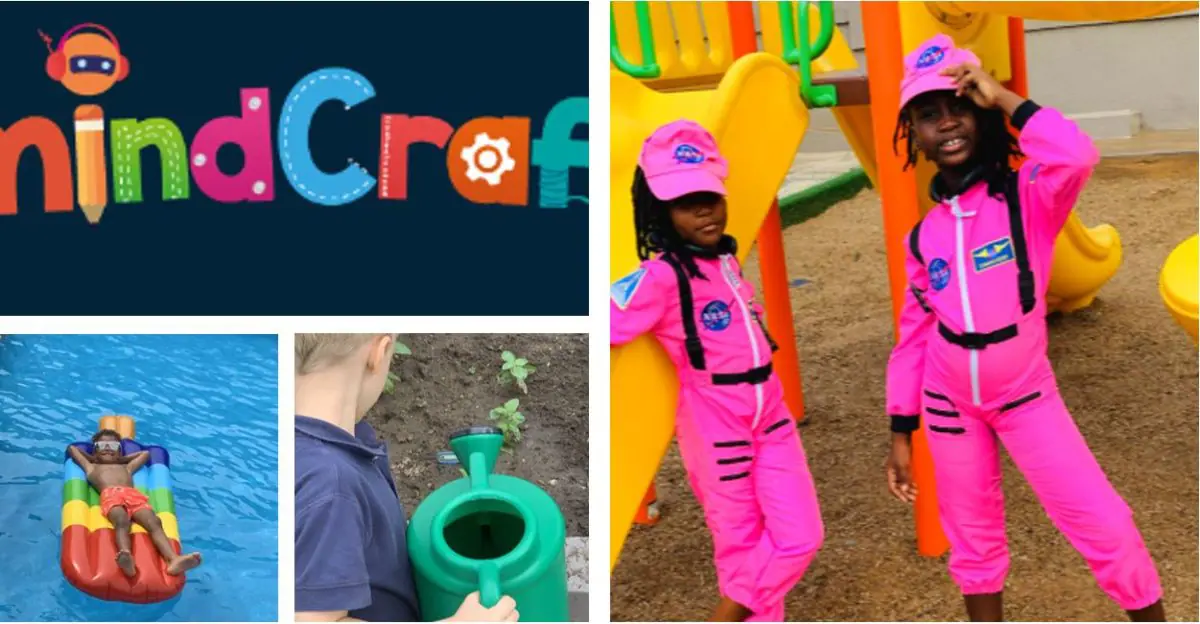
For children, a school holiday is an invitation to explore, imagine and play. For parents, finding activities that keep young minds engaged while providing a safe, supervised environment can be a challenge.
In Accra, Mind Craft Camps offers a way to bring both needs together, turning school breaks into opportunities for creativity, discovery and practical learning.
Organised by Cheeky Monkey Club, a provider of holiday camps in Ghana’s capital, Mind Craft is a multi-activity, outdoor-based programme built around invention literacy and skill development.
Its approach gives children room to enjoy their holidays while engaging in imaginative activities designed to encourage curiosity and new skills.
The camps run around school holidays throughout the year, with the summer programme taking place from July through August. Sessions run from 9am to 3pm and welcome children aged three to 12, offering families a structured option during the long school break.
A key feature is the way children are grouped according to age. Participants aged three to five, six to eight, and nine to 12 are placed in separate groups, allowing activities to be suited to their different stages of development.
This arrangement helps ensure that younger children and older participants can engage with programmes appropriate to their abilities and interests.
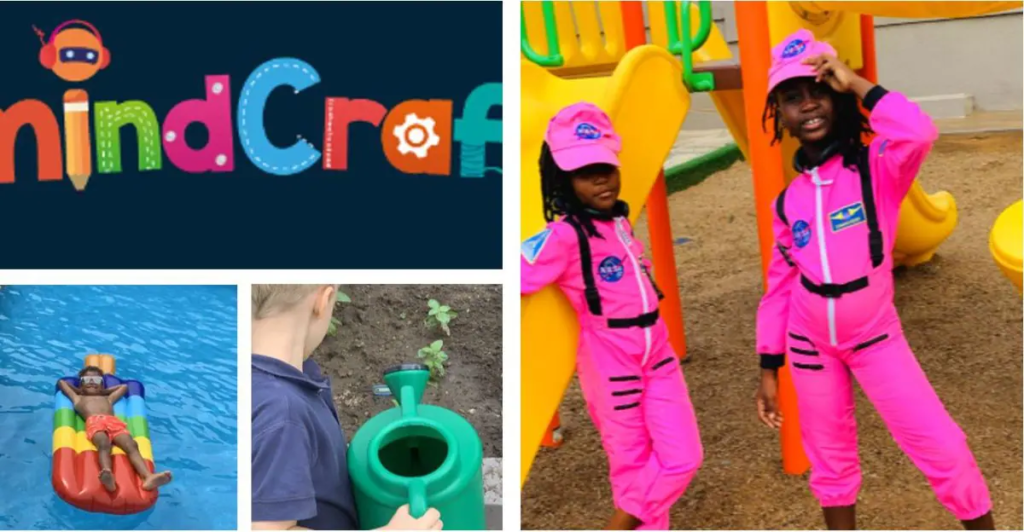
Located in East Legon and Cantonments, Mind Craft also offers parents flexibility when planning their children’s holiday schedules. Depending on availability, families can choose drop-in sessions, half-day or full-day attendance, bookings for the entire summer, or weekly packages.
Fees are charged in Ghanaian cedis, with options starting from GH₵100, making it possible for parents to consider different arrangements based on their schedules and budgets.
By combining outdoor activities, supervised play and skill-building, Mind Craft Camps presents school holidays as more than a pause from classroom learning.
They become an opportunity for children to experiment, make discoveries and develop their abilities while enjoying the freedom of play.
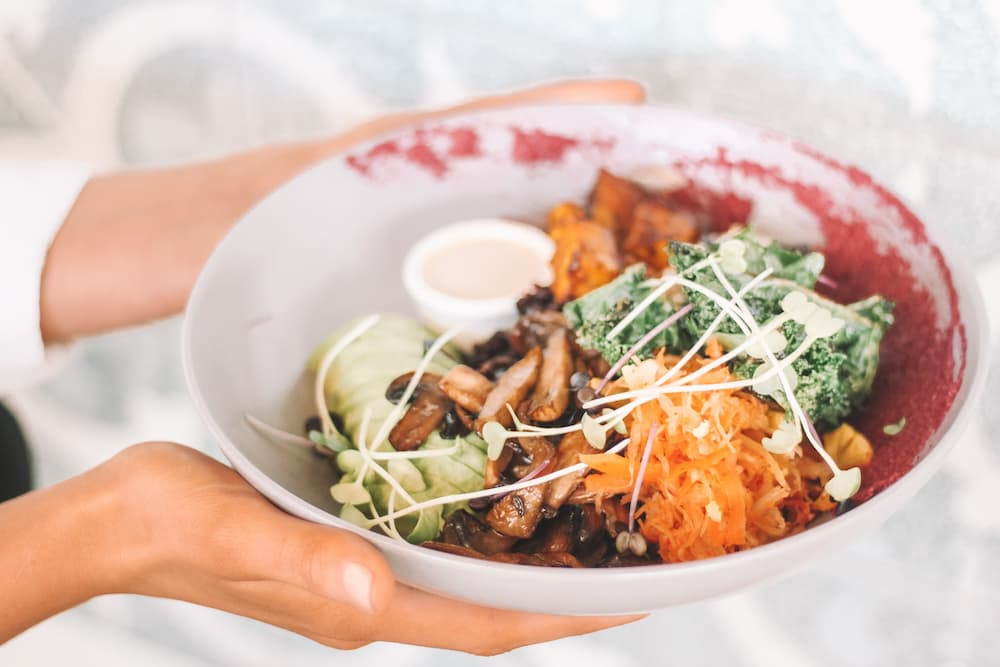
In Accra, a single day of eating can take you from the warmth of Indian spices to the delicate flavours of Chinese cuisine, with Mexican tacos or Ethiopian dishes waiting around the corner.
Ghana’s capital has developed an international dining scene that reflects its growing connections with communities and cultures from across the world.
A taste of India and China
Indian cuisine has found a lasting home in Accra, supported by longstanding ties between Ghana and India. Across the city, Indian restaurants introduce diners to aromatic curries, fragrant rice dishes, freshly baked flatbreads and spice-rich sauces.
The appeal lies in the layers of flavour, from warming ginger and cumin to the gentle heat of chilli.
Chinese cuisine also has a strong presence. Beyond familiar stir-fries and noodle dishes, adventurous diners can explore traditional Chinese breakfast foods, which may include congee, steamed buns, dumplings and savoury pancakes. These meals offer a glimpse into everyday food traditions that differ from the usual restaurant favourites.
Accra’s international offerings extend to Mexican, Spanish and Ethiopian food, giving residents and visitors opportunities to experience different culinary traditions without leaving the city.
Vegetarian dining finds its place
For vegetarians and vegans, Accra is becoming easier to navigate. Although meat features prominently in many Ghanaian meals, plant-based diners can explore vegetarian-friendly restaurants and ask about meat-free adaptations of familiar dishes.
Ghanaian cuisine itself offers plenty of possibilities, including red-red, made with beans and often served with fried plantain, as well as kontomire stew and vegetable-based soups. Ingredients and preparation methods vary, so diners following strict vegan diets should check whether dishes contain fish, meat stock or other animal products.
A city best explored through food
For international visitors, Accra’s restaurants provide a delicious introduction to the city’s global connections. For residents, they offer opportunities to discover new flavours and revisit familiar favourites.
Whether you crave a fiery curry, a comforting bowl of congee or a satisfying plant-based meal, Accra’s dining scene invites you to travel through food, one plate at a time.


Funding Fears Loom For Ghana’s Life-Saving Malaria Vaccine Five Years After Roll Out

‘There was a Coordinated Disclosure Plan’: AI-Discovered Flaw in PHP Triggers Global Internet Chaos as Cybercriminals Race to Exploit It
