
Fashion & Style
Dakar Fashion Week Turns Atlantic Ocean Into a Floating Runway (PHOTOS)

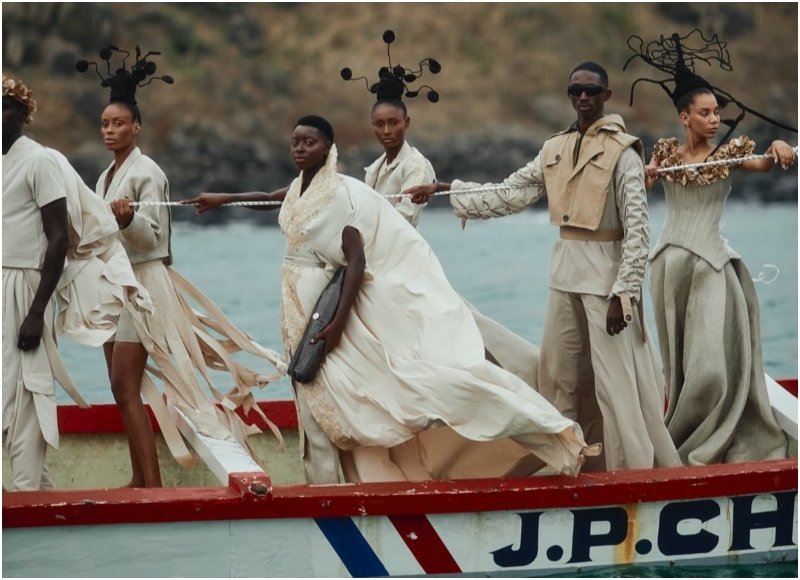
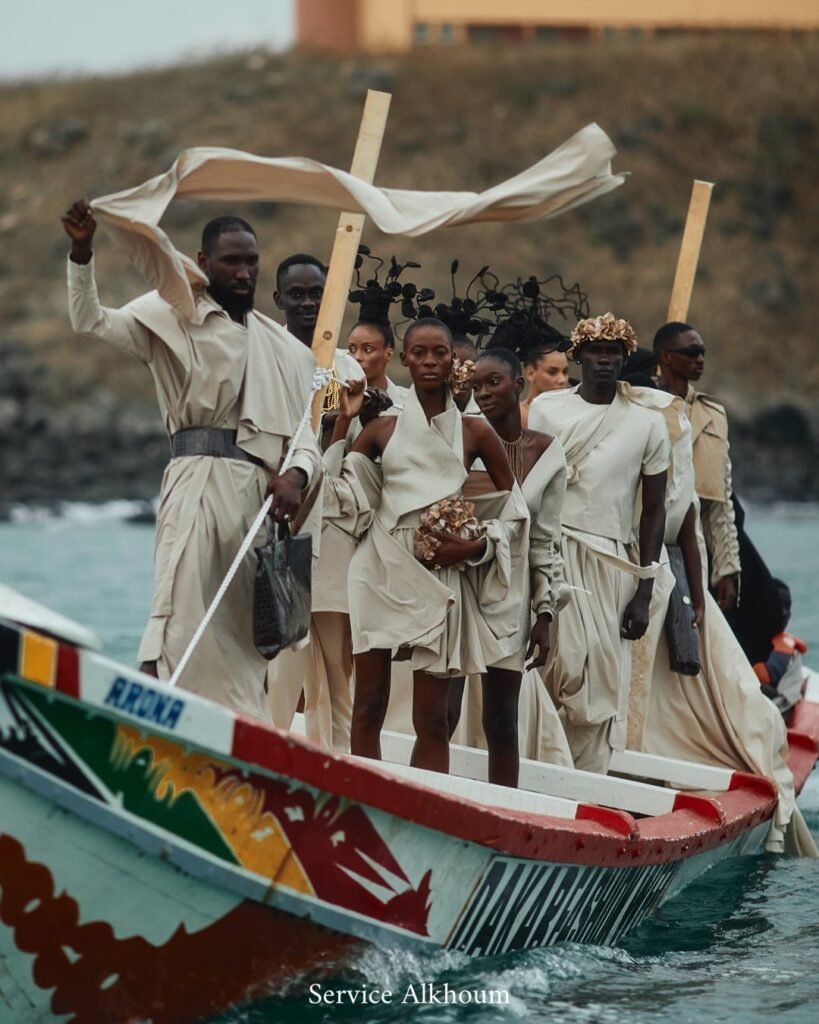
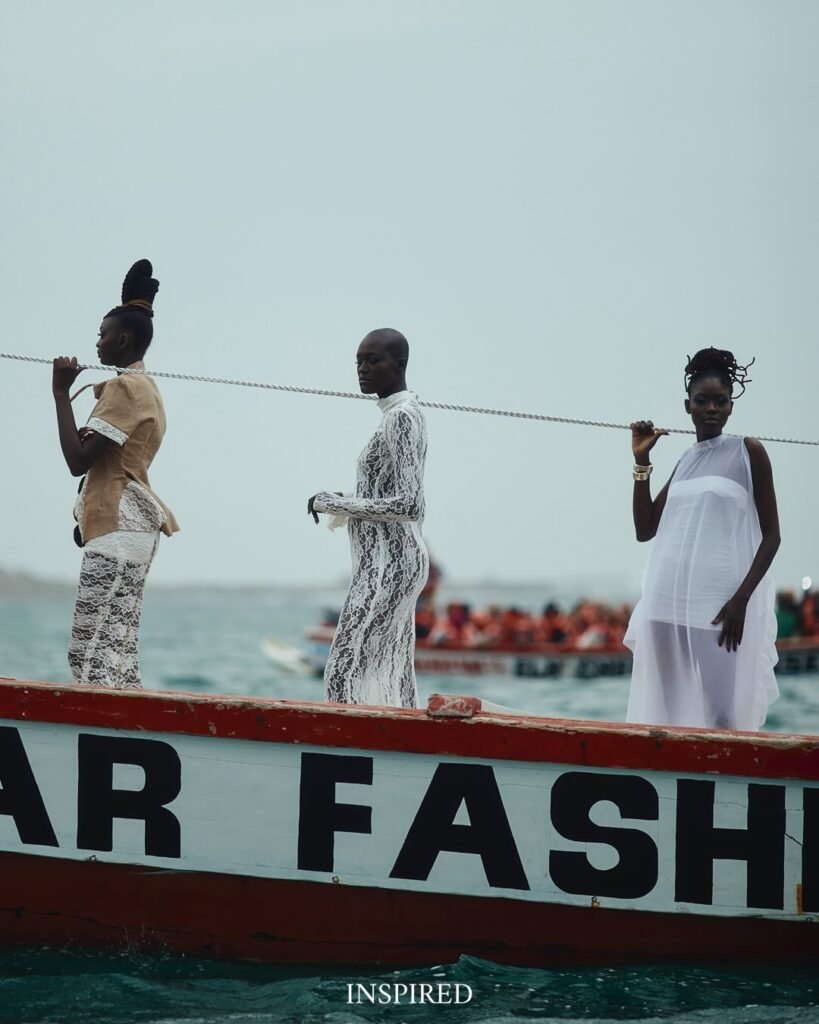
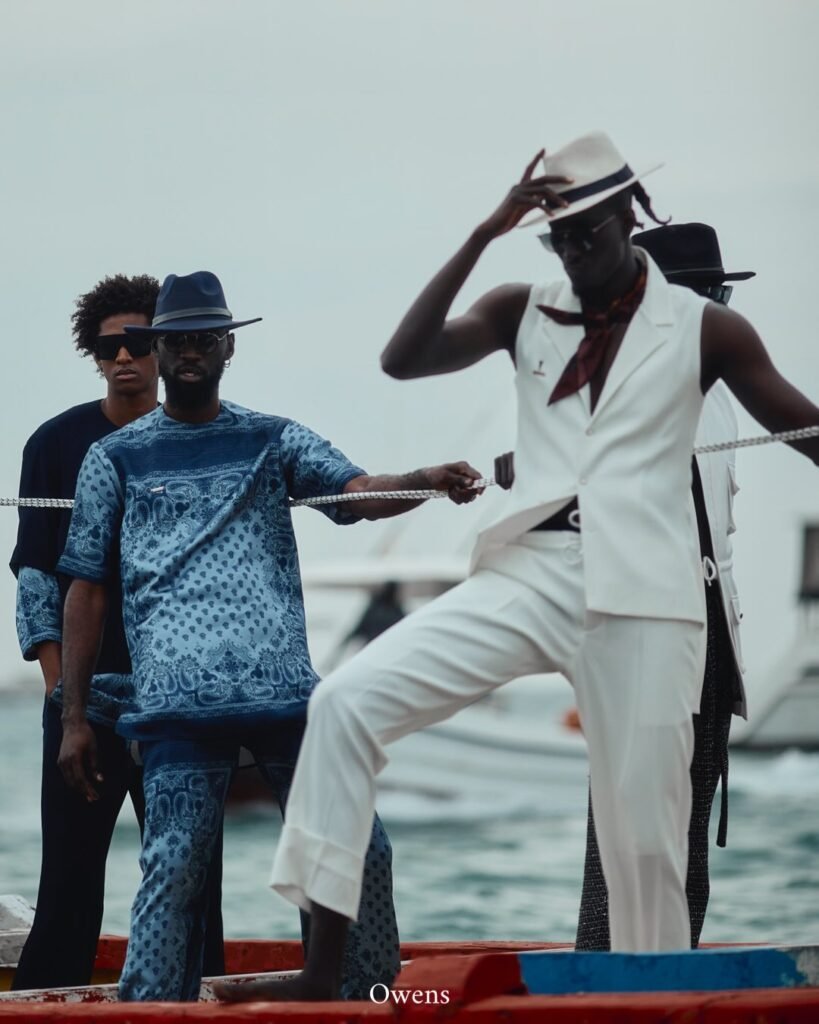
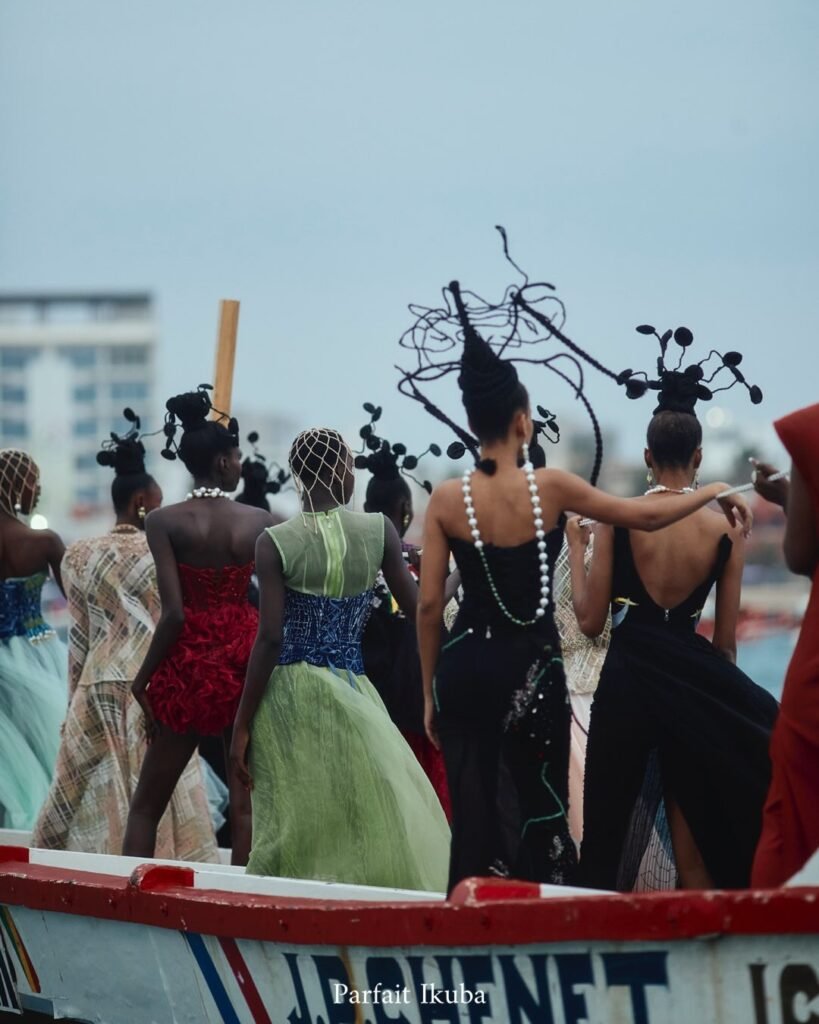
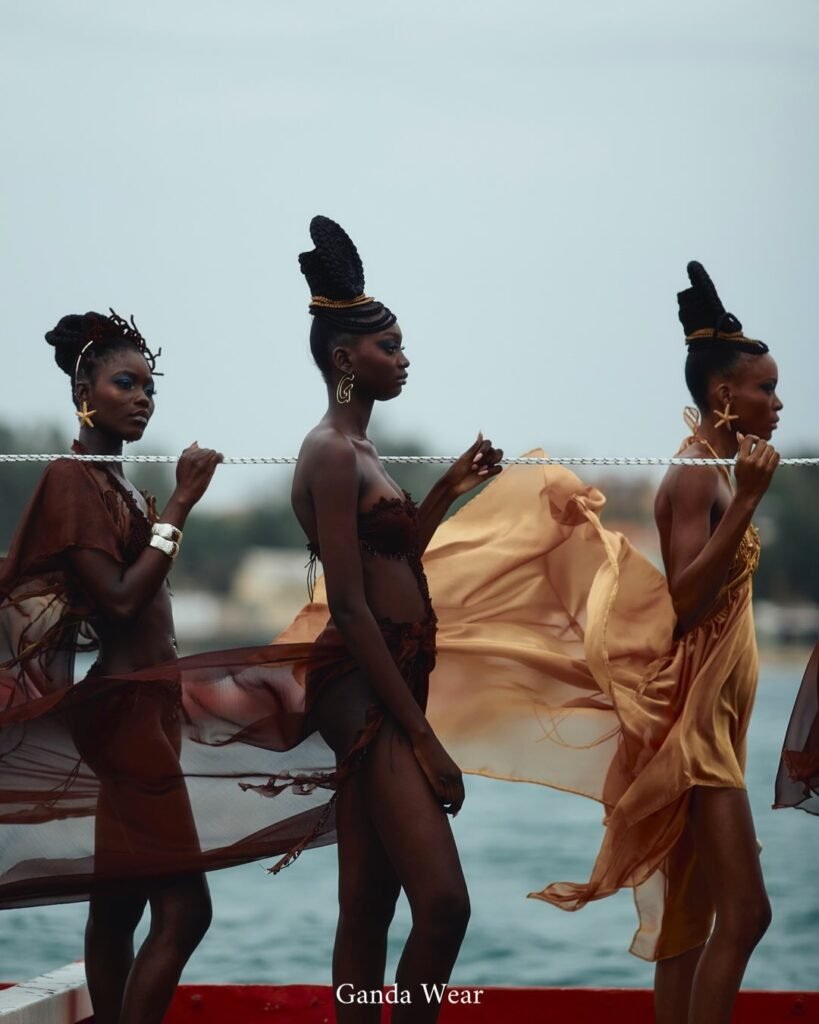
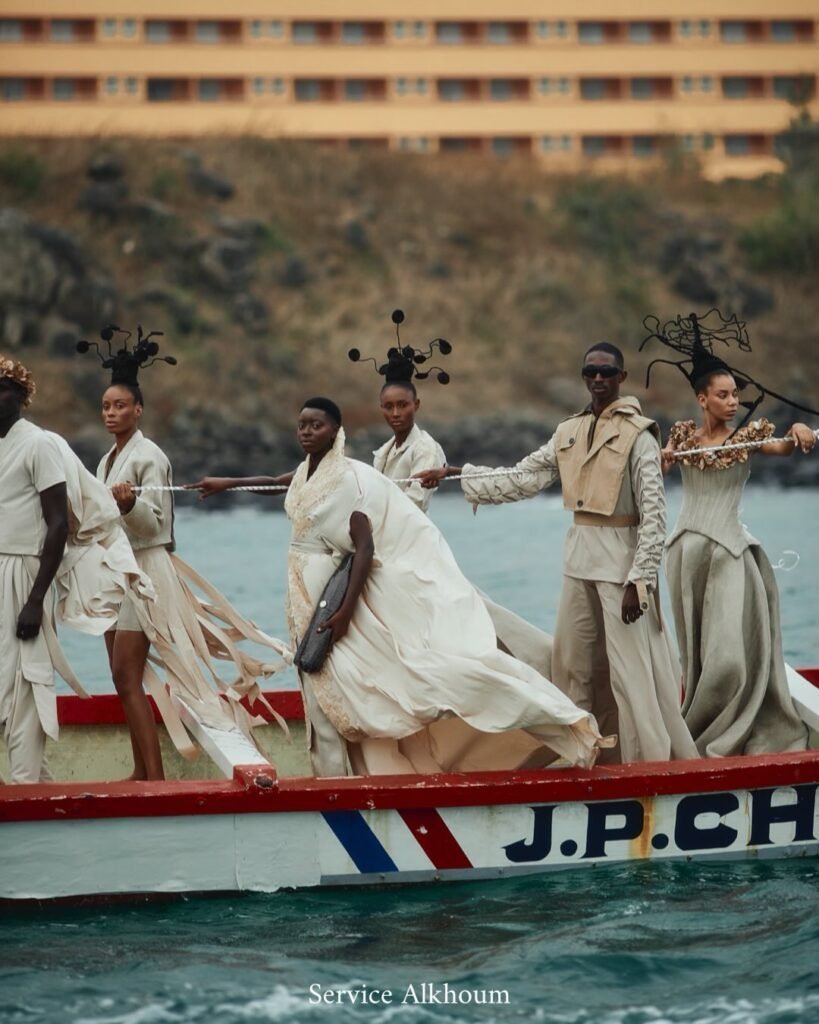
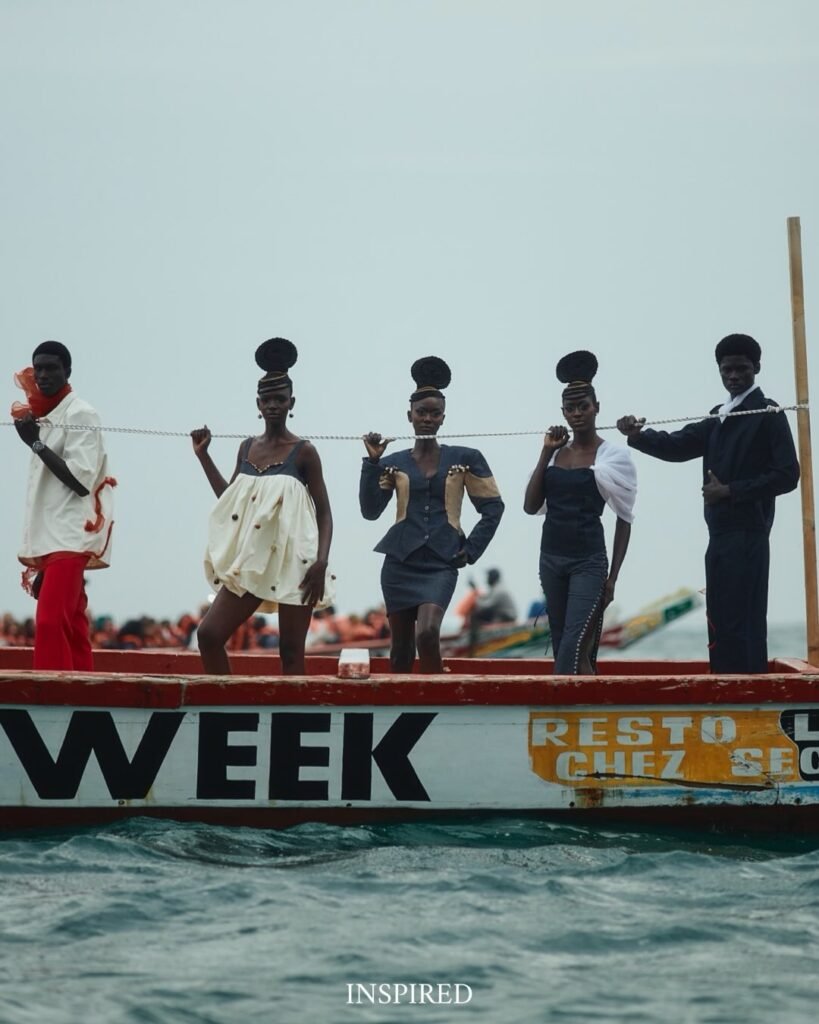
Dakar Fashion Week on Saturday transformed the Atlantic Ocean into an open-air catwalk, as models showcased new collections from the decks of fishing boats off the coast of Senegal’s capital, blending fashion, culture and the rhythms of the sea.
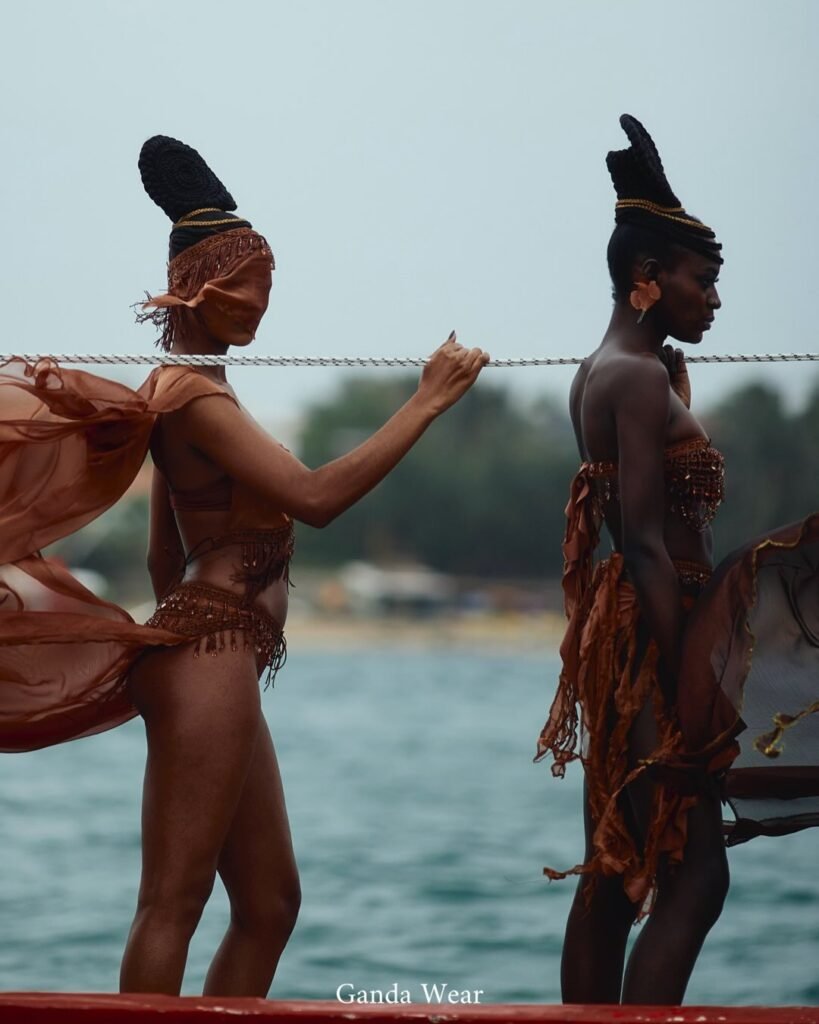
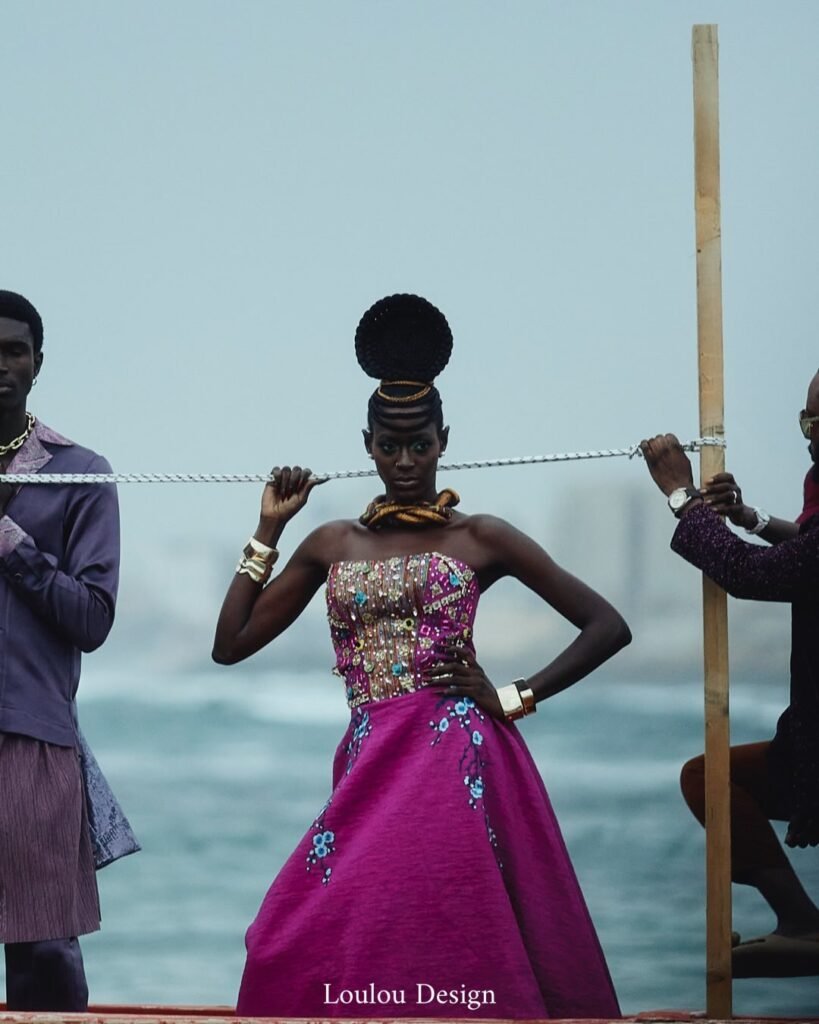
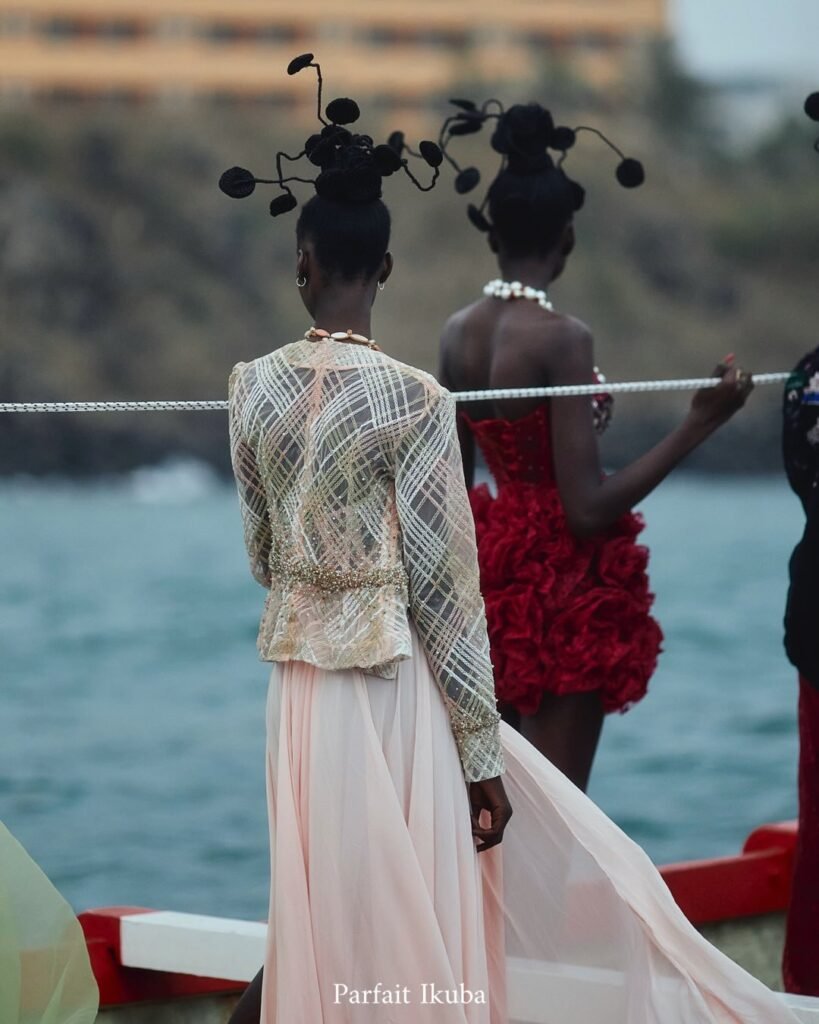
Balancing on ropes as waves rocked the small vessels, the models presented designs in a setting that was both dramatic and playful. The unconventional runway drew spectators onto nearby boats, creating a floating audience and giving the show an immersive, almost theatrical quality.
The ocean display marked the 23rd edition of Dakar Fashion Week, an influential festival founded in 2002 by Senegalese designer Adama Paris to promote African fashion on the global stage. This year’s theme—using the ocean as a stage—pushed creative boundaries while highlighting Dakar’s close historical and cultural ties to the sea.
Dakar has long been regarded as a hub of African style, supported by a deep-rooted textile tradition and a vibrant arts culture that influences fashion across West Africa. Designers and creatives say the annual event continues to raise international visibility for African labels, offering a platform that blends heritage with innovation.
Attendees described the boat runway as a bold departure from convention. Some visitors, including fashion professionals returning from Europe and North America, said the maritime setting underscored the confidence and originality of African fashion, turning a familiar natural landscape into a powerful creative statement.
As Dakar Fashion Week continues to evolve, this year’s ocean runway reinforced its reputation for experimentation and cultural storytelling—positioning African fashion not just on traditional stages, but in spaces that reflect its identity, resilience and global ambition.
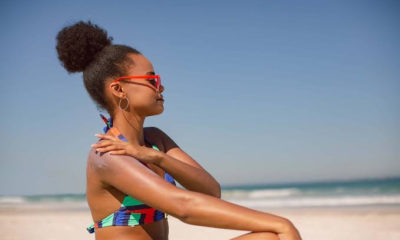
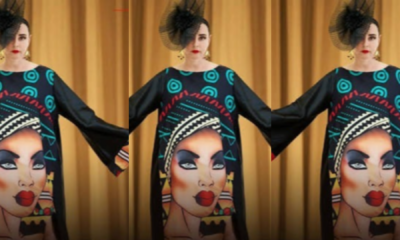
Watch some photos from the spectacular event below:











Fashion & Style
Wyclef Jean Gives Ghanaian Kaftan a Global Spotlight After ‘Chineke’ Fashion Inspiration

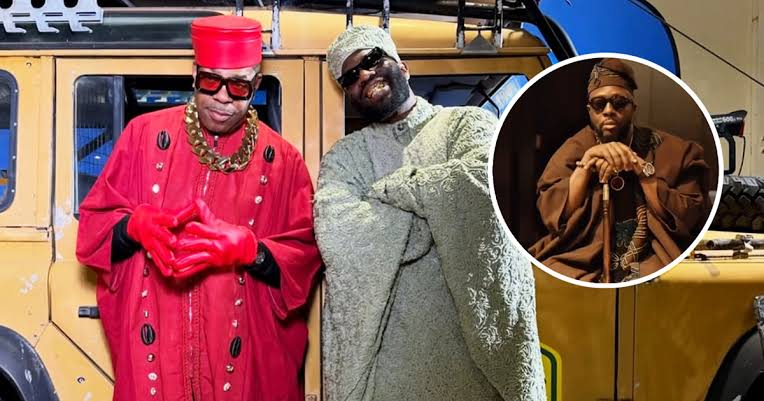
Wyclef Jean is making a statement in African fashion, proving that a striking outfit can carry a message far beyond appearance.
The Grammy-winning musician has showcased an embroidered Ghanaian kaftan inspired by the regal traditional looks worn by Busta Rhymes and Tobe Nwigwe in their Chineke music video, bringing Ghanaian craftsmanship and cultural symbolism into an international fashion conversation.
The chocolate-brown ensemble features intricate cream embroidery, green detailing and a flowing silhouette, complemented by dark sunglasses and a statement pendant necklace.
A particularly meaningful detail is the Gye Nyame Adinkra symbol embroidered on the upper right arm. Representing the supremacy of God, the symbol is widely recognised in Ghana and gives the outfit a distinct cultural identity.
While the Chineke video draws on Yoruba Nigerian traditional styling, Wyclef’s interpretation highlights Ghanaian fashion through the decorated kaftan.
The distinction illustrates how African-inspired fashion can travel across borders while retaining connections to individual cultural traditions.
Known for his work with the Fugees and solo hits such as Gone Till November, Wyclef has long occupied a space where music, personal expression and cultural identity intersect. This latest fashion moment continues that conversation.
The inspiration comes from CHINEKE, the collaboration between Nigerian-American rapper Tobe Nwigwe and hip-hop legend Busta Rhymes, released on October 9 as the opening track of Nwigwe’s album The Bridge. Its visual presentation celebrates heritage through bold styling and imagery.
Wyclef also paired his outfit reveal with a reflection on freedom, writing: “Freedom is using the present to rewrite the future that the past tried to steal from us.”
By choosing a Ghanaian kaftan, Wyclef turns a fashion reference into something more personal: a statement about heritage, creative freedom and the power of African style to speak to the world.
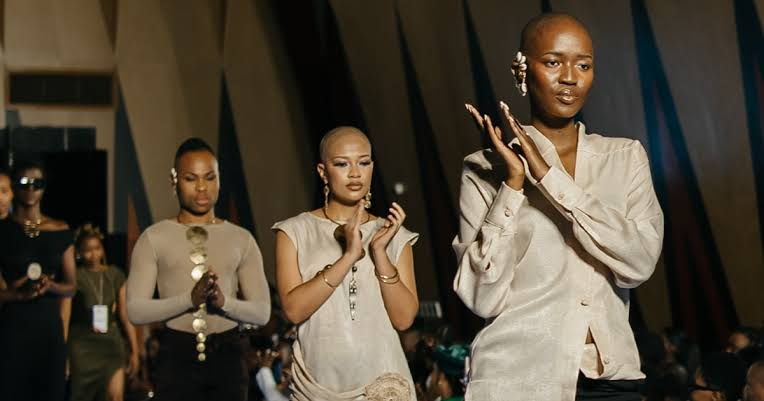
African fashion made a statement in Maputo, Mozambique, where Fancy Africa 2026 celebrated a decade of creativity with a message that reached beyond the runway: cultural identity deserves both recognition and commercial opportunity.
Held from 28 September to 3 October at the Centro Cultural Moçambique-China, the event brought together designers, models and industry professionals under the anniversary theme, “Ubuntu: Temos História. Somos Cultura. Africa Rise” — a celebration of shared history, culture and African progress.
But the 10th-anniversary edition was about more than spectacular clothing. Founder and creative director King Levi Dapper positioned Fancy Africa as a meeting point for fashion, education, entrepreneurship and cultural exchange.
The programme opened with a two-day summit featuring workshops, masterclasses, networking and a hackathon, followed by a cultural day and three days of fashion shows.
Pop-up stores, exhibitions and the Fancy Bazaar gave visitors additional opportunities to engage with African creativity.
One of the event’s most significant developments was the Digital Fancy Store, which enabled participating designers to promote collections and begin selling before the shows. Under the announced arrangement, designers receive 85 per cent of each sale, while the platform retains a 15 per cent commission.
That commercial focus matters in an industry where talented African designers can attract attention without always having the infrastructure to turn recognition into sustainable income.
The Fancy Africa Awards extended the celebration to modelling, with South African model Tsebo Phasha, 36, winning Model of the Year through public voting.
With support from Vodacom as connectivity sponsor and Sir Motors as mobility partner, the event also highlighted the partnerships needed to grow the creative economy.
As Fancy Africa enters its second decade, its ambition is clear: African fashion should not simply inspire audiences on the catwalk. It should build businesses, create opportunities and carry the continent’s stories into international markets.
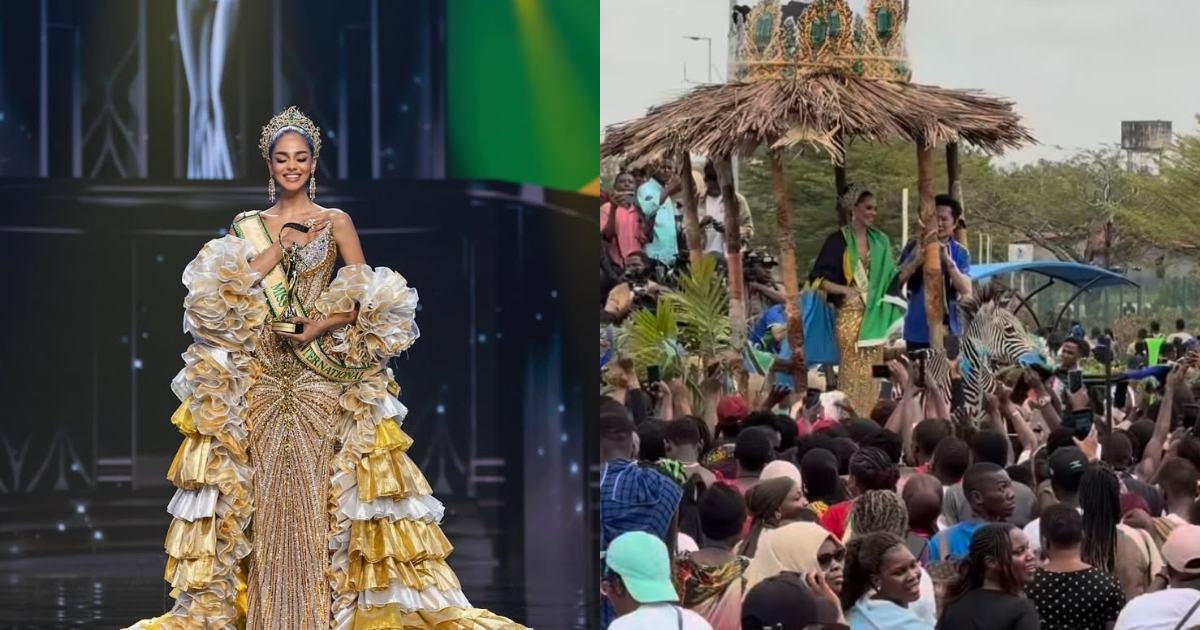
A crown can win a competition, but the welcome waiting at home can turn a victory into a national statement.
For Jihan Dimack, Tanzania’s newly crowned Miss Grand International 2026 queen, that moment arrived with cheering fans, a motorcade and a spectacular water salute at Julius Nyerere International Airport in Dar es Salaam.
The extraordinary reception transformed her return into a celebration of beauty, ambition and national identity.
As airport fire engines sent arcs of water over the arriving aircraft, the ceremonial gesture offered a striking welcome for a woman whose pageant achievement has captured the imagination of supporters across Tanzania.
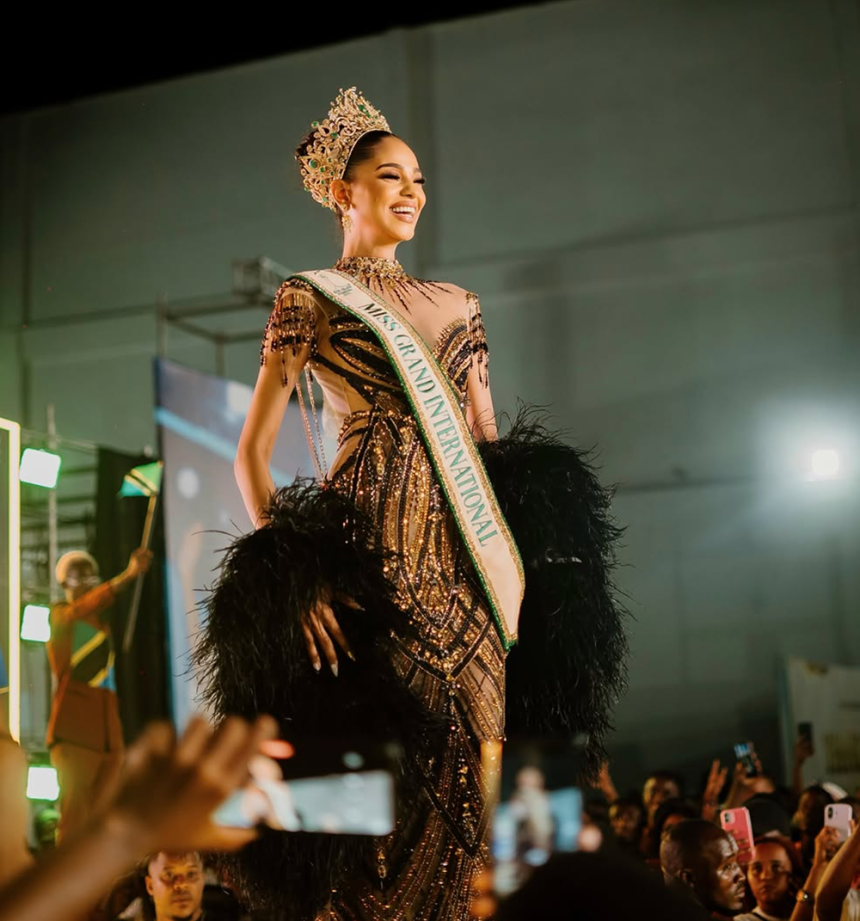
For the fashion world, Dimack’s homecoming highlights how beauty queens can become powerful cultural ambassadors.
Their influence extends beyond evening gowns, carefully styled hair and the confidence required to command an international runway.
Through their public appearances, they also represent their countries, carrying national pride into spaces where fashion, entertainment and cultural identity meet.
The motorcade and enthusiastic airport crowds gave Dimack a different kind of runway: one shaped not by judges or stage lights, but by the people celebrating her success.
The occasion demonstrated how pageantry can create a shared moment of excitement, connecting the glamour of international competition with the emotions of home.
Her achievement also offers an encouraging image for young African women who aspire to enter fashion, modelling and other creative industries.
A crown can open doors, but the visibility that comes with it can create opportunities to influence conversations about representation, confidence and ambition.
“Karibu nyumbani, Queen Jihan!” — welcome home, Queen Jihan!
With Tanzania embracing its returning queen, Dimack’s story shows that the most memorable fashion moments are not always about what a woman wears.
Sometimes, they are about what she represents when she comes home.


Funding Fears Loom For Ghana’s Life-Saving Malaria Vaccine Five Years After Roll Out

‘There was a Coordinated Disclosure Plan’: AI-Discovered Flaw in PHP Triggers Global Internet Chaos as Cybercriminals Race to Exploit It
