
Homes & Real Estate
Building Up, Not Out: The Architectural Shifts Transforming Ghana’s Real Estate Market

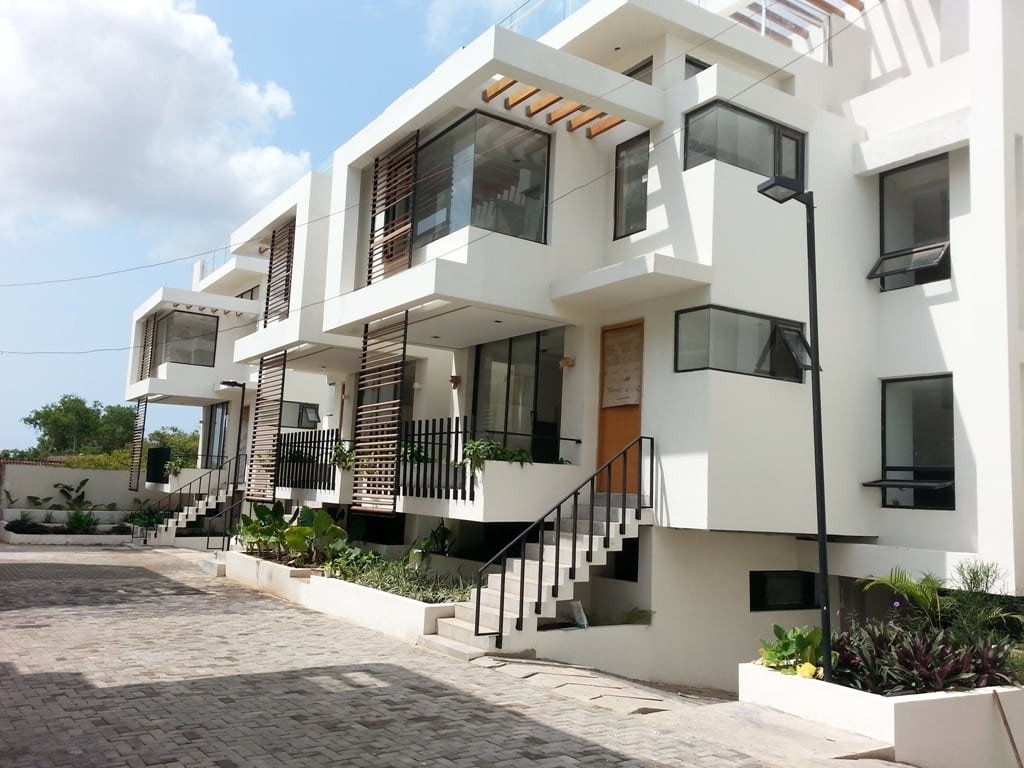
Walk through many of Accra’s older neighbourhoods, and you’ll still find compound houses tucked behind busy streets. Built around shared courtyards, these homes once reflected the heart of Ghanaian family life, bringing generations together under one roof.
Today, however, the country’s growing cities are telling a different story. Rising land prices, changing lifestyles and new construction technologies are reshaping what it means to own a home in Ghana.
The evolution of Ghanaian housing is no longer just about architecture—it is about how people live, invest and plan for the future.
Urban Growth Is Changing the Blueprint
Accra’s rapid expansion has placed enormous pressure on available land. As property values continue to rise in established neighbourhoods, developers are increasingly building upwards instead of outwards. Multi-storey townhomes and apartment developments have become practical alternatives to the sprawling compounds that once dominated residential communities.
This vertical approach allows developers to maximise limited urban land while preserving space for parking, landscaping and shared amenities. For buyers, it also creates more opportunities to own property in desirable locations that might otherwise be beyond reach.
At the same time, many traditional compound houses have been subdivided into smaller rental units, reflecting both Ghana’s growing housing demand and the affordability challenges facing many urban residents.
Modern Materials Are Redefining Ghanaian Homes
The transformation extends beyond floor plans. Materials and finishes that were once considered luxury features have steadily become part of mainstream residential construction.
Glass sliding windows have largely replaced traditional louvre blades, offering improved security, insulation and contemporary aesthetics. Heavy concrete roof tiles are giving way to lighter aluminium roofing sheets that reduce construction costs while remaining durable. Imported steel security doors have also become standard in many new developments, reflecting homeowners’ growing focus on safety and long-term value.
These architectural choices demonstrate how Ghana’s housing sector continues to blend international design influences with local construction needs.
Rediscovering Sustainable Building Traditions
While modern materials dominate many new developments, there is renewed interest in Ghana’s indigenous building resources. Timber, bamboo and clay have long played important roles in the country’s vernacular architecture, with each ecological zone developing construction methods suited to its environment.
Bamboo, in particular, is attracting attention as a renewable building material. Fast-growing, lightweight and durable, it offers an environmentally responsible alternative for selected structural and finishing applications. Combined with locally sourced clay and laterite, these materials present opportunities for more sustainable housing while reducing dependence on imported products.
As Ghana continues to face a significant housing shortage, embracing locally available resources could lower construction costs and support greener urban development.
Building Homes for the Next Generation
Ghana’s housing landscape is evolving alongside its economy and growing population. Today’s homes are expected to balance security, efficiency, sustainability and modern design while remaining practical investments.
For homebuyers and property investors alike, understanding these architectural shifts provides valuable insight into where the market is heading. The homes shaping Ghana’s future are not abandoning tradition—they are adapting it, combining cultural identity with innovation to meet the demands of a rapidly changing nation.










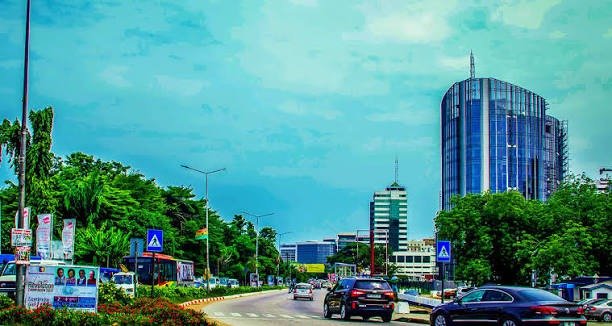
Getting the keys to a new home is a dream for many Ghanaians, but the real financial test begins long after the purchase agreement is signed.
With property ownership requiring a commitment that can stretch across decades, buyers need to look beyond the advertised price and understand the full cost of keeping a home.
1. Can You Afford the Purchase?
Whether paying outright or through a mortgage, buyers must assess their deposit, monthly repayments and borrowing costs.
A 20 per cent deposit is a useful planning benchmark, although actual requirements vary by lender and mortgage product.
Monthly housing payments should also leave room for food, transport, savings and other essential expenses.
2. What Will Ownership Cost Every Month?
The purchase price is only the beginning. Furnishings, repairs, utilities, security, waste collection and estate management fees can add significantly to household expenditure.
In Ghana, a property farther from work may also increase fuel or commuting costs, making location an important part of affordability.
3. Will Other Financial Goals Suffer?
A home purchase should not automatically derail retirement savings, business plans, education expenses or existing debt repayments.
Buyers also need an emergency fund for unexpected repairs and periods when income falls short.
4. How Reliable Is Your Income?
A mortgage that feels manageable during a good financial year can become stressful when earnings decline.
Salaried workers and people earning through contracts or businesses should assess income stability and whether they could maintain payments during a difficult period.
5. Does the Property Make Long-Term Sense?
Location, construction quality, infrastructure and future development can influence a property’s appeal and resale value.
However, appreciation is never guaranteed. Buyers should also investigate ownership documents, planning approvals and the surrounding area’s development prospects before committing.
A Purchase That Protects Your Future
In Ghana’s property market, buying wisely means balancing the desire for homeownership with financial resilience.
The best purchase is not necessarily the biggest or most expensive house, but one that provides security without placing the owner’s wider financial future at risk.

Buying an apartment is a major milestone, but turning it into a comfortable home requires more than attractive furniture.
As apartment living becomes an important part of Ghana’s urban housing landscape, thoughtful interior design can help homeowners maximise limited space, improve everyday living and protect the appeal of their property.
For buyers moving into developments such as Devtraco Plus, the challenge often begins after receiving the keys: deciding what goes where without sacrificing comfort or functionality.
Making Every Space Work
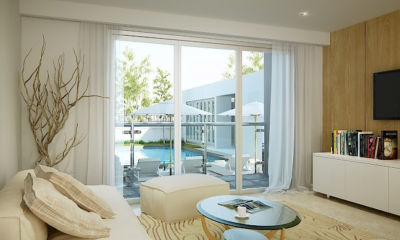
The living room sets the tone for a home. Keeping entrances clear and allowing sufficient room to move around makes the space welcoming, particularly when entertaining friends and relatives.
Neutral wall colours, complemented by colourful cushions, rugs and artwork, can create an inviting atmosphere without overwhelming the room.
In the dining area, furniture should encourage conversation rather than crowd diners together. Carefully positioned lighting and a modest centrepiece can make even a compact dining space feel considered and elegant.
Practical Design for Everyday Living
The kitchen demands particular attention because clutter can interfere with cooking and cleaning. Grouping utensils by purpose, keeping frequently used items accessible and storing flammable materials safely away from the stove help create a more efficient environment.
Bedrooms benefit from a different approach. Limiting unnecessary furniture, reducing clutter and choosing calming colours can support rest and relaxation. In bathrooms, secure, slip-resistant mats and simple storage organisers combine safety with a cleaner appearance.
Design That Supports Property Value
In Ghana’s urban housing market, where buyers weigh affordability, location and long-term value, a well-maintained interior can strengthen a property’s overall appeal. Thoughtful design does not necessarily require expensive renovations; practical furniture placement, good lighting and consistent upkeep can make a meaningful difference.
For homeowners, the objective is to create a space that reflects personal taste while remaining functional and easy to maintain. For prospective buyers and investors, these details can influence how a property feels during a viewing.
Ultimately, a successful home is not defined by its size or the price of its furnishings, but by how intelligently its spaces serve the people who live there.
Homes & Real Estate
Building Smarter in Ghana: Could Plastic Rebar Clips Improve Construction Efficiency?
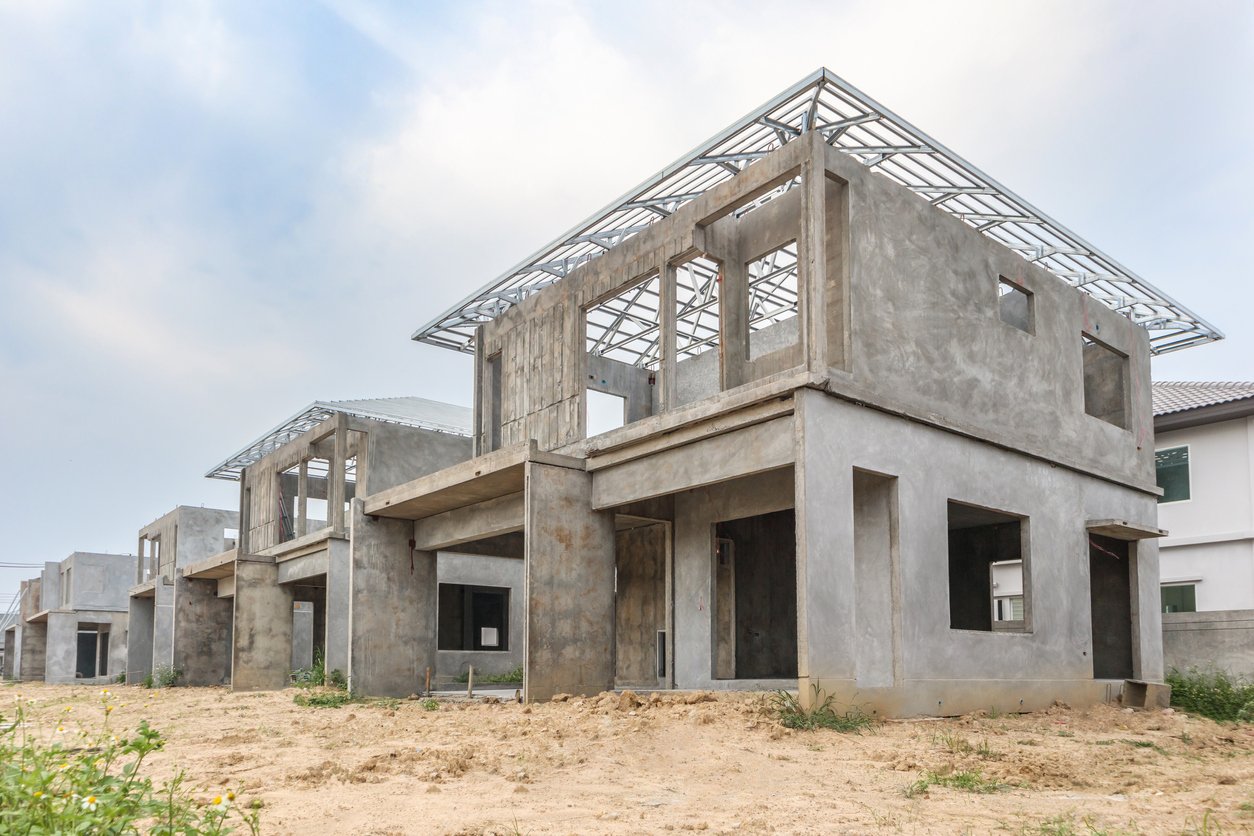
In construction, a small innovation can make a significant difference to the time, labour and money required to complete a building.
In Ghana, where developers and homeowners closely monitor construction costs, replacing traditional reinforcement binding wire with plastic rebar clips could offer an alternative worth considering.
Rethinking How Buildings Are Reinforced
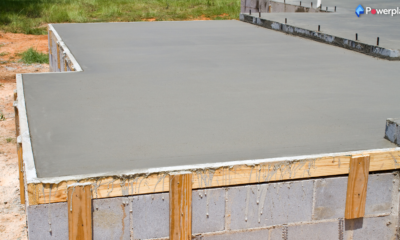
Before concrete is poured for a floor slab, columns or beams, steel reinforcement bars must be positioned and secured to create a stable framework.
Traditionally, workers use binding wire, twisting it around intersecting bars with pliers to hold them in place.
The method is flexible, allowing workers to adjust angles and accommodate different reinforcement layouts. However, tying numerous intersections by hand can be labour-intensive, adding hours of work to construction projects.
Plastic rebar clips offer a different approach. Designed to secure reinforcement bars at predetermined angles, they can help workers assemble consistent grids more quickly.
Depending on the product, installation may require a specialised tool, potentially introducing additional equipment costs.
Weighing Efficiency Against Flexibility
For Ghanaian property developers managing apartment blocks, commercial buildings or housing estates, reducing repetitive manual work could improve productivity and help construction teams meet project schedules.
Individual homeowners building incrementally may also benefit from methods that reduce labour requirements, provided the overall costs make sense.
Yet the clips are not a universal replacement for binding wire. Their fixed geometry may limit adjustments where reinforcement layouts require unusual angles or site-specific modifications.
Product quality, durability, compatibility with the reinforcement design and installation requirements must also be assessed.
Importantly, plastic clips do not automatically guarantee adequate concrete cover. The correct spacers and approved construction methods must still be used to maintain the required distance between steel reinforcement and the concrete surface.
Innovation Must Serve the Building
For Ghana’s construction sector, the lesson is straightforward: innovation should be judged by performance, safety and total project cost, not novelty alone.
The smartest building method is the one that saves time without compromising structural integrity.


Funding Fears Loom For Ghana’s Life-Saving Malaria Vaccine Five Years After Roll Out

‘There was a Coordinated Disclosure Plan’: AI-Discovered Flaw in PHP Triggers Global Internet Chaos as Cybercriminals Race to Exploit It

Yandex Strikes: Can Moscow Host Africa Under Drone Threat?
-

 Ghana News1 day ago
Major Sexual Abuse Scandal Rocks Ghana High School: Obuasi School Headmaster Sues Journalist for GH¢2 Million as Investigation Into Alleged Misconduct Widens
-

 Reels & Social Media Highlights2 days ago
Ghana’s Digital Heartbeat: Outrage, Satire, and the Fight for Accountability
-

 Festivals & Events1 day ago
Compozers Fest Ghana Edition: Welcoming 2027 with Music in Accra
-
 Taste GH1 day ago
Airport Residential Area: Where Accra’s Dining Scene Meets Global Flavours
-

 Health & Wellness2 days ago
Four Everyday Lifestyle Habits That Can Make Weight Loss Easier
-

 Health & Wellness1 day ago
Why Keeping Weight Off Can Be Harder Than Losing It
-

 Arts and GH Heritage2 days ago
When Second-Hand Clothes Become a Playground for Community
-
 Opinion1 day ago
Yandex Strikes: Can Moscow Host Africa Under Drone Threat?