
Taste GH
Soft, Satisfying, and Deeply Rooted: Discover the Comfort of Tuo Zaafi

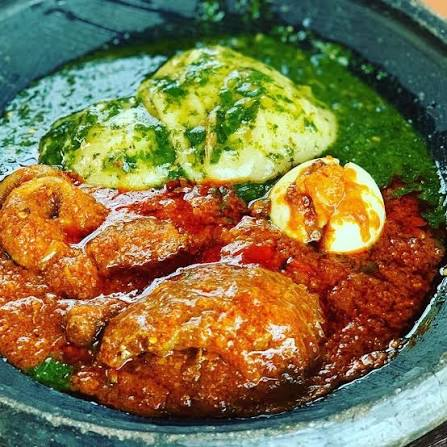
Some dishes do more than satisfy hunger—they tell the story of a people.
In northern Ghana, Tuo Zaafi, affectionately known as TZ, is one such meal, bringing together tradition, nourishment, and a sense of home in every serving.
Prepared from millet or maize flour, Tuo Zaafi has a remarkably smooth, velvety texture that sets it apart from many staple foods across West Africa.
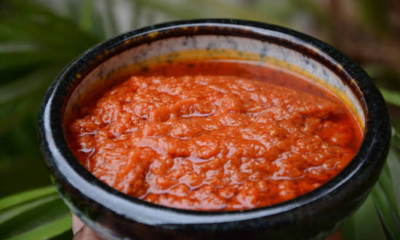
It is carefully stirred over heat until it reaches a soft consistency, making it ideal for soaking up the rich flavours of the soups it accompanies.
The true magic of TZ lies in what surrounds it. It is most commonly paired with a vibrant green soup made from fresh leafy vegetables such as ayoyo or alefu, often enriched with local spices, tomatoes, onions, and sometimes tender cuts of beef, goat, fish, or guinea fowl.
The result is a meal that is earthy, savoury, and deeply comforting. Each spoonful balances the mild taste of the TZ with the fragrant, slightly slippery texture of the greens, creating a combination that generations of Ghanaians have cherished.
Beyond its flavour, Tuo Zaafi reflects the agricultural heritage of northern Ghana, where millet and maize have sustained communities for centuries. The dish frequently appears at family gatherings, celebrations, and everyday meals, symbolising hospitality and togetherness. Visitors to the region quickly discover that sharing a bowl of TZ is often an invitation into local culture as much as it is an invitation to dine.
Its nutritional appeal adds to its enduring popularity. Millet is naturally rich in fibre and essential minerals, while the leafy soup provides vitamins and antioxidants, making the meal both hearty and wholesome.
For travellers eager to understand Ghana through its cuisine, Tuo Zaafi offers an authentic taste of the north—simple in appearance, generous in flavour, and deeply woven into the country’s culinary identity.






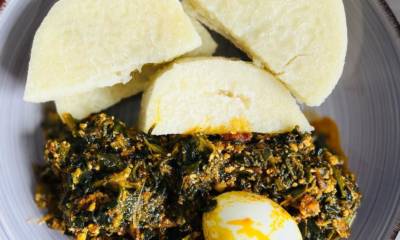




From rooftop cocktails above the city to comforting Ghanaian favourites delivered to your door, this Accra neighbourhood offers plenty of ways to satisfy a good appetite.
In Airport Residential Area, a good meal can come with a view of Accra’s skyline, the aroma of freshly grilled meat or the comforting taste of a familiar Ghanaian dish after a long day.
Located close to Kotoka International Airport, this sought-after neighbourhood combines residential convenience with easy access to shopping centres, hotels and restaurants.
For residents and visitors alike, its dining scene offers an appealing reason to explore beyond the usual commute.
Dining Above the City
One of the area’s most recognisable attractions is Skybar, located in the ICON House building, widely known for its elevated views across Accra.
The experience brings together food, drinks and the spectacle of the city from above, making it an appealing choice for evening outings, social gatherings and special occasions.
Yet the neighbourhood’s food appeal extends beyond rooftop dining and international menus. Accra’s culinary character is also shaped by the everyday dishes that bring people together.
Ghanaian Comfort on the Menu
For those seeking local flavours, Ghanaian favourites offer a satisfying introduction to the country’s food culture. Jollof rice, fragrant with tomatoes, spices and peppers, remains a popular choice, while waakye combines rice and beans with accompaniments such as fish, boiled eggs, spaghetti and spicy shito.
Grilled tilapia with banku delivers smoky aromas and a satisfying contrast between tender fish and fermented corn-and-cassava dough. For something lighter, fresh fruit and vegetable dishes can provide welcome balance.
These foods carry cultural significance beyond the plate, connecting diners to family traditions, street-food vendors and the everyday rhythms of Ghanaian life.
Convenience Without Compromising Taste
When cooking feels like too much effort, food delivery services offer another way to enjoy Accra’s diverse menus, from local staples to international cuisine.
Airport Residential Area’s appeal lies in this flexibility: whether dining out or ordering in, there is room to experience Ghana through its flavours.
In Accra, a single day of eating can take you from the warmth of Indian spices to the delicate flavours of Chinese cuisine, with Mexican tacos or Ethiopian dishes waiting around the corner.
Ghana’s capital has developed an international dining scene that reflects its growing connections with communities and cultures from across the world.
A taste of India and China
Indian cuisine has found a lasting home in Accra, supported by longstanding ties between Ghana and India. Across the city, Indian restaurants introduce diners to aromatic curries, fragrant rice dishes, freshly baked flatbreads and spice-rich sauces.

The appeal lies in the layers of flavour, from warming ginger and cumin to the gentle heat of chilli.
Chinese cuisine also has a strong presence. Beyond familiar stir-fries and noodle dishes, adventurous diners can explore traditional Chinese breakfast foods, which may include congee, steamed buns, dumplings and savoury pancakes. These meals offer a glimpse into everyday food traditions that differ from the usual restaurant favourites.
Accra’s international offerings extend to Mexican, Spanish and Ethiopian food, giving residents and visitors opportunities to experience different culinary traditions without leaving the city.
Vegetarian dining finds its place
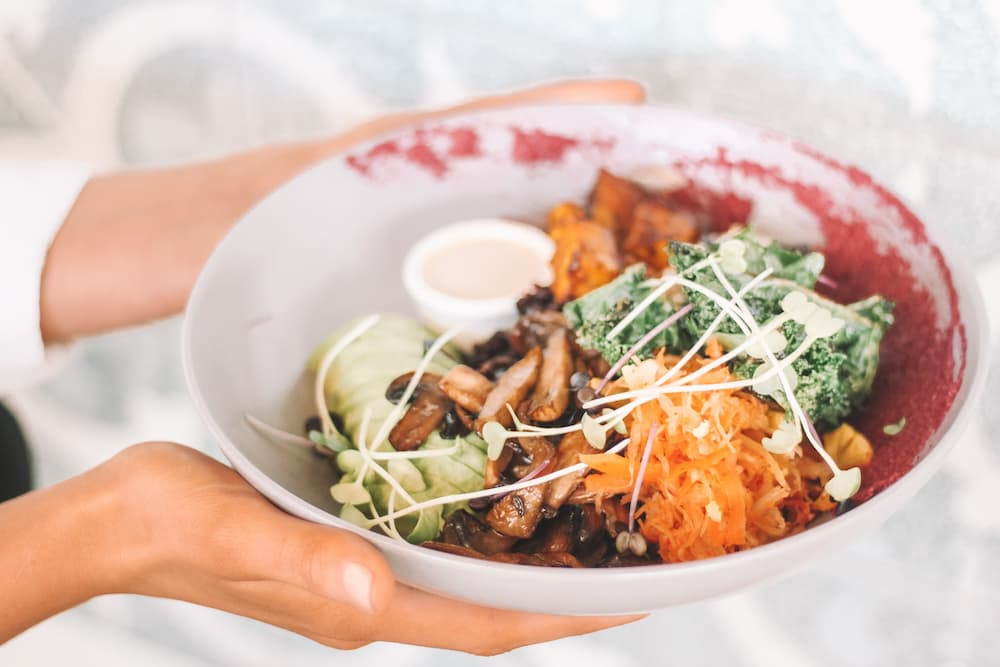
For vegetarians and vegans, Accra is becoming easier to navigate. Although meat features prominently in many Ghanaian meals, plant-based diners can explore vegetarian-friendly restaurants and ask about meat-free adaptations of familiar dishes.
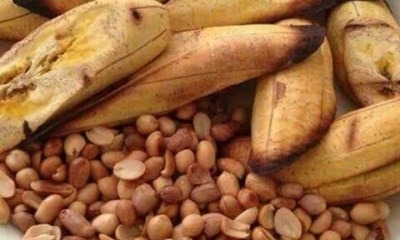
Ghanaian cuisine itself offers plenty of possibilities, including red-red, made with beans and often served with fried plantain, as well as kontomire stew and vegetable-based soups. Ingredients and preparation methods vary, so diners following strict vegan diets should check whether dishes contain fish, meat stock or other animal products.
A city best explored through food
For international visitors, Accra’s restaurants provide a delicious introduction to the city’s global connections. For residents, they offer opportunities to discover new flavours and revisit familiar favourites.
Whether you crave a fiery curry, a comforting bowl of congee or a satisfying plant-based meal, Accra’s dining scene invites you to travel through food, one plate at a time.
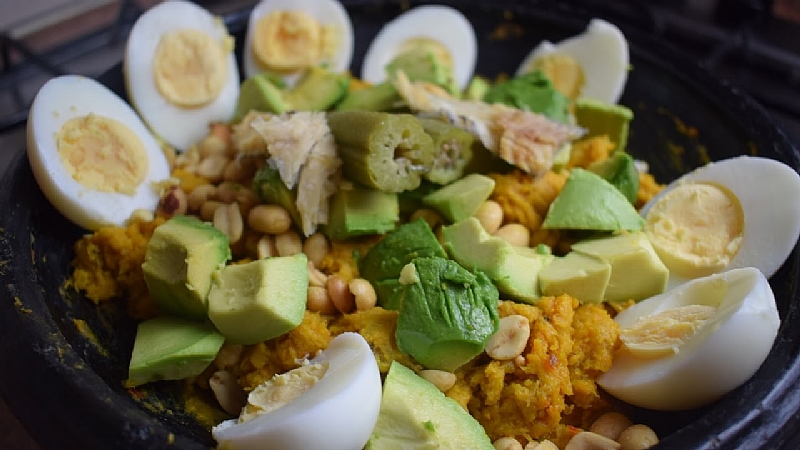
Few dishes bring together simplicity, nourishment and cultural meaning quite like oto, the Ghanaian yam dish whose golden-red colour and rich aroma make it a memorable part of traditional cooking.
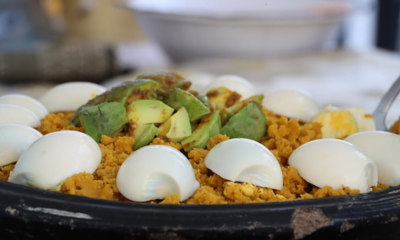
Popular among the Akan people, oto is made primarily from boiled yam mashed with palm oil, onions and seasonings, then commonly served with hard-boiled eggs.
It is particularly associated with important cultural occasions, including traditional celebrations and ceremonies, where food carries meaning beyond satisfying hunger.
Yam, often regarded as one of Ghana’s most treasured crops, represents abundance and prosperity in many communities. Its importance is celebrated during harvest festivals, including the Homowo and Asogli festivals’ wider cultural calendar of agricultural traditions, while yam harvest celebrations are especially prominent among several Ghanaian communities.
For many households, the crop remains a dependable source of energy and a familiar presence at the family table.
Preparing oto begins with peeling and boiling yam until tender. The yam is then mashed and combined with palm oil, which lends the dish its distinctive colour and earthy richness.
Gently sautéed onions add sweetness, while ginger, garlic and hot pepper can introduce warmth and depth. Hard-boiled eggs provide a satisfying contrast to the soft, smooth yam.
Recipes vary according to household preference and local ingredients. Some cooks experiment with garden eggs or other vegetables, while coastal variations may include seafood. These adaptations demonstrate how Ghanaian food traditions remain flexible without losing their familiar character.
Oto also offers nutritional value. Yam supplies carbohydrates for energy, while eggs contribute protein and important nutrients. Palm oil provides fat and contains carotenoids, although its saturated fat content makes moderation worthwhile.
Whether prepared for a special occasion or enjoyed at home, oto celebrates the ingenuity of Ghanaian cooking: turning everyday ingredients into a dish rich in flavour, nourishment and cultural memory.


Funding Fears Loom For Ghana’s Life-Saving Malaria Vaccine Five Years After Roll Out

‘There was a Coordinated Disclosure Plan’: AI-Discovered Flaw in PHP Triggers Global Internet Chaos as Cybercriminals Race to Exploit It
