
Uncategorized
U.S. Tourist Who Alleged Police Officers Kidnapped, Robbed Her Leaves Ghana As Authorities Launch Probe Into Her Wild Claim: ‘We Take This Seriously’


The Ghana Police Service has launched a full-scale investigation after a viral TikTok video by an American tourist alleging she was kidnapped and robbed by masked officers during a night out in Accra.
But even as the case gains global traction, police say the woman at the center of the storm is now refusing to cooperate.
In a detailed statement issued Tuesday, December 9, 2025, the Criminal Investigation Department (CID) confirmed it is probing claims made by Arianna Naomi Mackey, a U.S. content creator who posted a video alleging “three masked police officers” stopped her Uber, seized her belongings, forced her into their patrol vehicle, and later drove her to an ATM to withdraw cash.
The video — posted on December 8 — quickly caught fire online, sparking alarm among travelers gearing up for Ghana’s December tourism boom and prompting fierce debate among Ghanaians who questioned whether her account adds up.
Police: “We Take This Seriously — But She Has Stopped Responding”
According to the police statement, investigators traced the video to a hotel in Accra where Mackey and two companions were staying. Records show they checked out on December 5, and airport checks confirmed she left Ghana the same day.
CID officials say they reached out to Mackey to assist with the investigation, but she offered no names, badge numbers, or a vehicle plate number — and said her Ghanaian friend, who she claimed was present, “does not want to be involved.”
Police added that Mackey has since deleted the video and blocked investigators on WhatsApp, ignoring calls and messages. Authorities are now seeking her cooperation through diplomatic channels.
Online Reactions: Doubt, Humor, and National Pride
Mackey’s claims rattled many viewers, especially as Detty December — Ghana’s most lucrative tourism season — kicks off. But online, Ghanaians overwhelmingly pushed back.
One commenter wrote:
“There’s no police officer who is masked in Ghana.”
Another insisted:
“This is definitely not the Ghana Police, and I’m standing on that.”
Others argued that while Ghana’s police have their flaws, kidnapping tourists is not one of them. A popular Ghanaian creator remarked:
“The Uber driver knows the people. They weren’t Ghana Police. Ghana police are very well-behaved, especially around foreigners.”
Some responses mixed skepticism with Ghana’s typical dry humor:
“Ghana police will not kidnap you. They will just ask for something for the boys.”
A Global Tourism Reputation at Stake
Ghana’s Detty December has become a magnet for African diaspora tourism, pumping millions into the economy each year. Stories like Mackey’s can undermine that momentum, especially as global travelers scroll TikTok for real-time guidance.
That’s partly why police officials stressed the importance of getting to the bottom of the allegations, not just for accountability, but to protect Ghana’s reputation as one of Africa’s safest destinations.
The Bigger Question: What Really Happened?
At this stage, the case sits in a shadowy intersection of tourism, social media influence, and public trust. Mackey’s disappearance from communication raises new questions, even as her original claims continue circulating online.
For now, the CID says it will keep digging.
“The Ghana Police Service treats such allegations very seriously and remains committed to uncovering the facts in this case,” the statement read.
Whether the investigation will lead to answers may depend on whether the woman who sparked it decides to reappear.









Uncategorized
Fat Joe Makes Emotional Appeal to Bronx Youth After Ghanaian Teen Javits Frimpong’s Killing

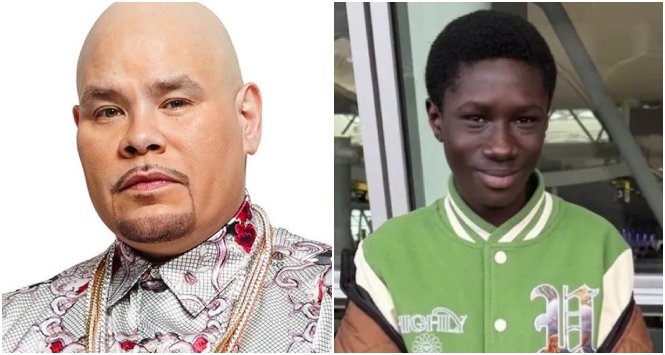
American rapper and hip-hop icon Fat Joe has issued an emotional appeal to young people in New York’s Bronx, particularly those involved in street violence and gangs, urging them to protect children pursuing education and positive futures following the fatal shooting of 15-year-old Ghanaian student Javits Frimpong.
In a heartfelt message ahead of Thanksgiving, the Bronx-born entertainer dedicated the holiday to Javits, whose killing while walking to school has devastated his family and drawn international attention from Ghana, the United States and the wider African diaspora.
Fat Joe said the tragedy was particularly personal because the teenager was killed just one block from an area where he himself had experienced bullying for two consecutive years while growing up.
“And I wanna dedicate this Thanksgiving to the young brother Javitz who got murdered in the Bronx, one block away from where I used to get bullied every day for two years straight,” he said.
“Things ain’t changed over there.”
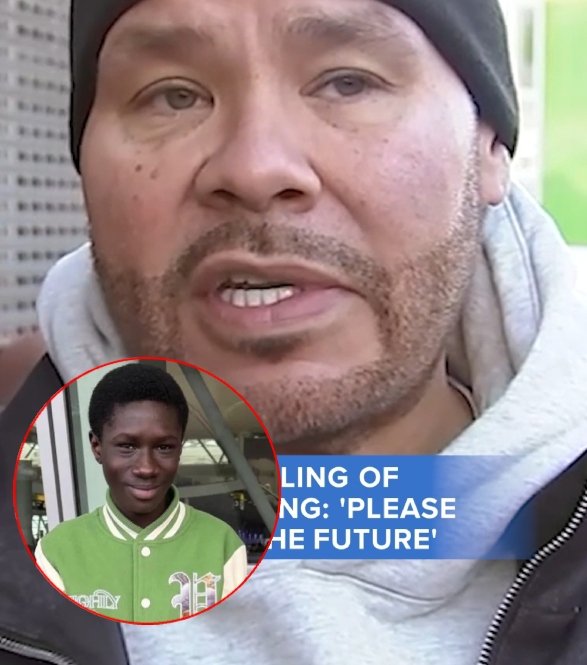
His message was directed particularly at young people involved in street life, urging them to recognize the difference between someone pursuing education and a positive future and those involved in violence.
“If you see a kid trying to become a doctor with a hundred percent attendance, trying to do good in school, let him live, man. Leave him out the way, keep him out the way,” he pleaded.
The rapper’s appeal became even more direct when he addressed young people involved in gangs.
“If you in a gang or whatever the case may be, please don’t hurt the future,” he said.
“That’s the future. Don’t hurt ’em, bro. Somebody’s trying to do the right thing, positive thing. Show ’em love, give ’em grace, let him move out the way.”
Fat Joe’s message was not simply an expression of sympathy. It was a call for young people to stop treating violence as an unavoidable part of neighborhood life and to protect those attempting to build a different future.
‘He wants to be a doctor. He wants to help the community’
Fat Joe repeatedly returned to Javits’ ambition to become a medical doctor, stating that the teenager was not interested in the street life that has claimed so many young lives.
“He ain’t about that life. He don’t want to be that. He wanna be a doctor. He wanna help the community,” the rapper said.
Javits, whose full name was Badu Nkansah Frimpong, was a 10th-grade student at DreamYard Preparatory School in the Bronx. He moved from Ghana to the United States in 2025 to reunite with his father, Thomas Frimpong, and pursue better educational opportunities.
His family described him as a promising student with ambitions of becoming a physician. He also reportedly hoped to follow family footsteps by joining the military.
On October 29, 2026, Javits was fatally shot while walking to school near Crotona Park in the Bronx.
His death has sparked grief among Ghanaian communities in New York and back home, as well as renewed concerns about the safety of immigrant children and young people navigating violence in American neighborhoods.
Fat Joe draws a personal connection to the violence
The rapper’s reference to his own experiences growing up in the Bronx gave his message an additional dimension.
By recalling that he was bullied in the area where Javits was killed, Fat Joe expressed frustration that conditions confronting young people appear not to have changed significantly over the years.
His remarks highlighted the cycle of intimidation and violence that can make it difficult for children to concentrate on education, personal development and their aspirations.
Rather than directing his message exclusively at parents, teachers or law enforcement, he spoke directly to young people who may have influence over what happens in their neighborhoods.
His appeal was that even those involved in gangs or street activities have a responsibility not to target children who are trying to stay away from violence.
“Let him live. Keep him out the way,” he urged.
For the rapper, protecting a young person who wants to become a doctor is also about protecting the future of the wider community, which needs educated, ambitious young people capable of contributing positively to society.
A message to Ghana and the African diaspora
Fat Joe also extended his message beyond the Bronx, acknowledging Javits’ Ghanaian roots and the broader African community’s connection to the tragedy.
He specifically recognized Ghanaians and Africans across the world, framing the teenager’s death as a loss that should resonate throughout the African diaspora.
“Shout out to the Ghanaian people, all my African people. We all won. The whole African diaspora. We all won,” he said.
The remarks reinforce the international dimension of Javits’ story. His journey from Ghana to New York represented the hopes of a family seeking better educational opportunities, and his death has become a matter of concern for communities in both countries.
A suspect arrested, but calls for justice continue
The killing has prompted protests, public appeals and demands for accountability.
A 17-year-old suspect, identified in court reports as Thierno Jalloh, has been arrested and charged as an adult with murder, manslaughter and weapons offences. Authorities are also searching for two other individuals believed to have been involved in the shooting.
As investigations and court proceedings continue, Fat Joe’s intervention adds another prominent voice to the calls to protect young people and prevent further violence.
His Thanksgiving message carries a simple but powerful appeal: children pursuing education and trying to build productive lives should not become victims of neighborhood violence.
Ghana News
Ghana’s New Road Traffic Regulations 2026: The Full List of Offences, Fines, and Penalties
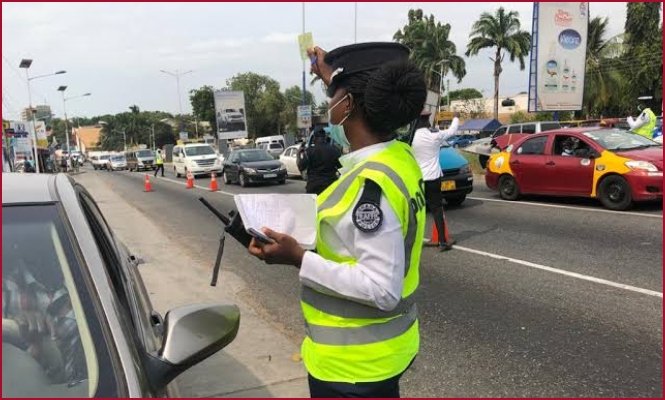
Ghana’s new Road Traffic Regulations, 2026 (L.I. 2519), prescribe fines and, in some cases, imprisonment for a range of road traffic offences, including illegal racing, jumping red lights, improper parking, disobeying traffic officers, and using television monitors while driving.
The regulations also introduce provisions on automated enforcement, allowing offences detected by traffic enforcement devices to attract graduated fines and, after repeated violations, possible suspension or revocation of a driver’s license.
A 14-page offences schedule prepared by D/Sgt. Nana Kwadwo Otibu-Gyan of the Legal and Prosecution Unit, RHQ/Ho, outlines several of the offences and penalties under the regulations. Below are some of the key provisions.
Stop signs, red lights and racing
1. Street racing, drag racing and speed competitions – Section 221
- Driving, or permitting another person to drive, in a race, speed competition, or endurance test on a road attracts a fine of 10 to 25 penalty units, imprisonment for up to 30 days, or both.
- Participating in an unauthorized race under Section 221(2) attracts the same penalty.
2. Failure to stop at STOP or YIELD signs – Section 222
- Under Sections 222(1) to 222(6), failing to stop or yield the right of way at an intersection marked by a STOP or YIELD sign, or failing to stop before a pedestrian crossing, attracts a fine of 10 to 30 penalty units, imprisonment for up to 30 days, or both.
- Approaching a YIELD sign without slowing down under Section 222(2) attracts the same penalty.
3. Jumping a red light – Section 222(7)–(8)
- Jumping a red light at a signalized intersection attracts a fine of 10 to 30 penalty units, imprisonment for up to 30 days, or both.
4. Railway crossings – Section 223
- Failing to stop within the prescribed distance of a railway line at a level crossing, or proceeding before it is safe to do so, attracts a fine of 5 to 25 penalty units or imprisonment for up to 30 days.
- Walking, driving or riding through, around or under a closed railway gate under Section 223(3) attracts the same penalty.
Overtaking, traffic officers and restricted parking
1. Overtaking at pedestrian crossings – Section 224
- Overtaking a vehicle that has stopped at a pedestrian crossing to allow a pedestrian to cross attracts a fine of 10 to 25 penalty units or imprisonment for up to 30 days.
- Failing to slow down when approaching a marked pedestrian crossing under Section 224(2) attracts the same penalty.
2. Disobeying traffic control officers or devices – Section 226(3)
- Disobeying a traffic control officer or traffic control device attracts a fine of 10 to 25 penalty units or imprisonment for up to 30 days.
3. Unauthorized use of bus stops or taxi stands – Section 227(3)
- Using a bus stop or taxi stand without authorisation attracts a fine of 10 to 25 penalty units or imprisonment for up to 30 days.
4. Parking in spaces reserved for persons with disabilities – Section 228(3)
- Parking in a space reserved for persons with disabilities without entitlement attracts a fine of up to 25 penalty units, imprisonment for up to eight months, or both.
Processions, funerals and public transport
1. Driving in a procession without obeying the rules – Section 229(2)
- Driving in a procession without complying with the applicable rules attracts a fine of 10 to 25 penalty units or imprisonment for up to 30 days.
2. Driving through a funeral or authorized procession – Section 230(3)
- Driving through a funeral or other authorized procession attracts a fine of 10 to 25 penalty units or imprisonment for up to 30 days.
3. Stopping or parking buses and taxis outside designated areas – Section 231(4)
- Stopping or parking a bus or taxi outside a designated stop or stand attracts a fine of 10 to 25 penalty units or imprisonment for up to 30 days.
4. Failure to provide facilities for persons with disabilities on public transport – Section 232(2)
- Failure to provide the required facilities for persons with disabilities on public transport attracts a fine of 10 to 25 penalty units or imprisonment for up to 30 days.
Parking offences – Section 235
Section 235 sets out several offences relating to improper parking:
- Parking contrary to traffic signs or near junctions – Section 235(1): Parking contrary to a traffic sign or within a prohibited distance of a junction attracts a fine of 10 to 25 penalty units or imprisonment for up to 30 days.
- Parking in front of building entrances or exits – Section 235(1)(d)–(e): Parking in front of a building entrance or exit attracts the same penalty.
- Parking contrary to instructions in designated parking areas – Section 235(2): Parking in a designated parking area contrary to the applicable instructions attracts a fine of 10 to 25 penalty units or imprisonment for up to 30 days.
- Parking in prohibited areas – Section 235(3): Parking in a loading area, a reserved permit-holder bay, on slip roads, a hard shoulder or central reserve, or near a junction, bend or crossing in a manner that obscures a traffic sign attracts a fine of 10 to 25 penalty units or imprisonment for up to 30 days.
- Double parking – Section 235(4): Parking abreast of another vehicle, commonly referred to as double parking, attracts the same penalty.
- Parking in an area designated for another category of vehicle – Section 235(5): Parking in an area designated for a different category of vehicle attracts a fine of 10 to 25 penalty units or imprisonment for up to 30 days.
Billboards, television monitors and automated fines
1. Outdoor advertising signs obstructing traffic controls – Section 236(3)
- An outdoor advertising sign that interferes with traffic or obscures a traffic sign or device attracts a fine of 25 to 50 penalty units or imprisonment for up to three months.
2. Operating a television monitor while driving – Section 237(2)
- Using or operating a television monitor on the dashboard of a vehicle while it is in motion attracts a fine of up to 25 penalty units, imprisonment for up to 30 days, or both.
3. Automated road traffic offences – Section 242(12)
- The regulations provide for offences detected by Traffic Enforcement Devices, including cameras, to attract graduated automated fines. The schedule provides for:
- First to third offence: 10 penalty units (GH¢120)
- Fourth offence: 15 penalty units (GH¢180)
- Fifth offence: 20 penalty units (GH¢240)
- Sixth offence within 24 months: Possible court-ordered licence revocation or suspension for a minimum of 12 months, together with retraining and retesting.
General penalty – Regulation 243
Regulation 243 provides a general penalty where the regulations do not prescribe a specific punishment for a particular contravention. According to the schedule, such an offence attracts a fine of 10 to 50 penalty units, imprisonment for up to eight months, or both.
Penalty point system
Regulation 244 also allows a court to order retraining for offences involving carelessness, recklessness, or willful disregard of the regulations, in addition to any fine or imprisonment imposed.
Other offences
- Washing or repairing vehicles on the road – Section 139(3)(b): Washing or repairing a vehicle on a road attracts a fine of 25 penalty units or imprisonment for up to 30 days.
- Preaching or hawking on a moving public or commercial vehicle – Section 141: Preaching or hawking on a moving public or commercial vehicle attracts a fine of 10 to 50 penalty units or imprisonment for up to eight months.
- Selling goods on or alongside roads – Section 142(1): Selling goods on or alongside a road, on a pedestrian walkway, or near a railway crossing attracts a fine of up to 50 penalty units or imprisonment for up to three months.
The schedule also lists other offences covering areas including tyres, brakes, learner drivers, and vehicle and driver requirements.
The Road Traffic Regulations, 2026 (L.I. 2519), are now in force, and the offences schedule is being used as a reference for enforcement and prosecution. The provisions mean that motorists and other road users could face not only fines but, depending on the offence, imprisonment or additional measures such as retraining, retesting, and license suspension.
Authored by D/Sgt. Nana Kwadwo Otibu-Gyan, Legal & Prosecution Unit, RHQ/Ho.
25 Key Offences Under Ghana’s New Road Traffic Regulations, 2026 (L.I. 2519)
Penalty units are as prescribed under L.I. 2519. Most offences carry a fine, a jail term, or both, at the court’s discretion.
| # | Offence | Regulation | Penalty (fine / imprisonment) |
|---|---|---|---|
| 1 | Using a mobile phone while driving | Reg. 132 | Up to 50 units, up to 3 months, or both |
| 2 | Driving under the influence of alcohol or drugs | Reg. 131 | 50 to 200 units, up to 40 months, or both |
| 3 | Jumping a red light | Reg. 222(7)-(8) | 10 to 30 units, up to 30 days, or both |
| 4 | Failing to stop or yield at STOP and YIELD signs | Reg. 222 | 10 to 30 units, up to 30 days, or both |
| 5 | Street racing, drag racing and speed competitions | Reg. 221 | 10 to 25 units, up to 30 days, or both |
| 6 | Speeding, exceeding the prescribed limit | Reg. 212 | 10 to 25 units, up to 30 days, or both |
| 7 | Failing to slow down in dangerous conditions | Reg. 213 | 50 to 100 units, 3 to 6 months, or both |
| 8 | Breaking railway crossing rules | Reg. 223 | 5 to 25 units, up to 30 days, or both |
| 9 | Overtaking at a pedestrian crossing | Reg. 224 | 10 to 25 units, up to 30 days, or both |
| 10 | Disobeying traffic control officers or devices | Reg. 226 | 10 to 25 units, up to 30 days, or both |
| 11 | Failing to wear a seat belt | Reg. 144 | 10 to 50 units, up to 8 months, or both |
| 12 | Riding without a helmet or reflective clothing | Reg. 109 | 25 to 50 units, 1 to 3 months, or both |
| 13 | Driving without warning triangles or approved devices | Reg. 108 | 25 to 50 units, 30 days to 3 months, or both |
| 14 | Driving with a tinted front windscreen | Reg. 92 | 25 to 50 units, 1 to 3 months, or both |
| 15 | Using unsafe or worn-out tyres | Reg. 87 | 25 to 50 units, 30 days to 3 months, or both |
| 16 | Driving without a fire extinguisher and first-aid kit | Reg. 94 | 10 to 25 units, up to 30 days, or both |
| 17 | Overloading a vehicle | Reg. 118 | 25 to 50 units, up to 3 months, or both |
| 18 | Operating commercial motorcycles or tricycles without authorization | L.I. 2519 | Operator: 50 to 100 units, 8 to 24 months, or both. Rider: 25 to 50 units, up to 8 months, or both |
| 19 | Overcharging passengers | Reg. 180 | 10 to 25 units, up to 30 days, or both |
| 20 | Stopping or parking buses and taxis outside designated areas | Reg. 231 | 10 to 25 units, up to 30 days, or both |
| 21 | Boarding or alighting at unauthorized places | Reg. 204 | Up to 5 units, up to 7 days, or both |
| 22 | Jaywalking or failing to use a footbridge | Reg. 203 | Up to 5 units, up to 7 days, or both |
| 23 | Improper parking | Reg. 228, 235 | 10 to 25 units, up to 30 days, or both. Disability bays: up to 25 units, up to 8 months, or both |
| 24 | Preaching or hawking in a moving public or commercial vehicle | Reg. 141 | 10 to 50 units, up to 8 months, or both |
| 25 | Selling goods on roads and walkways, or washing or repairing a vehicle on the road | Reg. 142, 139 | Selling: up to 50 units, up to 3 months, or both. Washing or repairing: up to 25 units, up to 30 days, or both |
Automated enforcement: Under Regulation 242, offences detected by Traffic Enforcement Devices carry graduated fines: 10 penalty units for the first, second and third offences, 15 units for a fourth and 20 units for a fifth. A sixth offence within 24 months can result in court proceedings, license suspension or revocation for at least 12 months, plus retraining and retesting.
Source: Road Traffic Regulations, 2026 (L.I. 2519).

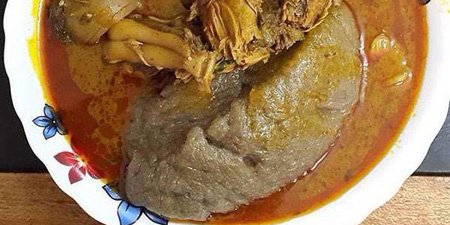
One spoonful is enough to understand why this northern Ghanaian favourite has stood the test of time.
Konkonte, a soft swallow made from dried cassava flour, has long been a comforting staple across Ghana. In the Upper West, Upper East and Northern regions, however, it reaches another level when paired with dawadawa soup, a deeply savoury dish built around fermented African locust beans.
The first thing that announces the meal is its aroma. Dawadawa carries a bold, earthy scent that fills the air long before the soup reaches the table.
Its fermented richness creates an intense umami flavour that many Ghanaians compare to the role soy sauce plays in Asian cooking, adding depth, warmth and character to every spoonful.
The smooth, slightly elastic texture of konkonte makes it the perfect partner. As it is dipped into the soup, it absorbs the rich broth, creating a hearty bite that is both filling and satisfying.
The combination has nourished farming communities for generations, offering an affordable meal packed with flavour and tradition.
Beyond its comforting taste, the dish also carries nutritional appeal. Cassava provides energy, while fermented locust beans contribute plant-based protein and beneficial compounds that have made dawadawa a valued ingredient in West African kitchens for centuries.
For visitors eager to discover Ghana beyond familiar favourites like jollof rice or waakye, konkonte with dawadawa soup offers something unforgettable. It is a meal that speaks of northern heritage, resourcefulness and the enduring power of ingredients perfected through tradition.


German President Steinmeier Arrives in Ghana to Boost Trade and Skills Partnerships

Fat Joe Makes Emotional Appeal to Bronx Youth After Ghanaian Teen Javits Frimpong’s Killing

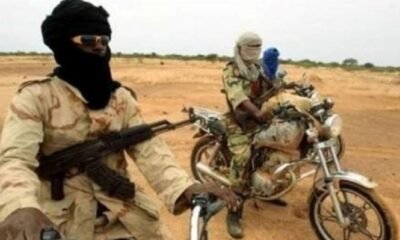
The Sahel’s Dangerous Calm: What Does the Lull in Jihadist Fighting Really Hide?
-

 Ghana News2 days ago
Top Ghanaian School Wins 26 Awards at 2026 Pearson Learner Awards
-

 Business2 days ago
Invest Ghana Summit: NVI Pitches Vaccine Manufacturing Opportunities to Investors
-

 Ghana News1 day ago
Ghanaian Teen’s Bronx Funeral Sparks NY Attorney General’s Demand to Repeal Law Protecting Gunmakers
-

 Ghana News1 day ago
‘We Didn’t Come Here to Beg’: Ghana’s Zanetor Agyeman-Rawlings Demands Climate Justice and Funding for Africa at COP31
-
 Opinion1 day ago
The Sahel’s Dangerous Calm: What Does the Lull in Jihadist Fighting Really Hide?
-

 Ghana News2 days ago
‘Stop Taking Our Money to Hide in Switzerland’: Dangote Challenges Wealthy Africans to Invest at Home
-
 Uncategorized58 minutes ago
Fat Joe Makes Emotional Appeal to Bronx Youth After Ghanaian Teen Javits Frimpong’s Killing
-
 Ghana News44 minutes ago
German President Steinmeier Arrives in Ghana to Boost Trade and Skills Partnerships