
Health & Wellness
3 Everyday Health Myths You Should Stop Believing


Health advice changes constantly. For one decade, a certain food or habit is praised; the next, it is blamed for a wide range of problems. Over time, a few ideas become so widespread that people accept them as unquestionable truth. Yet many health professionals now encourage people to re-examine some of these beliefs. Here are three popular health myths that continue to shape everyday habits around the world.
1. The Sun Is Always Bad for You
For years, public health messages have warned about the dangers of sunlight, particularly the risk of skin damage from excessive exposure. While those risks are real, avoiding the sun entirely can also create problems.
Sunlight helps the body produce Vitamin D, which plays a key role in bone strength, immune function and overall health. Morning sunlight can also influence the body’s internal clock—known as the Circadian Rhythm—which regulates sleep patterns, hormone release and energy levels.
Moderate exposure to sunlight, especially in the early morning, is often considered beneficial. Health experts typically advise short periods outdoors rather than prolonged exposure during the hottest part of the day, when ultraviolet radiation is strongest.
2. Eating Fat Automatically Leads to Weight Gain
Another widely held belief is that dietary fat directly causes weight gain. This idea shaped many “low-fat” diets during the 1980s and 1990s, when people were encouraged to remove fats almost entirely from their meals.
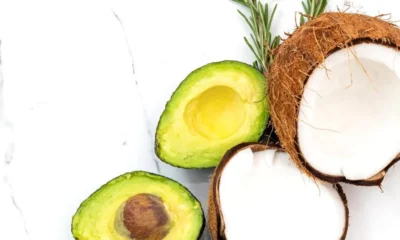
However, nutrition science has become more nuanced. Not all fats behave the same way in the body. Healthy fats found in foods such as avocados, nuts, seeds and olive oil provide essential fatty acids that support brain health, hormone production and nutrient absorption.
Weight gain is more often linked to excessive intake of highly processed foods, refined carbohydrates, and added sugars rather than moderate amounts of natural fats. Diets based on whole foods—vegetables, grains, proteins, and healthy fats—are generally associated with better long-term health outcomes.
3. Fluoride Is the Only Way to Prevent Cavities
Fluoride has long been used in dental products to help strengthen tooth enamel and reduce cavities. Many dentists around the world continue to recommend fluoride toothpaste as an effective preventive measure.
At the same time, some advocates of traditional health practices suggest alternative oral care routines. These may include techniques such as oil pulling using sesame or coconut oil, tongue scraping, and brushing with herbal toothpastes containing ingredients like neem or clove.
While research on these methods continues, most dental experts agree that maintaining oral hygiene—regular brushing, flossing and routine dental check-ups—is far more important than relying on any single ingredient or remedy.
Rethinking Everyday Health Habits
Health myths often arise from partial truths that become oversimplified over time. Sunlight can be beneficial in moderation. Dietary fat isn’t automatically harmful when it comes from natural sources. And dental health depends on consistent hygiene habits rather than one single product.
The bigger lesson is that balanced, evidence-based habits tend to work best. Paying attention to how our bodies respond—and staying open to evolving scientific knowledge—can help people make healthier choices in daily life.











“Never miss two days in a row.” It sounds simple, almost too simple to matter. Yet that small rule might be one of the most powerful secrets behind people who manage to stay healthy even when life becomes chaotic.
Most wellness advice focuses on perfection: perfect workouts, perfect diets, perfect routines. Real life rarely works that way. In cities like Accra or anywhere else in the world, days are packed with deadlines, traffic, family responsibilities, and unexpected disruptions. When routines fall apart, many people give up entirely. One missed workout quietly becomes a week. A week becomes a month.
But consistency rarely depends on perfect days. It depends on what happens during the imperfect ones.
Health coaches often talk about “protecting the habit.” That means scaling down when life becomes overwhelming rather than abandoning the routine altogether.
A person who cannot complete a full gym session might simply take a brisk walk. Someone who planned ten thousand steps may manage only four thousand. The key is not the size of the effort—it is keeping the rhythm alive.
Small actions matter more than people realize. A short walk still wakes up the body. A quick stretch still reminds the muscles they are needed.
Even choosing a slightly healthier meal during a hectic day reinforces a long-term identity: someone who takes care of their health.
Another powerful principle is refusing to miss twice. Skipping one day is human. Skipping two often signals a shift in behavior.
Psychologists who study habit formation note that routines break not from a single lapse but from repeated interruptions. Making the next day “non-negotiable” keeps the pattern intact.
Across Ghana, this mindset is quietly shaping how people approach wellness. Some squeeze in a ten-minute home workout before work. Others walk through their neighborhoods in the evening after long office hours. The goal is not perfection—it is continuity.
There is also a mental benefit. When a person asks, “What is the least I can do today?” the question removes pressure while preserving commitment.
A few push-ups, a short walk, or an early bedtime may seem small in isolation, but they form a chain linking yesterday’s effort with tomorrow’s progress.
Health, after all, is rarely built through dramatic bursts of motivation. It grows through ordinary choices repeated over time—even on the days when doing the bare minimum feels like the only option.

Let me tell you something they don’t print on birthday cards. The day you turn 30, your body quietly begins a conversation with gravity. And gravity always wins—unless you fight back.
I remember watching my uncle at 35 complain about his back after carrying a bag of rice. Just one bag. The same man who played wingback for his school team. He laughed it off, called it “old age coming.” But it wasn’t age. It was an absence. The absence of resistance. The absence of strength work.
Your 30s are not old. But they are decisive. Here is why picking up heavy things matters more now than ever.
1. Your muscles start leaving without notice
After 30, your body begins something called sarcopenia. Fancy word for a simple betrayal: you lose about 3 to 5 percent of your muscle mass every decade if you do nothing.
The muscles you built playing football at Legon or running around in JHS—they start packing up quietly. Strength training is the only way to tell them: nobody is leaving this party yet.
2. Your bones remember every drop
Here is a fact that shook me. Your skeleton is not a dry stone. It is alive. It responds to pressure. When you lift weights, you stress your bones just enough that they say, “We need to get stronger.”
They add density. Women in their 30s especially need this because after menopause, bone loss accelerates like a trotro on an empty motorway. Lift now. Your bones will thank you at 60.
3. Your metabolism stops doing you favors
Remember when you could eat three balls of kenkey with fried fish and still wake up flat-bellied?
Those days are fading. Your metabolism drops about 2 to 3 percent per decade. But muscle burns more calories than fat, even when you are lying on the couch watching Sarkodie videos. More muscle means your metabolism stays awake. It means you eat and actually use the food, instead of storing it around your waist.
4. Your joints start complaining about small things
Knees that never hurt before. A lower back that tightens up after sitting too long. Shoulders that click for no reason. This is your 30s announcing itself. Strength training strengthens not just muscles, but the tendons and ligaments around your joints.
It builds a support system. Strong glutes take pressure off your knees. A strong core saves your lower back. You are not just lifting for show. You are lifting to move without pain.
5. Your stress lives in your shoulders
Life in your 30s is pressure. Work. Family. Money. That pressure sits in your body—tight neck, stiff shoulders, headaches. Lifting heavy things is strangely therapeutic.
You cannot think about your problems when a barbell is trying to crush you. The focus required pulls you into the present moment.
And after, the release is real. You sleep better. You argue less. You carry the weight outside so you can let go of the weight inside.
6. You are building the body you will live in
Here is the truth. The body you build in your 30s is the body you inhabit in your 50s and 60s. If you want to chase your grandchildren, travel without pain, carry your own shopping, and live independently—this is the decade it starts.
Strength training is not about looking good at the beach. It is about being able to live fully when life gets longer.
The conclusion
Nobody is asking you to become a bodybuilder. Three hours a week. Some dumbbells. Maybe a gym membership at that place near the mall.
Squats, pushes, pulls. Just enough to tell your body: I am still here. I am still strong. Your 30s are not a decline. They are a choice. Choose the weight.
Let me tell you about my friend Akua. She loves banku. Loves it. But last year, a “fitness influencer” on Instagram told her banku was the enemy.
So she quit. She started eating lettuce and drinking green smoothies. Two weeks later, she was miserable, broke from buying imported “diet foods,” and back at the chop bar ordering extra shito.
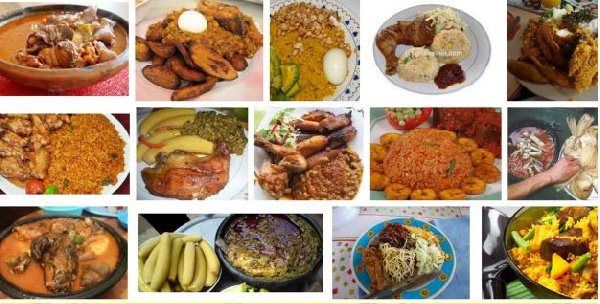
Here is the truth they don’t tell you: You can lose weight without saying goodbye to fufu, kenkey, or your mother’s groundnut soup. The problem is rarely the food itself. It is how we eat it, when we eat it, and what we add to it.
Here are five practical ways to shed the kilos while keeping your plate proudly Ghanaian.
1. Shrink the Banku, Not the Soup
The main issue with fufu, banku, and kenkey is not that they are evil. It is the portion size. Two large balls of banku can pack over 500 calories before you even touch the fish. The fix is simple: eat one ball instead of two. Keep the soup, keep the meat, but cut the swallow in half. Your stomach will adjust in two weeks, and you will still enjoy the meal. You just won’t need to unbutton your trousers afterward.
2. Give Your Fish the Grilling Treatment
Fried fish is delicious. Nobody is denying that. But when you dip that tilapia in hot oil, you are adding calories that do nothing for you except sit on your waistline. Grilled fish gives you all the protein, all the taste, and none of the extra oil. Next time you order kenkey, ask for grilled fish instead of fried. Your body will notice the difference even if your taste buds barely do.
3. Meet Your New Best Friend: Kofi Brokeman
Roasted plantain with groundnuts—affectionately called “Kofi Brokeman”—might be the smartest weight loss food on the planet. It is high in fiber, which helps you feel full. It gives you sustained energy without the crash. And because it is roasted, not fried, you skip all that oil. A hundred grams gives you about eight percent of your daily fiber needs. Eat it in the afternoon when the 3 p.m. slump hits. It beats anything from the provision shop.
Read Also: Three Amazing Things That Happen When You Introduce Vegetables to Your Diet
4. Watch the Liquid Calories
Sobolo is healthy. We know this. But the Sobolo they sell in sachets on the street? That thing is sugar with a little hibiscus flavor. Same with packaged fruit juices and even some of our beloved malt drinks. These liquids add sugar directly to your system without making you feel full. You drank 300 calories, and you are hungry again in an hour. Drink water, drink your Sobolo homemade with little or no sugar, and watch the belly respond.
5. Eat Your Beans and Keep Quiet
Gobɛ—gari and beans—is actually a weight loss powerhouse. The beans are loaded with protein and soluble fiber. That fiber forms a gel in your stomach, slowing everything down. You feel full for hours. One large study found that people who ate beans regularly had a 23 percent lower risk of increased belly fat. The key is to go easy on the oil and the sugar. Eat it for what it is: real food that sticks with you.
Conclusion
Nobody is asking you to abandon your culture. The healthiest people in the world eat their traditional foods. They just eat them in the right amounts, prepared the right way. Start with one of these changes this week. Not all five. Just one. Let your body adjust. And watch what happens.


Deputy Israeli Ambassador to Ghana Strongly Condemns Iran’s Missile Attacks on Civilian Areas

What’s Trending in Ghana: Football, Influencers and Politics Take Over Social Media

3 Everyday Health Myths You Should Stop Believing
-

 Business1 day ago
KNUST Graduates Build Ghana’s First AI-Powered Farming Robot
-

 Ghana News2 days ago
Ghana Confident UN Will Back Slave Trade Resolution as Mahama Presents Draft March 25
-

 Ghana News13 hours ago
Newspaper Headlines Today: Tuesday, March 24, 2026
-

 Ghana News12 hours ago
Rev Al Sharpton Backs Ghana’s UN Slave Trade Initiative, Attorney-General Dragged to Court Over Kotoka Airport Renaming, and Other Big Stories in Ghana Today (March 24)
-

 Ghana News12 hours ago
Renowned Civil Rights Attorney Ben Crump to Join Global Leaders at UN Panel As Ghana Presents Motion for Reparatory Justice for Slave Trade
-
 Ghana News27 minutes ago
Deputy Israeli Ambassador to Ghana Strongly Condemns Iran’s Missile Attacks on Civilian Areas
-
 Business2 days ago
The $1 Billion Forecasting Error That Exposed Ghana’s Broken Cocoa Model
-

 Opinion2 days ago
Bright Simons Sounds Alarm About Alleged Secret Plan to Privatize GoldBod