
Health & Wellness
3 Everyday Health Myths You Should Stop Believing


Health advice changes constantly. For one decade, a certain food or habit is praised; the next, it is blamed for a wide range of problems. Over time, a few ideas become so widespread that people accept them as unquestionable truth. Yet many health professionals now encourage people to re-examine some of these beliefs. Here are three popular health myths that continue to shape everyday habits around the world.
1. The Sun Is Always Bad for You
For years, public health messages have warned about the dangers of sunlight, particularly the risk of skin damage from excessive exposure. While those risks are real, avoiding the sun entirely can also create problems.
Sunlight helps the body produce Vitamin D, which plays a key role in bone strength, immune function and overall health. Morning sunlight can also influence the body’s internal clock—known as the Circadian Rhythm—which regulates sleep patterns, hormone release and energy levels.
Moderate exposure to sunlight, especially in the early morning, is often considered beneficial. Health experts typically advise short periods outdoors rather than prolonged exposure during the hottest part of the day, when ultraviolet radiation is strongest.
2. Eating Fat Automatically Leads to Weight Gain
Another widely held belief is that dietary fat directly causes weight gain. This idea shaped many “low-fat” diets during the 1980s and 1990s, when people were encouraged to remove fats almost entirely from their meals.
However, nutrition science has become more nuanced. Not all fats behave the same way in the body. Healthy fats found in foods such as avocados, nuts, seeds and olive oil provide essential fatty acids that support brain health, hormone production and nutrient absorption.
Weight gain is more often linked to excessive intake of highly processed foods, refined carbohydrates, and added sugars rather than moderate amounts of natural fats. Diets based on whole foods—vegetables, grains, proteins, and healthy fats—are generally associated with better long-term health outcomes.
3. Fluoride Is the Only Way to Prevent Cavities
Fluoride has long been used in dental products to help strengthen tooth enamel and reduce cavities. Many dentists around the world continue to recommend fluoride toothpaste as an effective preventive measure.
At the same time, some advocates of traditional health practices suggest alternative oral care routines. These may include techniques such as oil pulling using sesame or coconut oil, tongue scraping, and brushing with herbal toothpastes containing ingredients like neem or clove.
While research on these methods continues, most dental experts agree that maintaining oral hygiene—regular brushing, flossing and routine dental check-ups—is far more important than relying on any single ingredient or remedy.
Rethinking Everyday Health Habits
Health myths often arise from partial truths that become oversimplified over time. Sunlight can be beneficial in moderation. Dietary fat isn’t automatically harmful when it comes from natural sources. And dental health depends on consistent hygiene habits rather than one single product.
The bigger lesson is that balanced, evidence-based habits tend to work best. Paying attention to how our bodies respond—and staying open to evolving scientific knowledge—can help people make healthier choices in daily life.










The first question many women hear after losing a pregnancy is heartbreaking: What did you do? It is a question loaded with guilt, assumptions, and painful myths.
Friends, relatives and even strangers may search for someone to blame, often pointing to stress, hard work, or superstition. Yet medical science tells a very different story—one that deserves far more attention.
Replacing Blame With Understanding
Miscarriage is the spontaneous loss of a pregnancy before the baby can survive outside the womb, most often during the first trimester. Many happen so early that a woman may not even realize she is pregnant, assuming instead that she has experienced a delayed or unusually heavy menstrual period.
Because miscarriage is common, health professionals increasingly encourage families to move away from blame and toward compassion.
In many cases, the loss is linked to factors beyond anyone’s control, including chromosomal abnormalities that prevent the pregnancy from developing normally. It is rarely the result of something a woman did or failed to do.
That message matters, especially in communities where women often carry the emotional burden of pregnancy loss in silence.
Knowing the Warning Signs Can Save a Pregnancy
Not every episode of bleeding during pregnancy means a miscarriage has occurred. Doctors describe a condition known as a threatened miscarriage, where bleeding or mild cramping develops while the cervix remains closed and the pregnancy may continue successfully.
This distinction highlights why early medical attention is so important. Rather than waiting at home or relying solely on advice from family and friends, pregnant women who notice bleeding, persistent cramps or other unusual symptoms should seek prompt assessment from a qualified healthcare provider.
Regular antenatal care also plays a crucial role. Routine check-ups help monitor both mother and baby, identify potential complications early, and provide reassurance throughout pregnancy.
Pregnancy is filled with hope, but it can also bring uncertainty. When complications arise, women deserve empathy rather than judgment and evidence-based care rather than harmful myths.
Sometimes the most powerful form of support is replacing the question, “Who is to blame?” with a much kinder one: “How can we help?” That shift can ease emotional pain while encouraging women to seek the care they need without fear or shame.

Every morning, millions of people wake up, get out of bed, prepare for work, walk to the bus stop or market, share a laugh with family, and carry on without giving their bodies much thought.
Ironically, that may be the clearest sign of good health. We tend to notice our bodies only when they stop cooperating.
Good Health Is Easy to Take for Granted
Health rarely announces itself. It is quiet. It hides in the ability to climb stairs without pain, carry groceries home, enjoy a favourite meal, or spend an afternoon playing football with friends or chasing children around the yard. These ordinary moments often pass unnoticed because they feel normal.
Across Ghana and many parts of the world, growing rates of hypertension, diabetes and other chronic illnesses are reminding people that good health is not permanent.
It can change gradually through years of neglect or suddenly because of illness or injury. That reality makes today’s healthy body one of life’s greatest assets.
Appreciating your health is not simply about feeling grateful. It can influence the choices you make. People who value their well-being are often more motivated to exercise regularly, eat balanced meals, get enough sleep and attend routine medical check-ups. Gratitude becomes a form of prevention.
Protect What Is Working
Looking after your health does not require dramatic lifestyle changes. Small habits repeated consistently often have the greatest impact.
A brisk daily walk, strength training a few times each week, drinking enough water, eating more fruits and vegetables, managing stress and making time for quality sleep all help protect the body for years to come.
Mental health deserves the same attention. Staying connected with supportive friends, talking openly about challenges, and making time to rest are just as important as caring for your physical health.
Many people chase bigger salaries, larger homes, or the next milestone while postponing their health until “later.”
Yet none of those achievements can be fully enjoyed without the energy and independence that good health provides.
The next time you move through an ordinary day without pain, breathe deeply, laugh freely or complete simple tasks with ease, pause for a moment. Your body has quietly given you something priceless.
The greatest investment you can make is ensuring it continues to do so tomorrow.
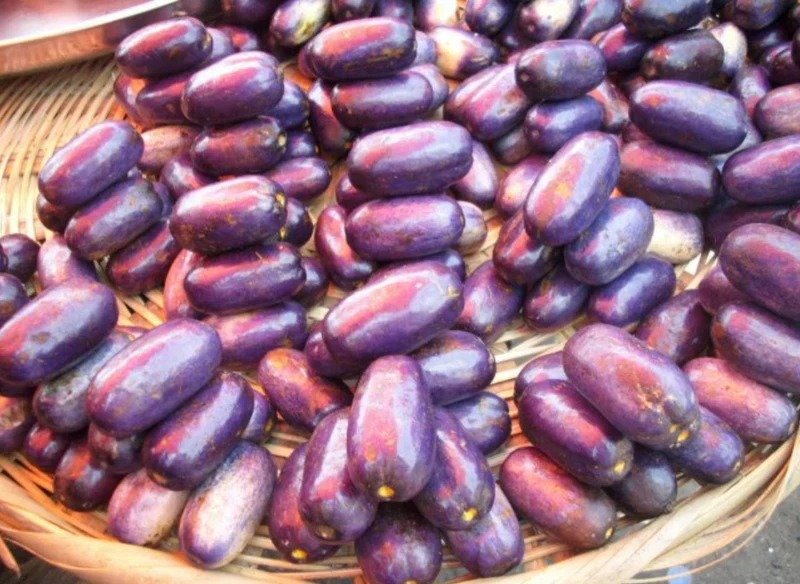
African berry plum is small in size but rich in nutrients that support everyday wellness
Walk through a local market during the fruiting season, and you’ll likely spot baskets of African berry plum.
The fruit may not enjoy the global fame of blueberries or avocados, but for generations, many communities across West Africa have appreciated its sweet-tart flavour and seasonal abundance.
Today, nutrition science is helping explain why this indigenous fruit deserves far more attention.
A Natural Source of Protective Nutrients
African berry plum contains vitamin C, an essential nutrient that supports the immune system, helps the body repair tissues, and contributes to healthy skin by promoting collagen production.
During periods of seasonal illness, foods naturally rich in vitamin C can play an important role in a balanced diet.
The fruit also contains plant compounds known as antioxidants. These substances help protect the body’s cells from oxidative stress, a process linked to ageing and several chronic health conditions.
While no single fruit can prevent disease, regularly eating antioxidant-rich foods contributes to long-term health.
Supporting Digestion and Heart Health
Like many fresh fruits, African berry plum provides dietary fibre. Fibre promotes healthy digestion, supports regular bowel movements, and helps people feel fuller for longer after meals.
This can be especially useful for those trying to maintain a healthy weight or reduce unnecessary snacking.
A fibre-rich diet is also associated with improved heart health. Combined with a balanced eating pattern, fruits such as African berry plum can contribute to healthy cholesterol levels and better overall cardiovascular wellbeing.
Celebrating Local Foods
One of the greatest strengths of African berry plum is that it grows naturally in many parts of West Africa.
Choosing locally available fruits often means enjoying produce that is fresher, more affordable, and better adapted to local growing conditions.
It also supports farmers and preserves indigenous food traditions that have nourished communities for generations.
Like all fruits, African berry plum is best enjoyed as part of a varied diet that includes vegetables, whole grains, legumes, lean proteins, and healthy fats.
Fresh fruit cannot replace medical treatment, but it can become one of the simple daily habits that support better health over time.
Sometimes, the most valuable additions to our plates are not imported superfoods with fashionable labels.
They are the familiar fruits growing close to home, quietly delivering nutrition with every bite.


Miscarriage Myths Are Still Hurting Women—Here’s What Everyone Should Know

The Health Advantage Most People Don’t Notice Until It’s Gone

Clean-ups, Catchphrases, and Clergy Clashes: Inside Ghana’s Viral Weekend
-

 Africa Watch2 days ago
Ghost Agency, Real Money: How a $1million ‘Non-Existent’ Gov’t Agency Made It Into Nigeria’s Budget
-

 Ghana News1 day ago
From Floods to Action: Ghana’s President Unveils Monthly Cleanup Plan
-

 Fashion & Style1 day ago
Denim Finds a New Identity as Miss Universe Uganda Turns Everyday Fabric Into Couture
-

 Ghana News1 day ago
WHO Hails Ghana’s New Heart Lab as Lifesaver in Battle Against Non-Communicable Diseases
-
 Reels & Social Media Highlights18 hours ago
Clean-ups, Catchphrases, and Clergy Clashes: Inside Ghana’s Viral Weekend
-
 Health & Wellness17 hours ago
The Health Advantage Most People Don’t Notice Until It’s Gone
-
 Health & Wellness5 hours ago
Miscarriage Myths Are Still Hurting Women—Here’s What Everyone Should Know