
Health & Wellness
You’re Not Tired, You’re Just Sitting Too Much
For many of us, a typical day looks harmless enough: drive to work, sit at a desk, scroll during lunch, drive home, collapse on the couch.


For many of us, a typical day looks harmless enough: drive to work, sit at a desk, scroll during lunch, drive home, collapse on the couch. No loud alarms. No obvious danger. Just hours of stillness stacking up. But being sedentary doesn’t announce itself like junk food or smoking. It sneaks in, settles into our routines, and slowly reshapes our bodies and minds.
Here’s how prolonged sitting is really affecting us.
1. It Raises the Risk of Chronic Illness
Long hours of inactivity slow down how the body processes sugar and fat. Over time, this increases the risk of type 2 diabetes, high blood pressure, and heart disease—conditions that already affect Black communities at higher rates. Even regular gym sessions can’t fully cancel out the damage of sitting all day. Movement has to happen often, not just occasionally.

2. It Weakens the Body Without You Noticing
When we sit too much, muscles stop pulling their weight—especially in the hips, legs, and core. Posture suffers. Joints stiffen. Back and knee pain become normal, even though they shouldn’t be. The body is built to move regularly, not to stay folded into a chair for eight hours straight.
Read Also: Why Falling Food Inflation Isn’t Bringing Down Everyday Grocery Prices in Ghana – Economist Explains
3. It Affects Mental Health and Energy
Sedentary habits are closely linked to low mood, brain fog, and persistent fatigue. Movement boosts blood flow to the brain and releases chemicals that help regulate stress. Without it, anxiety and mild depression can quietly take root. That “tired but wired” feeling? Often, it’s not a lack of rest—it’s a lack of movement.

4. It Shortens Lifespan in Subtle Ways
Studies consistently show that long periods of sitting are associated with earlier mortality, even among people who exercise. It’s not dramatic or immediate. It’s cumulative. Years of inactivity chip away at the body’s resilience, making recovery from illness or injury harder later in life.
Stand Up & Walk
Movement doesn’t have to mean a fitness influencer’s routine. It can be walking while on calls, stretching between meetings, dancing while cooking, or choosing the stairs when you can. Our bodies carry history, strength, and survival. They deserve more than stillness. Standing up—literally and figuratively—is one of the simplest acts of care we can give ourselves.

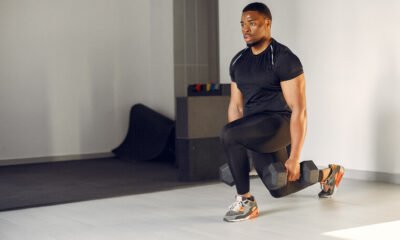


Muscle growth rarely announces itself with a dramatic moment. There’s no drumroll in the gym when your body begins to adapt to heavier lifts or longer training sessions. Instead, the signs can show up in ways that feel surprisingly ordinary — a restless night, a sudden wave of hunger, or a number on the scale that refuses to move.
For people who strength train consistently, these small signals often mean the body is quietly building muscle behind the scenes.
Your Appetite Suddenly Feels Bottomless
One of the most common surprises for people lifting weights regularly is an increase in hunger. Muscle tissue is metabolically active, which means it requires energy even when you’re resting.
When your body starts repairing and building muscle fibers after workouts, it needs extra calories and nutrients to do the job. That’s why someone might eat a full meal and still feel hungry an hour later.
Rather than seeing this as a setback, it’s often a sign your body is adapting to training demands. Prioritising balanced meals with enough protein, complex carbohydrates, and healthy fats helps fuel recovery and keeps hunger manageable.
Unexpected Fatigue After Workouts
Strength training doesn’t just challenge your muscles — it also places demands on the nervous system and recovery processes throughout the body.
That’s why people sometimes feel waves of sleepiness after intense training sessions, even if they felt energetic during the workout itself. During rest, the body repairs microscopic damage in muscle fibres, strengthens them, and prepares them for the next training session.
Sleep plays a central role in this process. Deep sleep supports the release of growth-related hormones that help muscles rebuild. Feeling unusually sleepy during periods of intense training can simply mean the body is asking for the recovery it needs.
The Scale Stops Moving — But Your Body Changes
Perhaps the most confusing sign of muscle growth is when progress doesn’t appear on the scale. Many people expect weight to drop steadily as they exercise more.
But muscle is denser than fat. As muscle increases and fat gradually decreases, overall body weight may remain the same. Clothes may fit differently, muscles may appear more defined, and strength levels improve — even while the scale seems unchanged.
This is why experienced trainers often recommend focusing on body composition, strength gains, and how clothes fit rather than relying solely on body weight.
Muscle growth is a slow and steady process, built through consistent training, proper nutrition, and adequate recovery.
So the next time hunger spikes, sleepiness hits, or the scale seems stuck, it may not be a sign of failure at all. It might simply be your body getting stronger.

Most people know that a steady diet of fatty foods can take a toll on the waistline. Burgers, fries, and heavily processed meals are often linked to weight gain and heart problems. But scientists are increasingly finding that these foods may also affect something else—your brain.
Researchers at the University of Minnesota explored this connection in a study that looked at how diet influences memory and thinking ability. Their findings point to an encouraging possibility: exercise might help protect the brain from some of the damage caused by a high-fat diet.
The experiment began with a simple memory test involving lab rats. After completing the test, the animals were divided into two groups. One group continued eating a regular diet, while the other group was switched to meals high in fat. Importantly, both groups consumed the same number of calories overall. The main difference was the type of food they ate.
Four months later, the rats were given the same memory test again. The difference was striking. Rats that had been eating the high-fat diet showed clear signs of cognitive decline. They struggled more with the task than they had earlier. Meanwhile, the rats that remained on a normal diet performed just as well as they had at the beginning of the study.
These results reinforce a growing belief among scientists that diet doesn’t just shape our bodies—it may also influence how our brains function over time.
But the story didn’t end there.
After those first four months, researchers added another variable: exercise. Half of the rats in each group were given access to running wheels. The others remained sedentary.
What happened next surprised the researchers. Rats that stayed inactive and continued eating fatty food kept showing declining memory performance. But those that exercised began improving. In fact, their memory and thinking abilities started to recover—even though their diet hadn’t changed.
After just seven weeks of regular activity, researchers reported that exercise had effectively reversed the cognitive decline linked to the high-fat diet.
Scientists are still investigating why this happens. One theory suggests that fatty foods increase levels of free fatty acids in the body, which may trigger processes that damage brain cells. Physical activity, on the other hand, appears to stimulate chemicals that protect and repair those cells.
The takeaway is encouraging. You don’t have to train like a professional athlete to see benefits. According to the study’s lead researcher, the rats were only doing the equivalent of about a 30-minute jog each day.
Even lighter activities can help. Research has shown that regular movement—such as daily walking—can support healthy blood sugar levels after meals and improve overall health.
In other words, staying active may do more than strengthen muscles or improve endurance. It may also help keep the mind sharp. A short walk, a jog through the park, or any form of regular movement could be doing something valuable behind the scenes—helping your brain stay resilient.

In the final of the men’s 200-metre butterfly at the 2008 Beijing Olympics, something went wrong for swimmer Michael Phelps. Midway through the race, water began seeping into his goggles. Within seconds, his vision was completely blurred. By the final lap, he couldn’t see the pool markings, the approaching wall, or even his competitors.
Yet he kept swimming—and won gold in world-record time.
For sports psychologists and coaches, the moment remains a powerful illustration of the role habits play in performance and everyday life. When the unexpected happens and thinking clearly becomes difficult, the brain often defaults to routines that have been practiced repeatedly.
Phelps’ coach, Bob Bowman, had spent years building those routines into his training. In preparation for high-pressure races, Bowman sometimes turned off the pool lights or asked Phelps to swim wearing blacked-out goggles. The purpose was simple: train the athlete to rely on ingrained patterns rather than sight.
Phelps also rehearsed races mentally every night—visualising the perfect swim stroke by stroke, lap by lap. By the time the Olympic final arrived, the sequence of movements had been repeated so often that when his goggles failed, instinct took over.
Health researchers say this principle extends far beyond elite sport.
Studies on behavioural psychology suggest that habits shape much of daily life—from how people eat and exercise to how they manage stress or productivity. Some habits even act as catalysts for wider change, influencing other behaviours in unexpected ways.
These are often referred to as “keystone habits,” a concept popularised by writers and behavioural scientists studying human performance. The idea is that certain routines can trigger a chain reaction of improvements across multiple areas of life.
For example, simple behaviours such as exercising regularly, eating meals with family, or maintaining a consistent sleep schedule have been linked to better time management, improved emotional control and stronger self-discipline.
Research from behavioural experts such as James Prochaska of the University of Rhode Island suggests that exercise, in particular, often acts as a keystone habit.
“Exercise spills over,” Prochaska has noted in research discussions on behaviour change. In practical terms, people who begin exercising regularly often report improvements in other areas: healthier eating, better sleep, and greater focus at work.
For many adults navigating busy schedules—especially those balancing office work, commuting and digital distractions—this insight offers a more manageable path to personal improvement.
Rather than attempting to overhaul every aspect of life at once, experts recommend focusing on one meaningful routine.
A short daily walk, a regular bedtime, or even preparing meals at home a few times each week can gradually build momentum. Once a habit becomes automatic, it requires less mental effort to maintain, freeing energy to tackle other goals.
Fitness coaches say this approach is particularly useful for people trying to adopt healthier lifestyles. Attempting to change everything at once—exercise, diet, sleep and productivity—can quickly become overwhelming. Starting with one manageable habit often proves more sustainable.
Over time, repetition turns actions into routines, and routines into identity.
In elite sport, that process can produce Olympic champions. But the same principle works in everyday life—helping people build resilience, consistency and healthier routines.
Phelps’ blind swim in Beijing remains a dramatic reminder: when pressure rises and circumstances change, it’s our habits that often carry us through.
And sometimes, the path to better health begins with just one small routine repeated every day.


Renowned Global Bodies Warn Middle East War Will Scuttle Africa’s 2026 Growth

Ex-President Akufo-Addo and President Mahama Exchange Pleasantries on Easter

Mahama Calls Christ’s Birthplace an ‘Epicentre of War’, New Airport Concourse Planned and Other Big Stories in Ghana Today
-

 Tourism2 days ago
5 Things You Need to Know About Ghana’s Visa-Free Entry for All Africans
-

 Ghana News20 hours ago
Ghana President Convenes Emergency Cabinet Meeting to Cushion Ghanaians from Soaring Fuel Prices
-
 Ghana News20 hours ago
Mahama Calls Christ’s Birthplace an ‘Epicentre of War’, New Airport Concourse Planned and Other Big Stories in Ghana Today
-
 Ghana News20 hours ago
Ex-President Akufo-Addo and President Mahama Exchange Pleasantries on Easter
-

 Ghana News2 days ago
Here Are the 10 Key Agreements Signed Between Ghana and Zimbabwe During Mnangagwa’s State Visit
-
 Business20 hours ago
Renowned Global Bodies Warn Middle East War Will Scuttle Africa’s 2026 Growth