
Health & Wellness
The 30-Minute Habit That Could Change Your Health


Why “I Don’t Have Time” May Be Costing More Than You Think
The busiest people often say the same thing: “I don’t have time to exercise.” Yet the difference between an inactive day and a healthier one can be as little as 30 minutes—just two percent of a 24-hour day.
That half-hour matters more than many people realize. Research has consistently linked poor fitness to a higher risk of early death, making regular movement one of the strongest investments you can make in your long-term health.
The encouraging part is that those 30 minutes do not have to happen all at once. Three brisk 10-minute walks can be just as valuable as a single longer session.
Small Changes Add Up
For many people in Ghana, the biggest obstacle is not finding a gym but fitting activity into work, commuting, and family life. The solution often lies in weaving movement into routines that already exist.
A walk after dinner through the neighbourhood, taking the stairs instead of the lift, or turning household chores into a more energetic workout can all increase daily activity. Lunch breaks can become walking breaks, and family outings can shift from sitting indoors to playing football, cycling, or simply exploring a local park together.
Tracking steps can also be surprisingly motivating. Aiming for 7,000–12,000 steps a day gives many people a simple goal that encourages more movement without requiring complicated workout plans.
Make Movement Part of Your Life
The best exercise is the one you will keep doing. Whether it is dancing to highlife in your living room, joining a weekend walking group, or cycling with friends, consistency matters far more than perfection.
Thirty minutes may seem small today, but repeated over weeks and years, it can become one of the most powerful habits for protecting both your health and your future.









If you’ve been counting sit-ups instead of seeing results, the problem may not be your effort—it may be your strategy.
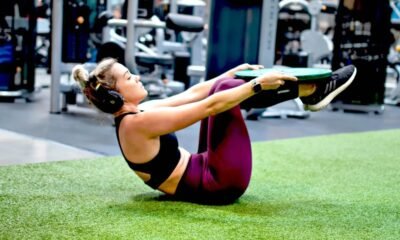
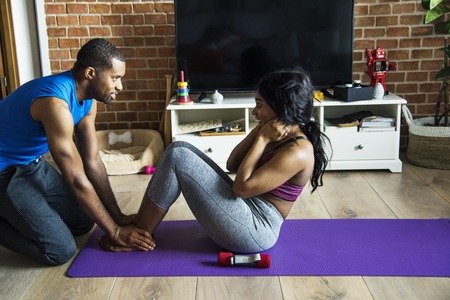
One of the biggest fitness myths is that doing endless crunches will melt away belly fat. Sit-ups strengthen the abdominal muscles, which matters for posture, balance and everyday movement.
The catch is that stronger abs don’t automatically become visible if they’re still covered by body fat.
Strength Is Only Part of the Picture
Think of your abdominal muscles like a sculpture behind a curtain. You can make the sculpture stronger, but the curtain still has to move before its shape becomes visible.
That’s why fitness experts increasingly encourage a wider approach: combine resistance training with regular movement, enough protein to support muscle, and an eating pattern you can maintain consistently.
These habits help create the conditions for losing body fat across the body, rather than trying to target one stubborn area.
The conversation around brown fat has also attracted attention. Brown fat burns energy to produce heat, while white fat mainly stores energy.
Scientists are exploring ways brown fat activity can influence metabolism, but there’s no proven shortcut that reliably turns white fat into brown fat through fasting alone in everyday life.
Build a Body That Works, Not Just One That Looks Good
For someone in Accra squeezing in a quick workout before work or a parent exercising between family responsibilities, this is good news. You don’t need hundreds of sit-ups to make progress.
Train your core, walk more, lift weights a few times each week, eat enough protein, and be patient.
The visible changes often follow the healthy habits—not the other way around.

Some of the healthiest moments in life don’t happen in a gym. They happen when you step outside, feel the sun on your face, and give your mind permission to slow down.
Many people think spending time outdoors requires a weekend getaway or an expensive adventure. The reality is much simpler.
A walk through a neighbourhood park, breakfast on a balcony, or watching the sunset after work can become small rituals with surprisingly meaningful benefits.
Nature Doesn’t Ask for Perfection
Our daily routines often keep us indoors—behind office desks, in traffic, or glued to screens. Breaking that pattern doesn’t have to mean adding another demanding task to your schedule.
Take your workout outside instead of staying on a treadmill. Turn a phone call into a walking meeting. Pack lunch for a nearby park, or carry a book to a quiet garden.
Even hobbies like photography, painting, or gardening become opportunities to spend more time in fresh air.
These small choices do more than fill your day with pleasant moments. Research has linked time in nature with lower stress levels, improved sleep, better concentration, increased physical activity, and stronger social connections.
Build a Habit That Lasts
The secret isn’t spending hours outdoors once a month. It’s making outside time feel normal.
Choose one consistent moment each day—a morning walk, an evening sunset, or watering plants after work—and protect it like any other appointment. Over time, those minutes become part of your routine rather than another item on your to-do list.
For Ghanaians, that might mean an evening stroll along Labadi Beach, a visit to Aburi’s green spaces, or simply sitting under a tree in your neighbourhood.
Nature doesn’t have to be far away. Sometimes the best medicine is waiting just outside your door.
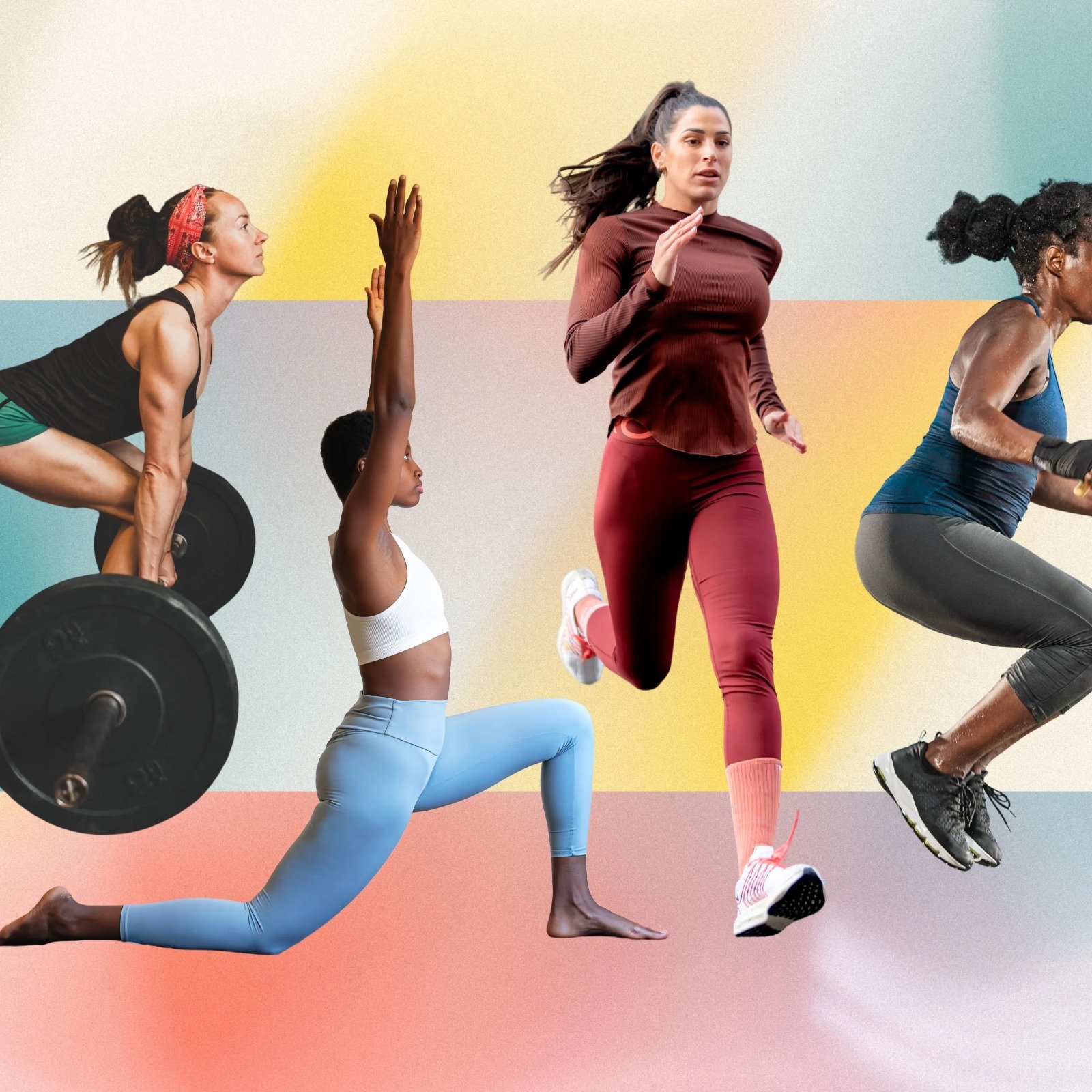
One week, your favourite workout feels effortless. The next, climbing the stairs feels like a challenge.
That shift is easy to mistake for laziness, but your menstrual cycle may be quietly changing how your body feels, recovers, and even how hungry you become.
Rather than expecting the same energy every day, learning your cycle’s patterns can help you train and eat with less frustration.
Working with your body’s rhythm
In the days before a period, many women notice stronger cravings and a bigger appetite. Research suggests energy expenditure can rise slightly during this phase for some people, though usually not by hundreds of calories.
Instead of battling every craving, it often helps to build balanced meals with protein, fibre, and healthy fats that keep you satisfied.
When menstruation begins, fatigue can become more noticeable, especially for people with heavier bleeding.
Iron-rich foods such as lean red meat, beans, kontomire (cocoyam leaves), and other dark leafy greens, paired with vitamin C-rich fruits like oranges or pineapples, can support iron absorption as part of an overall healthy diet.
Keep moving—even if you adjust the pace
As energy returns after menstruation, many people find they’re ready to increase training intensity or chase personal bests.
That doesn’t mean every cycle looks identical. Stress, sleep, nutrition, and individual hormone patterns all play a role.
The biggest lesson is surprisingly simple: your cycle doesn’t demand that you stop exercising. It invites you to adapt.
Some days call for strength training, others for a gentler walk or stretching. Listening to those signals isn’t giving in—it’s building a routine that works with your body instead of against it.


How Ghana’s Government Pressured MTN, Telecel, and AirtelTigo to Cut Data Prices

Buckingham Palace Responds to Jamaica’s $10 Billion Reparations Demand, But the UK Government’s Wallet Remains Shut

Top Headlines From Ghanaian Newspapers: Tuesday, Sept. 8, 2026
-

 Ghana News1 day ago
Top Headlines From Ghanaian Newspapers: Monday, Sept. 7, 2026
-

 Festivals & Events1 day ago
Dzawuwu: The Volta Festival That Celebrates Agave Bravery
-

 Sights and Sounds1 day ago
Trade Accra’s Traffic for Treetops at Legon Botanical Gardens
-
 Health & Wellness1 day ago
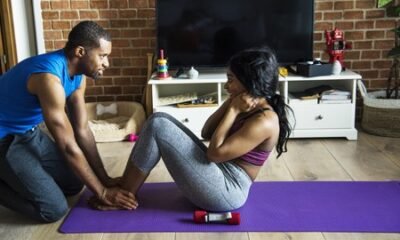
Why 500 Sit-Ups a Day Won’t Reveal Your Abs
-

 Ghana News1 day ago
Ghanaian Vaccine and Medicine Manufacturers Get Ready Market After NVI Clinches Historic Deal to Sell to Africa’s Bulk Buying Group
-
 Taste GH17 hours ago
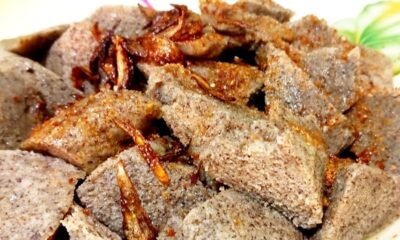
Tubaani Beans: Northern Ghana’s Hearty Answer to Rice and Beans
-

 Festivals & Events17 hours ago
Lagos Meets Accra: Zephans & Co Brings Summer Style to the City
-
 Arts and GH Heritage5 hours ago
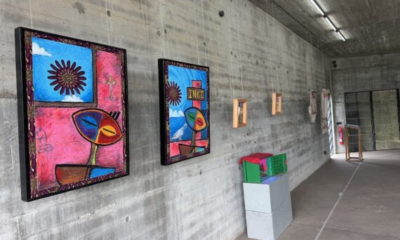
The Stories We Live With: Inside Nubuke Foundation’s Weight of the Ordinary