
Health & Wellness
Building Stronger Glutes After 35: Why Strength Training Matters More Than Cardio

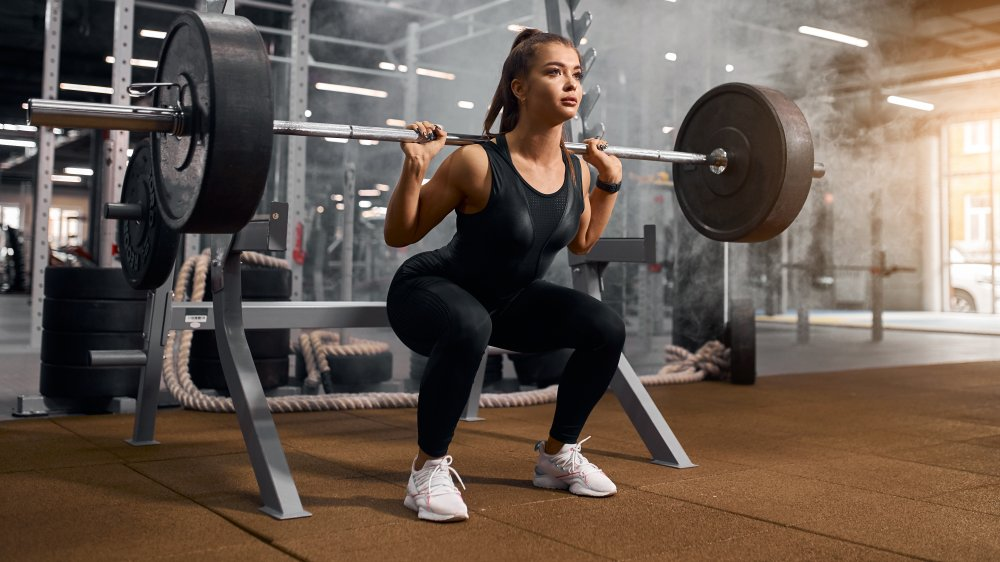
The secret to stronger, fuller glutes may not be spending endless hours climbing imaginary stairs at the gym.
For women over 35, the more important investment could be lifting weights, building muscle and developing strength that supports the body well beyond appearance.
Why Your Glutes Need More Than Cardio
The gluteal muscles, which form the buttocks, play an important role in everyday movement. They help stabilise the pelvis, support the hips and power activities such as walking, climbing stairs and standing from a seated position.
Although exercises such as the StairMaster provide cardiovascular benefits, they do not replace progressive resistance training when the goal is significant muscle growth.
As women age, preserving muscle becomes increasingly important. Age-related muscle loss can affect strength, balance and mobility, making resistance training a valuable part of long-term health and fitness.
Exercises That Make a Difference
Hip thrusts and Romanian deadlifts are particularly useful for strengthening the glutes, while deep squats train several lower-body muscles through a wide range of motion.
Bulgarian split squats are another demanding option, challenging each leg independently while working the glutes at a deep stretch. Walking lunges, hip abduction exercises and cable kickbacks can provide additional variety.
The key is consistency, gradually increasing resistance and maintaining good technique rather than chasing impressive gym numbers.
Strength Is the Real Reward
For women in Ghana and elsewhere balancing work, family and busy schedules, two or three well-planned strength sessions each week can be a practical starting point.
Building stronger glutes is not simply about achieving a particular shape. It is about maintaining muscle, supporting mobility and staying physically capable as the years pass.












A mild case of flu can leave even the healthiest person struggling to get out of bed. For parents juggling work, household responsibilities and sick children, 48 hours of illness can feel like an eternity.
Preventing influenza, therefore, is not just about avoiding a few uncomfortable days; it is about protecting the health and wellbeing of the entire household.
Small habits, meaningful protection
Flu viruses spread easily through respiratory droplets and contaminated hands and surfaces. A child picking up a toy at school, an adult touching a shared office keyboard, or a family member coughing in a crowded trotro can create opportunities for infection.
Handwashing remains one of the simplest ways to reduce transmission. Washing thoroughly with soap and running water, particularly before eating and after coughing or sneezing, helps limit the spread of germs.
Alcohol-based hand sanitiser is a useful alternative when soap and water are unavailable.
Everyday health habits also matter. Eating a balanced diet with plenty of vegetables and fruits, getting sufficient sleep and staying physically active support normal immune function. These habits cannot guarantee protection against influenza, but they help maintain overall health.
Protecting the youngest family members
Babies under six months are particularly vulnerable because they are too young to receive the flu vaccine. Parents can reduce exposure by avoiding crowded spaces during outbreaks, limiting unnecessary contact with visitors, and ensuring household members practise good hygiene.
Annual flu vaccination remains an important preventive measure, particularly for pregnant women, young children, older adults and people with certain chronic conditions.
Flu prevention rarely depends on one dramatic action. Repeated small decisions—washing hands, staying home when ill, and keeping vaccinations current—help families stay healthier.
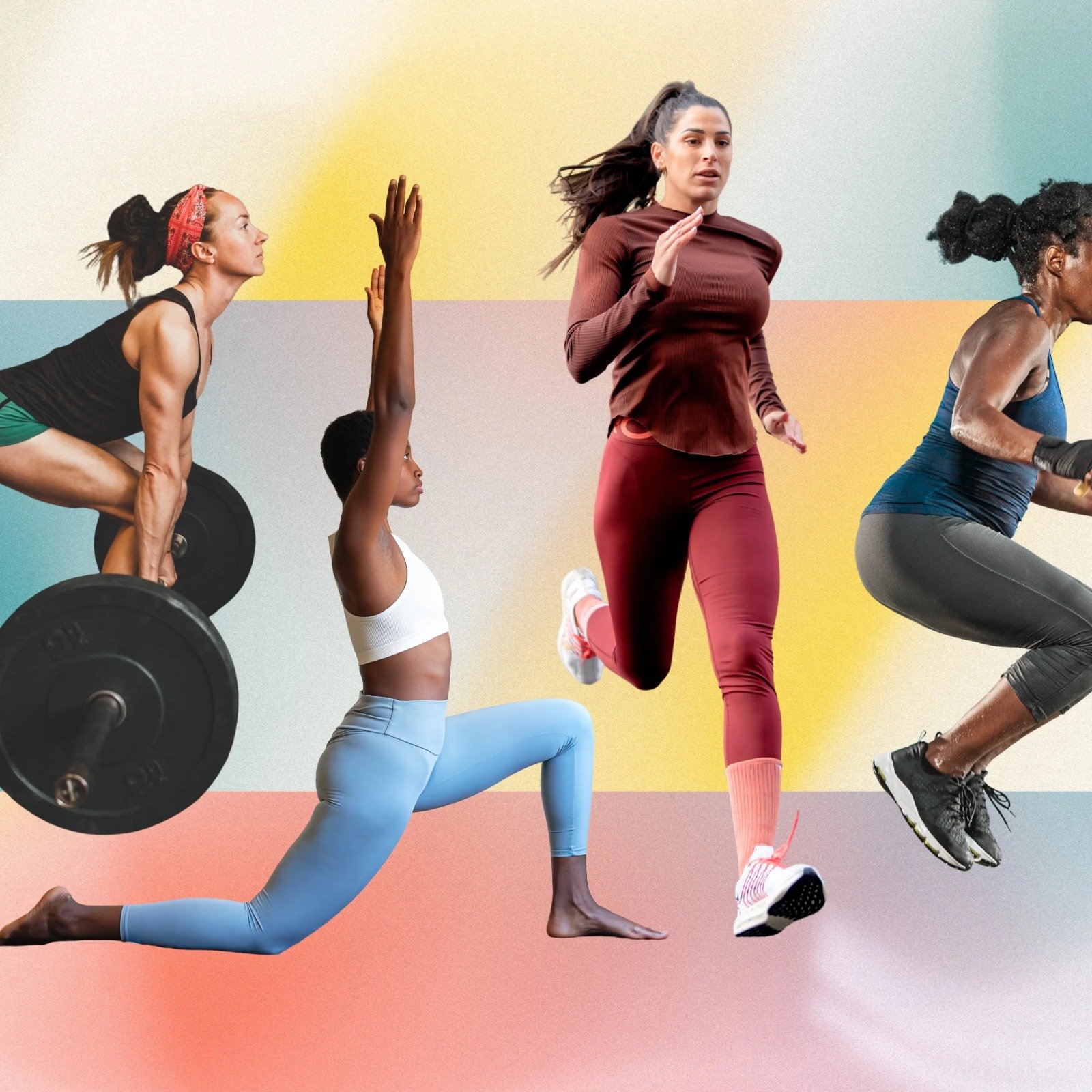
Small daily commitments can help you stay active, even when illness, work or family responsibilities disrupt your routine.
The women who stay fit do not necessarily have more discipline. They have a floor. It is an interesting way to think about fitness: instead of setting ambitious targets that are difficult to maintain, build a few small habits you can follow even on your worst days.
Why smaller fitness goals work
Many people begin their fitness journey with enthusiasm, committing to intense workouts, strict diets and demanding weekly schedules.
For a while, everything goes according to plan. Then work gets busy, children need attention, illness strikes or travel interrupts the routine.
One missed workout becomes several, and before long, exercise is postponed until another Monday.
A more sustainable approach is to establish a minimum daily routine. This could mean drinking enough water, including protein in breakfast and taking a 10-minute morning walk.
These modest actions may seem insignificant, but they help maintain consistency when a full workout is impossible.
For Ghanaian readers juggling long commutes, demanding jobs and family responsibilities, a short walk around the neighbourhood or a few minutes of movement at home can provide a realistic starting point.
Consistency beats perfection
Small habits also make returning to exercise less intimidating. Rather than feeling guilty about missing several gym sessions, you can continue with manageable activities until your schedule improves.
The goal is not to avoid challenging workouts. Strength training, cardiovascular exercise and balanced nutrition remain important for long-term health. It is about creating a routine flexible enough to survive life’s interruptions.
Fitness is not built only on your best days. It is sustained by what you can still do on your worst ones.
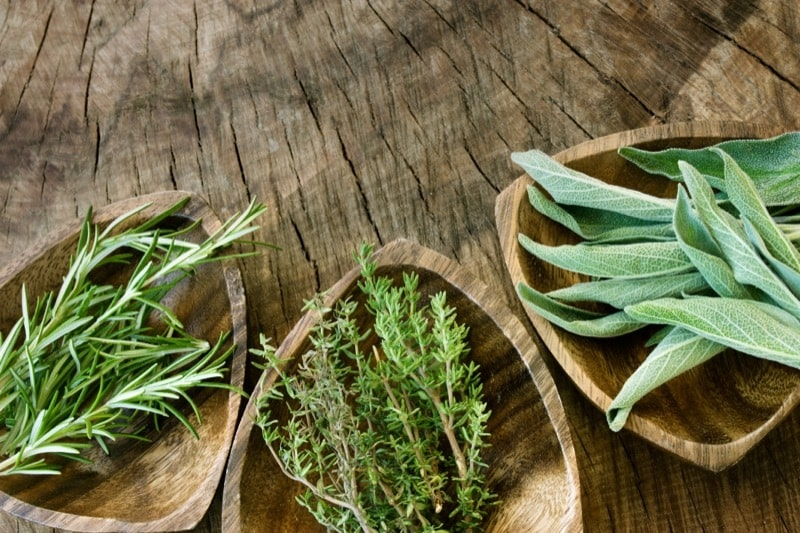
A pinch of thyme in a pot of soup or rosemary rubbed over roasted meat does more than add fragrance and flavour. These familiar culinary herbs contain plant compounds that scientists are investigating for their potential role in slowing cancer development.
For health-conscious cooks in Ghana and around the world, the research offers an interesting reason to pay closer attention to the herbs used in everyday meals.
What researchers have discovered
Thyme contains terpenoids, naturally occurring plant compounds with antioxidant and anti-inflammatory properties. A 2019 study published in the International Journal of Molecular Sciences examined thyme’s potential anti-tumour effects, reporting significant reductions in tumour growth in animal experiments.
Rosemary has attracted similar scientific interest. It contains carnosol and rosmarinic acid, compounds being studied for their antioxidant properties and possible ability to interfere with cancer cell growth.
Research has also explored rosemary extract’s potential to reduce harmful compounds formed when meat is cooked at very high temperatures. This is particularly relevant for people who enjoy grilled and barbecued foods.
Flavourful additions, not cancer cures
These findings are promising, but an important distinction remains: much of the evidence comes from laboratory experiments and animal studies. It does not establish that eating rosemary or thyme prevents or treats cancer in humans.
That does not mean these herbs have no place in a healthy diet. Adding thyme to soups, stews and vegetable dishes, or rosemary to roasted potatoes and grilled foods, is an easy way to introduce more plant compounds into meals.
The takeaway: Enjoy these herbs for their flavour and potential nutritional benefits, but do not mistake a kitchen ingredient for cancer treatment. A varied diet, regular physical activity and appropriate cancer screening remain important parts of protecting long-term health.


Beneath the Velvet: Exploring the Uncomfortable Truths Hidden Behind Beauty

Heritage Notes and Heartbreak: Ghana’s Social Media Mood on November 12

Flu Prevention Starts at Home: Five Everyday Habits That Protect Your Family
-

 Ghana News1 day ago
After COVID-19 Exposed Africa’s Vaccine Dependence, Ghana’s NVI and Africa CDC Embark on a New Path to Secure Health Sovereignty
-

 Business1 day ago
Ghanaian Pharmaceutical Manufacturers Begin Breaking Into African Markets Thanks to Africa CDC’s Pooled System
-

 Ghana News1 day ago
Africa Cannot Build Its Pharmaceutical Future on Imports: Ghana and Africa CDC Seek a New Way Forward
-
 Taste GH1 day ago
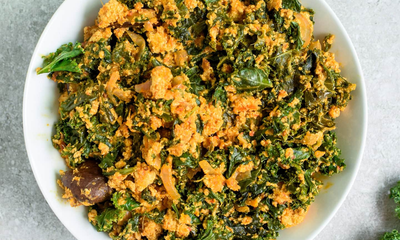
Vegan Kontomire Stew: A Ghanaian Classic Reimagined with Tofu and Melon Seeds
-

 Festivals & Events1 day ago
Samanpiid Festival: Bawku’s Celebration of Harvest, Renewal and Kusasi Heritage
-
 Sights and Sounds1 day ago
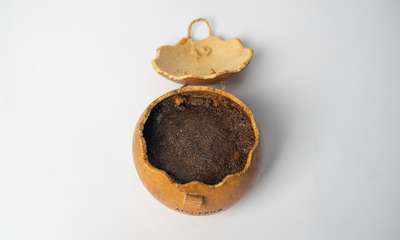
Shea Butter and African Black Soap: Ghana’s Natural Skincare Gifts to Take Home
-
 Festivals & Events1 day ago
Ghana Food Festival: Diaspora Experience 2026 Celebrates Food, Culture and Connection
-
 Homes & Real Estate1 day ago
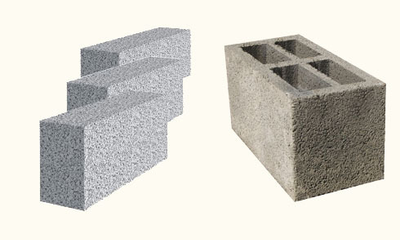
Building in Ghana? How to Test Your Blocks Before They Become Part of Your Home
Pingback: Flu Prevention Starts at Home: Five Everyday Habits That Protect Your Family - Ghana News Global