
Homes & Real Estate
Stop Looking for a Salesperson: The One Trait That Defines a Truly Great Agent


In the bustling drama of buying or selling a home, we often look for the star player. We want the agent with the magnetic personality, the one who commands a room, the master negotiator who can talk a seller down from a skyscraper.
We search for a salesperson, a marketer, a whirlwind of open houses and locked-in deals.
But after fifteen years in this business, I’ve learned that the loudest voice in the room is rarely the one that gets you the best deal.
The true quality of a top-tier real estate agent isn’t found in their handshake or their advertising budget.
It’s found in the quiet moments, in a skill that never makes it onto a billboard: the ability to sit still and listen to what isn’t being said.
A great agent understands that a house is just brick and mortar. A home is a vessel for a life. When you walk into a property, you’re not just looking at square footage and countertops; you’re projecting your future onto it.
A sharp agent hears that future. They catch the slight hesitation in your voice when you see the dated kitchen, not because you dislike it, but because you’re already imagining your children doing homework at that very island.
They notice the way a young couple’s eyes light up at the backyard, a silent acknowledgment of where the family dog will run.
This deep listening is the engine behind every other quality. It fuels integrity, because an agent who truly hears your fears about a risky investment won’t push you to close the deal just to earn their commission.
It sharpens negotiation, because they understand your deepest motivations—they know you’re not just fighting for a lower price, but for the breathing room in your monthly budget to finally start that renovation.
The best agents are anthropologists of the human heart. They study the subtle clues that reveal your priorities.
They are fluent in the language of pause, of posture, of the quick, sharp intake of breath when you walk into the perfect living room.
They don’t just process data; they process emotion. They marry the cold, hard facts of the market—the analytics, the trends, the inventory—with the warm, messy, beautiful reality of your life.
So, when you’re looking for someone to guide you through the most significant financial and emotional transaction of your life, don’t be dazzled by the flash.
Have a conversation with them. Pay attention not to what they tell you, but to what they ask you. Do they seem genuinely curious about your story? Do they listen to your answers, or are they just waiting for their turn to speak?
Find the one who hears you. Because in a world of noise, a good listener isn’t just a rare find—it’s the surest path to finding the front door of your new life.





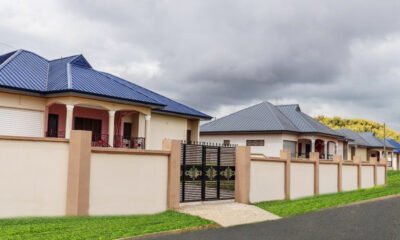








You have seen them on Instagram. The young man in a perfectly ironed print shirt is standing in front of a half-completed mansion at East Legon.
The woman is sipping coconut water by the beach while her phone buzzes with client inquiries. They are real estate agents, and lately, every other person you know from church or SHS seems to be joining them.
Is the hype real? Having watched friends transition from banking to brokerages and teachers turn into property consultants, I sat down to figure out why this field is pulling people.
If you are stuck in traffic on the Tema Motorway dreaming of a change, here is what makes this work different.
1. No Degree? No Problem
Let us be honest. In Ghana, the job market can be tough on your certificates. A degree does not guarantee a job, and without one, many doors slam shut.
Real estate is different. Nobody asks to see your WASSCE results before you show a plot of land at Adenta. What matters is your hustle, your mouth, and your honesty. You just need to be licensed and ready to learn the ropes.
2. Your Office Is Everywhere
Forget reporting to a supervisor by 8 a.m. sharp. In real estate, the “office” could be a construction site at Adjiriganor, a finished home at Trassacco Valley, or your own bedroom while you reply to messages on WhatsApp.
You set the hours. If your child is sick, you adjust. If you want to go to the salon on a Tuesday afternoon, you go. The flexibility hits different when you are used to asking for permission to take leave.
3. The Commission Changes Things
Here is the part nobody shouts about loudly, but everyone whispers. The money can be good. Not “monthly salary” good, but “I just sold a house at Airport Hills” good.
There is no ceiling on your payslip. Sell one piece of land, and your commission might be what a bank teller makes in six months. Of course, it takes work, but the potential is right there.
Read Also: Why Multi-Family Units are the New Gold Standard for Ghana’s Real Estate Investors
4. You Become the Family Expert
Soon after you start, your phone becomes the family hotline. Your cousin needs a cheap self-contained in Santa Maria.
Your mother’s friend is looking for land at Kasoa that does not come with a landguard dispute. You become the go-to person. That feeling of using your knowledge to help your own people avoid the “I bought land, and they sold it twice” tragedy is genuinely fulfilling.
5. No Two Days Look the Same
If you hate sitting behind a desk staring at Excel sheets all day, this is for you. One morning, you are taking photos of a new listing at Adjiringano.
In the afternoon, you are driving a client through the potholes of a new development at Oyarifa. You meet strangers who become friends, and you see houses that make your jaw drop.
6. You Learn the Real Ghana
After a while, you stop just seeing houses. You see investments. You learn why a plot at Amrahia is cheaper than one at Roman Ridge.
You understand titles, site plans, and what “ownership” truly means. It makes you sharper with your own money.
The work is not easy. Clients cancel, deals fall through, and fuel is expensive. But for many Ghanaians right now, the freedom and the potential are worth the risk.
Homes & Real Estate
Why Multi-Family Units are the New Gold Standard for Ghana’s Real Estate Investors
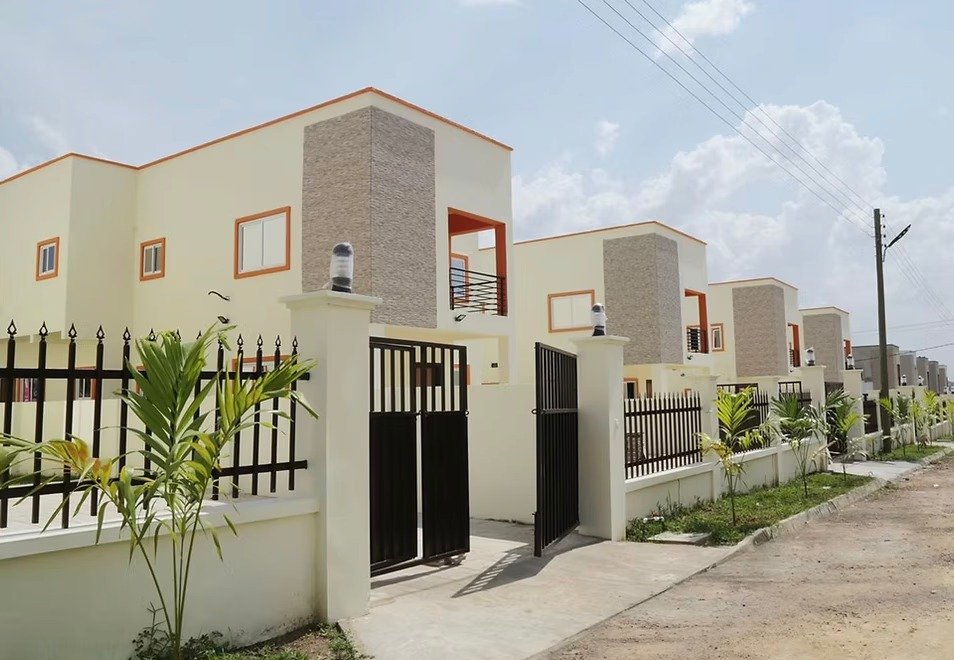
In the sprawling landscape of Accra, the traditional dream used to be a standalone bungalow with a gated perimeter. But as the city’s skyline begins to reach upward, the investment landscape is shifting just as dramatically.
Benaiah Rawlings of Zea Homes recently pointed out a trend that savvy local and diaspora investors can no longer ignore: the single-family home is taking a backseat to the powerhouse potential of the multi-family unit.
In an economy where inflation can be a relentless shadow, real estate remains the ultimate hedge. However, the modern investor isn’t just looking for a “store of value”—they are looking for aggressive, consistent cash flow.
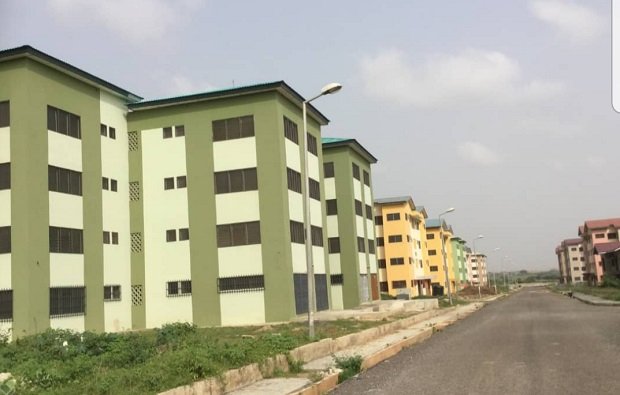
This is where the multi-family model wins. By housing five or more units under one roof, these properties transform a single plot of land into a high-yield revenue engine.
Why Vertical is Vogue
The magnetism of multi-family housing—ranging from the sleek apartments of Harmonia Residence in the Airport Residential Area to the lifestyle-centric condominiums of The Edge in Labone—stems from a simple reality: urban density.
As more people flock to Ghana’s economic hubs for work and culture, the demand for “lock-up-and-go” living has skyrocketed.
For the investor, the math is compelling. If one tenant moves out of a single-family home, your vacancy rate is 100%. If one tenant leaves a ten-unit apartment block, you are still 90% occupied.
This safety net, combined with the ability to centralize maintenance and management costs, offers an “economy of scale” that single units simply cannot match.
Read Also: Rent Control Department mandates ‘Rent Card’ for all tenancies starting April 1, 2026
The New Faces of Living
Today’s market isn’t just about four walls and a roof; it’s about curated experiences.
Mixed-Use Developments: These are the “mini-cities” where your office, your gym, and your favorite bistro are just an elevator ride away.
Student Housing 2.0: Forget the cramped dorms of the past. Modern student hubs near major universities now feature gaming rooms and fitness centers, catering to a generation that demands lifestyle alongside their lectures.
Conclusion
Investing in Ghana’s multi-family sector is a strategic move to diversify a portfolio. These assets allow landlords to absorb rising costs—such as taxes or insurance—by distributing them across a larger tenant base.
It creates a win-win: more stable cash flow for the owner and more accessible, high-quality housing for a growing population.
In a world of fluctuating markets, the “bricks and mortar” of a multi-unit development offer something rare—tangible, scalable, and resilient wealth.
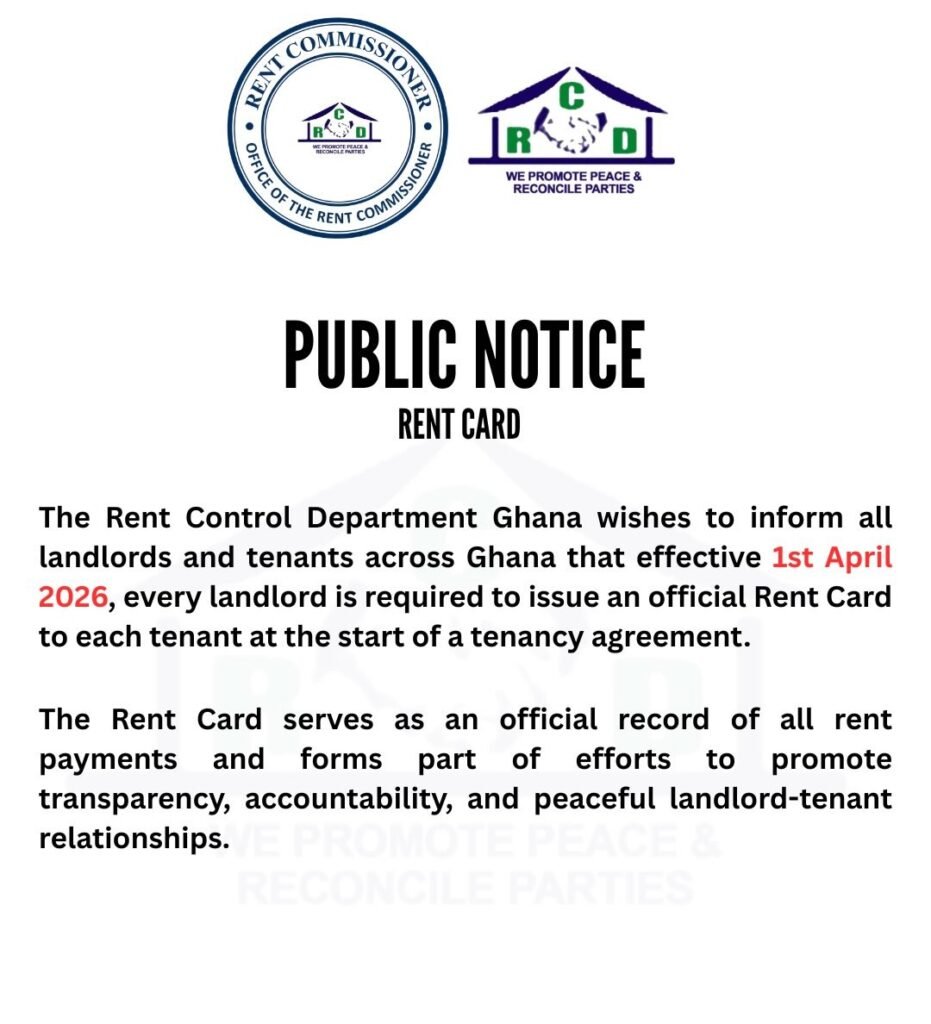
The Rent Control Department has announced a new directive requiring all landlords across Ghana to issue an official Rent Card to tenants at the beginning of every tenancy agreement starting April 1, 2026.
The directive, described as a measure to strengthen accountability in the rental housing sector, is expected to formalize how rent payments are recorded and reduce disputes between landlords and tenants.
In a public notice, the department stated that the Rent Card will serve as an official record of rent payments throughout the tenancy.
“The Rent Card serves as an official record of all rent payments and forms part of efforts to promote transparency, accountability, and peaceful landlord-tenant relationships,” the notice said.
Promoting transparency in Ghana’s rental sector
Housing experts say the initiative is likely to introduce more structure into Ghana’s largely informal rental market, where payment records are often kept privately by landlords or tenants, sometimes leading to misunderstandings.
Under the new directive, landlords will be responsible for issuing the Rent Card to tenants at the start of the tenancy agreement and updating it whenever rent payments are made.
Officials believe the system will make it easier for both parties to verify payments and resolve disagreements if they arise.
“The Rent Card is part of broader efforts to strengthen documentation and improve landlord-tenant relations across the country,” the department said.
What tenants and landlords should expect
While the department has yet to publish detailed operational guidelines, the Rent Card is expected to function similarly to traditional rent record booklets used in several Commonwealth jurisdictions. Each payment made by the tenant will be entered and acknowledged, creating a verified payment history.
Housing advocates say the move could particularly benefit tenants who often struggle to prove payment histories in disputes.
The Rent Control Department has urged all landlords and tenants nationwide to take note of the directive and comply once the policy takes effect on April 1.
The department says further guidance on implementing the Rent Card system will be provided in the coming weeks.



-

 Ghana News24 hours ago
Newspaper Headlines Today: Wednesday, March 18, 2026
-

 Ghana News23 hours ago
UK Engages Ghana on Counterterrorism and Maritime Security
-

 Taste GH2 days ago
Experience the Rare Texture of Apapransa the Celebratory Roasted Corn Delicacy
-

 Ghana News2 days ago
How America’s Allies and Partners Have Responded to Trump’s Pleas For Help in the Strait of Hormuz
-

 Ghana News23 hours ago
Two Scrap Dealers Lynched, Video of Mahama’s Reaction After Atta Mills’ Death Resurfaces and Other Trending Issues Today (March 18, 2026)
-

 Health & Wellness1 day ago
Three Amazing things that Happen When You Introduce Vegetables to Your Diet
-

 Festivals & Events1 day ago
The Whispering Rocks of Tengzug: Invoking the Rain at the 2026 Gologo Festival
-

 Ghana News23 hours ago
Germany Hands Over Four Operational Shelters to Ghana Immigration Service at Aflao Border