
Festivals & Events
Silicon Valley in Accra: Decoding the Venture Capital Myth from Your Laptop


There is a certain “mythical” energy that surrounds the phrase “Idea to IPO.” For many Ghanaian entrepreneurs, the dream of taking a small startup from a quiet workspace in Osu to the global stage feels like a journey reserved only for those walking the halls of Sand Hill Road.
But as the digital world collapses borders, that myth is being dismantled. On Thursday, May 14, a bridge is being built between the world’s tech capital and the rising “Silicon Shoals” of West Africa.
Bridging the Global Divide
Accra has long been recognized as a top-tier tech hub on the continent, with a vibrant ecosystem of fintech, agritech, and health-innovation startups.
However, the cultural and structural gap in “how” Silicon Valley thinks about money can often be a barrier for local founders. This is where the significance of the “How to Do a Venture Capital Financing” webinar lies.
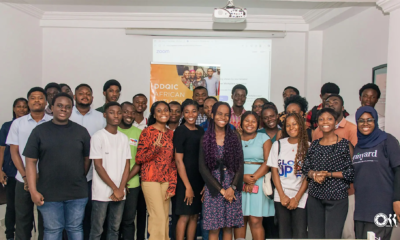
Hosted by Idea to IPO, an organization that has mentored over 100,000 attendees globally, this event is more than just a business seminar; it is a cultural exchange. It brings the hard-won secrets of Silicon Valley directly to the Ghanaian entrepreneurial spirit, offering a seat at the table to anyone with an internet connection.
A Masterclass from the Heart of Innovation
Participants will be led by Alidad Vakili, a veteran attorney from the Palo Alto office of Foley & Lardner.
Imagine sitting in a coffee shop in East Legon while receiving the same strategic advice usually shared behind the glass walls of a California boardroom.
Vakili will pull back the curtain on the negotiation of term sheets, the rigors of the diligence process, and the elusive art of what venture capitalists are actually looking for.
For a local founder, understanding the nuance of “preferred stock” or “closing issues” is the difference between a deal that scales a company and one that stalls it.
It is about learning the language of global finance to tell a uniquely Ghanaian story.
Why This Matters for the Global Ghanaian
Whether you are a returnee looking to invest in your homeland or a local founder building the next big app, this event is a rare opportunity to level the playing field.
- For Locals: It’s a chance to “reconnect” with a global standard of excellence, ensuring that Ghanaian innovations are built on a bedrock of sound international legal and financial structures.
- For Tourists and the Diaspora: It offers a glimpse into the professional culture that is currently driving Africa’s digital transformation.
This session is 100% online and entirely free, but the “slots” are limited. In the fast-moving world of tech, the most valuable currency is information.
Don’t let this chance to bridge the gap between your idea and the IPO stage pass you by.





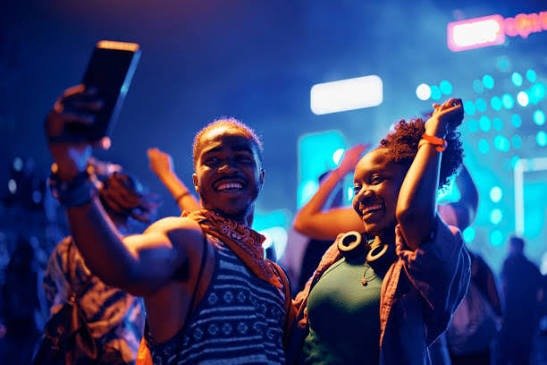
Pitch Accra sets the scene for a New Year’s Eve gathering that brings music lovers together as Ghana welcomes the first moments of 2027.
As the final hours of 2026 slip away, Accra will offer music lovers another reason to gather, celebrate and welcome a new year together. Compozers Fest Ghana Edition is scheduled for December 31, 2026, bringing the festive energy of New Year’s Eve to Pitch Accra.
Organised by December in Ghana, an events organiser with a growing following, the celebration offers an opportunity to experience Accra’s nightlife during one of the busiest periods on Ghana’s social calendar.
Music, Community and Celebration
Music has long been central to Ghanaian social life, accompanying celebrations, festivals and gatherings across generations. From highlife and hiplife to Afrobeats and contemporary African sounds, the country’s musical landscape reflects a continuing conversation between tradition and modern influences.
A festival held on New Year’s Eve provides a natural meeting point for these musical cultures and the people who enjoy them.
For Ghanaians returning home for the festive season, it offers another opportunity to reconnect with the city’s entertainment scene. International visitors can experience Accra’s year-end atmosphere alongside residents and members of the diaspora.
Although detailed information about the festival’s performers and programme has not been announced in the supplied listing, the event is scheduled to begin at 10 pm and continue into January 1, 2027.
Making New Year’s Eve Memorable
The venue, Pitch Accra, will host the gathering on Accra Road, Accra. Tickets also come with a Visa card promotion: eligible purchases receive 15 per cent back, with the refund processed within three to five working days after the event. The organiser states that tickets are non-refundable.
For visitors planning a festive-season trip, Compozers Fest Ghana Edition offers another event to consider when exploring Accra after dark.
As 2026 draws to a close, the celebration promises a chance to gather with friends, enjoy the city’s nightlife and begin 2027 in the company of fellow music lovers.

The steady beat of drums fills the air as singing voices rise and dancers bring the streets of Vane to life. In this town in Ghana’s Volta Region, November brings more than the promise of a successful harvest.
It ushers in the Amu Brown Rice Festival, a celebration that connects the rewards of the land with memories of a historic victory that secured the community’s present homeland.
At the heart of the festival is rice, a crop that represents both agricultural achievement and the value of collective effort. As families and community members gather to mark the harvest, the occasion becomes an opportunity to celebrate the work of farmers and recognise the importance of food production to local life.
Yet the festival’s significance reaches beyond the fields. Its commemoration of a victory associated with securing the community’s homeland gives the celebration a deeper historical meaning. It recalls the struggles and determination behind the community’s settlement, connecting present generations with the experiences that shaped their identity.
The festivities feature drumming, dancing and singing, bringing traditional expression to the centre of community life.
A durbar of chiefs provides an important gathering point, bringing traditional leadership into the celebration and reinforcing the relationship between heritage, authority and communal belonging.
For younger generations, the festival offers an opportunity to encounter local history through shared participation rather than words alone.
For visitors, it provides a glimpse of how agricultural seasons, historical memory and traditional leadership continue to shape cultural life in Ghana.
As communities navigate social change, celebrations such as Amu Brown Rice help preserve inherited customs while creating space for people to gather, reconnect and pass their stories forward.
For anyone exploring Ghana beyond its familiar tourist attractions, a November visit to Vane offers a chance to experience a living tradition in which the harvest is not simply food, but a reminder of history, resilience and belonging.
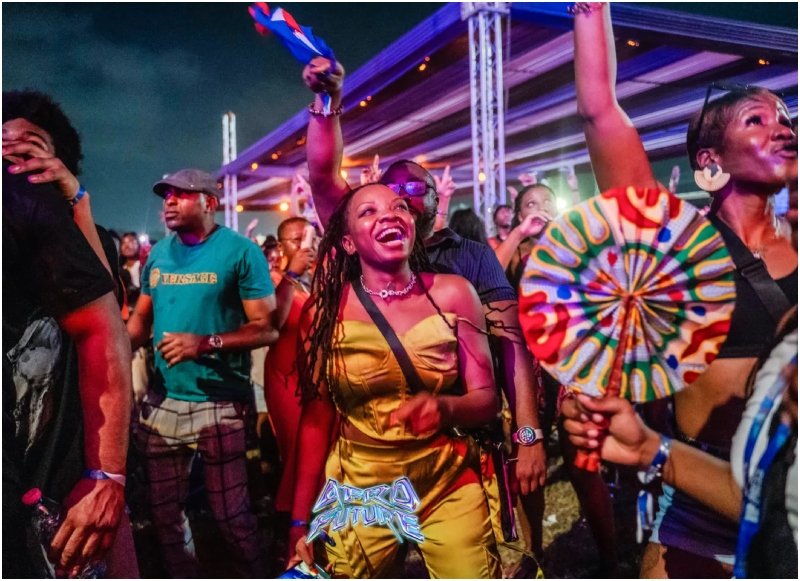
When Friday night arrives in Accra, the city comes alive with music, conversation and the irresistible pull of a good night out.
On November 13, 2026, The Turnup at Enzo invites partygoers to gather for an evening of entertainment, social connection and lively nightlife at Enzo Accra on Boundary Road.
Organised by AFROWAVE 2019, an event organiser with 32 events and more than 1,600 total attendees listed on Eventbrite, the gathering promises an in-person experience built around music, fun and good company.
Scheduled for 8 pm to 11:30 pm, the three-and-a-half-hour event offers an opportunity to enjoy Accra after dark.
While the event details do not specify particular performers, musical genres or food offerings, its central appeal is familiar to anyone who has experienced Ghanaian social life: the pleasure of meeting friends, discovering new faces and sharing music in a relaxed setting.
Accra’s nightlife forms an important part of its contemporary cultural identity, bringing together residents, returning members of the diaspora and international visitors.

From Afrobeats and highlife nights to modern DJ-led parties, music provides a common language across generations and backgrounds.
The Turnup at Enzo offers visitors an opportunity to experience this social side of the capital.
For tourists, it could be a chance to connect with Accra beyond its historic landmarks, markets and beaches. For locals, it offers another reason to step away from the week’s routines and enjoy an evening with friends.
With Enzo Accra providing the setting, the focus is on showing up, enjoying the atmosphere and making memories through shared experiences.
If you’re planning a Friday night in Ghana’s capital, The Turnup at Enzo is worth considering. Gather your friends, bring your energy and make room for an evening of music, connection and Accra nightlife.


Funding Fears Loom For Ghana’s Life-Saving Malaria Vaccine Five Years After Roll Out

‘There was a Coordinated Disclosure Plan’: AI-Discovered Flaw in PHP Triggers Global Internet Chaos as Cybercriminals Race to Exploit It

Yandex Strikes: Can Moscow Host Africa Under Drone Threat?
-

 Festivals & Events2 days ago
Compozers Fest Ghana Edition: Welcoming 2027 with Music in Accra
-
 Ghana News2 days ago
Major Sexual Abuse Scandal Rocks Ghana High School: Obuasi School Headmaster Sues Journalist for GH¢2 Million as Investigation Into Alleged Misconduct Widens
-
 Taste GH2 days ago
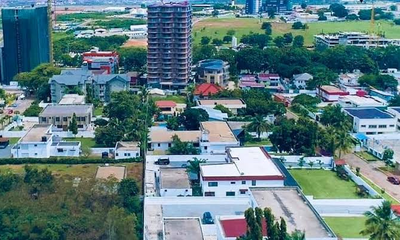
Airport Residential Area: Where Accra’s Dining Scene Meets Global Flavours
-

 Health & Wellness2 days ago
Why Keeping Weight Off Can Be Harder Than Losing It
-
 Opinion2 days ago
Yandex Strikes: Can Moscow Host Africa Under Drone Threat?
-
 Global Update2 days ago
‘There was a Coordinated Disclosure Plan’: AI-Discovered Flaw in PHP Triggers Global Internet Chaos as Cybercriminals Race to Exploit It
-
 Ghana News2 days ago
Funding Fears Loom For Ghana’s Life-Saving Malaria Vaccine Five Years After Roll Out