
Taste GH
Red Red: The Ghanaian Bean Dish That Wins Hearts One Bite at a Time

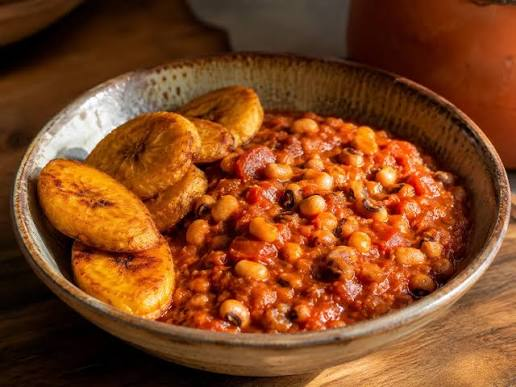
There is something irresistible about a plate of Red Red—the rich crimson sauce, sweet golden plantain on the side, and the comforting aroma that fills the air long before the first bite.
One of Ghana’s most loved bean dishes, Red Red takes its name from its striking colour, created by ripe tomatoes and vibrant red palm oil.
The result is a hearty meal that balances deep, savoury flavours with a gentle sweetness, making it a favourite from bustling street food stalls to family dining tables.
At its heart are soft, slow-cooked black-eyed beans that soak up a fragrant tomato stew infused with onions and spices. The red palm oil adds an earthy richness and a distinctive aroma that gives the dish its unmistakable character.
Pair it with fried ripe plantains, and every mouthful becomes a satisfying contrast of creamy beans and caramelised sweetness.
Many Ghanaians complete the meal with a boiled or fried egg, turning an already generous dish into an even more filling feast.
Red Red has earned its place as more than comfort food. Beans provide plant-based protein and fibre, while tomatoes contribute vitamins and antioxidants. Red palm oil, used in moderation, also contains beta-carotene, which the body converts into vitamin A.
Visitors discovering Ghanaian cuisine for the first time often remember Red Red because it feels both familiar and exciting.
It’s simple enough for home cooks to recreate, yet packed with flavours that reflect Ghana’s talent for transforming everyday ingredients into memorable meals.
Whether enjoyed for lunch, dinner, or as a satisfying weekend treat, Red Red remains one of the country’s proudest culinary classics.

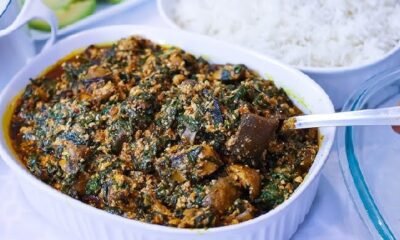

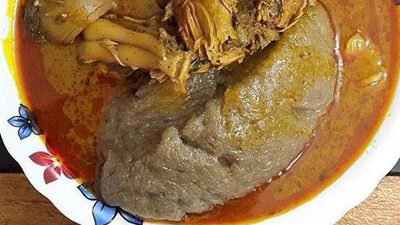







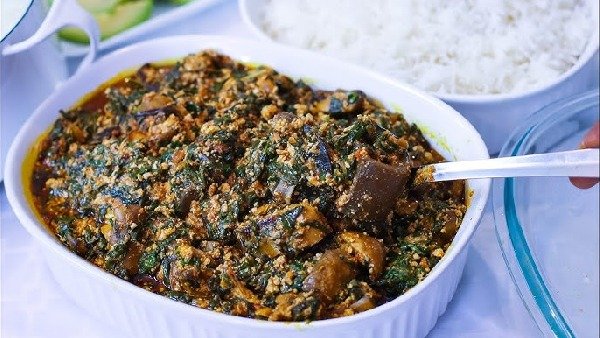
A steaming bowl of Ghanaian stew has a way of filling a room before the first bite is taken, with the rich scent of palm oil, tomatoes, fresh greens and spices inviting everyone to the table.
Few dishes capture Ghana’s love for bold, home-cooked flavours better than kontomire stew, palava stew and okro stew. Though they share familiar ingredients, each brings its own character to the plate.
Kontomire stew is built around cocoyam leaves, known locally as kontomire, one of Ghana’s most treasured ingredients. Blended with tomatoes and egusi, the ground seeds of a melon variety, it develops a creamy, nutty depth that balances the earthy taste of the greens.
It is a favourite alongside boiled yam, ripe fried plantain or rice, making it a comforting meal across generations.
Palava stew takes that familiar foundation and adds more layers. Spinach and amaranth leaves, also known as callaloo, join the cocoyam leaves, while some cooks stir in egusi for extra richness.
The result is a hearty, vibrant stew that reflects the creativity of Ghanaian home kitchens, where recipes often carry a family’s own signature touch.
Then there is okro stew, instantly recognisable for its glossy texture. A tomato base cooked with red palm oil, onions and spices surrounds finely chopped okra, creating a silky stew that pairs beautifully with boiled plantain, yam, rice or other grains.
Beyond their unforgettable flavour, these stews celebrate ingredients that are naturally rich in vitamins, fibre and plant-based nutrients.
Together, they tell the story of a cuisine that transforms humble harvests into meals people return to time and again.
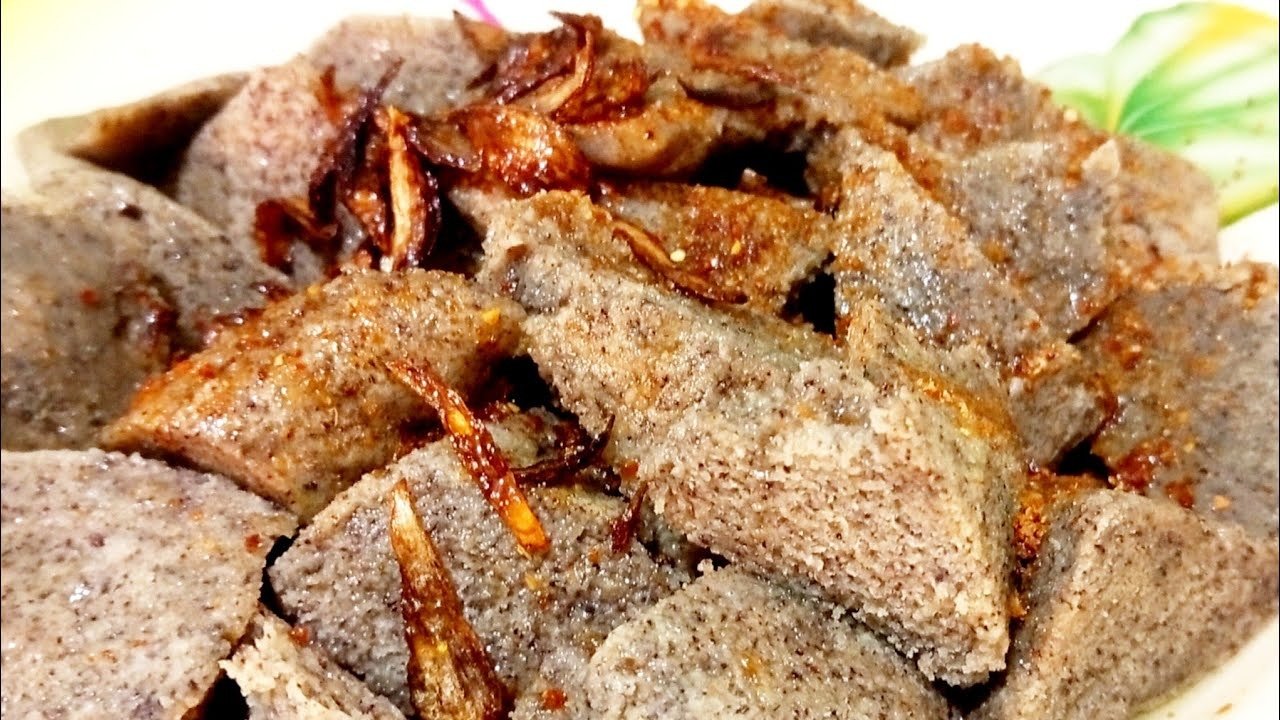
The first spoonful of Tubaani Beans carries more than the comfort of a good meal—it carries the taste of Northern Ghana, where beans, rice and groundnut oil come together in a dish rooted in everyday life.
While many Ghanaians in the south know rice and beans mainly through waakye, the northern preparation offers a character of its own.
Tubaani Beans can feature local varieties such as Bambara beans and Frafra beans, giving the dish a distinctive texture and earthy depth.
The beans are paired with rice and finished with groundnut oil, whose rich, nutty aroma adds warmth to every mouthful.
Then comes the pepper sauce: hot, bright and unapologetic. Its heat cuts through the richness of the beans and groundnut oil, creating a satisfying balance that keeps diners reaching for another spoonful.
For many communities across Northern Ghana, this is more than an inexpensive lunch. It is a practical meal shaped by the crops grown by farming families and the culinary traditions passed from one generation to another.
The beans provide plant-based protein, while the rice supplies energy, making the combination both filling and nourishing.
Its appeal also lies in its simplicity. There are no elaborate ingredients demanding attention; instead, the dish allows humble local produce to speak for itself.
For visitors discovering Ghanaian cuisine, Tubaani Beans offers a delicious introduction to the food culture of the north—a meal that is affordable, deeply familiar and unmistakably tied to the land.
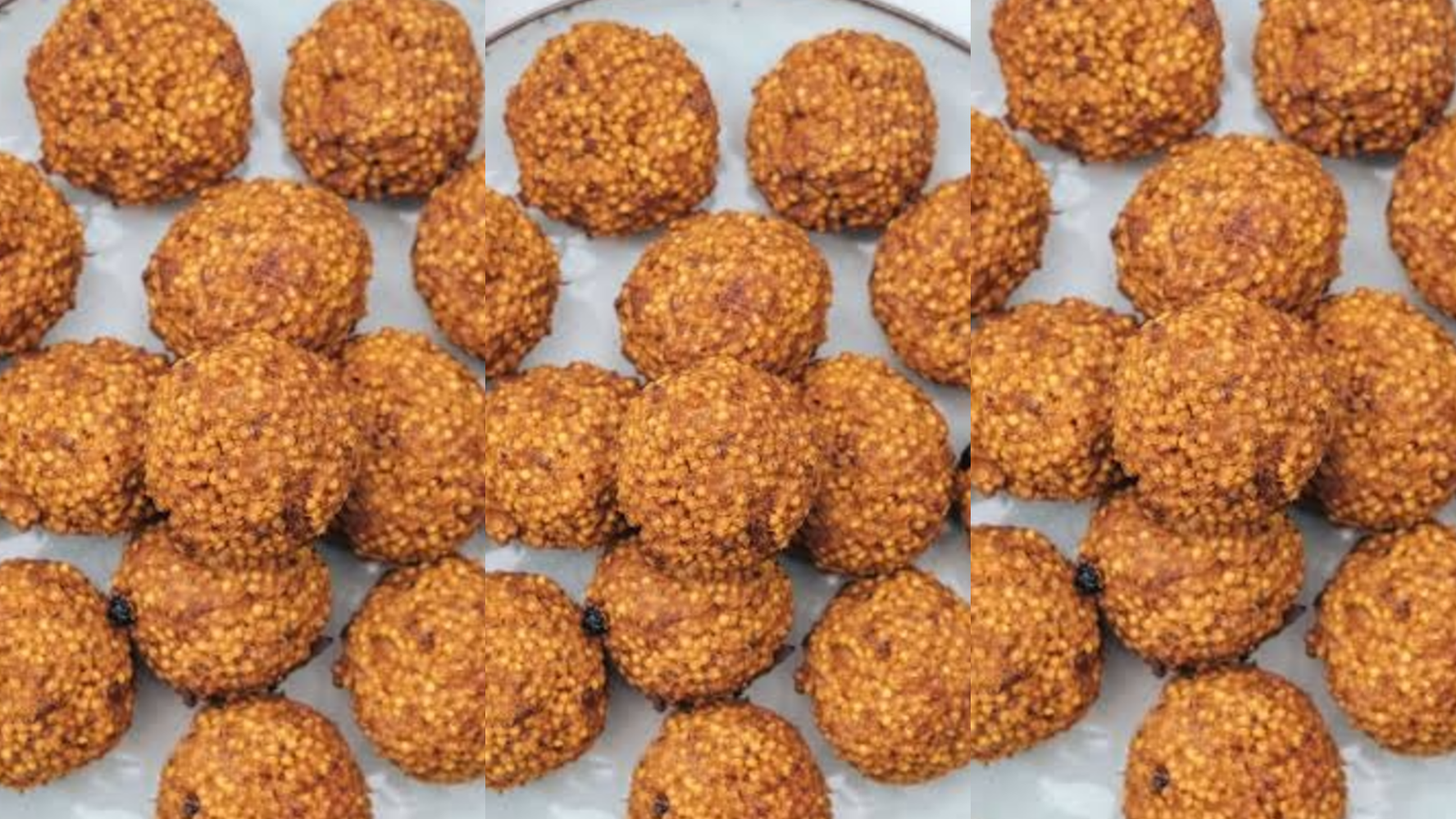
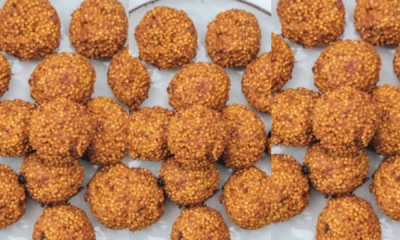
Long before packaged snacks became common, Kapala was already doing the job—fueling long days, satisfying hungry families, and proving that simple ingredients can create remarkable food.
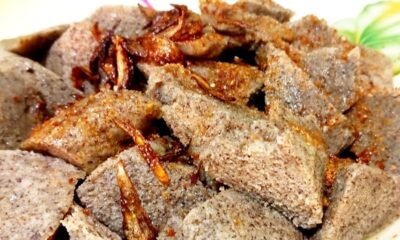
Known across parts of northern Ghana as millet balls, Kapala is made by cooking millet until it reaches a soft, thick consistency before carefully molding it into firm, round balls.
The result is a smooth, dense bite with a gentle nutty flavour that speaks to the grain’s natural earthiness.
It is filling without feeling heavy, making it a favourite for people who need lasting energy throughout the day.
Kapala’s versatility is part of its charm. It can be dipped into steaming bowls of soup, where it absorbs rich flavours while keeping its satisfying texture.
It is equally enjoyable with fresh milk for a lighter meal or paired with a spicy groundnut-based sauce that balances creamy sweetness with a warming kick.
The dish carries deep cultural significance beyond the plate. For generations, farmers have tucked Kapala into their bags before heading to the fields, relying on its portability and staying power through long hours of physical work.
In many ways, it represents Ghana’s traditional version of convenience food—made with care rather than processed for speed.
Its health appeal is just as compelling today. Millet is naturally rich in fibre, minerals and essential nutrients, making Kapala a wholesome choice for anyone looking for sustained energy and a nourishing meal rooted in local ingredients.
For visitors exploring Ghanaian cuisine, Kapala offers something more than a taste of millet. It offers a glimpse into a food tradition built on resilience, practicality and the enduring value of sharing simple meals.


In Ghana’s Online Politics, Personality Still Out-Engages Policy

Africa Digital Democracy: What Ghana’s Online Conversation Reveals About Elections in 2028

Trump Bans CNN, MS Now and Politico from White House in Escalating War on Press
-
 Ghana News6 hours ago
Africa Digital Democracy: What Ghana’s Online Conversation Reveals About Elections in 2028
-

 Ghana News1 day ago
Top Headlines From Ghanaian Newspapers: Friday, September 18, 2026
-
Festivals & Events1 day ago
GJTI Expo 2026: Where Ghana and Japan Meet to Shape the Future of Trade
-

 Ghana News1 day ago
After Record Seizures, Ghana Tightens Ports in Global Drug War
-
 Ghana News7 hours ago
Trump Bans CNN, MS Now and Politico from White House in Escalating War on Press
-
 Ghana News6 hours ago
In Ghana’s Online Politics, Personality Still Out-Engages Policy
-

 Health & Wellness2 days ago
What Your Urine Colour Says About Your Hydration
-
 Health & Wellness1 day ago
Before You Drink Activated Charcoal, Here’s What Science Actually Says